


Primary sourceSculpturec. 1353–1336 BCE
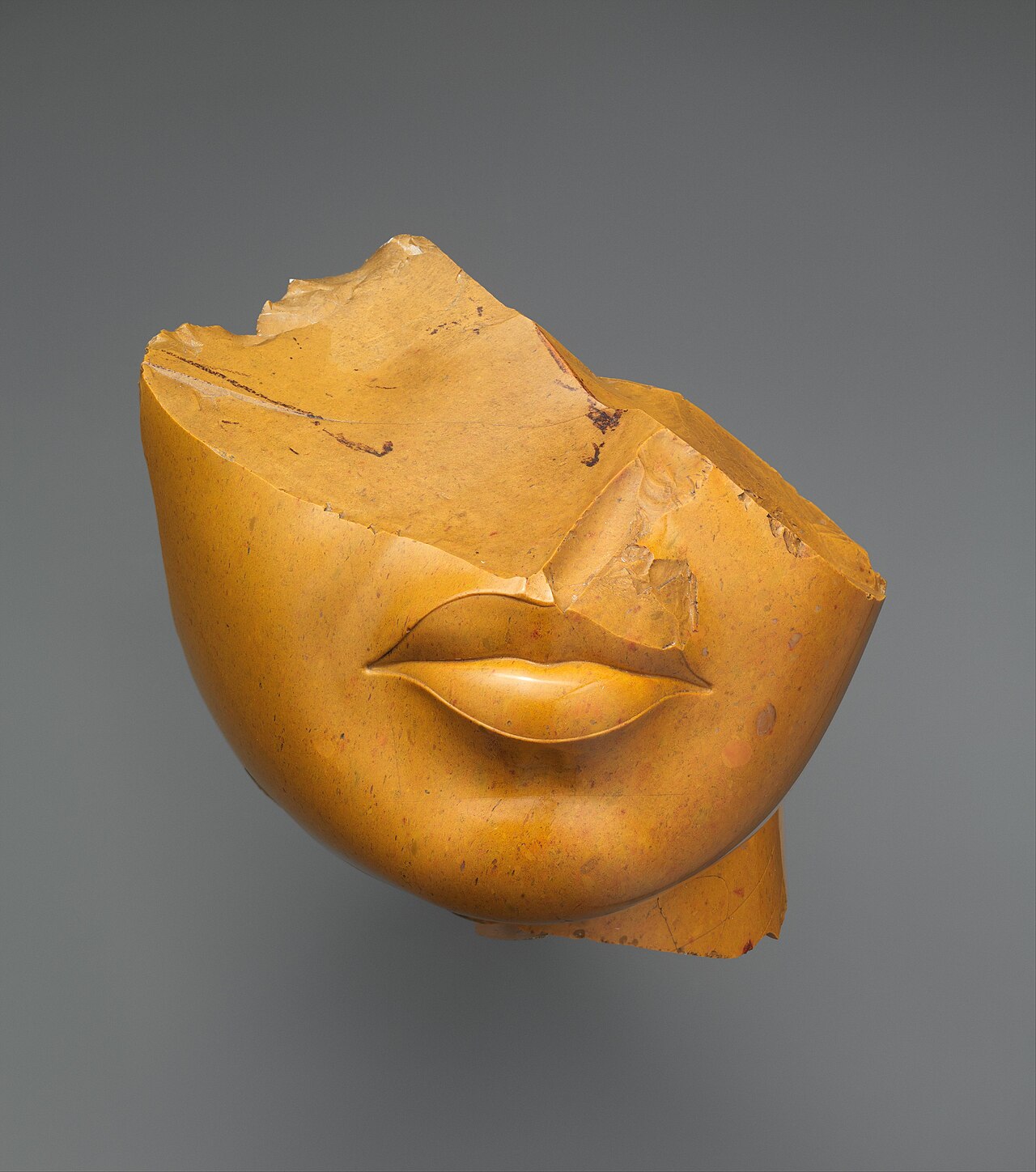
Fragment of a Queen's Face
Amarna royal workshop · c. 1353–1336 BCE
A yellow jasper fragment of royal lips and chin from Amarna, possibly representing Nefertiti, Kiya, or Queen Tiye.
This jasper fragment is possibly a depiction of Nefertiti, illustrating the fine craftsmanship of her court.
About this source
What it is
This carved yellow jasper fragment, made around 1353–1336 BCE by an Amarna royal workshop, shows the lips, chin and part of the nose and brow of a royal woman's face. It was once part of a larger composite statue, likely with a body of a different material such as alabaster, and is now held at the Metropolitan Museum of Art.
Why it matters
The fragment is a masterwork of Amarna-period sculpture, showing the refined, sensuous style favoured at Akhenaten's court. Scholars cannot identify the woman with certainty: Nefertiti and Kiya, Akhenaten's queen and another royal wife, are both considered possible, though an older Queen Tiye is thought less likely. It shows how composite royal statues were made and how hard it can be to identify ancient royal women from fragments alone.
Look closer
- What details of the carving make this face seem lifelike or idealised?
- Why is it difficult for experts to say for certain whose face this is?
- What does the broken mortise on the back tell you about how the full statue was built?
This sculpture is part of the curated material that grounds the AI version of Queen Nefereti on Humy.ai — when students ask about related events, the AI can quote it and cite it.
More Queen Nefereti sources
Meet the AI Queen Nefereti →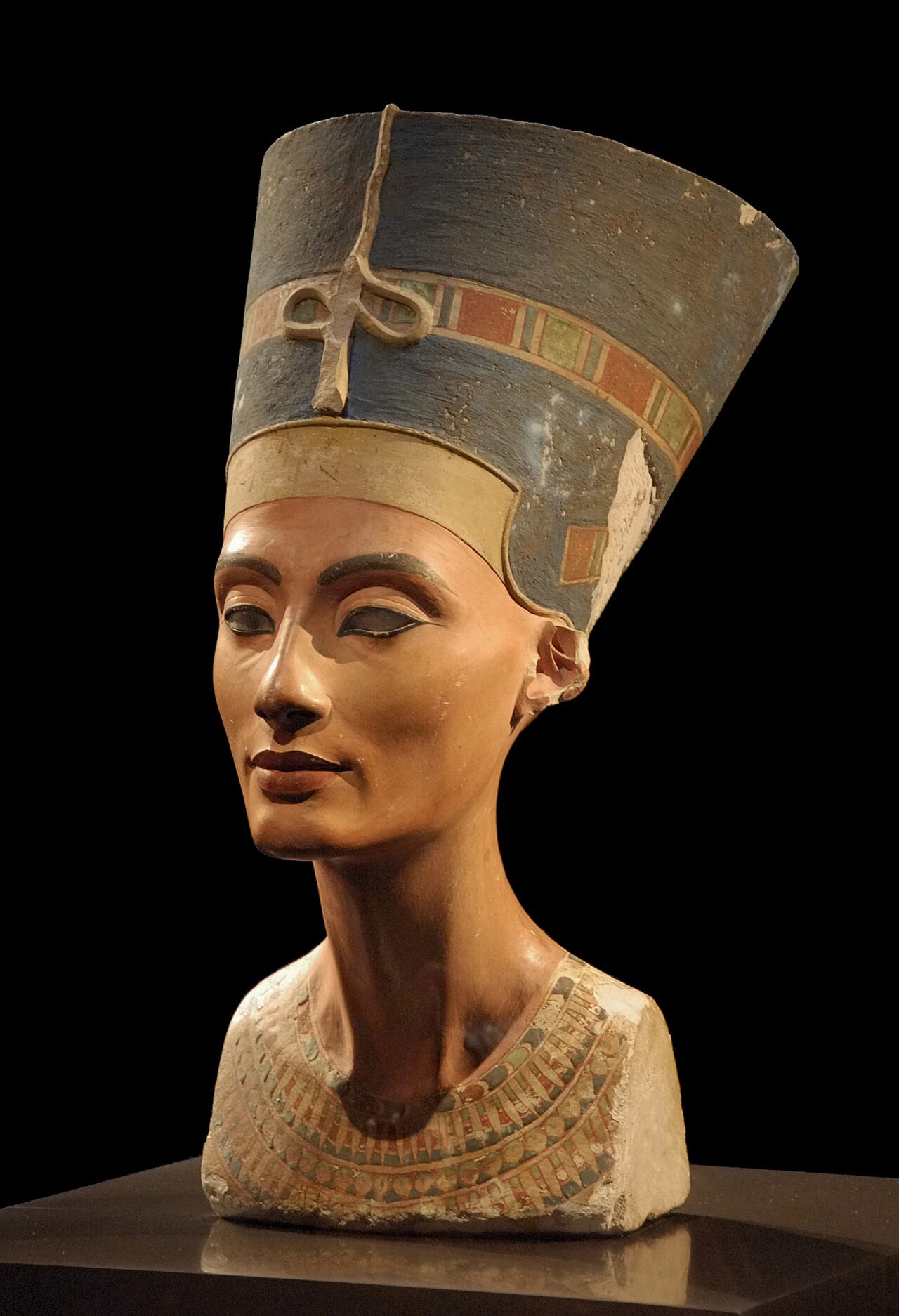 Sculpture
Primary source
Bust of Queen Nefertiti
Thutmose · c. 1345 BC
 Sculpture
Primary source
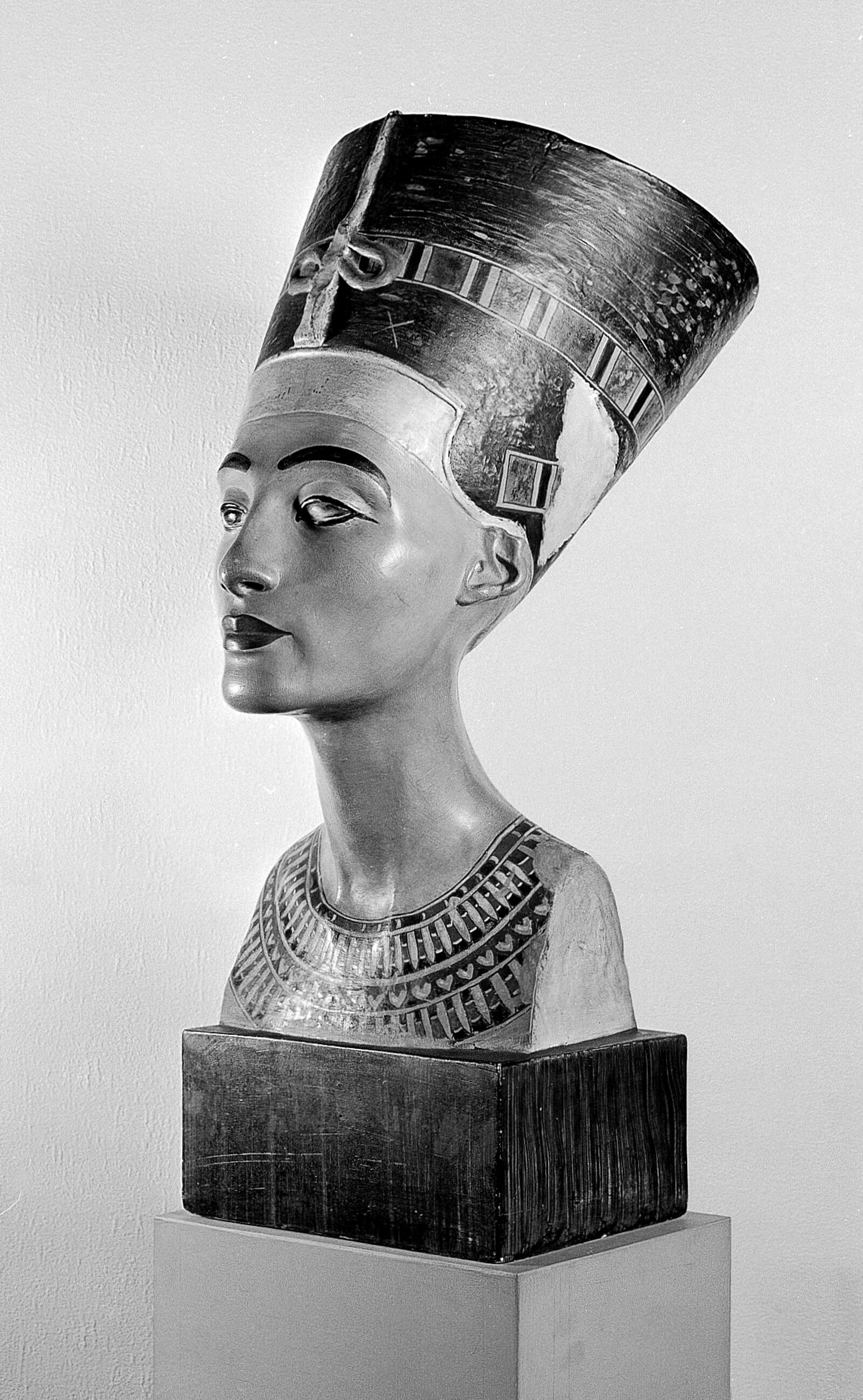
Figure of Nefertiti
 Sculpture
Primary source
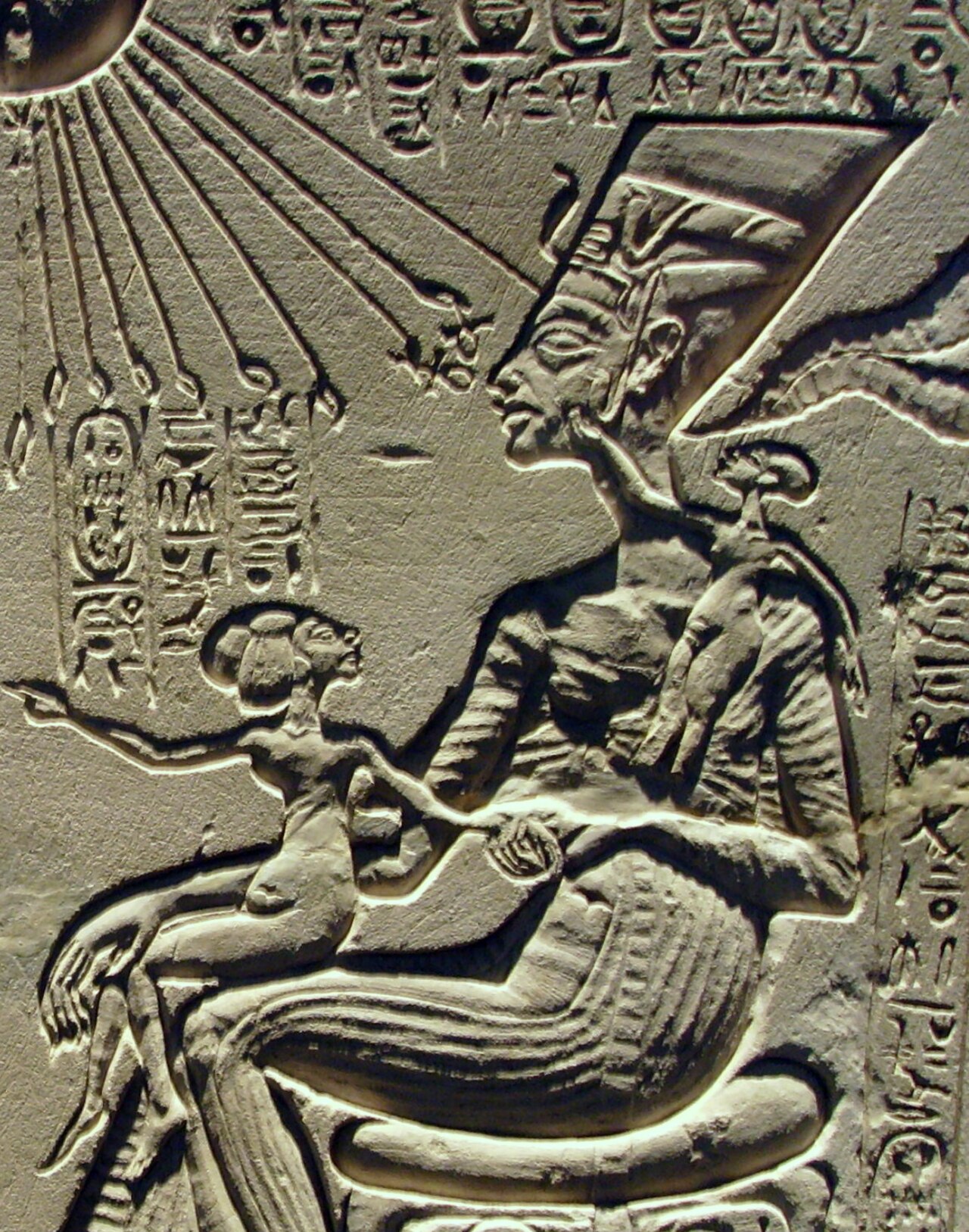
Akhenaten and His Family
c. 1352 BC
 Sculpture
Primary source
Relief Fragment Showing the Blue Crown of Nefertiti
 Document
Primary source
Great Hymn to the Aten
Akhenaten · c. 1350 BC
Ready when you are
Start chatting with Queen Nefereti now.
20 messages free · No credit card · Available in 50+ languages.