


Primary sourceArtifactc. 1353–1336 BCE
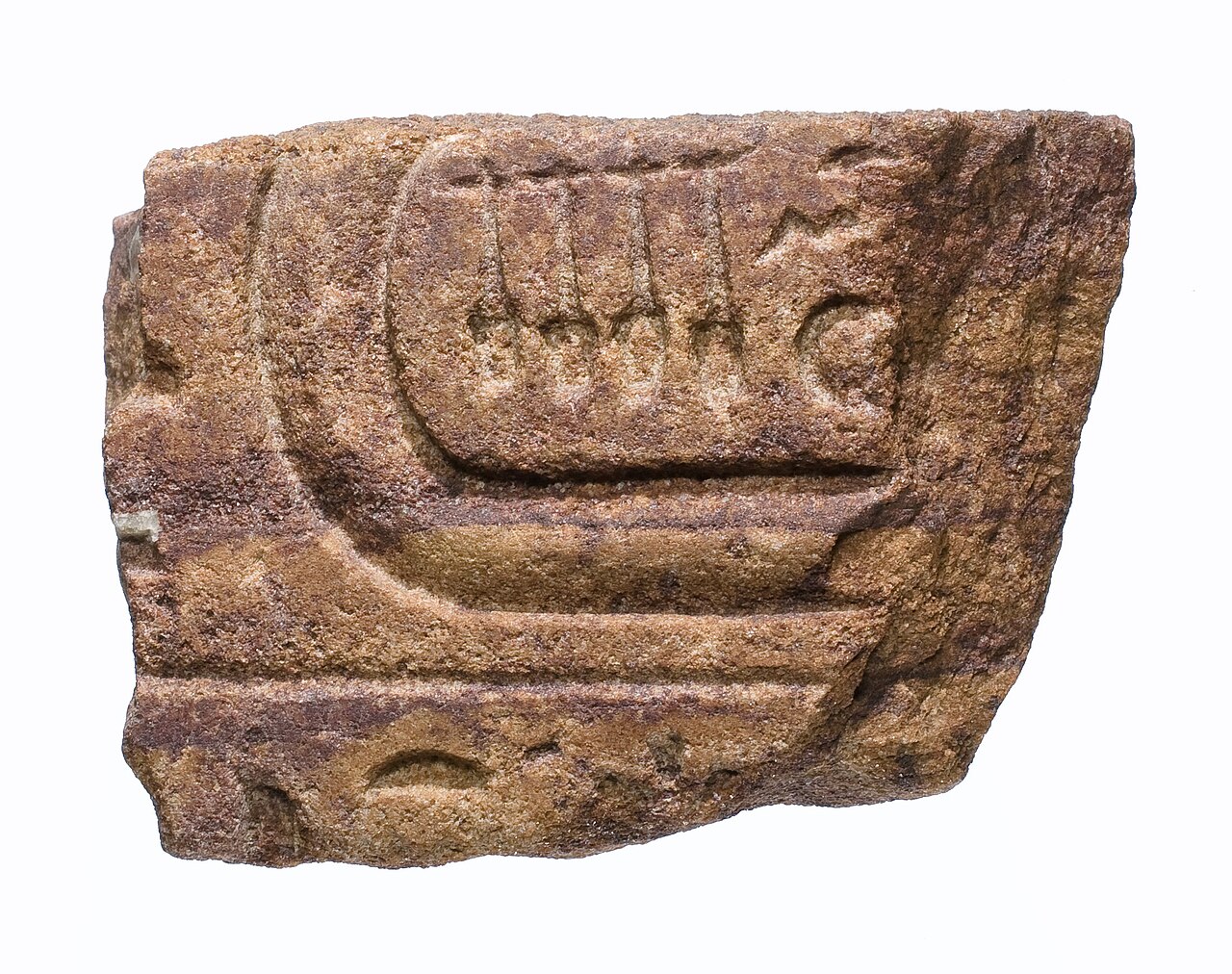
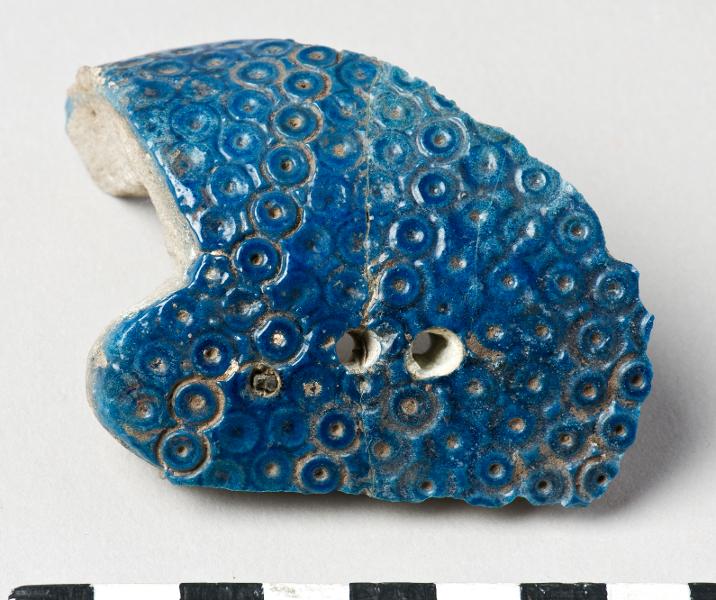
Fragment with the Name of Nefertiti and a Princess
c. 1353–1336 BCE
An ancient inscribed stone fragment naming Nefertiti and a princess, dating to her Amarna-period reign.
Inscribed with Nefertiti's name alongside a princess, primary evidence from her own reign.
About this source
What it is
This is a broken stone fragment carved with hieroglyphic signs naming Nefertiti and an unnamed princess. It dates to around 1353–1336 BCE, during the New Kingdom's Amarna Period.
Why it matters
Fragments like this are rare surviving evidence from Nefertiti's reign as Great Royal Wife. The pairing of her name with a princess reflects how royal women and their children were commemorated together during the religious and artistic changes of the Amarna period.
Look closer
- What can broken fragments like this tell historians, even without the full inscription?
- Why might Nefertiti be named alongside a princess rather than alone?
- What questions can't this fragment answer about who the princess was?
This artifact is part of the curated material that grounds the AI version of Queen Nefereti on Humy.ai — when students ask about related events, the AI can quote it and cite it.
More Queen Nefereti sources
Meet the AI Queen Nefereti →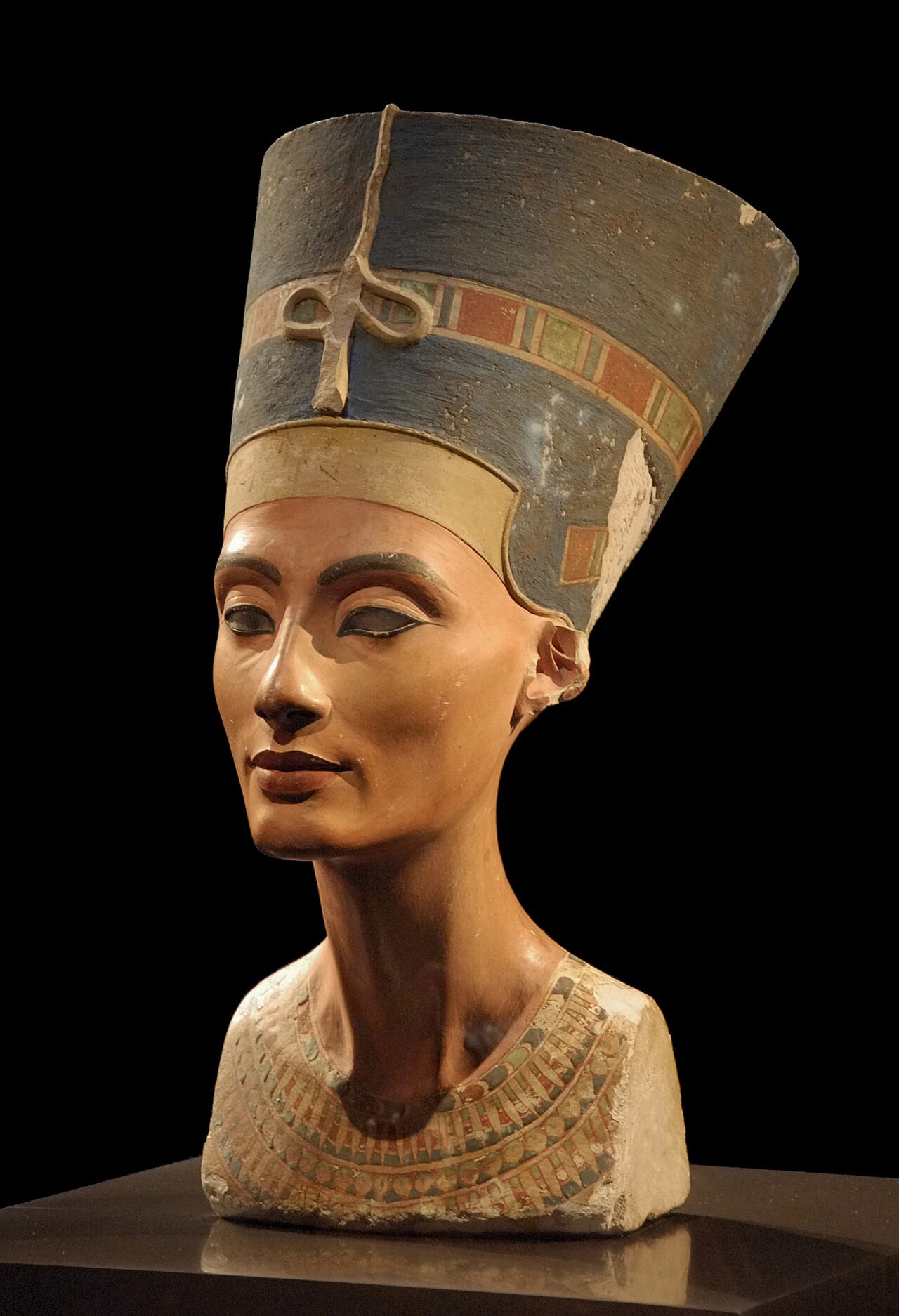 Sculpture
Primary source
Bust of Queen Nefertiti
Thutmose · c. 1345 BC
 Sculpture
Primary source
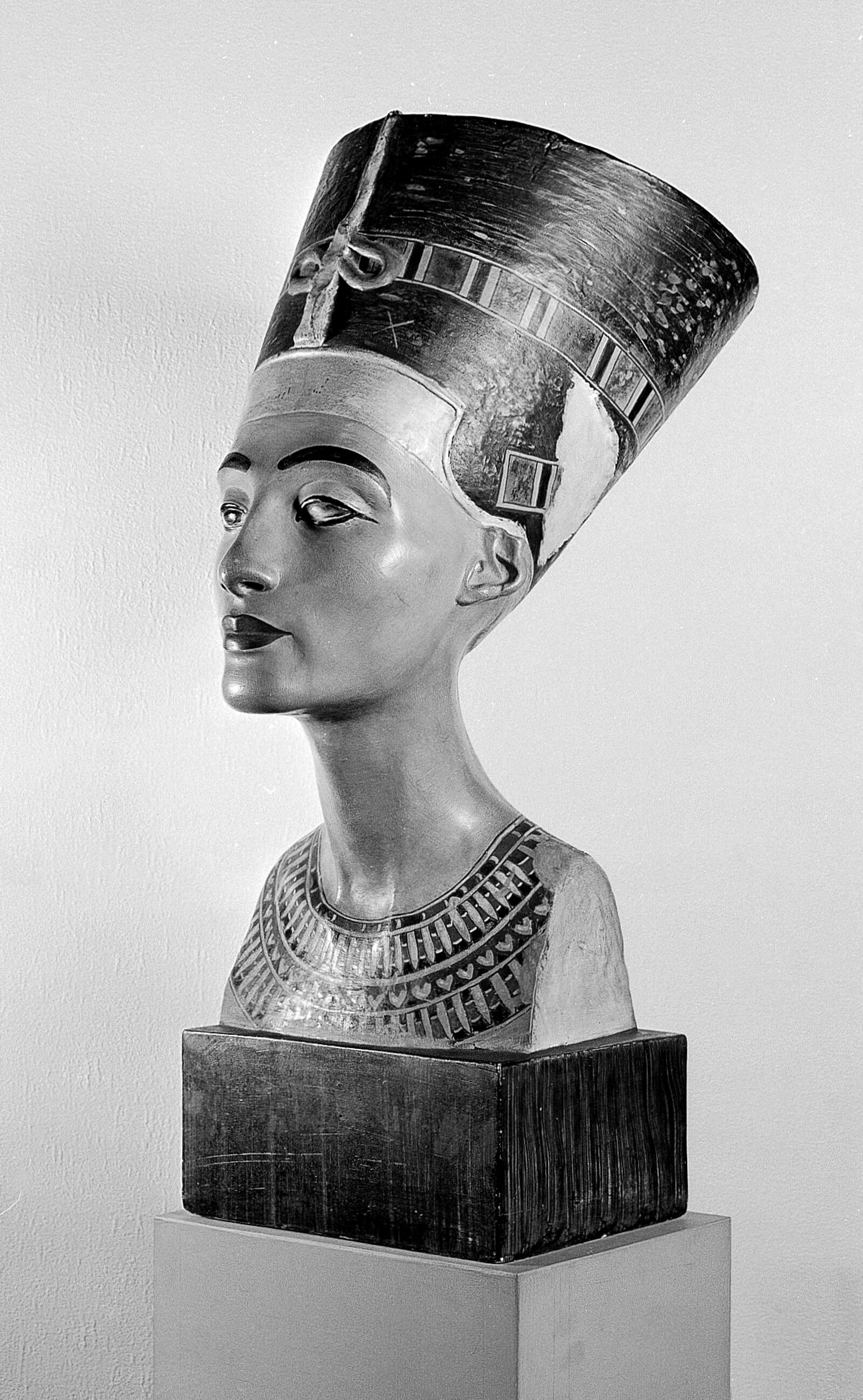
Figure of Nefertiti
 Sculpture
Primary source
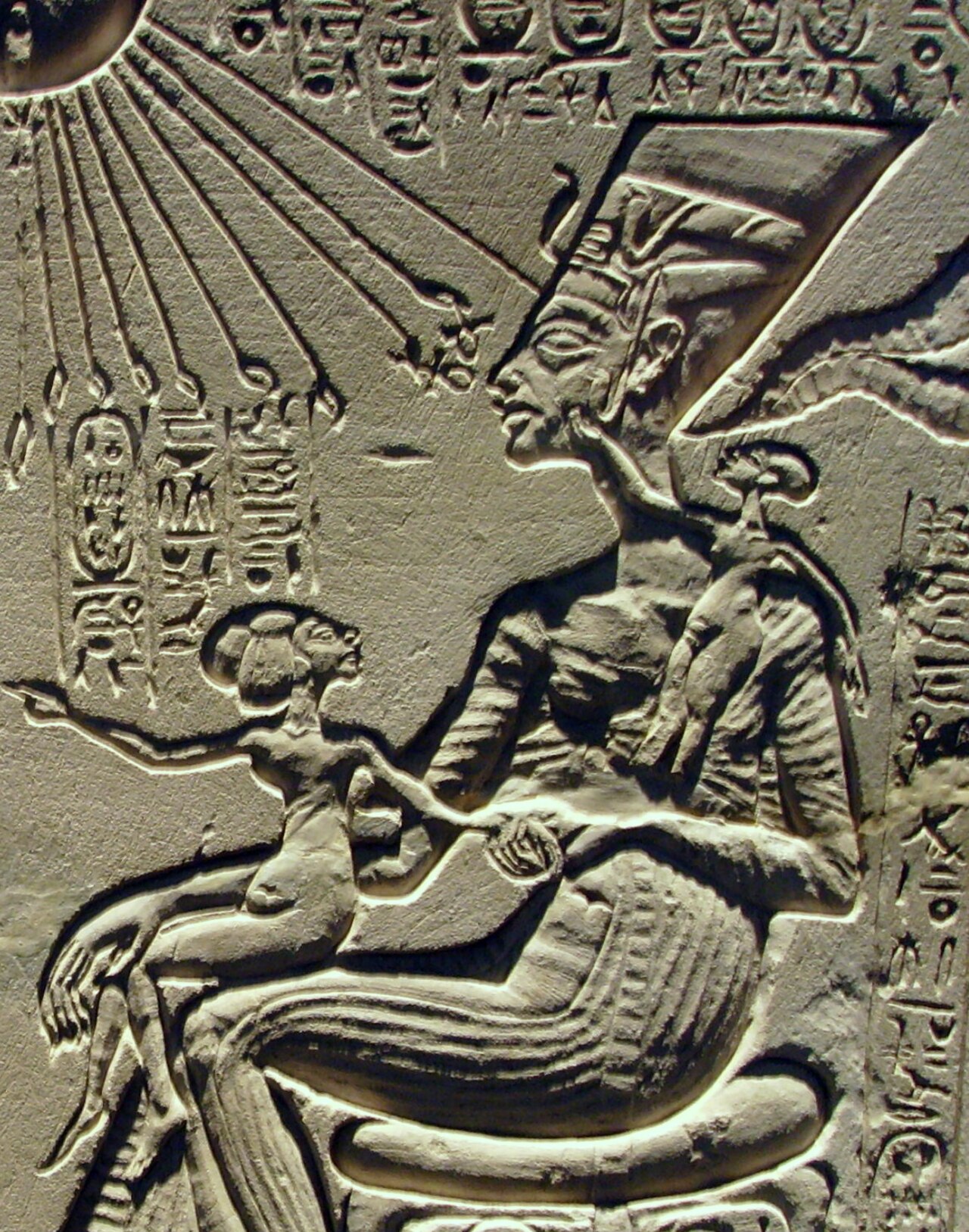
Akhenaten and His Family
c. 1352 BC
 Sculpture
Primary source
Relief Fragment Showing the Blue Crown of Nefertiti
 Document
Primary source
Great Hymn to the Aten
Akhenaten · c. 1350 BC
Ready when you are
Start chatting with Queen Nefereti now.
20 messages free · No credit card · Available in 50+ languages.