


Secondary sourcePainting1st century AD
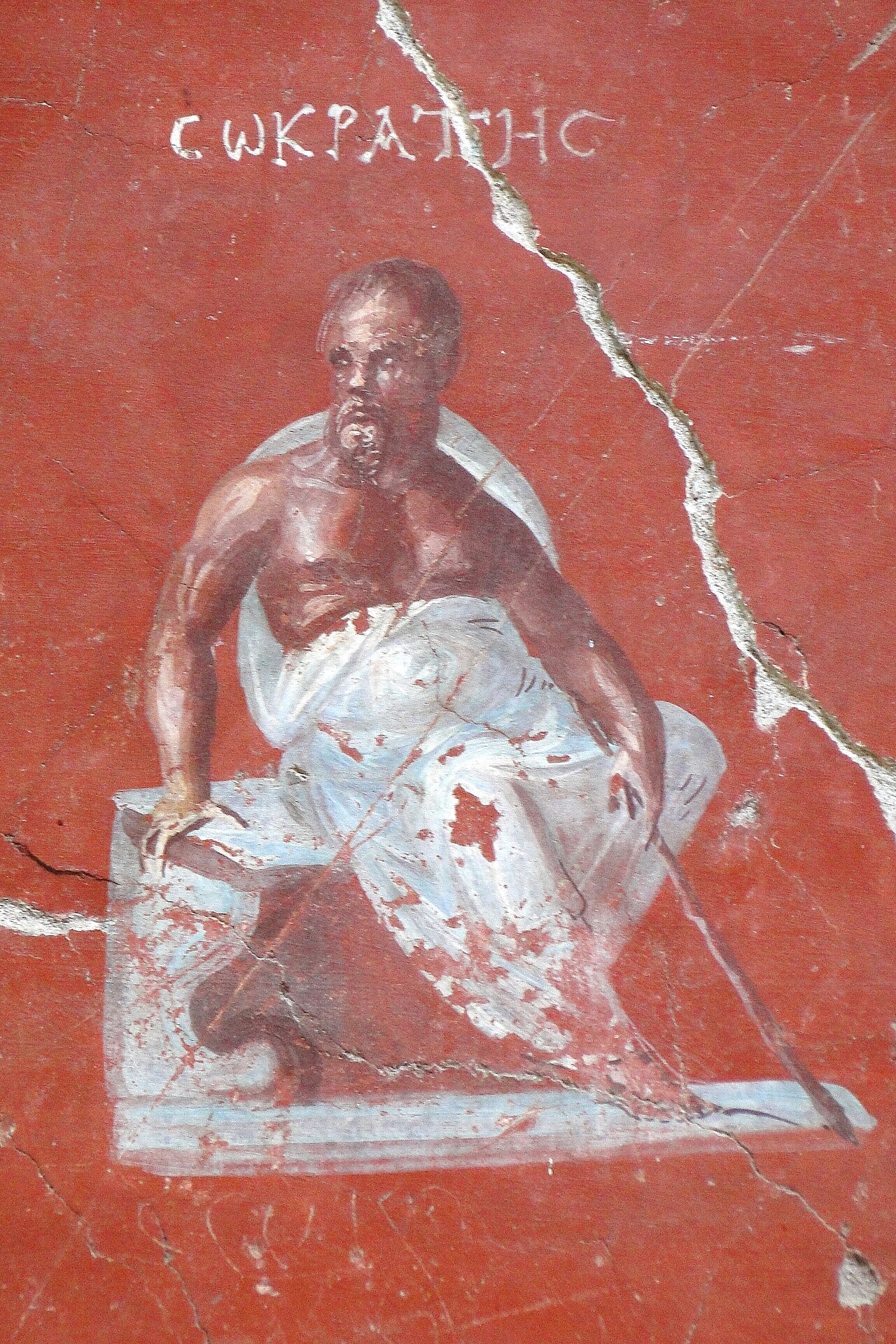
Fresco of Socrates from Ephesus
Unknown Roman painter · 1st century AD
A rare surviving ancient painted portrait of Socrates, labelled with his name, found in a Roman house in Ephesus.
This labelled fresco shows how Socrates' image was reproduced and displayed in private homes long after his death.
About this source
What it is
This fresco, painted by an unknown Roman artist in the 1st century AD, shows a seated bearded man with bare upper body and draped cloth, labelled above with the Greek lettering 'SOKRATES'. It was found in a Roman house in Ephesus and is now held at the Ephesus Archaeological Museum in Selçuk, Turkey.
Why it matters
Painted portraits of ancient figures rarely survive, since most ancient images come down to us as sculpture. This fresco is a rare case of a painted Socrates, made centuries after his death but clearly labelled with his name, showing how his image continued to be reproduced and displayed in private homes across the Roman world, far from Athens.
Look closer
- Why do you think the painter labelled the figure with his name?
- What does it suggest that a portrait of a Greek philosopher was found in a private house so far from Athens?
- How does the cracked and worn condition of the fresco affect what we can learn from it today?
This painting is part of the curated material that grounds the AI version of Socrates on Humy.ai — when students ask about related events, the AI can quote it and cite it.
More Socrates sources
Meet the AI Socrates →Secondary source
Apology
Plato · c. 395 BC
 Painting
Secondary source
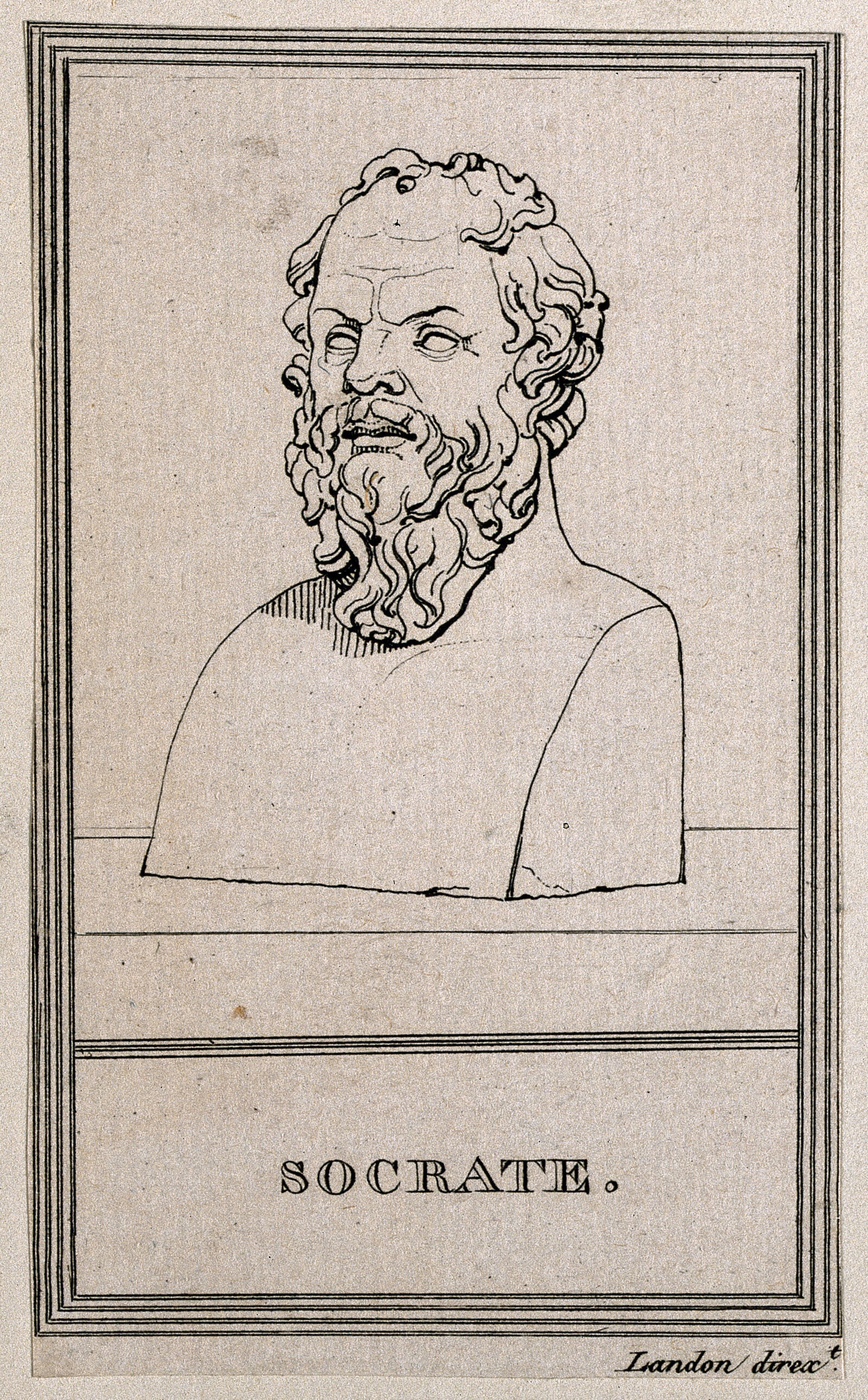
Line Engraving of Socrates by Landon
Charles Paul Landon
 Book
Secondary source
Crito
Plato · c. 400 BC
 Painting
Secondary source
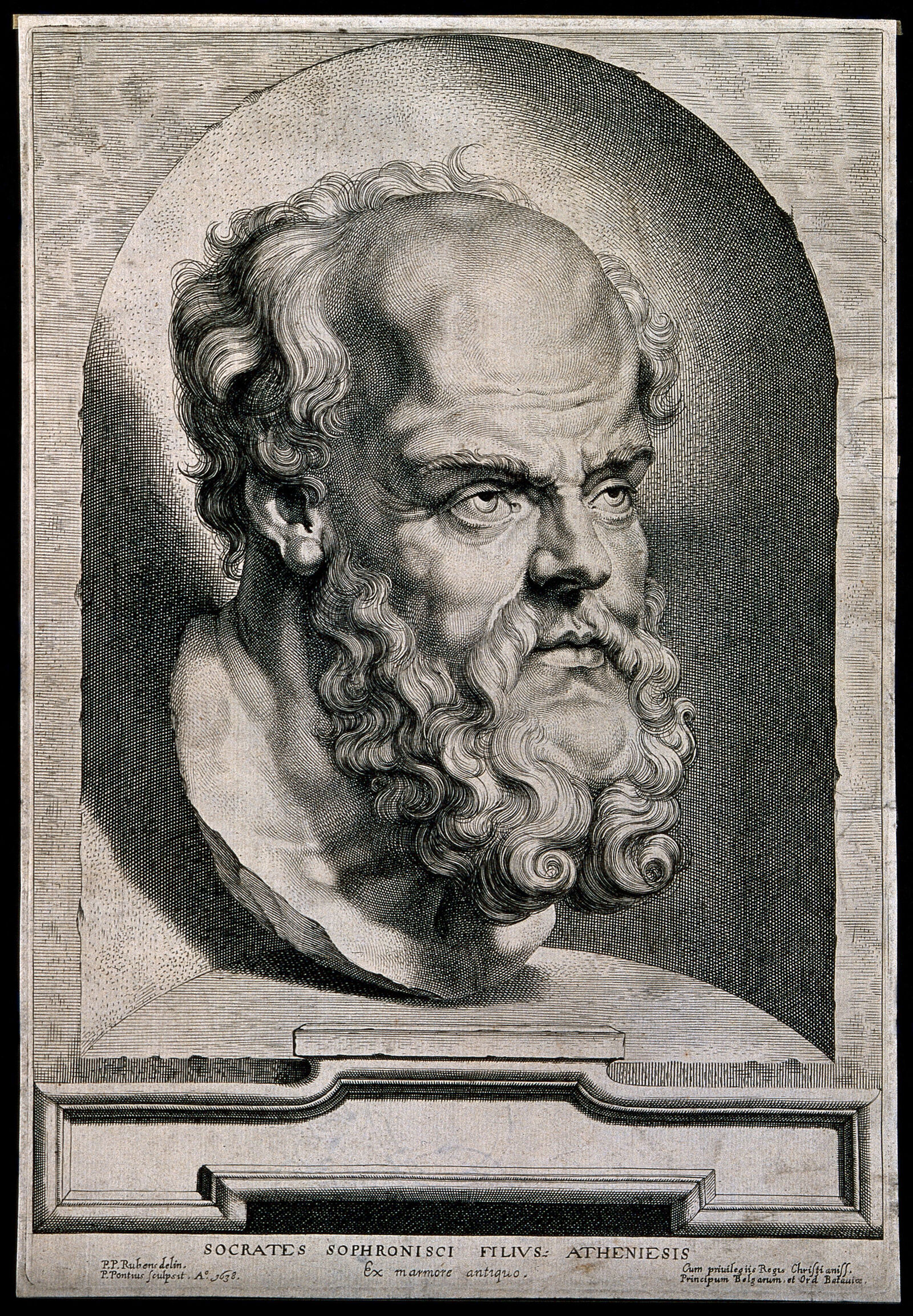
Socrates Engraving after Rubens by Pontius
Peter Paul Rubens · 1638
 Photograph
Secondary source
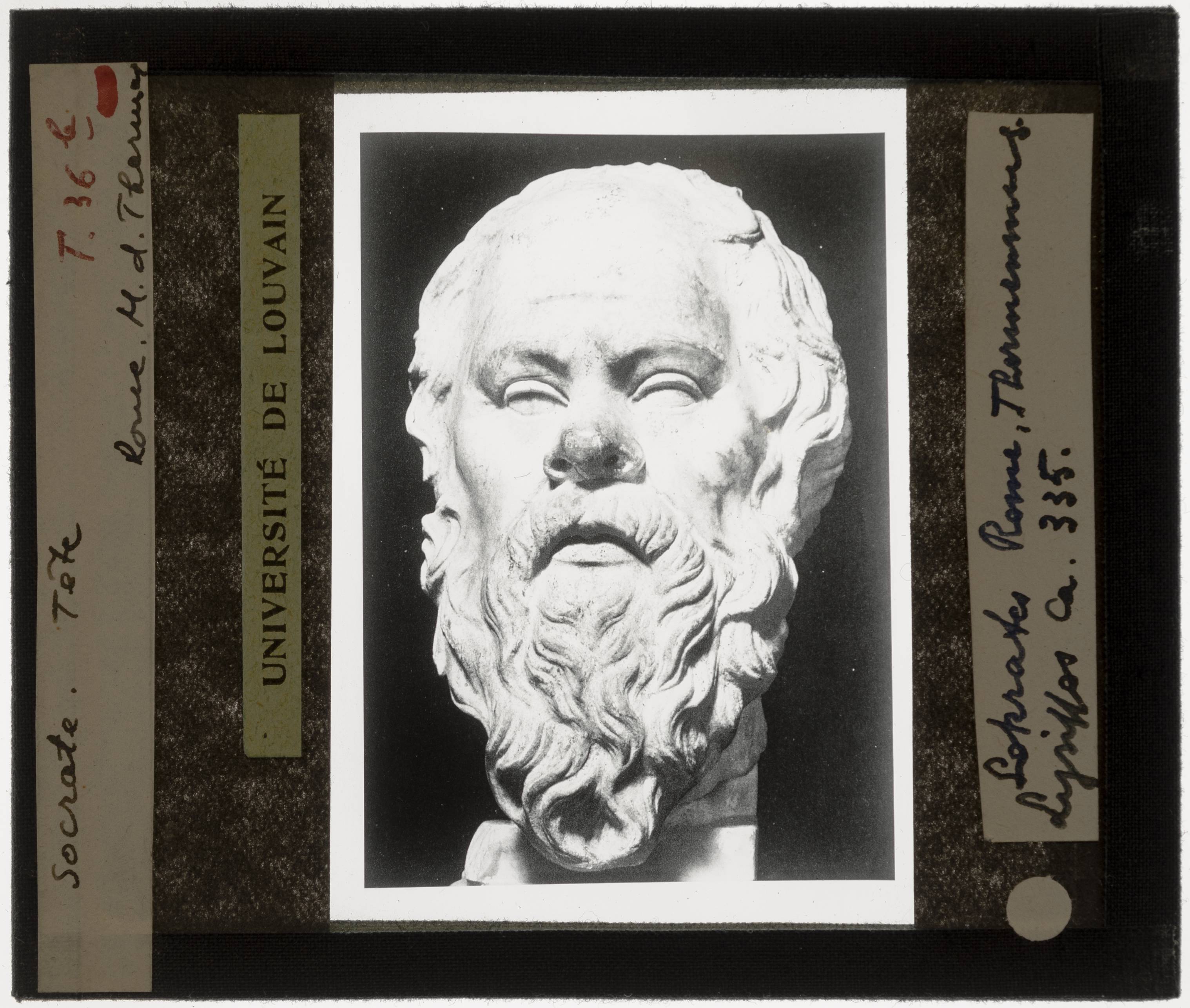
Roman Marble Bust of Socrates
between 1839 and 1939
Ready when you are
Start chatting with Socrates now.
20 messages free · No credit card · Available in 50+ languages.