


Tertiary sourcePainting1890
Frontispiece of Epictetus from Discourses
Giuseppe Rossi · 1890
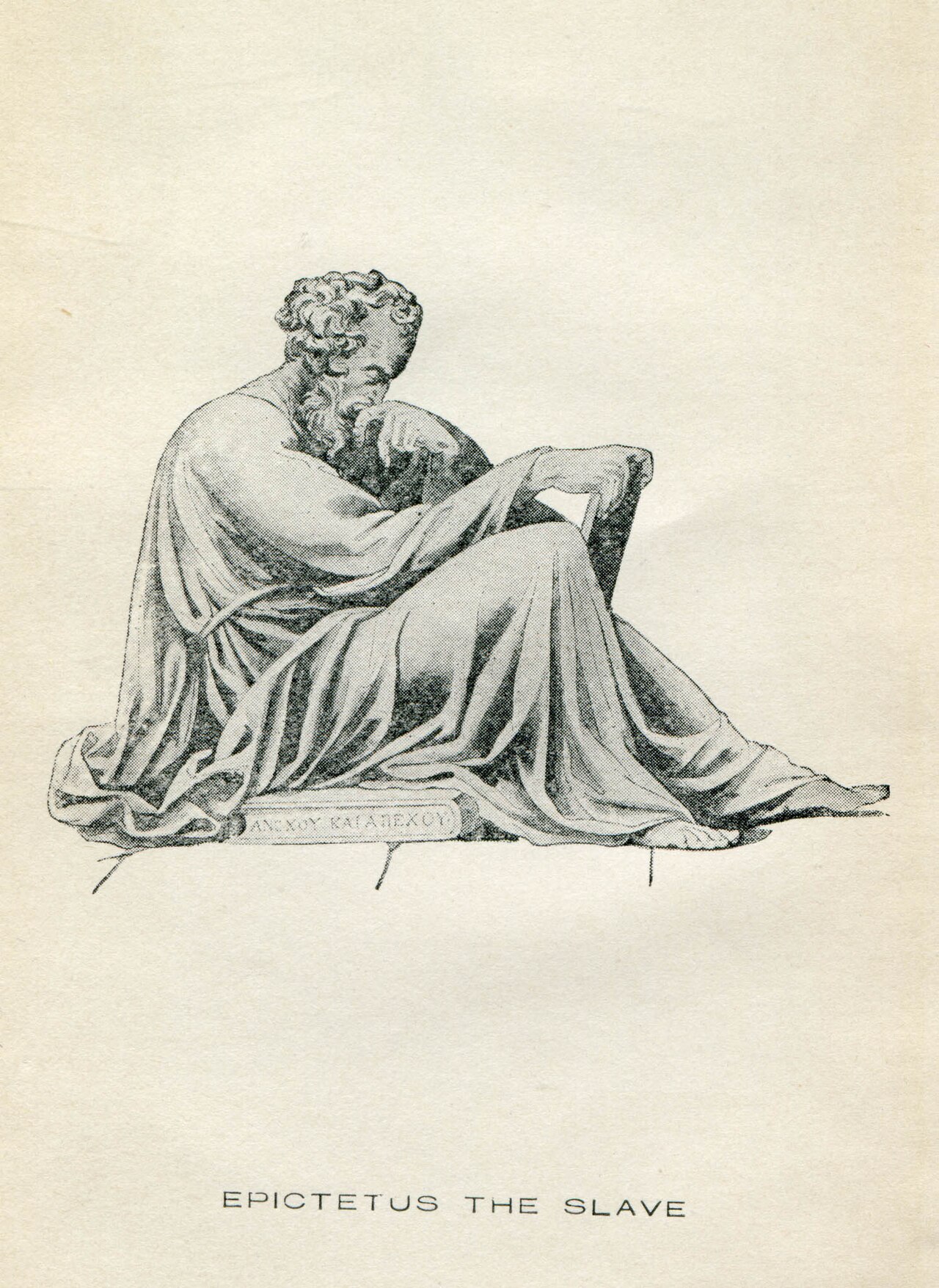
A 19th-century engraved imagining of Epictetus, captioned 'Epictetus the Slave', based on a painting by Giuseppe Rossi.
An imagined 19th-century portrait of Epictetus, since no image from his own lifetime exists.
About this source
What it is
This is a black-and-white engraved frontispiece from an 1890 edition of a selection from the Discourses of Epictetus, published by Henry Altemus in Philadelphia. It shows a seated, bearded man in loose robes, resting his chin on his hand, with Greek lettering on the base and the caption 'EPICTETUS THE SLAVE'. It is reportedly based on a painting by the 19th-century artist Giuseppe Rossi.
Why it matters
No portrait of Epictetus survives from his own lifetime, so all later images are imagined reconstructions. This one, made over a thousand years after his death, reflects how 19th-century publishers wanted to present him: as a thoughtful, dignified former slave, emphasizing his life story as much as his philosophy.
Look closer
- Since no real portrait of Epictetus exists, what choices did the artist make in imagining his appearance?
- Why do you think the caption emphasizes 'the Slave' rather than 'the Philosopher'?
- What might this image get wrong or oversimplify about who Epictetus really was?
This painting is part of the curated material that grounds the AI version of Epictetus on Humy.ai — when students ask about related events, the AI can quote it and cite it.
More Epictetus sources
Meet the AI Epictetus →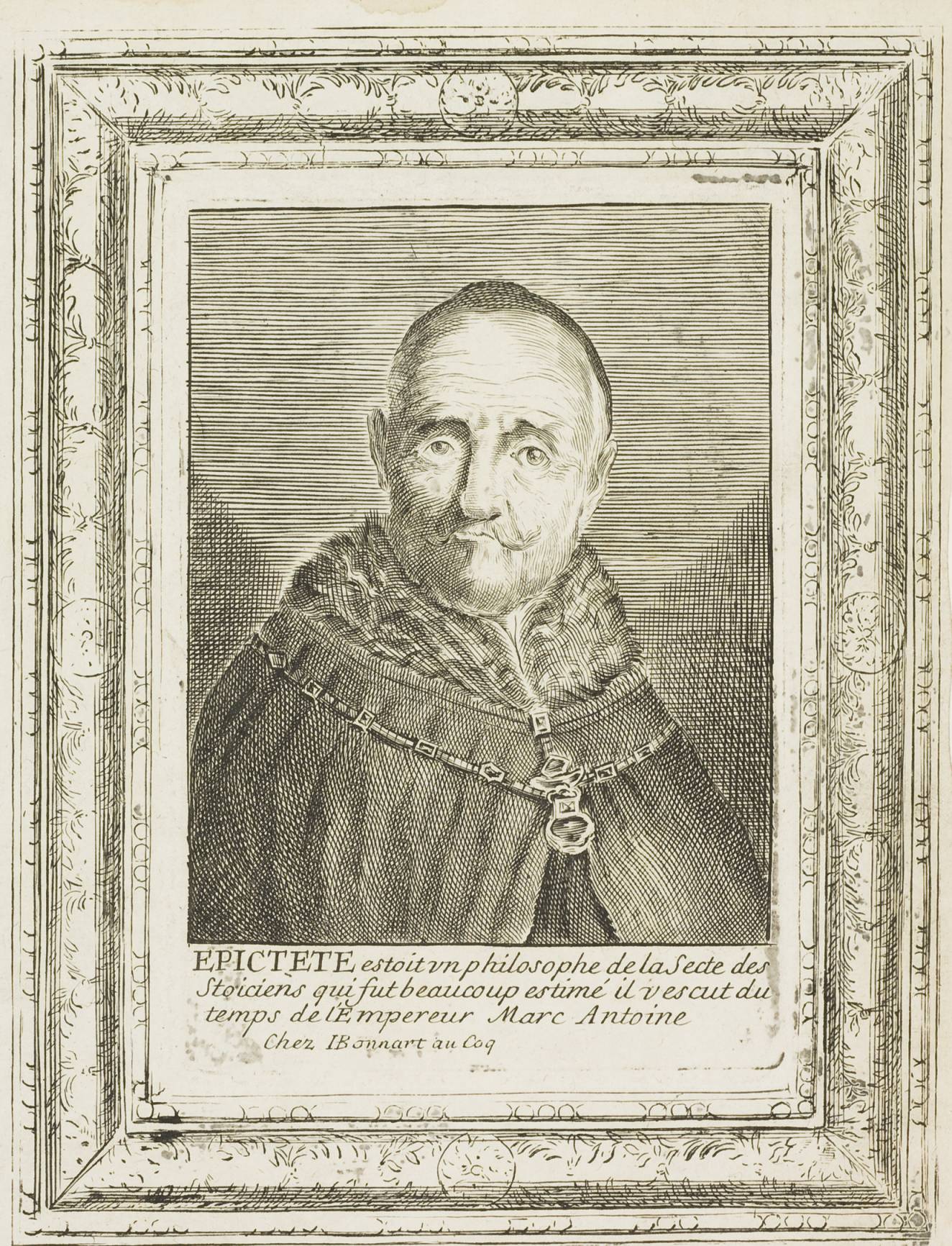 Painting
Secondary source
Epictete
Henri Bonnart · 17th century
 Book
Secondary source
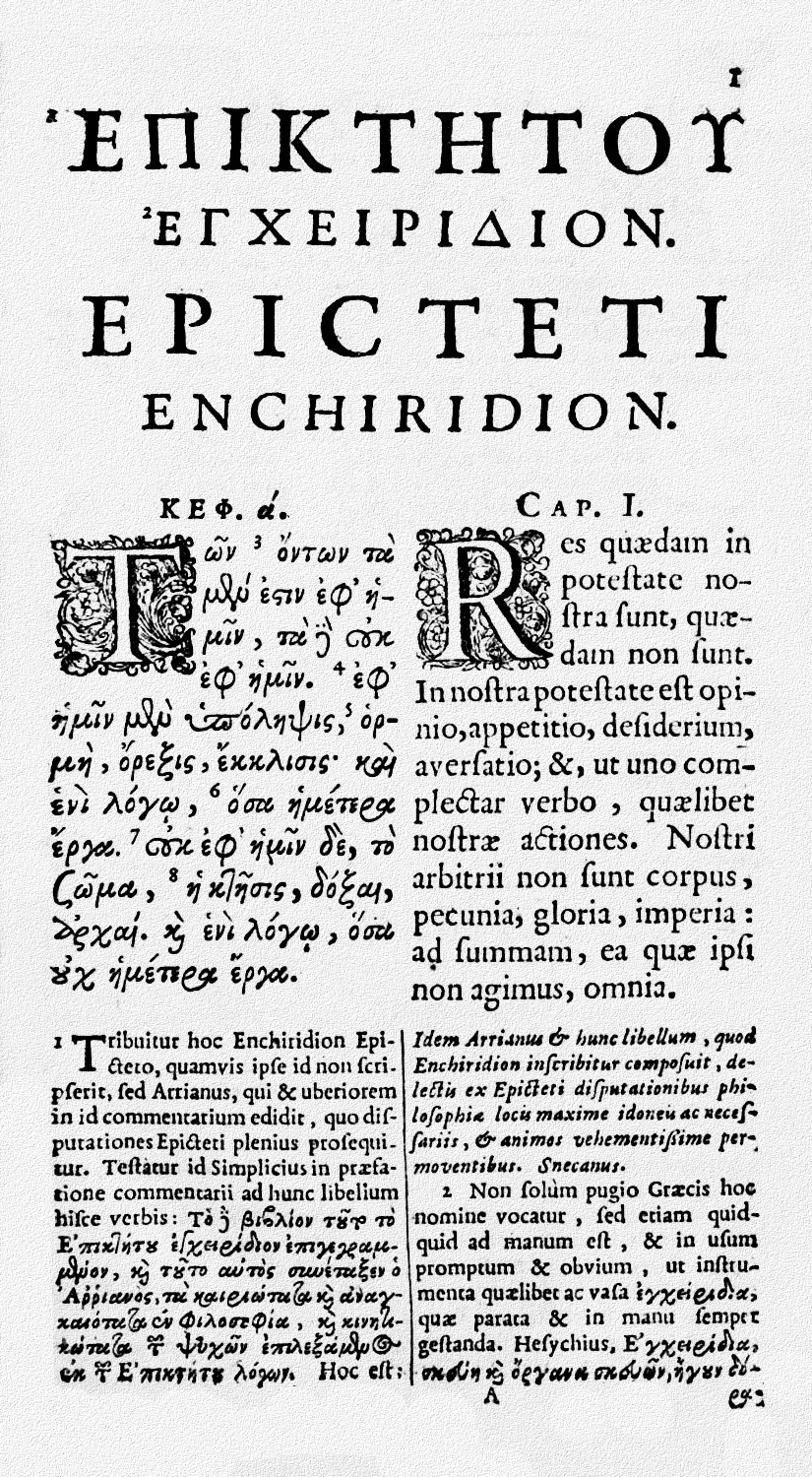
Enchiridion of Epictetus
Arrian · early 2nd century AD (this edition 1683)
 Book
Secondary source
Discourses of Epictetus
Arrian · c. 108 AD
 Painting
Secondary source
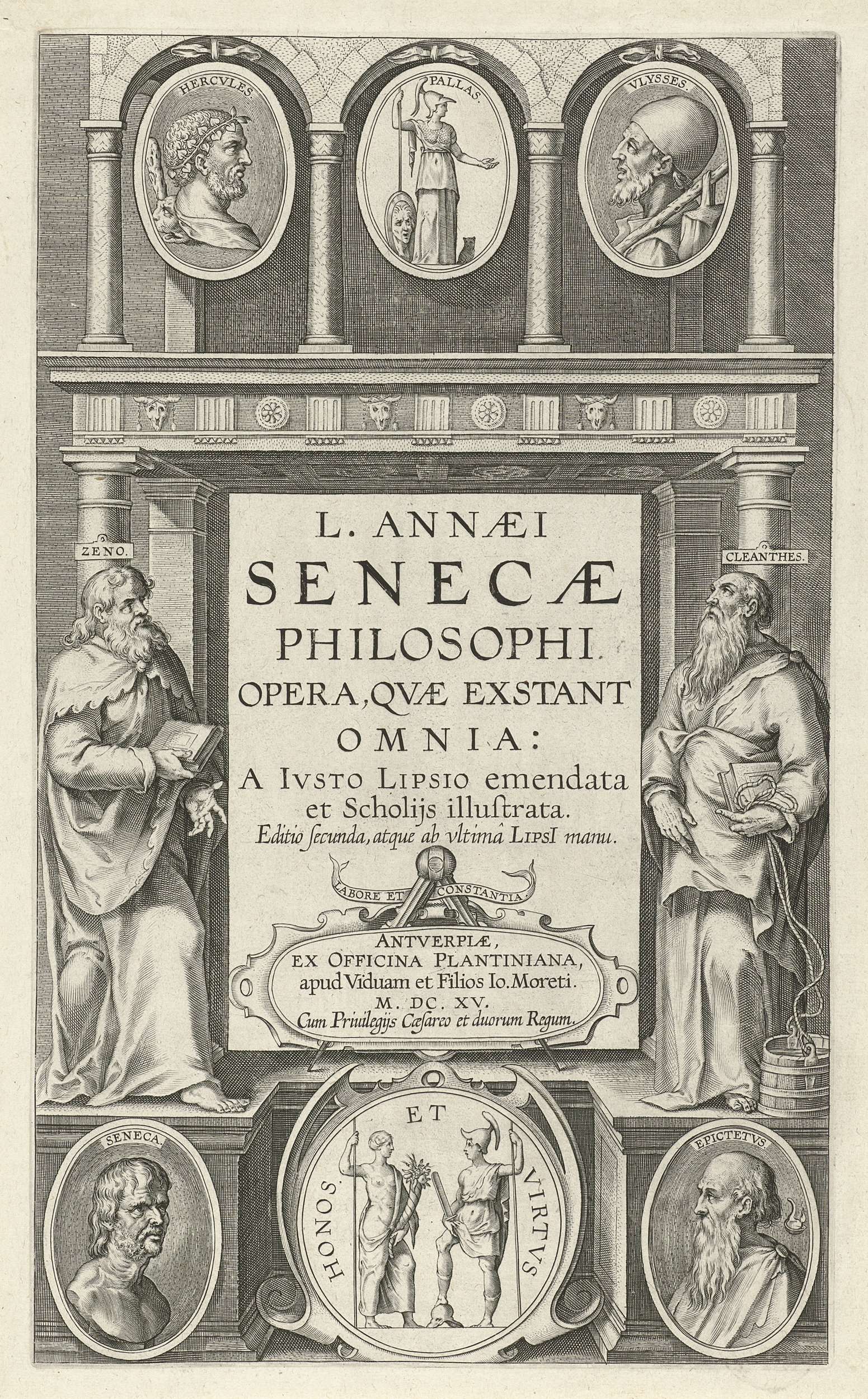
Title Page of L. Annaei Senecae Philosophi Opera
1615
DocumentSecondary source
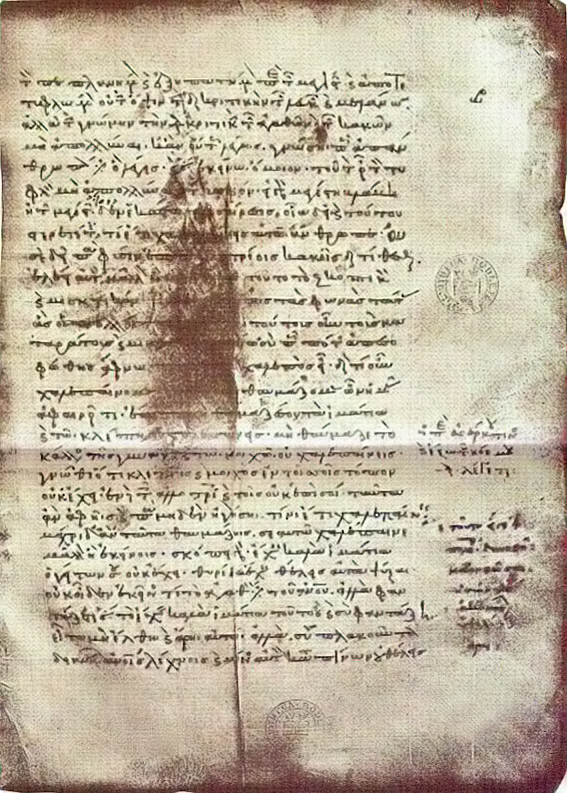
Codex Bodleianus
c. 11th-12th century
Ready when you are
Start chatting with Epictetus now.
20 messages free · No credit card · Available in 50+ languages.