


Primary sourceDocument1669
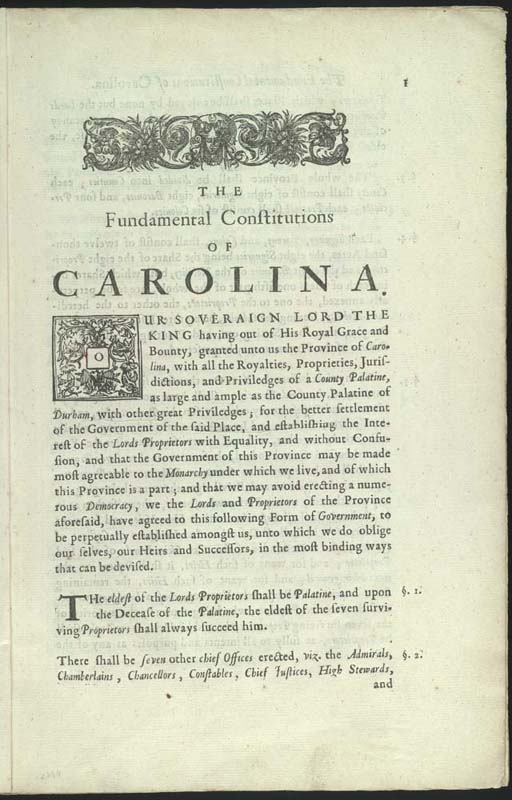
Fundamental Constitutions of Carolina
1669
A 1669 constitution for the colony of Carolina, drafted while Locke served as secretary to the Lords Proprietors, mixing religious toleration with hereditary nobility and slavery.
Locke, as secretary to Lord Shaftesbury, was involved in drafting this constitution that entrenched slavery in Carolina.
About this source
What it is
The Fundamental Constitutions of Carolina was a document setting out a system of government for the colony of Carolina, adopted by its eight Lords Proprietors in 1669. John Locke, then secretary to one of the proprietors, Anthony Ashley Cooper, Earl of Shaftesbury, was involved in drafting it.
Why it matters
The Constitutions tried to build a hierarchical society with hereditary nobility and non-unanimous juries, and it explicitly protected slaveholders' power over enslaved people, making Carolina the first English colony whose constitution directly sanctioned chattel slavery. Historians disagree about how much of the writing was Locke's own work rather than his patron Shaftesbury's, but the document is central to debates about the gap between Locke's philosophy of liberty and his practical involvement in colonial slavery.
Look closer
- What does it mean that a document promising religious toleration also protected slavery?
- Why might historians disagree about how much Locke himself shaped this text?
- What does this document leave out about the people it calls 'negro slaves' or 'natives'?
This document is part of the curated material that grounds the AI version of John Locke on Humy.ai — when students ask about related events, the AI can quote it and cite it.
More John Locke sources
Meet the AI John Locke →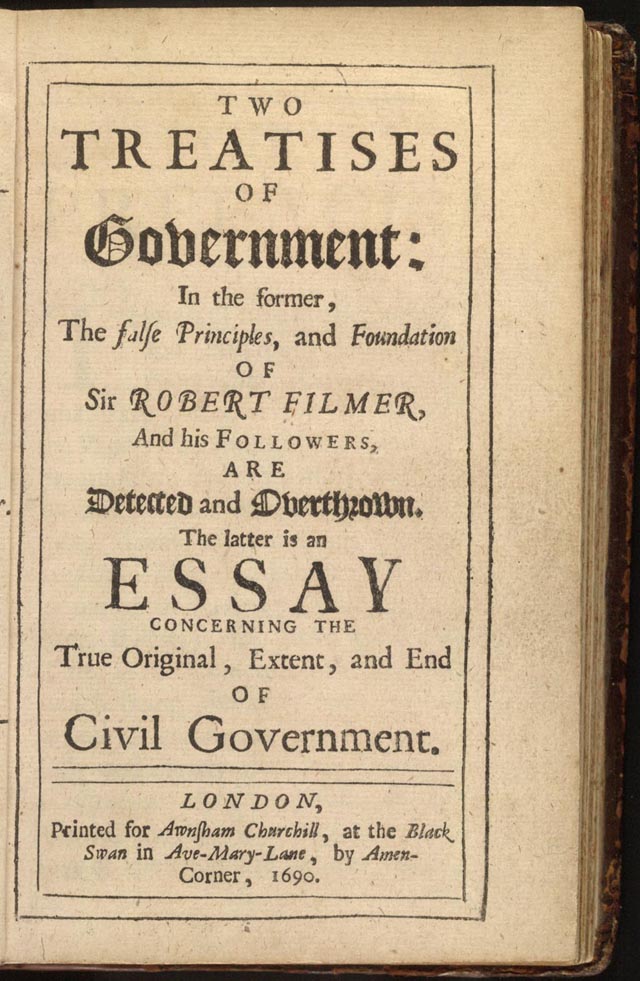 Book
Primary source
Two Treatises of Government
John Locke · 1689 (dated 1690)
 Book
Primary source
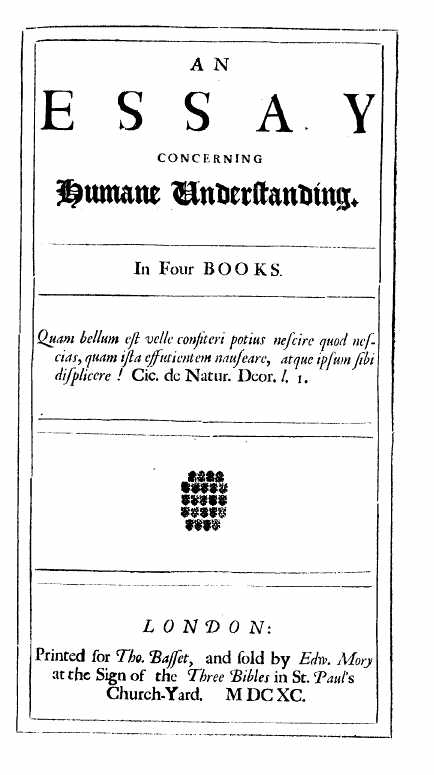
An Essay Concerning Human Understanding
John Locke · 1689 (dated 1690)
 Painting
Secondary source
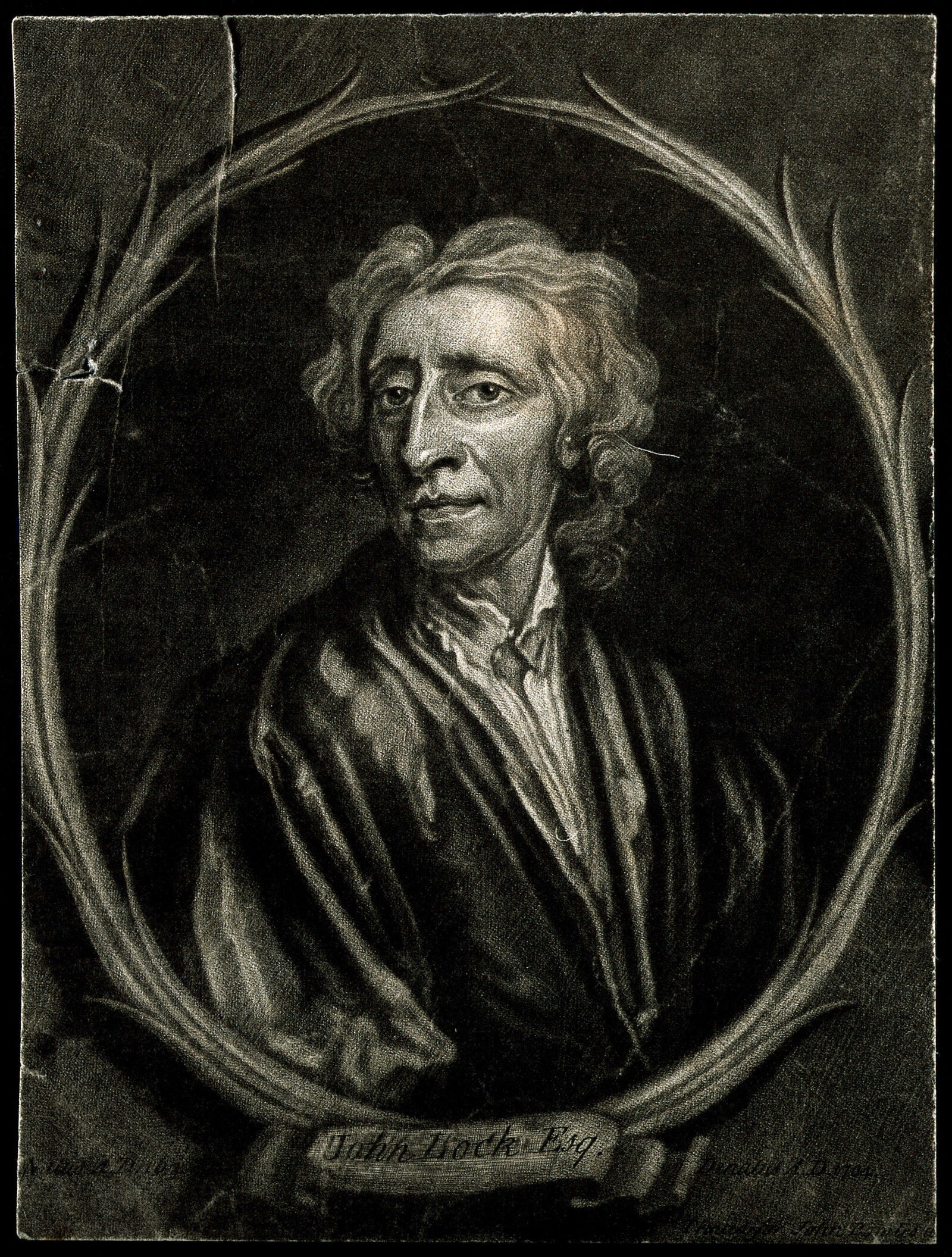
John Locke, Mezzotint after Godfrey Kneller
Godfrey Kneller
 Letter
Primary source
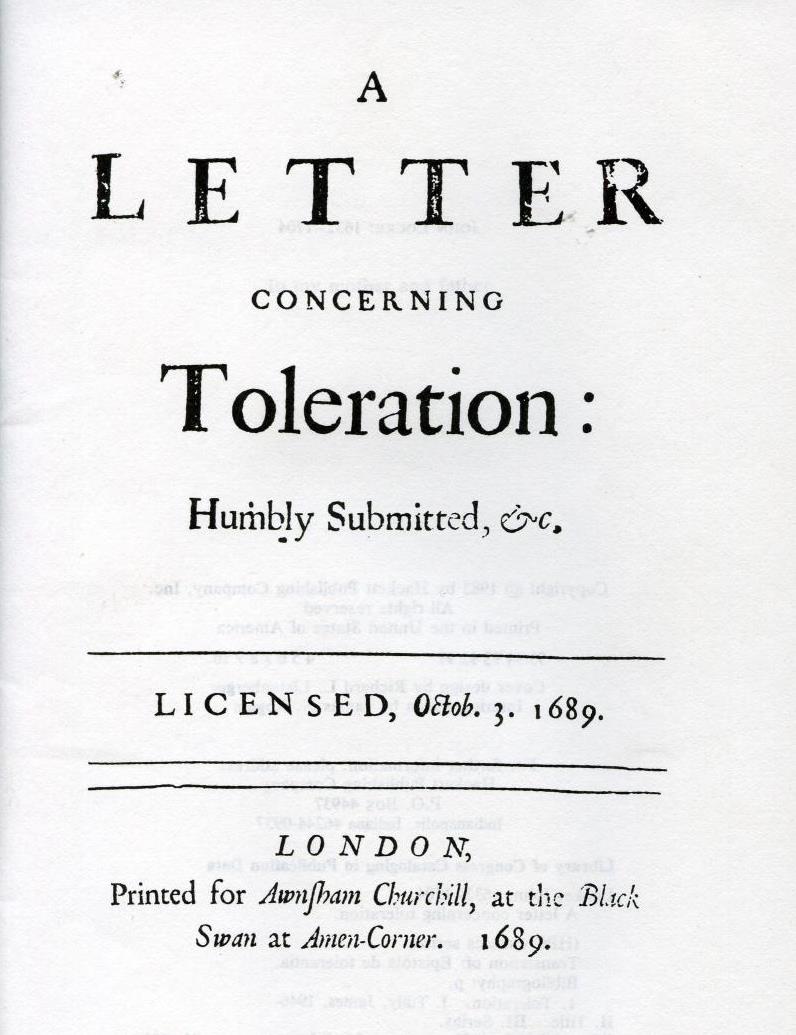
A Letter Concerning Toleration
John Locke · written 1685-1686, published 1689
 Painting
Secondary source
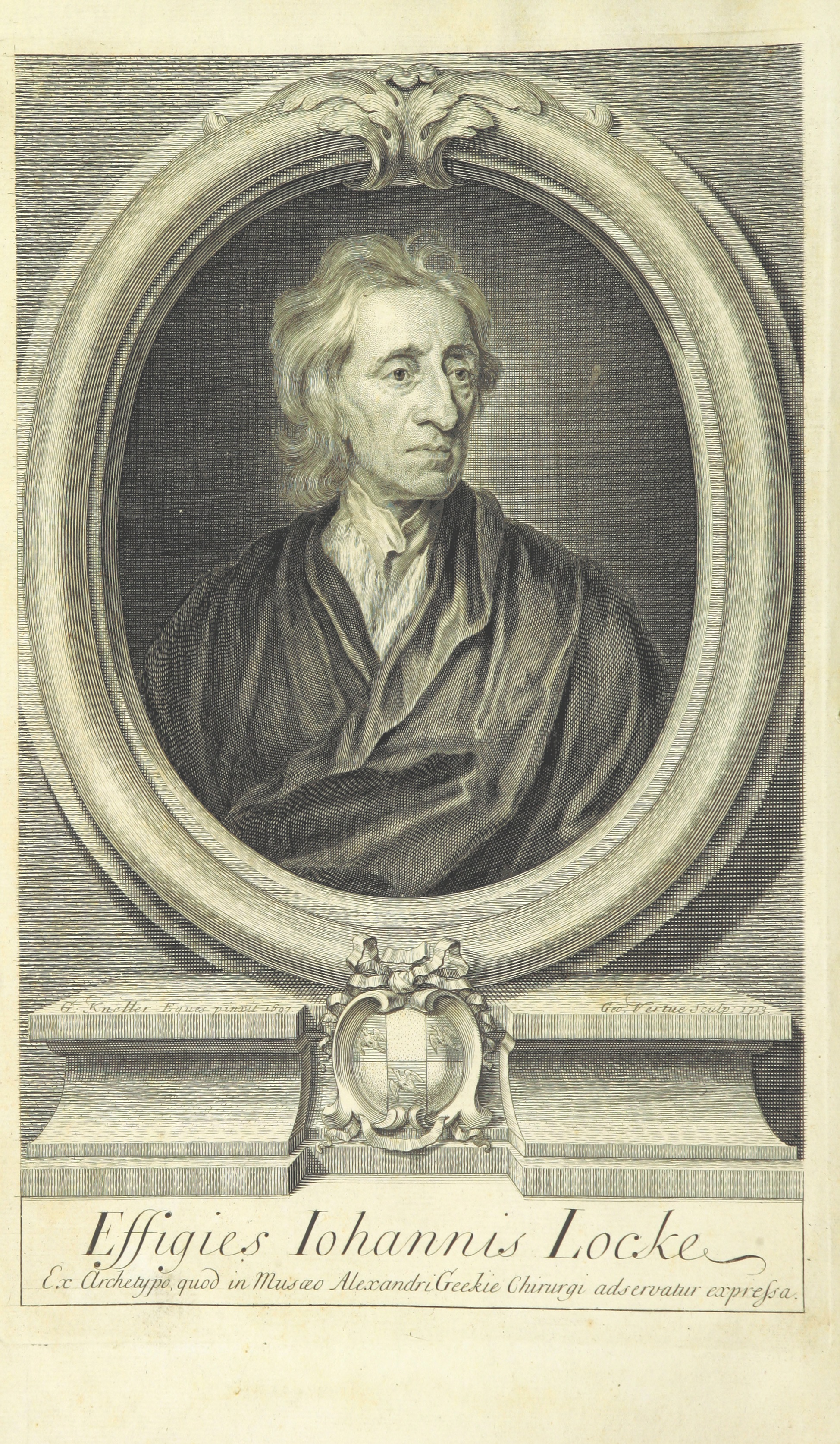
Portrait of John Locke, frontispiece to Works
George Vertue, after Sir Godfrey Kneller · 1722
Ready when you are
Start chatting with John Locke now.
20 messages free · No credit card · Available in 50+ languages.