


Primary sourceArtifact
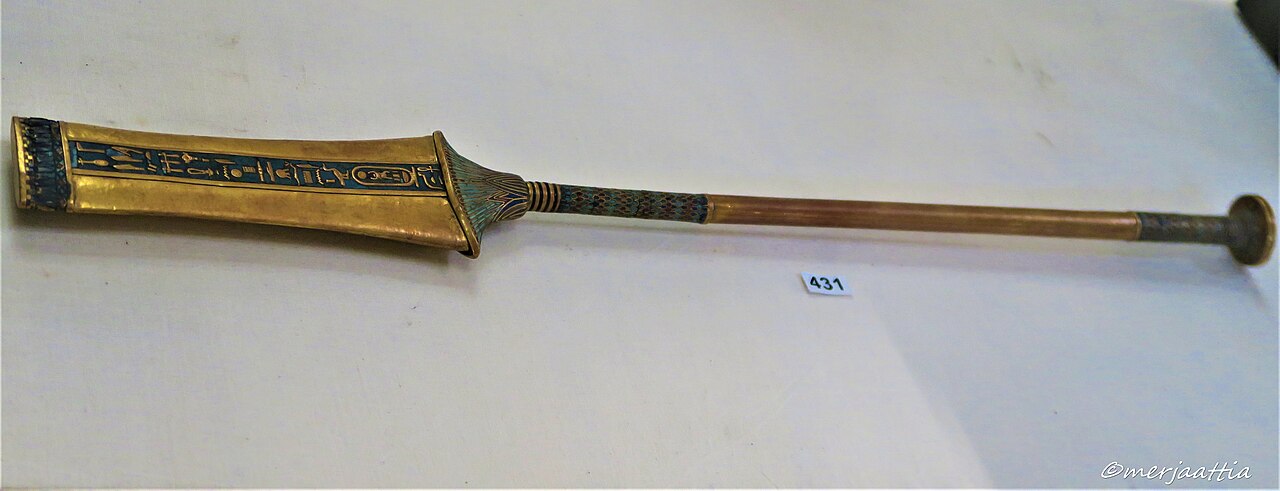
Gilded Sekhem Sceptre of Tutankhamun
A gilded wooden ritual sceptre inscribed with Tutankhamun's cartouche, found in the annex of his tomb and now in the Cairo Museum.
This sceptre, inscribed with Tutankhamun's cartouche, was buried with him as part of his royal burial equipment.
About this source
What it is
This photograph shows a gilded wooden sekhem sceptre found in the annex of Tutankhamun's tomb. The sceptre is made of gilded gold, glass, wood, turquoise and lapis lazuli, and is inscribed with Tutankhamun's cartouche, a symbol marking his royal name. It is held in the Egyptian Museum in Cairo under catalogue number JE61759.
Why it matters
Ritual sceptres like this one were part of the equipment buried with pharaohs for use in ceremonies and the afterlife. The inscription naming Tutankhamun directly ties the object to him, making it clear evidence of objects prepared specifically for his burial and his royal identity.
Look closer
- Why might a cartouche inscription be important for identifying who an object belonged to?
- What materials are used in the sceptre, and what might that suggest about its value?
- Why do you think this object was placed in a side room (the annex) rather than the main burial chamber?
This artifact is part of the curated material that grounds the AI version of Tutankhamun on Humy.ai — when students ask about related events, the AI can quote it and cite it.
More Tutankhamun sources
Meet the AI Tutankhamun →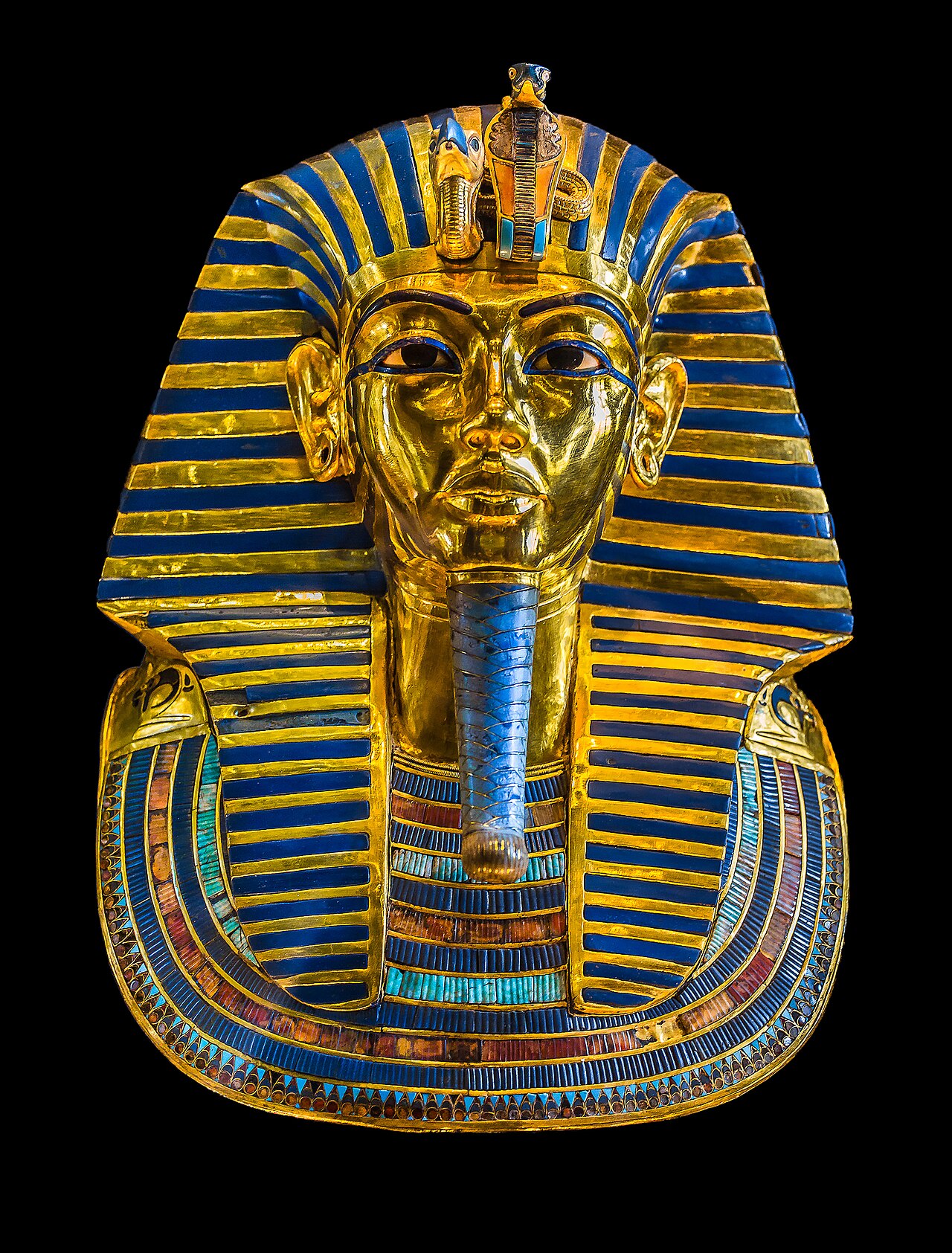 Artifact
Primary source
Mask of Tutankhamun
c. 1333 BCE
 Photograph
Primary source
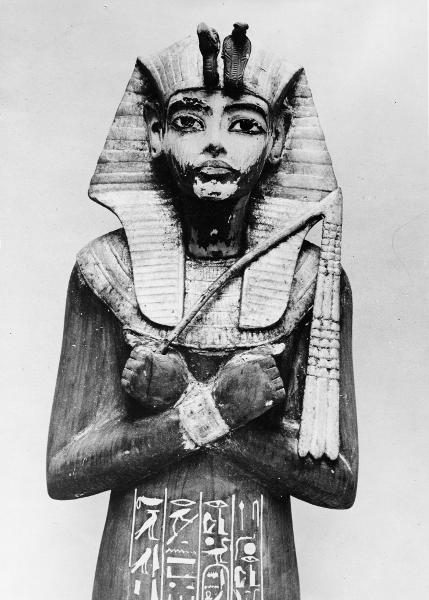
Photograph of Tutankhamun's Shawabti Figure
Harry Burton · 1920s
 Artifact
Primary source
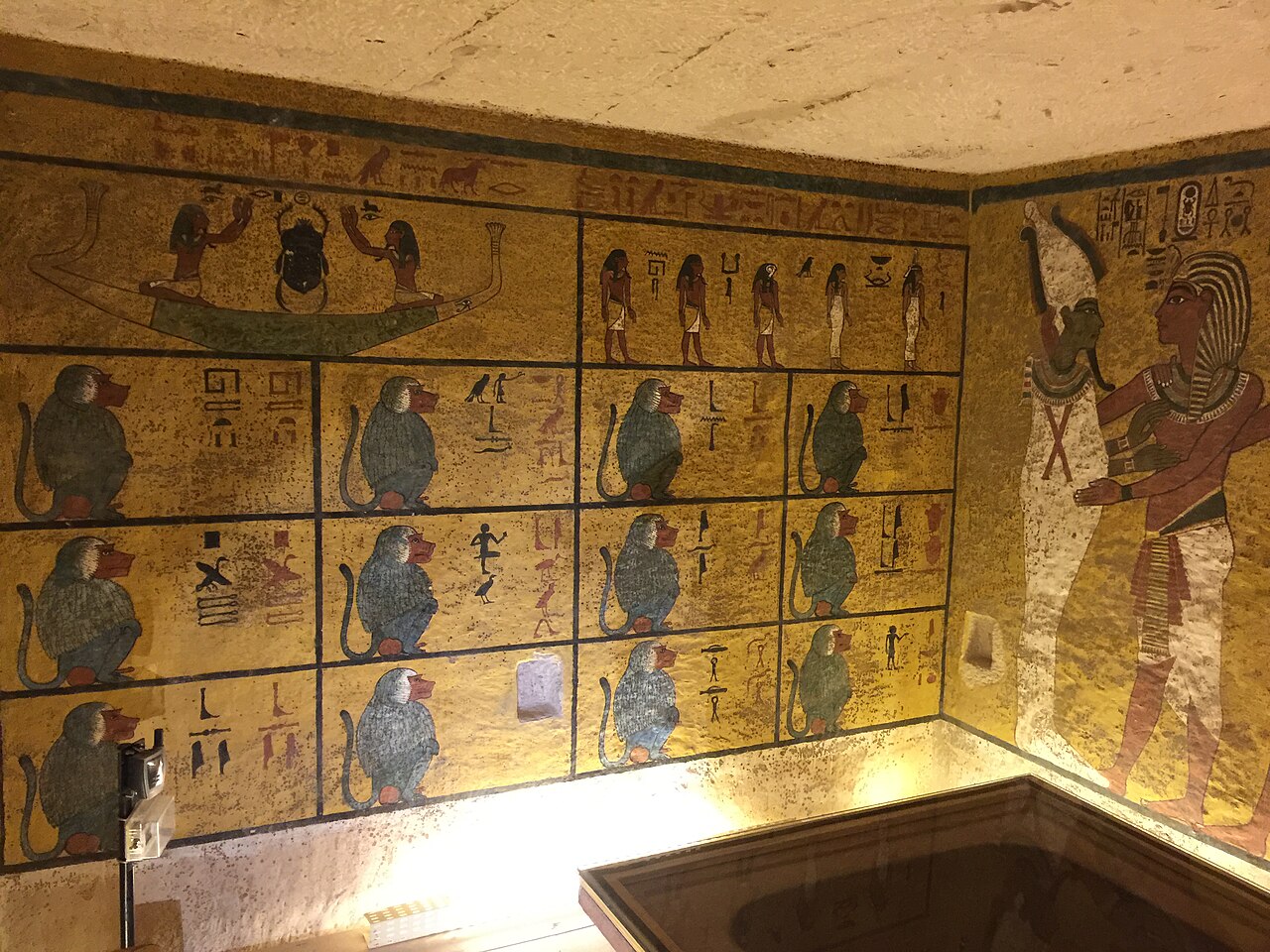
Tomb of Tutankhamun
14th century BCE
 Photograph
Primary source
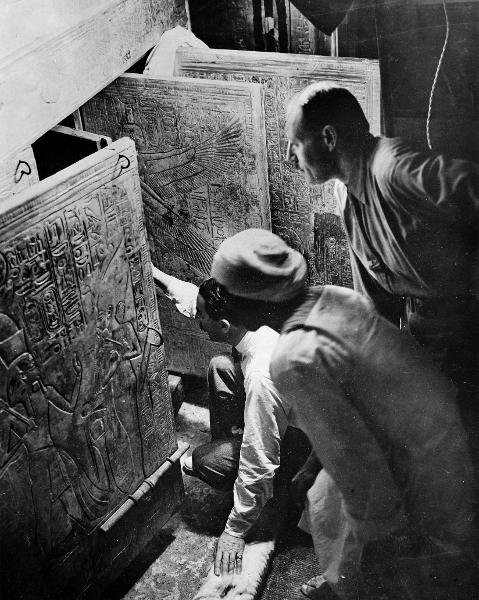
Opening the Doors of the Fourth Shrine in Tutankhamun's Tomb
Harry Burton · 1920s
 Document
Primary source
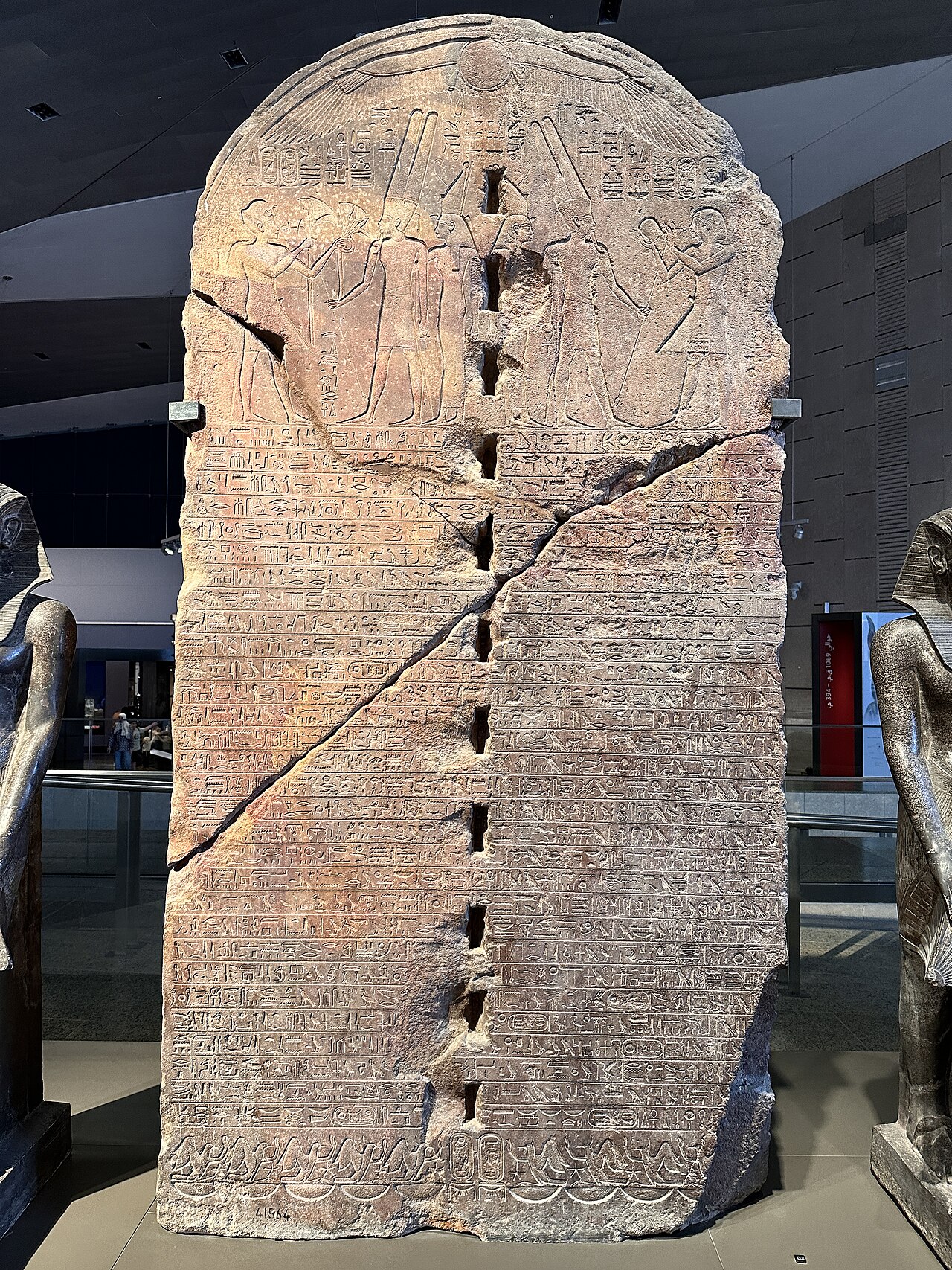
Restoration Stela
Tutankhamun · c. 1326 BCE
Ready when you are
Start chatting with Tutankhamun now.
20 messages free · No credit card · Available in 50+ languages.