


Secondary sourcePhotograph
Gilded Wooden Bust of Tutankhamun
Jean-Pierre Dalbéra
A gilded wooden bust of Tutankhamun wearing the royal nemes headdress, found in his tomb and now in the Cairo Museum.
This gilded bust depicts Tutankhamun and was found among the treasures of his tomb.
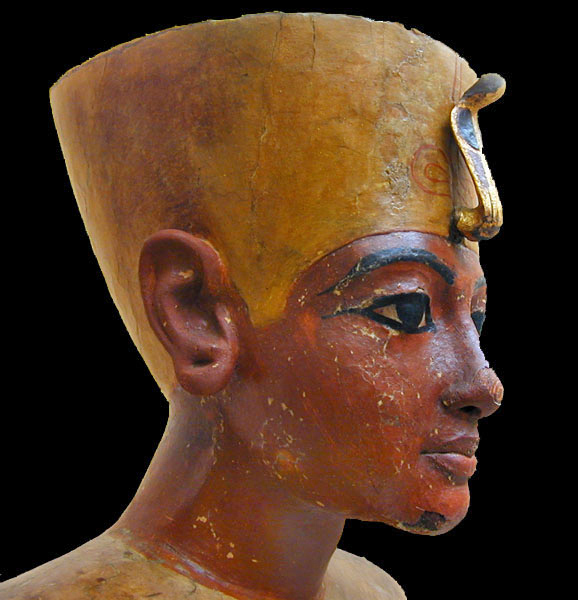
About this source
What it is
This photograph shows a gilded and painted wooden bust depicting Tutankhamun, wearing the royal nemes headdress with a gold uraeus cobra at the brow. It was one of several such busts found in his tomb, discovered by Howard Carter in November 1922, and is now kept in the Egyptian Museum in Cairo.
Why it matters
Tutankhamun died young, and his burial included an extraordinary array of treasures: a mummy in a solid gold coffin nested inside further coffins, a stone sarcophagus, and gilded shrines. Busts like this one show how pharaohs were represented with symbols of royal and divine power, even in death.
Look closer
- What does the headdress and cobra symbol tell us about how pharaohs wanted to be shown?
- Why might several busts of the same pharaoh have been placed in his tomb?
- What might the choice of gold and careful craftsmanship suggest about beliefs in the afterlife?
This photograph is part of the curated material that grounds the AI version of Tutankhamun on Humy.ai — when students ask about related events, the AI can quote it and cite it.
More Tutankhamun sources
Meet the AI Tutankhamun →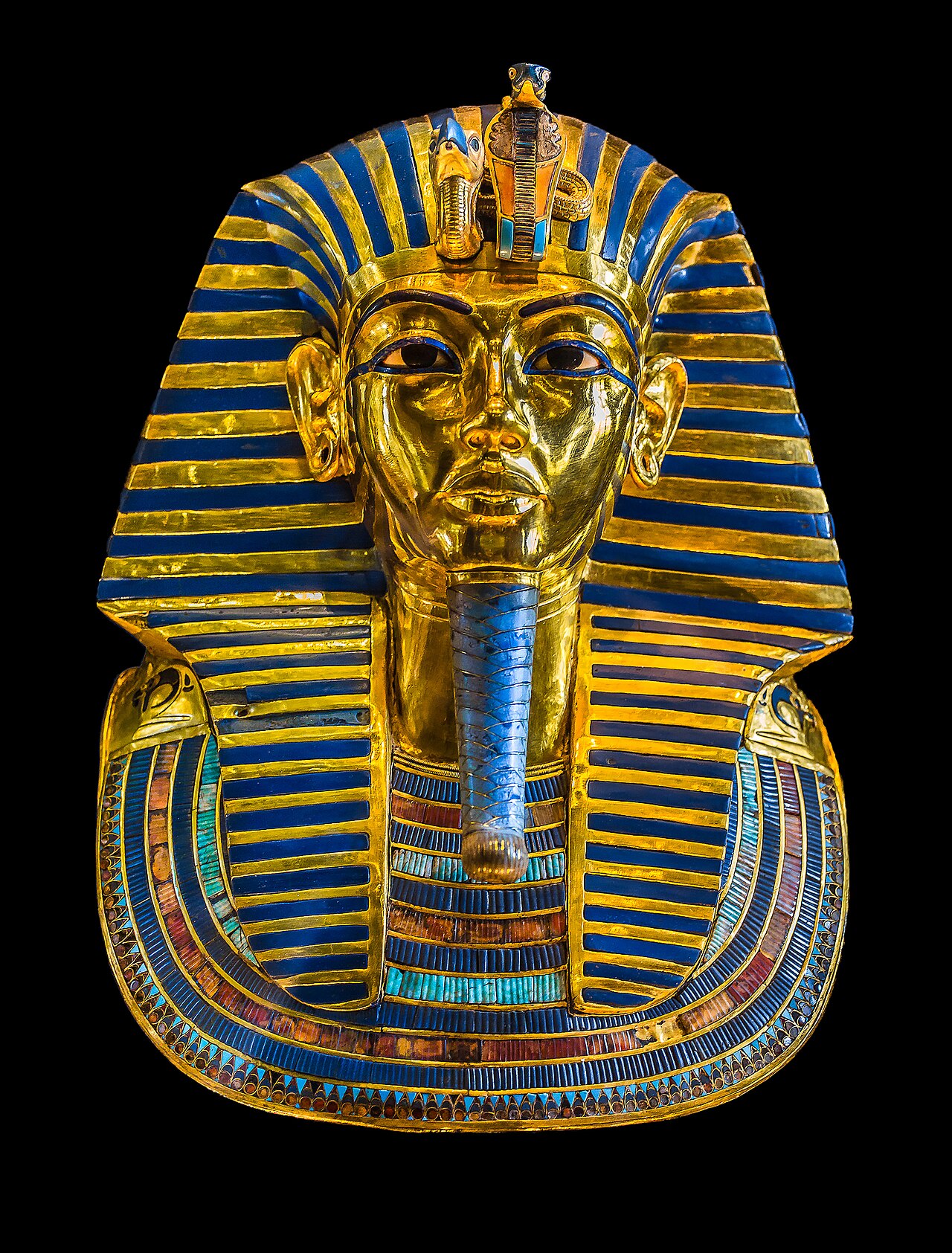 Artifact
Primary source
Mask of Tutankhamun
c. 1333 BCE
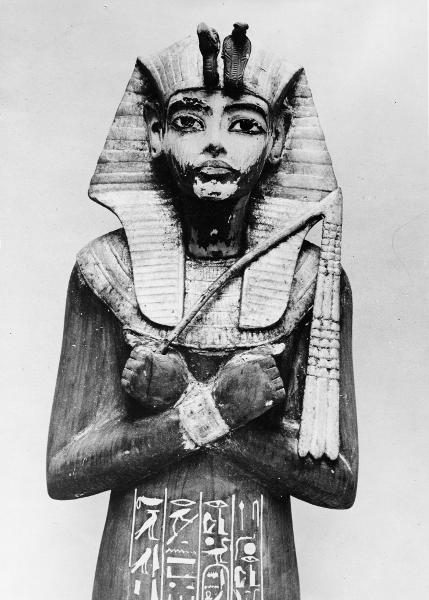 Photograph
Primary source
Photograph of Tutankhamun's Shawabti Figure
Harry Burton · 1920s
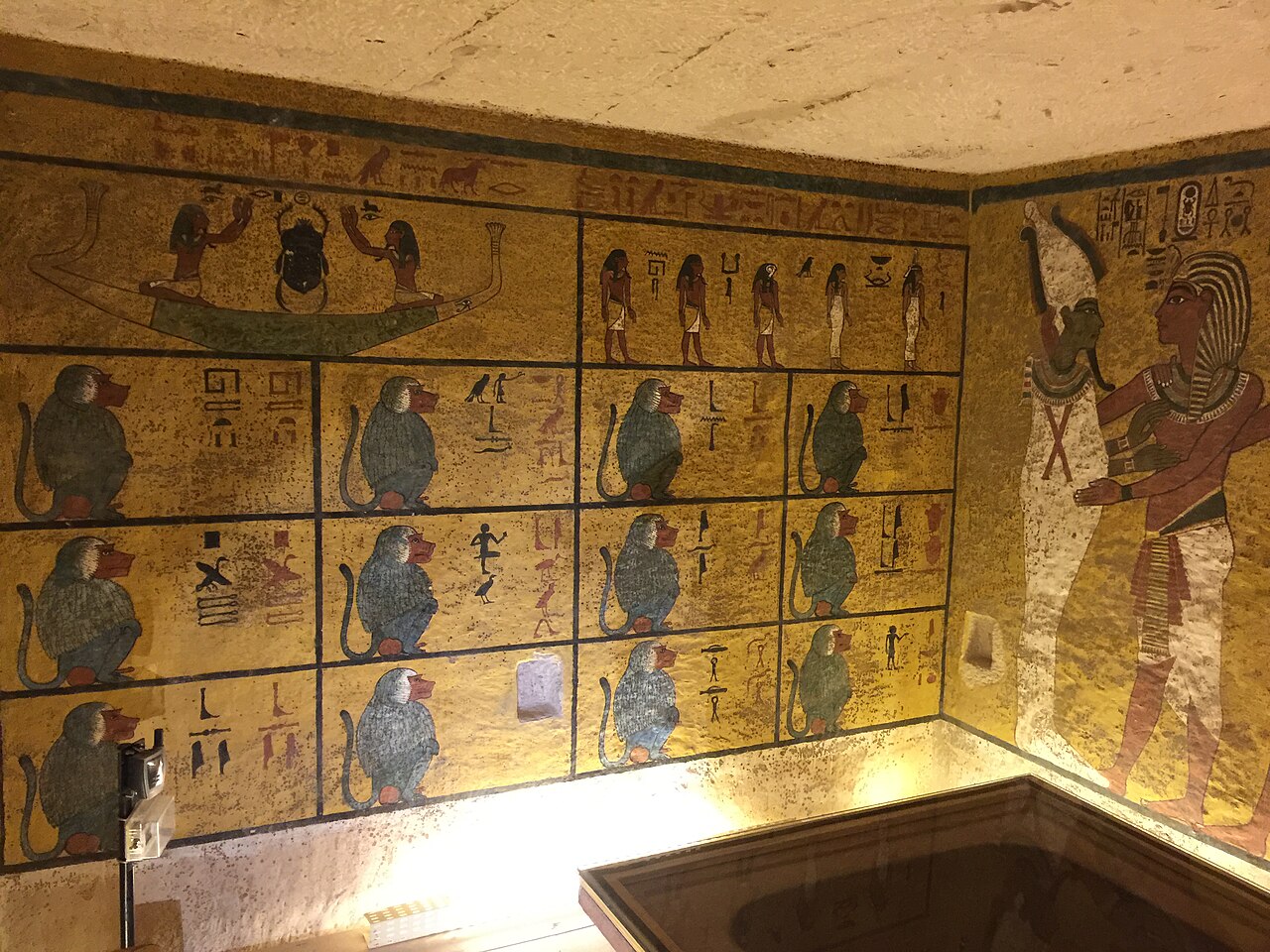 Artifact
Primary source
Tomb of Tutankhamun
14th century BCE
 Photograph
Primary source
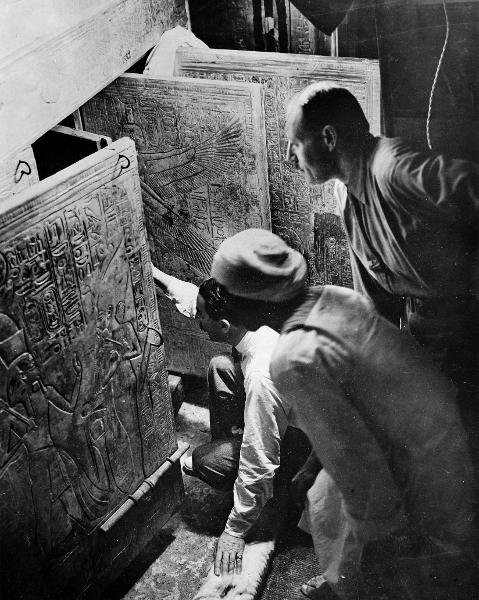
Opening the Doors of the Fourth Shrine in Tutankhamun's Tomb
Harry Burton · 1920s
 Document
Primary source
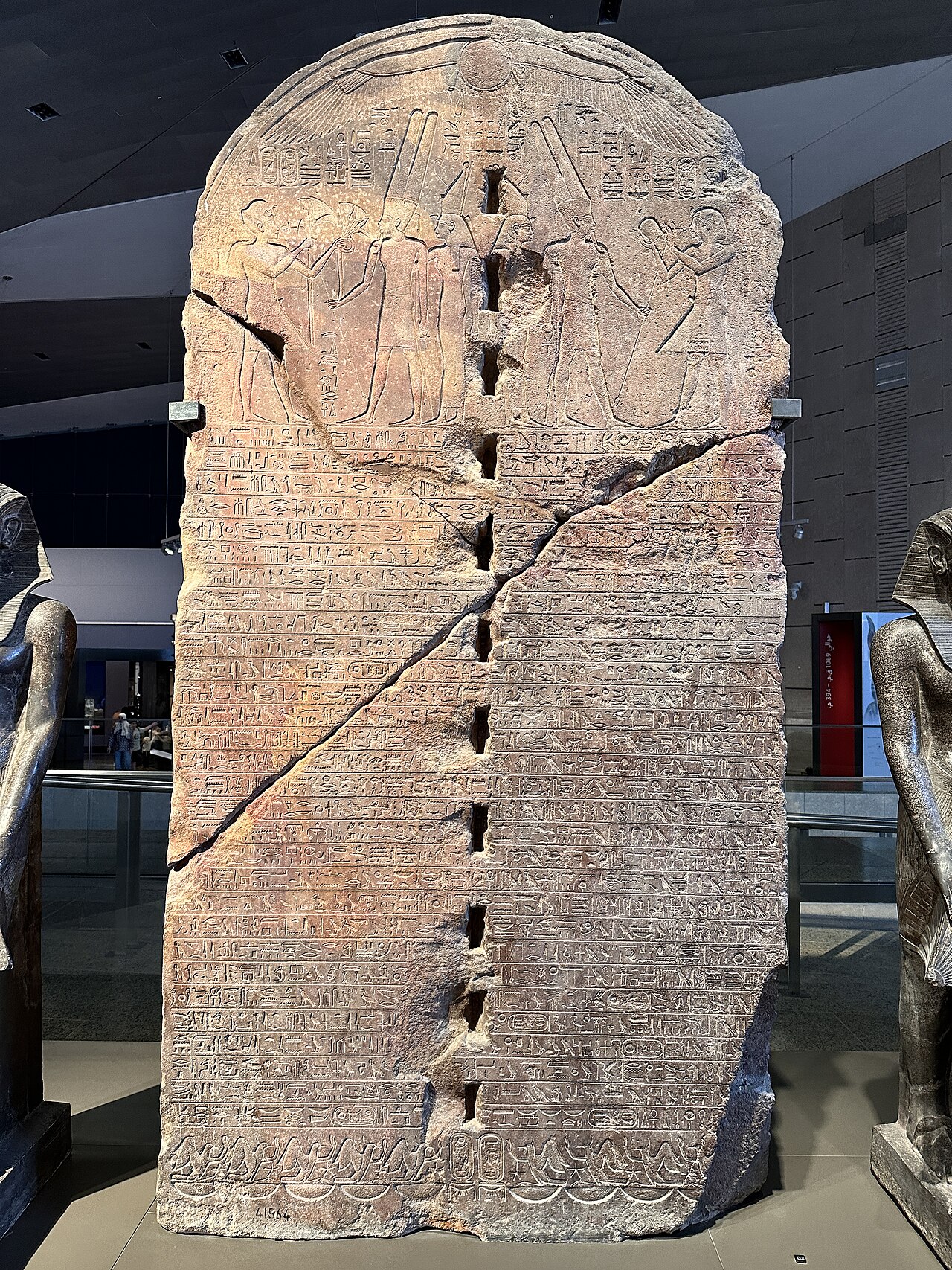
Restoration Stela
Tutankhamun · c. 1326 BCE
Ready when you are
Start chatting with Tutankhamun now.
20 messages free · No credit card · Available in 50+ languages.