


Primary sourcePainting1810
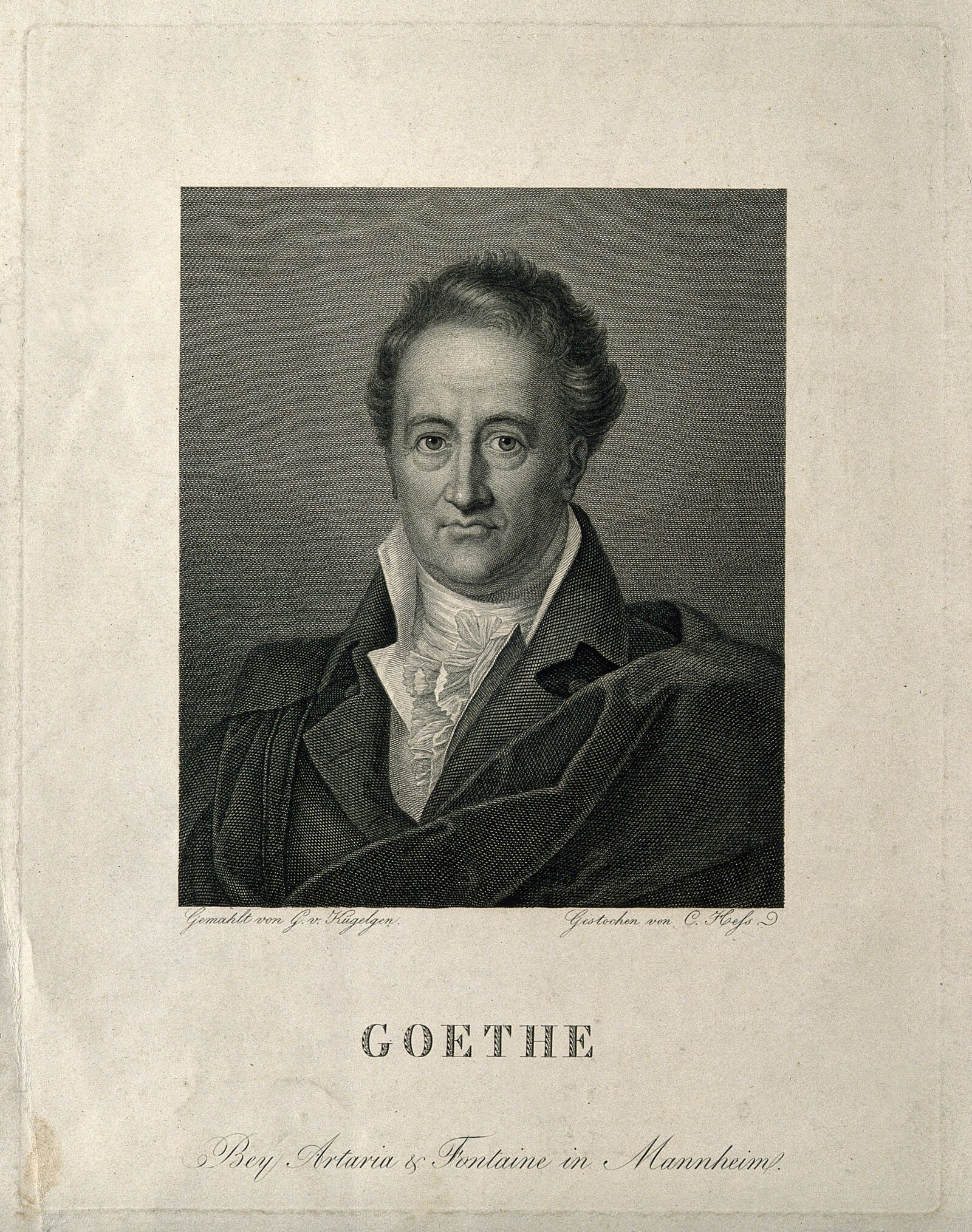
Goethe Line Engraving after Kügelgen, 1810
C. Hess after Gerhard von Kügelgen · 1810
An engraving of Goethe based on a 1810 portrait painted by Gerhard von Kügelgen, made during Goethe's lifetime.
This engraving reproduces a painted portrait of Goethe made during his lifetime, showing his public image.
About this source
What it is
This line engraving shows Goethe facing forward in a dark coat with a frilled white cravat. It was engraved by C. Hess after a painting by Gerhard von Kügelgen, and published by Artaria & Fontaine in Mannheim in 1810. It is held by the Wellcome Collection in London.
Why it matters
This image reflects how Goethe's portrait, originally painted by Kügelgen, was turned into a print and sold more widely across German-speaking regions. It shows the collaboration between painters and engravers in spreading the image of a famous writer to a broader public.
Look closer
- Why might a publisher in Mannheim want to sell copies of a portrait originally painted elsewhere?
- What differences might exist between Kügelgen's original painting and this printed copy?
- What does Goethe's direct gaze and clothing suggest about how he wanted to appear to the public?
This painting is part of the curated material that grounds the AI version of Johann Wolfgang von Goethe on Humy.ai — when students ask about related events, the AI can quote it and cite it.
More Johann Wolfgang von Goethe sources
Meet the AI Johann Wolfgang von Goethe →Primary source
Faust
Johann Wolfgang von Goethe · drafted 1770s-1831
 Painting
Primary source
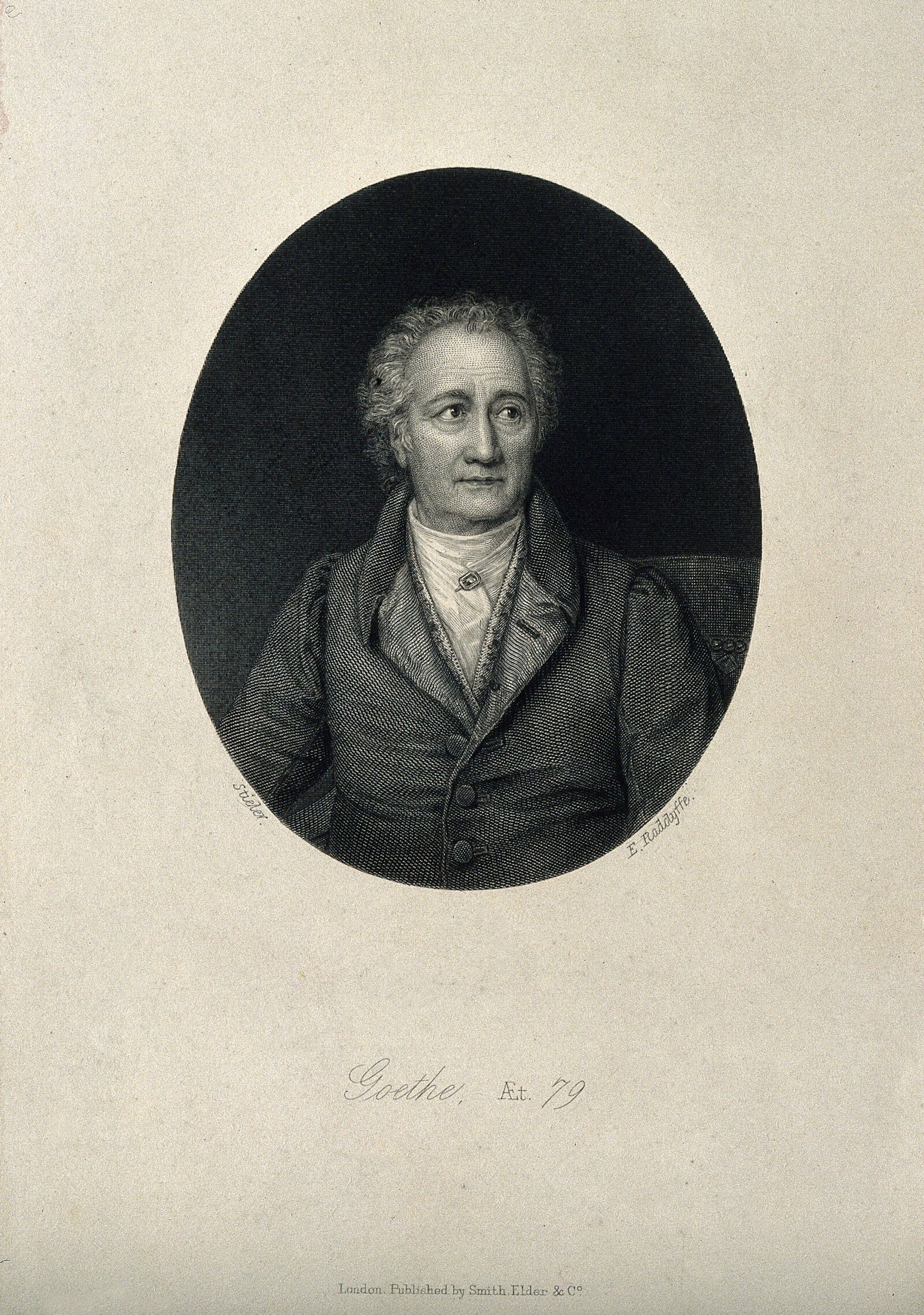
Goethe Line Engraving by Radclyffe after Stieler
E. Radclyffe after J. K. Stieler · 1828
 Book
Primary source
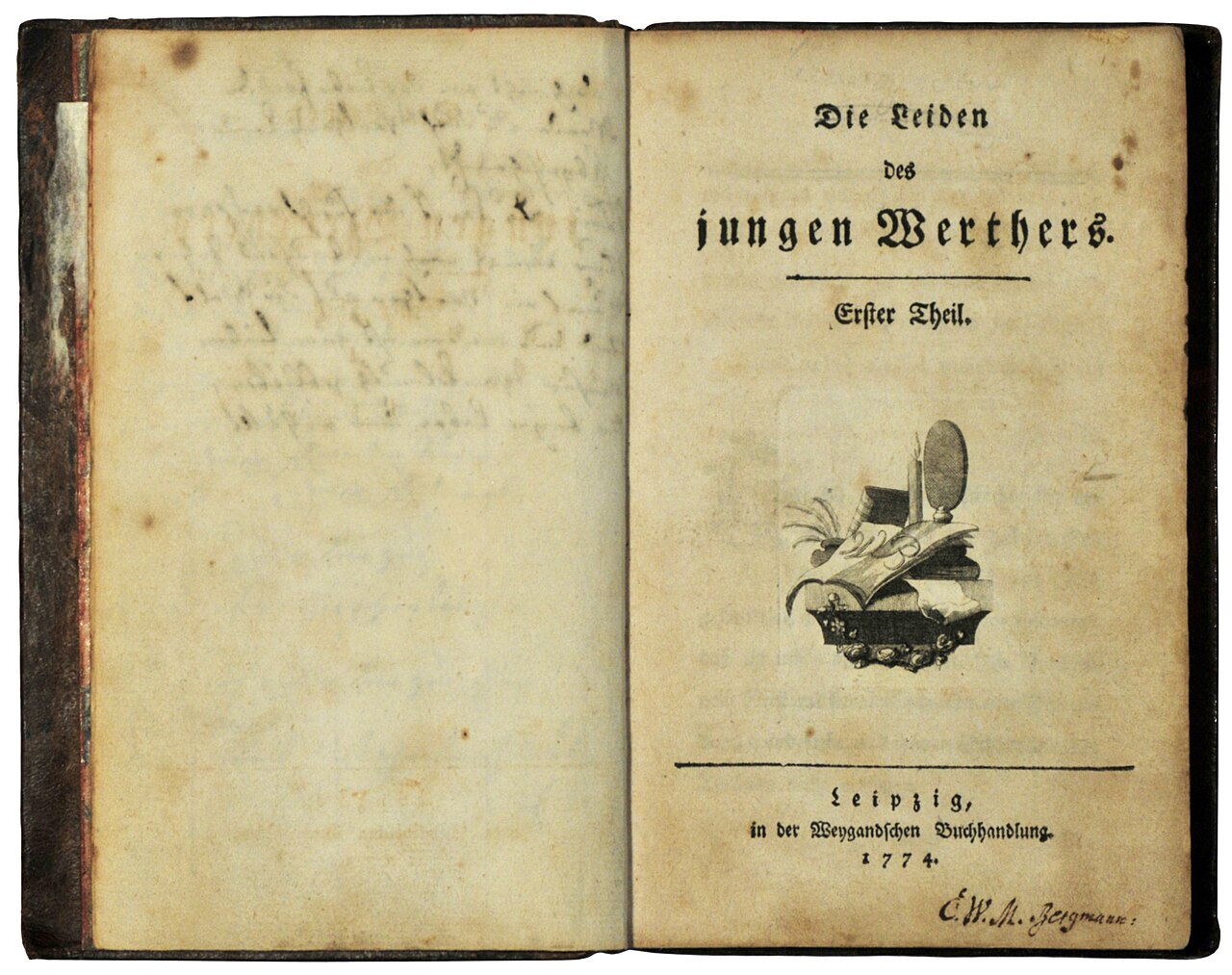
The Sorrows of Young Werther
Johann Wolfgang von Goethe · 1774
 Painting
Primary source
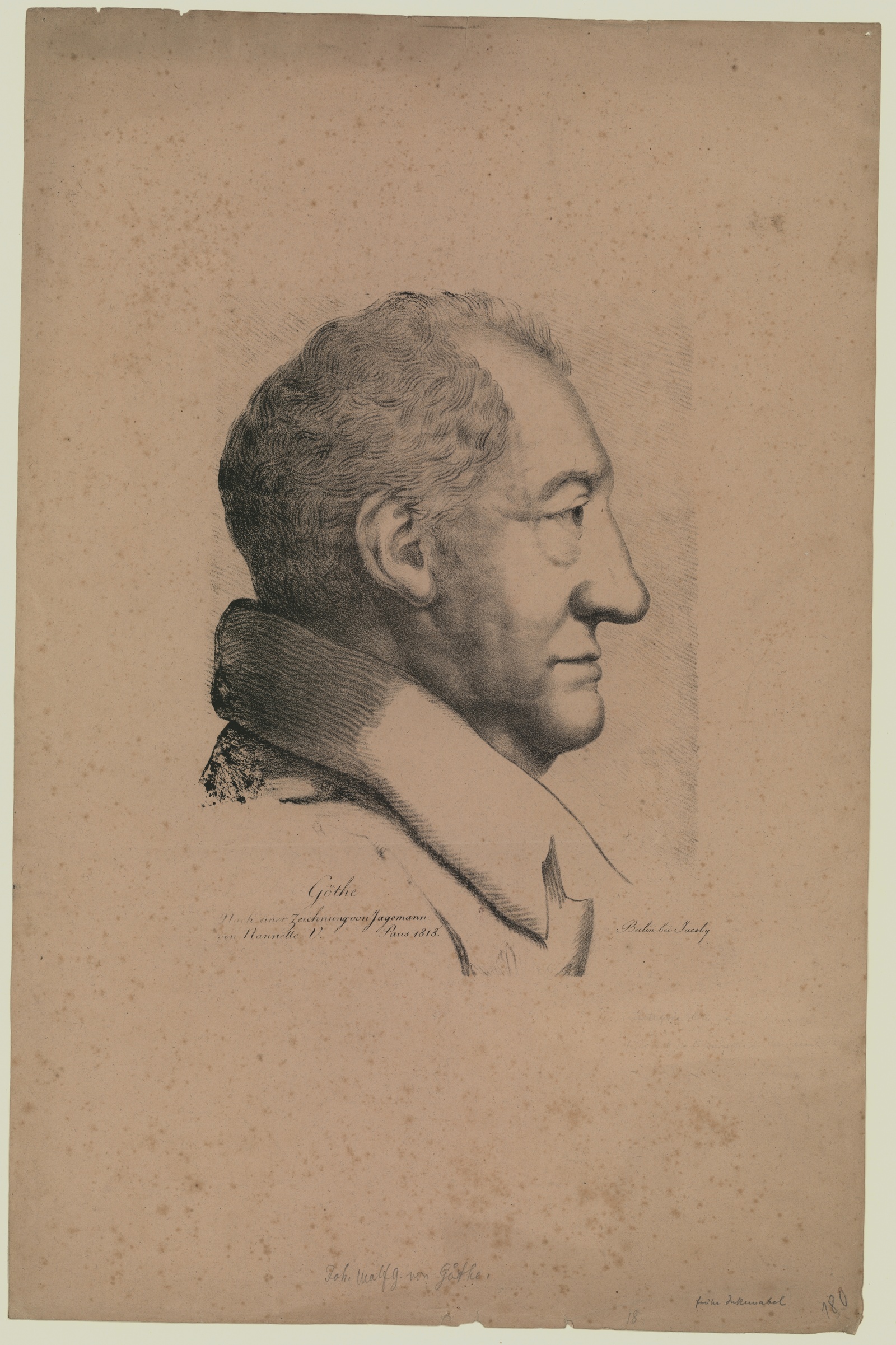
Lithograph Portrait of Goethe by Jagemann and Nanette
F. Jagemann and Nanette · c. 1818
Primary source
Der Erlkönig
Johann Wolfgang von Goethe · 1782
Ready when you are
Start chatting with Johann Wolfgang von Goethe now.
20 messages free · No credit card · Available in 50+ languages.