


Primary sourceArtifactc. 1333 BCE
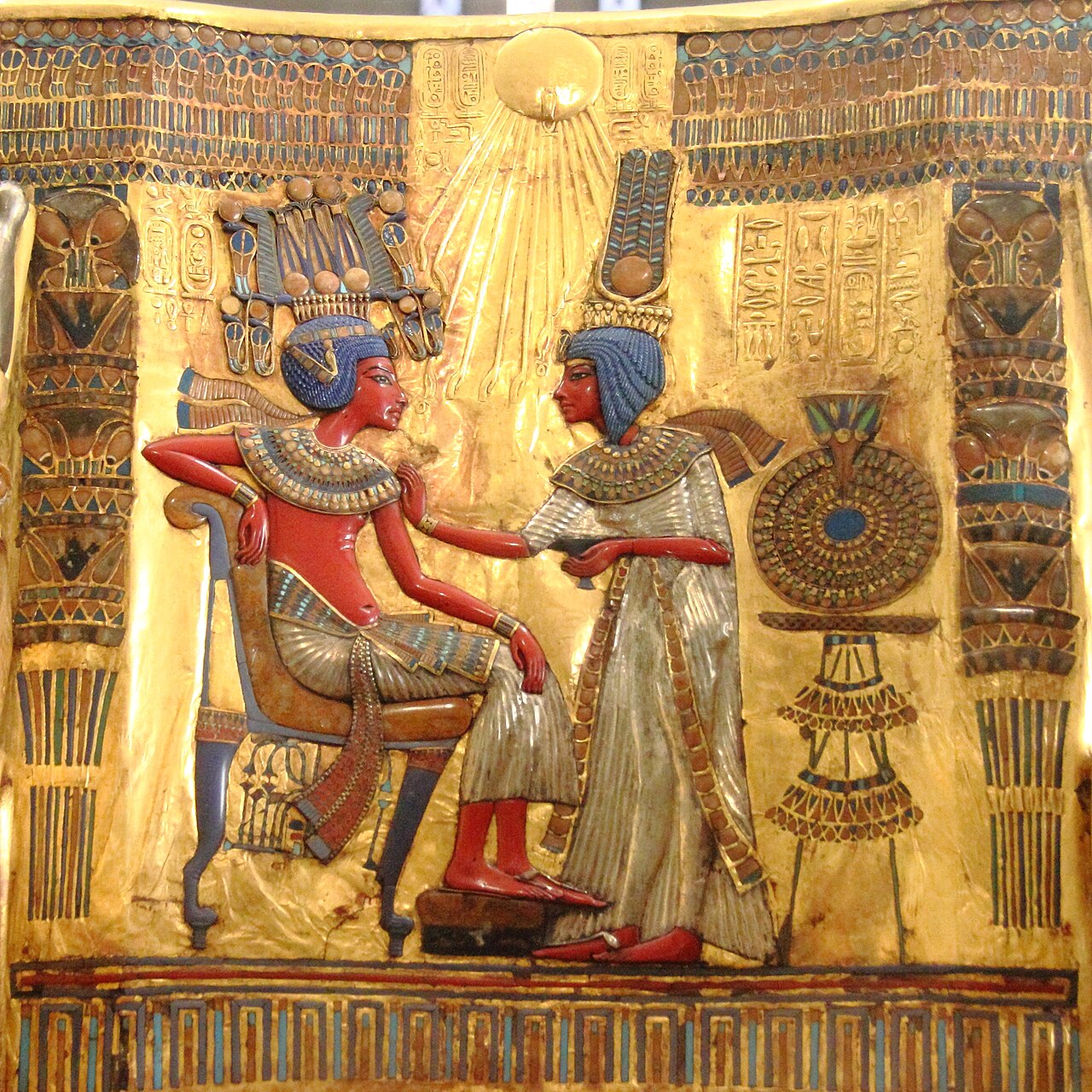
Golden Throne of Tutankhamun
c. 1333 BCE
A gilded throne from the tomb treasure showing Tutankhamun and his queen Ankhesenamun, blending old and new religious styles.
This throne was made for Tutankhamun and records his original name and religious shift during his reign.
About this source
What it is
This gilded wooden throne, inlaid with glass and carnelian, was made for Tutankhamun around 1333 BCE and found among his tomb treasures. It is now in the Grand Egyptian Museum.
The back panel shows Tutankhamun seated while Ankhesenamun anoints or offers to him, under the rays of the sun-disc Aten, in the artistic style of the Amarna period. The figures are labelled with their later names referring to Amun, but the throne's arms still bear the king's earlier name, Tutankhaten, showing where the inscriptions were altered.
Why it matters
The throne captures the moment Egypt's religion was changing: it mixes Amarna-style art devoted to the Aten with later edits honouring Amun, reflecting Tutankhamun's shift from his father's religion back to tradition.
Look closer
- What clues on the throne show that its inscriptions were changed after it was made?
- What does the scene between the king and queen suggest about their relationship?
- Why might craftsmen have been told to alter names rather than make a new throne?
This artifact is part of the curated material that grounds the AI version of Tutankhamun on Humy.ai — when students ask about related events, the AI can quote it and cite it.
More Tutankhamun sources
Meet the AI Tutankhamun →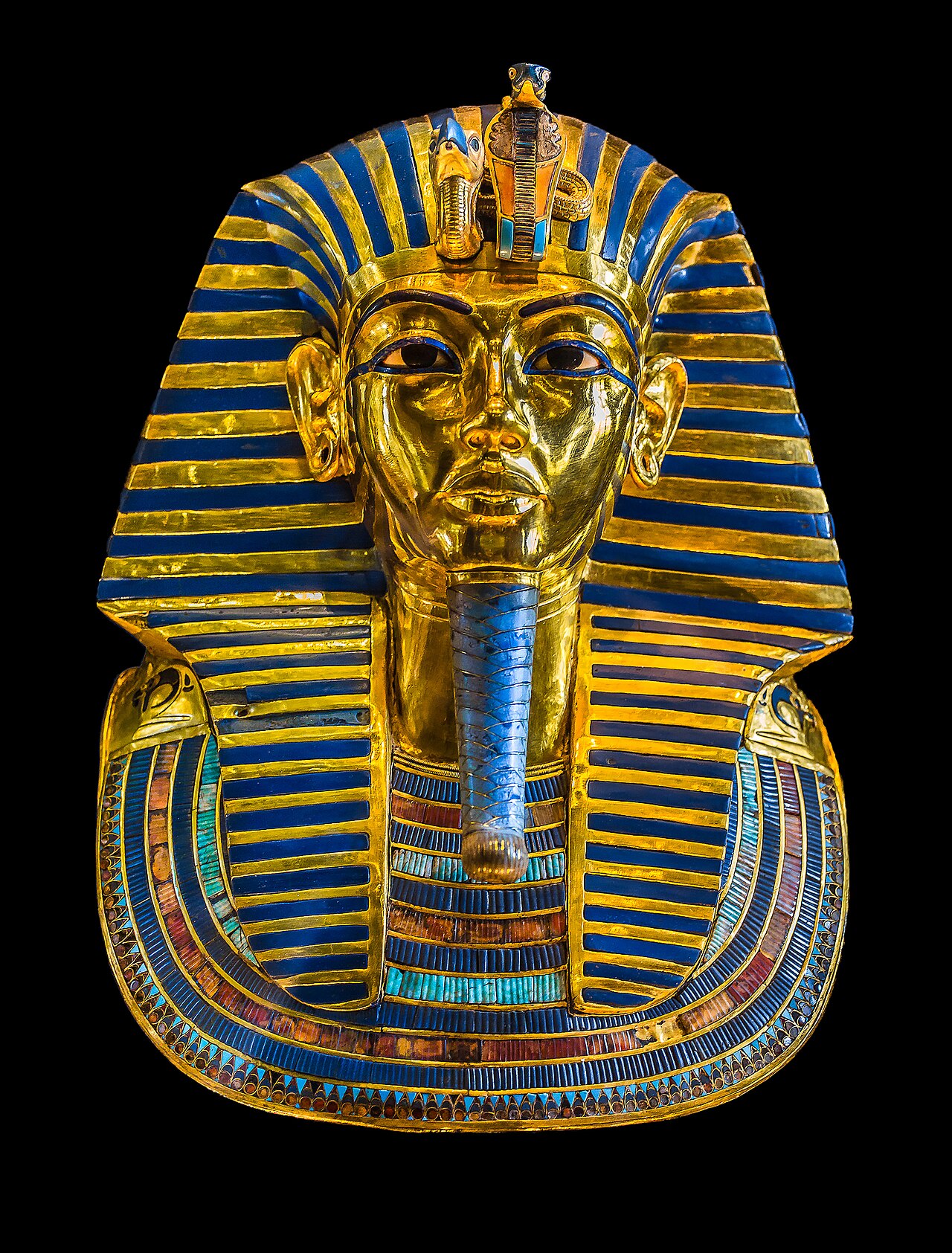 Artifact
Primary source
Mask of Tutankhamun
c. 1333 BCE
 Photograph
Primary source
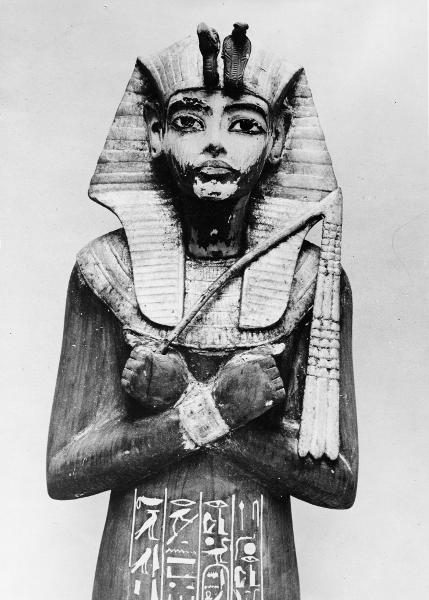
Photograph of Tutankhamun's Shawabti Figure
Harry Burton · 1920s
 Artifact
Primary source
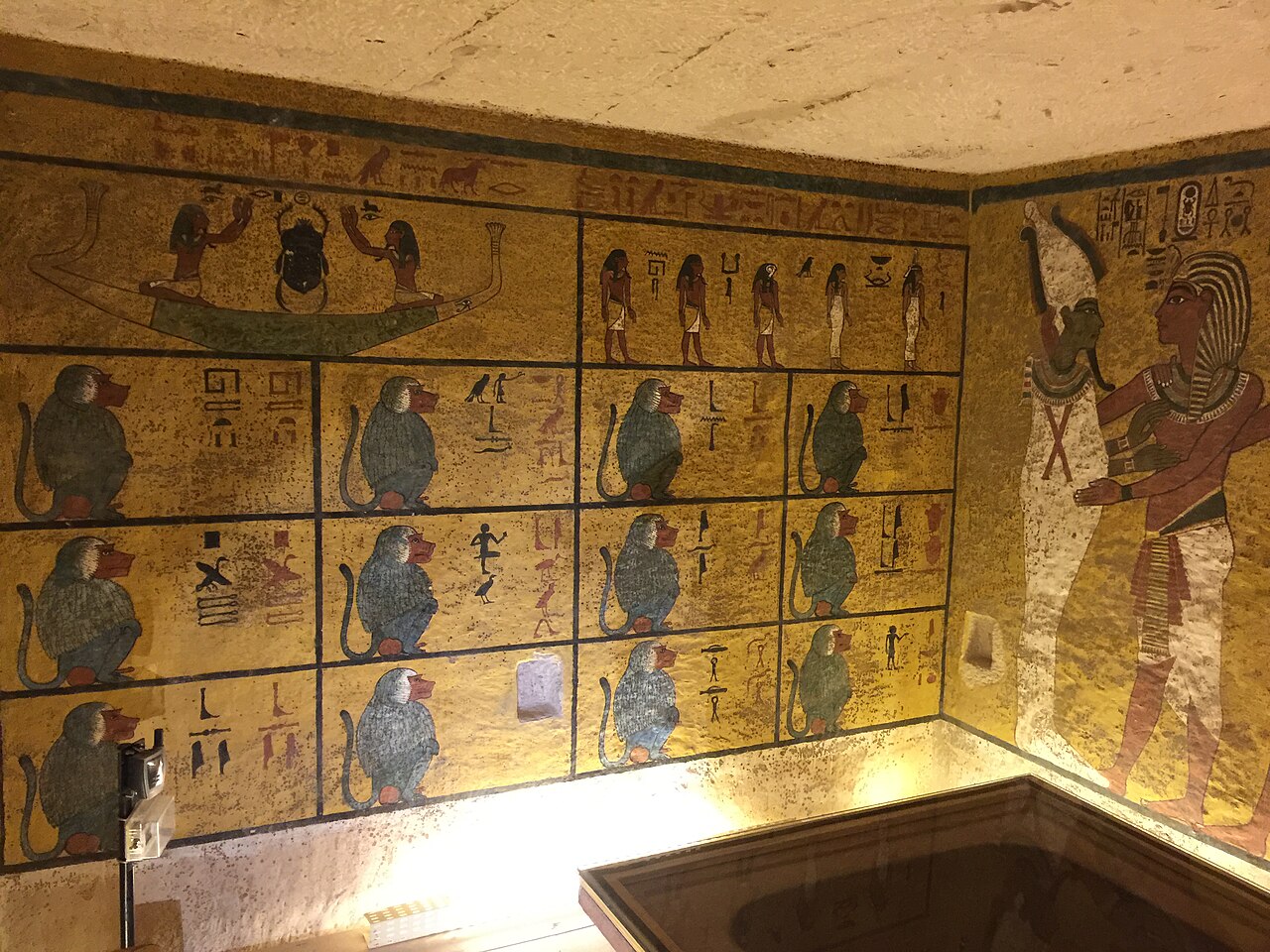
Tomb of Tutankhamun
14th century BCE
 Photograph
Primary source
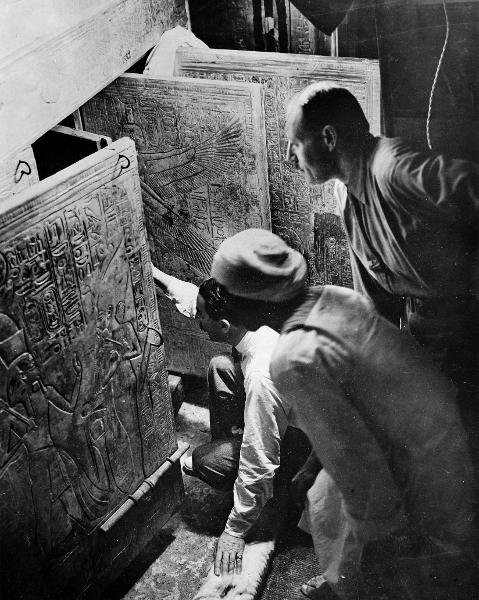
Opening the Doors of the Fourth Shrine in Tutankhamun's Tomb
Harry Burton · 1920s
 Document
Primary source
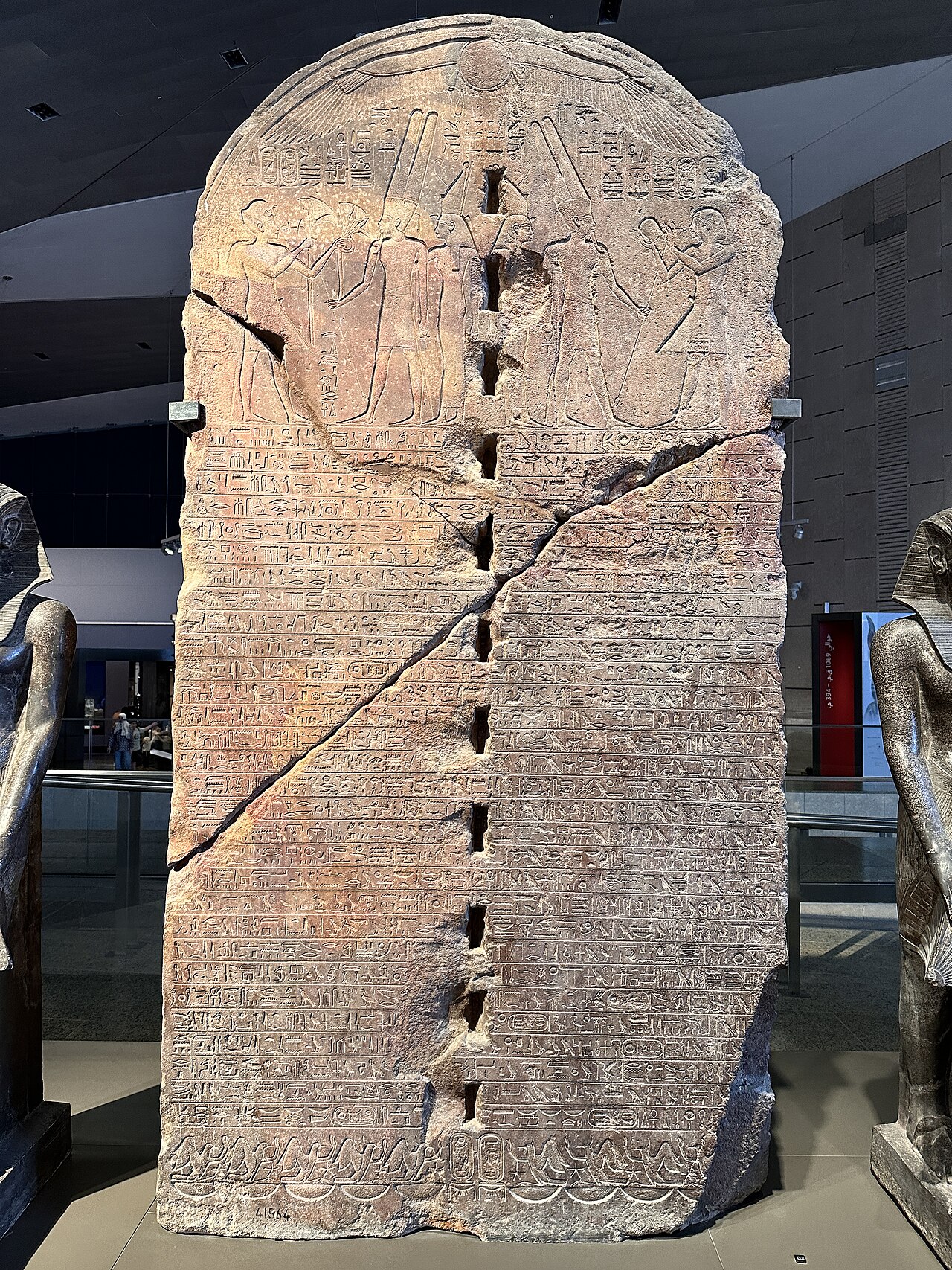
Restoration Stela
Tutankhamun · c. 1326 BCE
Ready when you are
Start chatting with Tutankhamun now.
20 messages free · No credit card · Available in 50+ languages.