


Primary sourceArtifactc. 2570 BCE
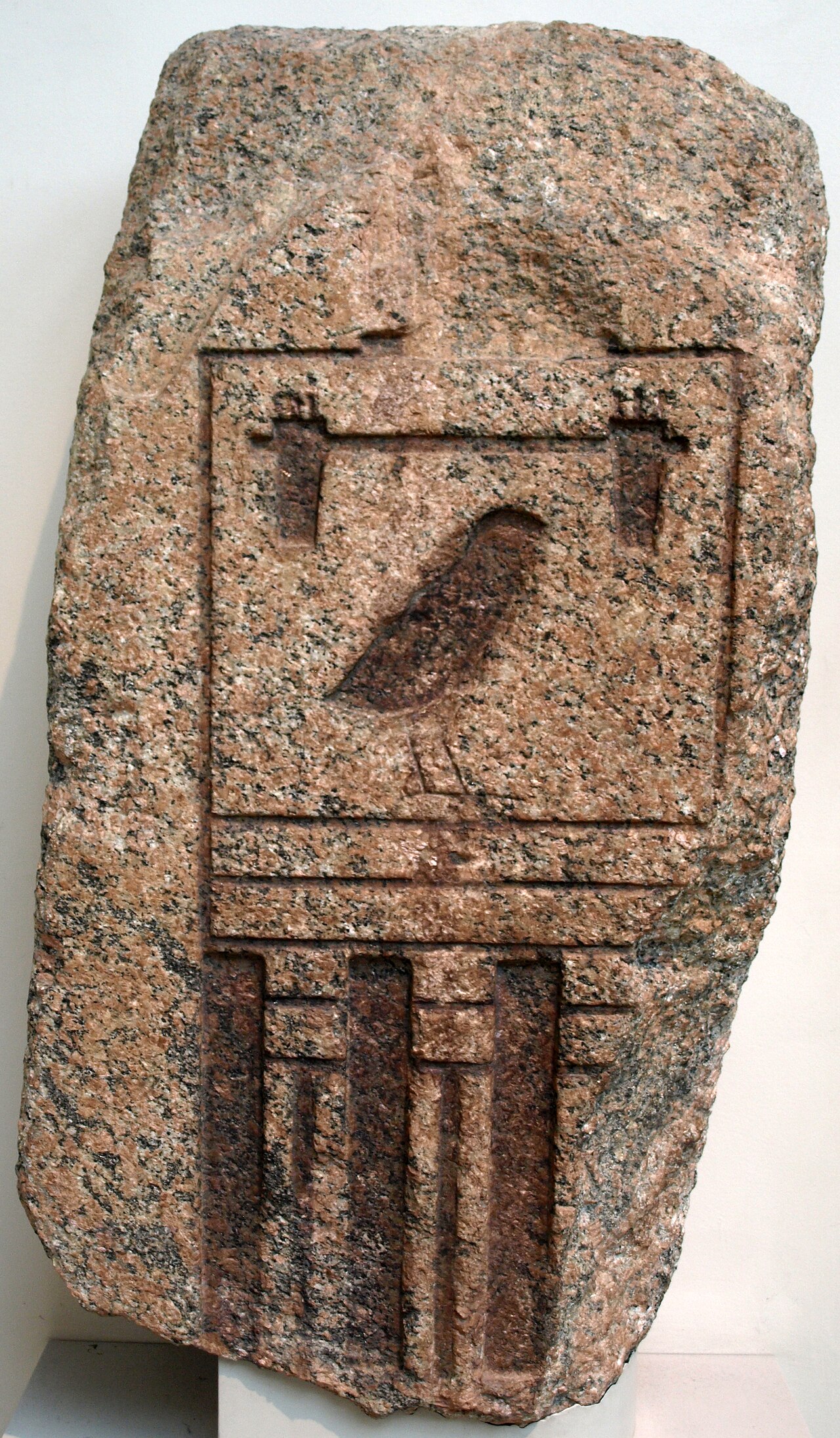
Granite Slab with the Horus Name of Khufu
c. 2570 BCE
A granite block carved with Khufu's Horus name Medjedu, found at Bubastis in the Nile Delta, evidence of his building work there.
Carved with Khufu's own Horus name, this slab is direct physical evidence of his royal building activity outside Giza.
About this source
What it is
This is a photograph of a reddish-brown granite slab carved with the Horus name of Khufu, Medjedu. It was found at Bubastis in the Nile Delta and may once have been part of a mortuary temple near the Great Pyramid. It is now in the British Museum.
Why it matters
Egyptian kings used several names, including a Horus name linked to the falcon god. Finding Khufu's name carved far from Giza, at Bubastis, shows that his authority and building projects reached beyond his main pyramid complex.
Look closer
- What symbol can you see carved at the top of the slab, and why might a king choose it?
- Why do you think a piece naming Khufu ended up far away at Bubastis?
- What does this tell us about how kings wanted to be remembered across Egypt?
This artifact is part of the curated material that grounds the AI version of Pharaoh Khufu (Cheops) on Humy.ai — when students ask about related events, the AI can quote it and cite it.
More Pharaoh Khufu (Cheops) sources
Meet the AI Pharaoh Khufu (Cheops) →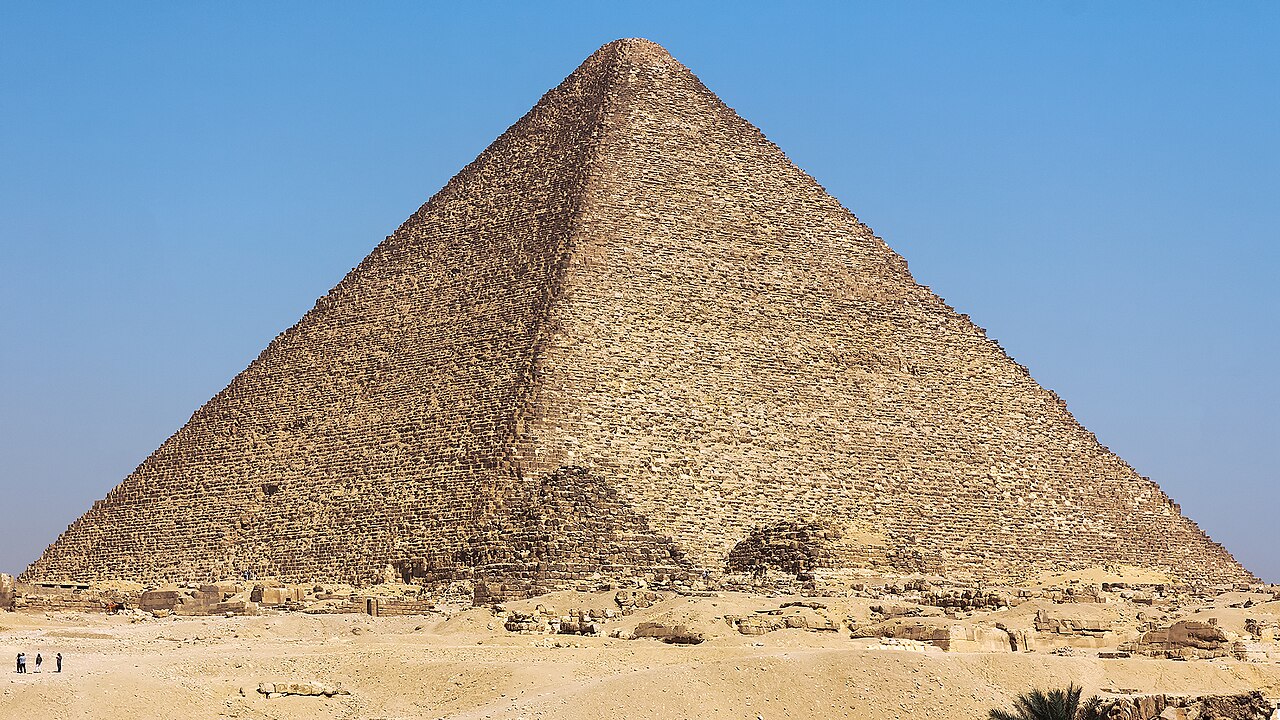 Artifact
Primary source
Great Pyramid of Giza
c. 2560 BCE
 Photograph
Secondary source
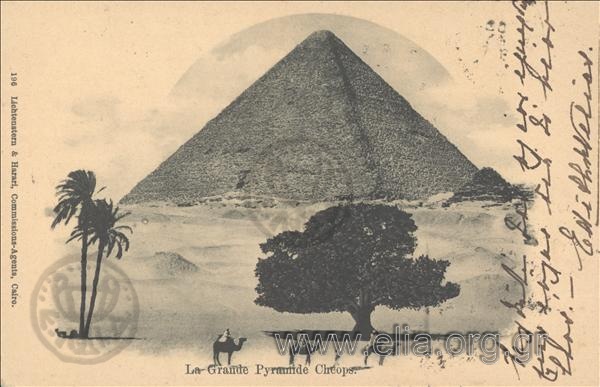
La Grande Pyramide Cheops
1903
 Sculpture
Primary source
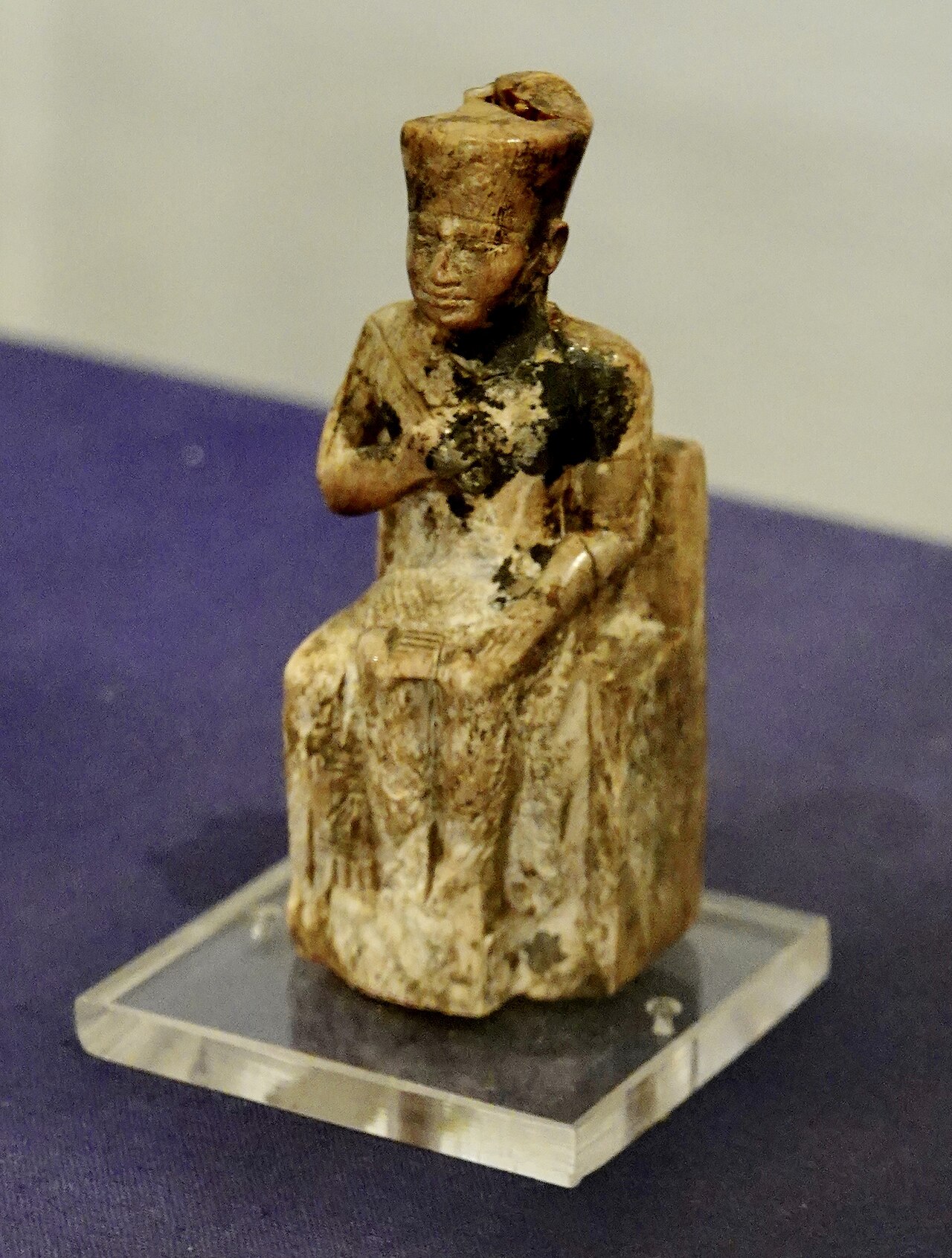
Khufu Statuette
c. 2600–2494 BCE (possibly later, 664–525 BCE)
 Photograph
Secondary source
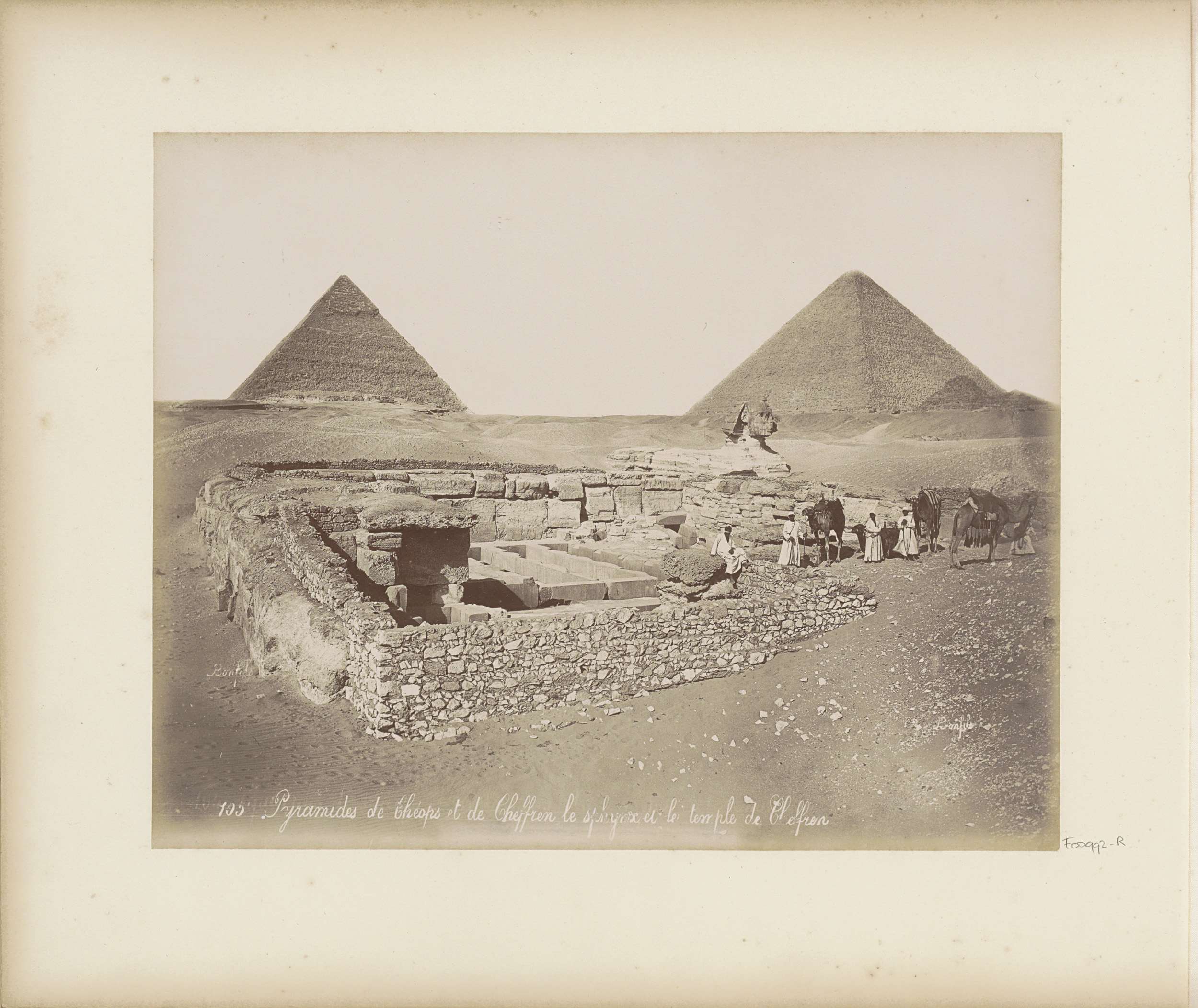
Pyramids of Cheops and Chephren and the Sphinx at Giza
 Artifact
Primary source
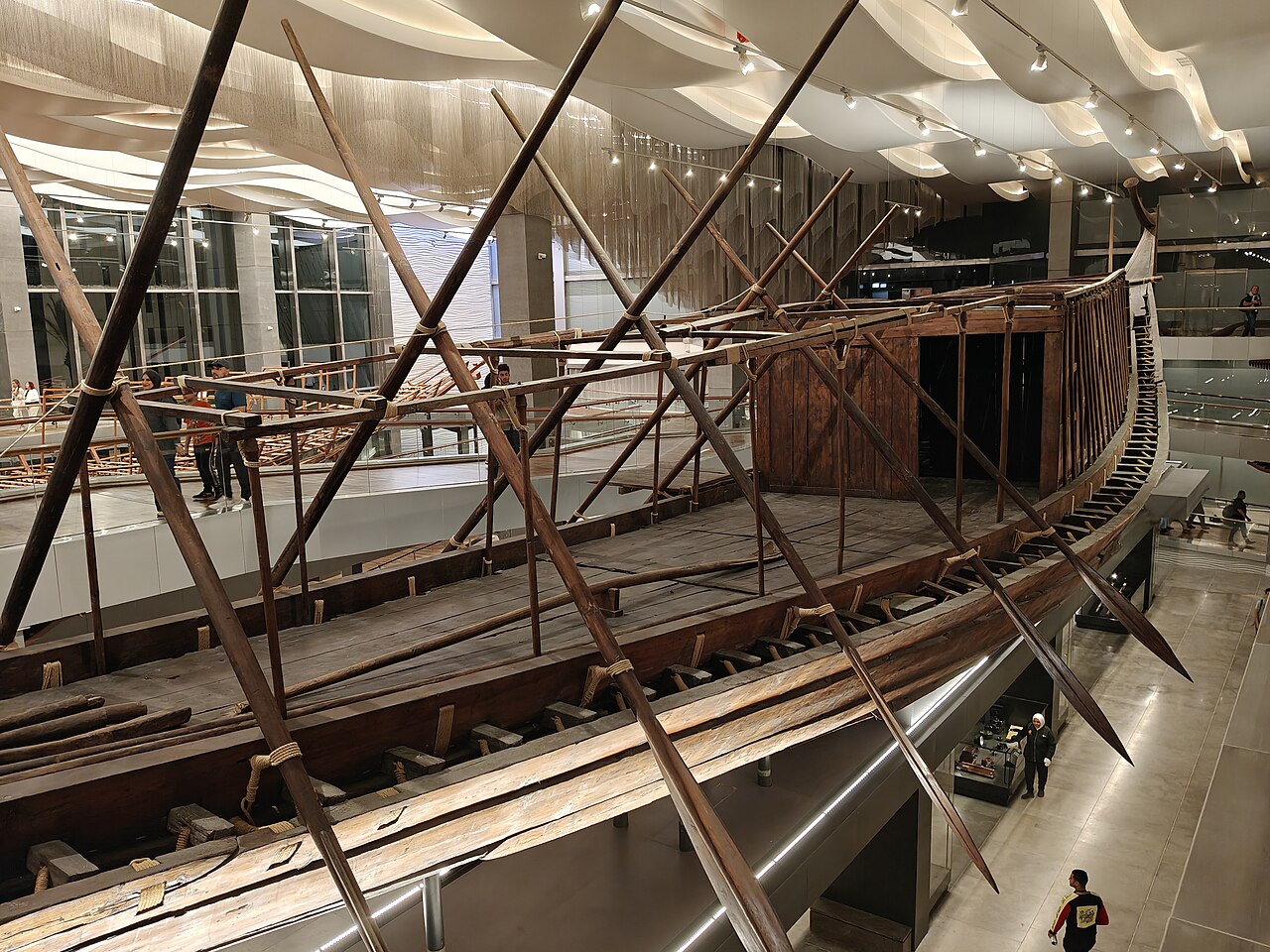
Khufu ship
Royal shipwrights of Khufu · c. 2566 BCE
Ready when you are
Start chatting with Pharaoh Khufu (Cheops) now.
20 messages free · No credit card · Available in 50+ languages.