


Primary sourceSculpturec. 1319 BCE
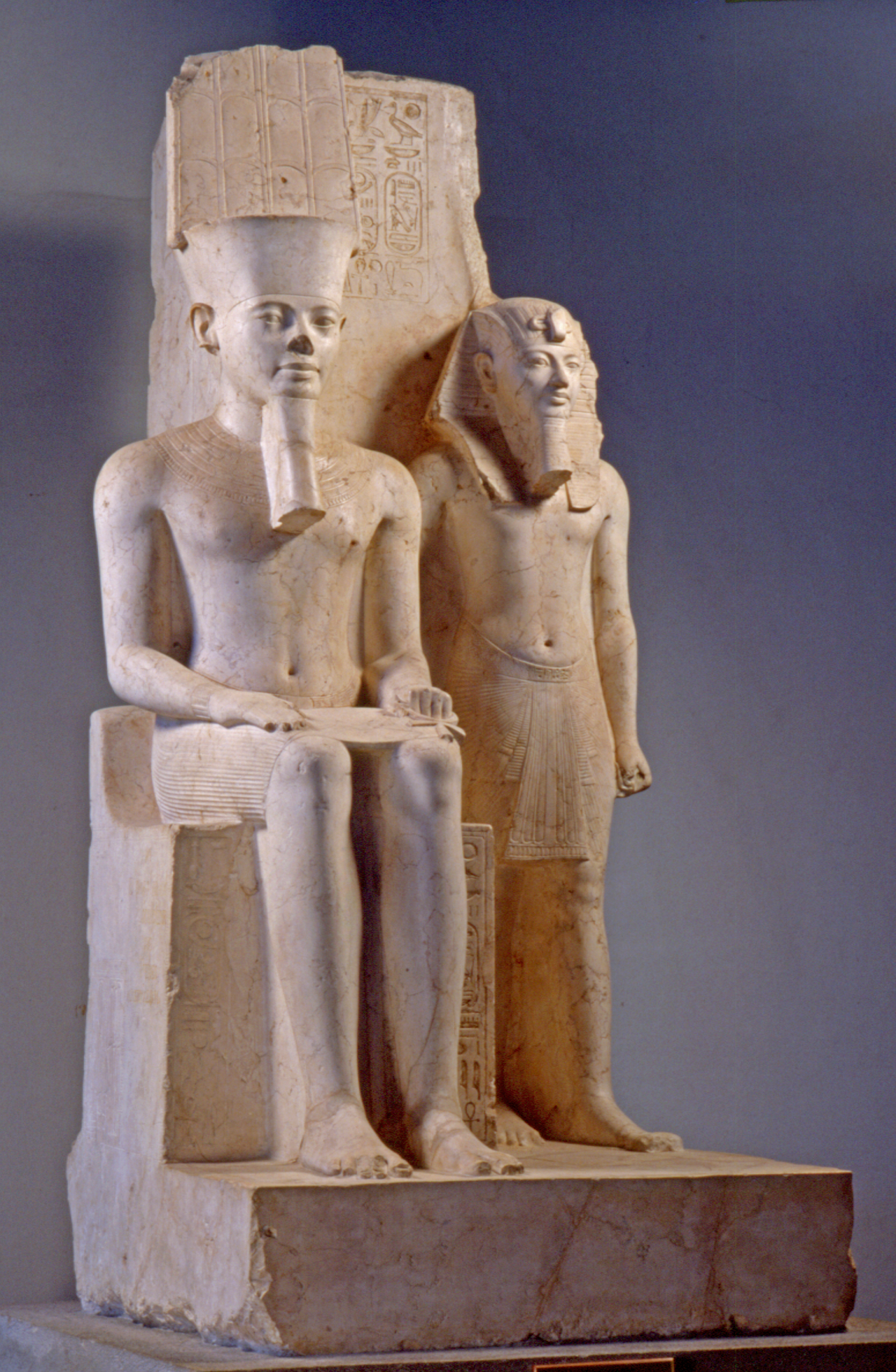
Group Statue of Amun and King Tutankhamun, Inscribed Horemheb
c. 1319 BCE
A limestone group statue originally carved for Tutankhamun and the god Amun, later reinscribed with the name of Horemheb.
Originally carved for Tutankhamun, this statue was later reinscribed by Horemheb, erasing his name from the monument.
About this source
What it is
This limestone statue group, held by the Museo Egizio in Turin, shows the god Amun seated beside a standing male figure wearing a short kilt and striped headcloth. It dates to around 1319 BCE and was originally carved for Tutankhamun before being reinscribed for Horemheb.
Why it matters
The statue is direct evidence of how Tutankhamun's monuments were taken over after his death. Horemheb, who became pharaoh after Tutankhamun's successors, had his own name carved onto statues originally made for the younger king, erasing Tutankhamun's association with the piece.
Look closer
- What evidence on the statue shows that it was reinscribed for a different king?
- Why might Horemheb have wanted to claim statues originally made for Tutankhamun?
- What does this tell us about power and memory in ancient Egypt?
This sculpture is part of the curated material that grounds the AI version of Tutankhamun on Humy.ai — when students ask about related events, the AI can quote it and cite it.
More Tutankhamun sources
Meet the AI Tutankhamun →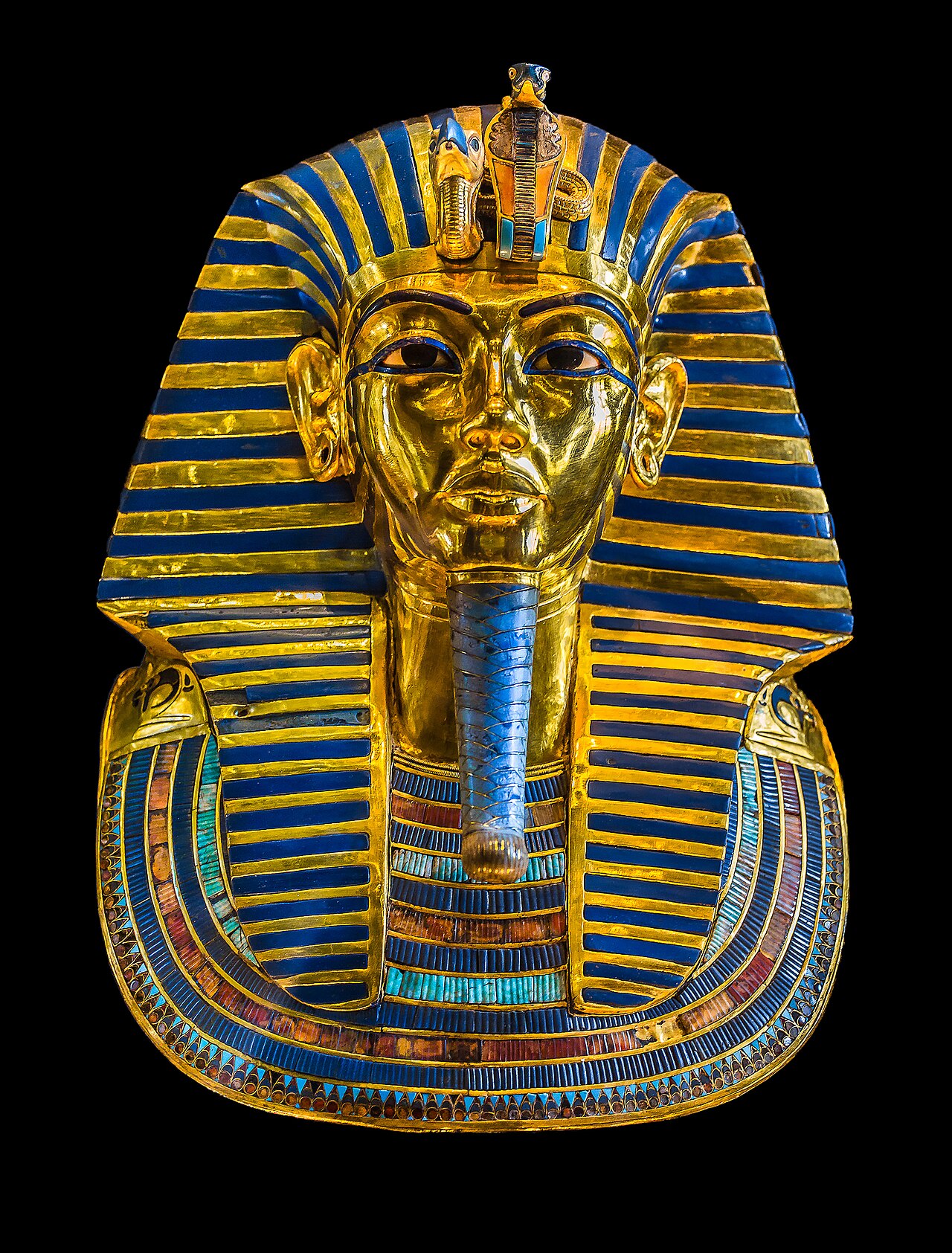 Artifact
Primary source
Mask of Tutankhamun
c. 1333 BCE
 Photograph
Primary source
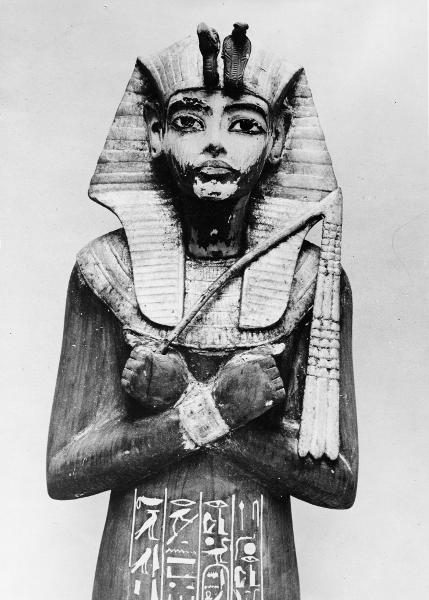
Photograph of Tutankhamun's Shawabti Figure
Harry Burton · 1920s
 Artifact
Primary source
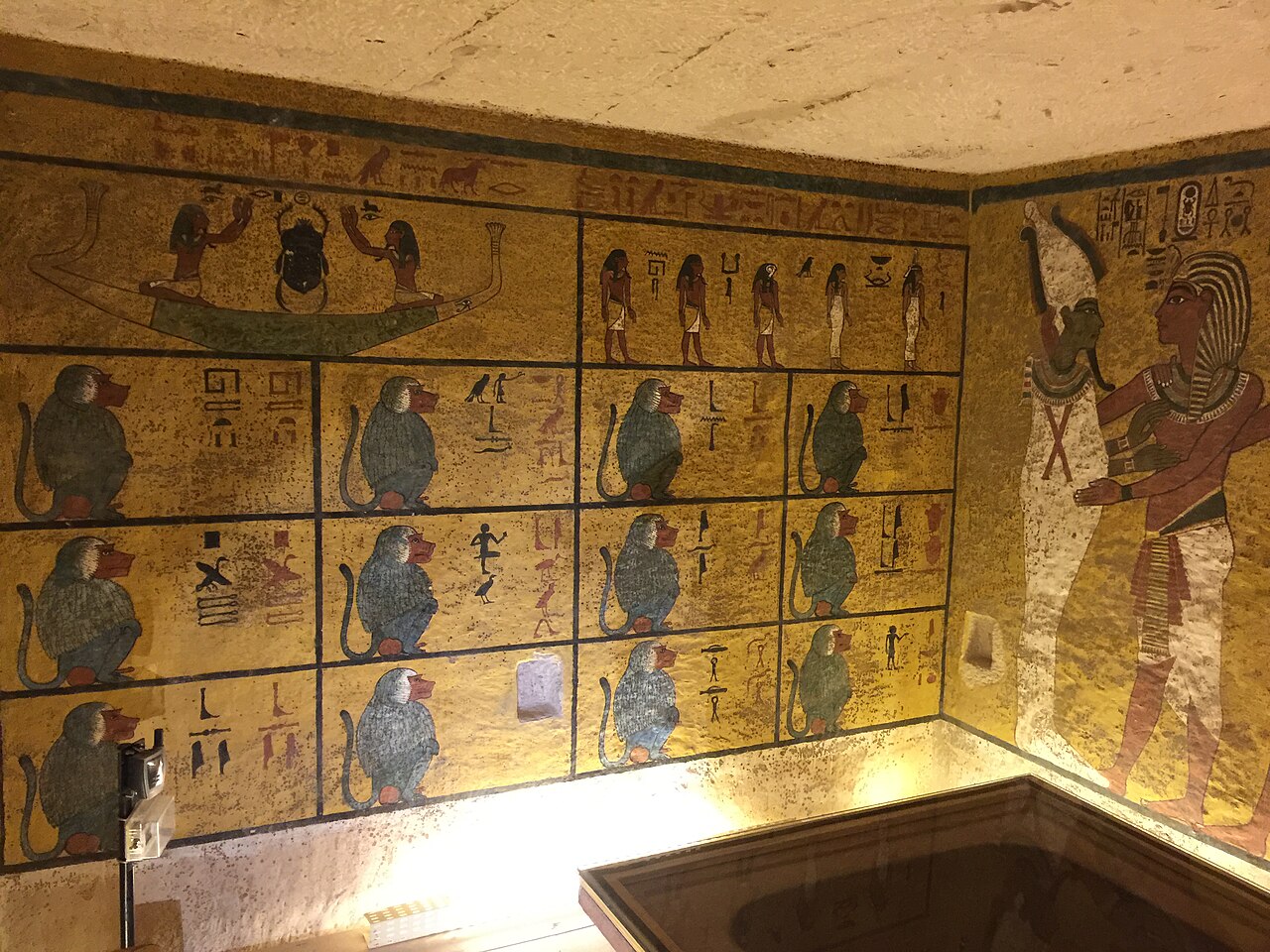
Tomb of Tutankhamun
14th century BCE
 Photograph
Primary source
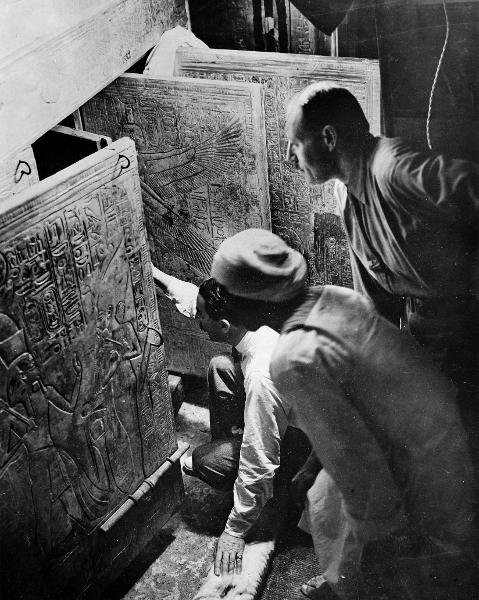
Opening the Doors of the Fourth Shrine in Tutankhamun's Tomb
Harry Burton · 1920s
 Document
Primary source
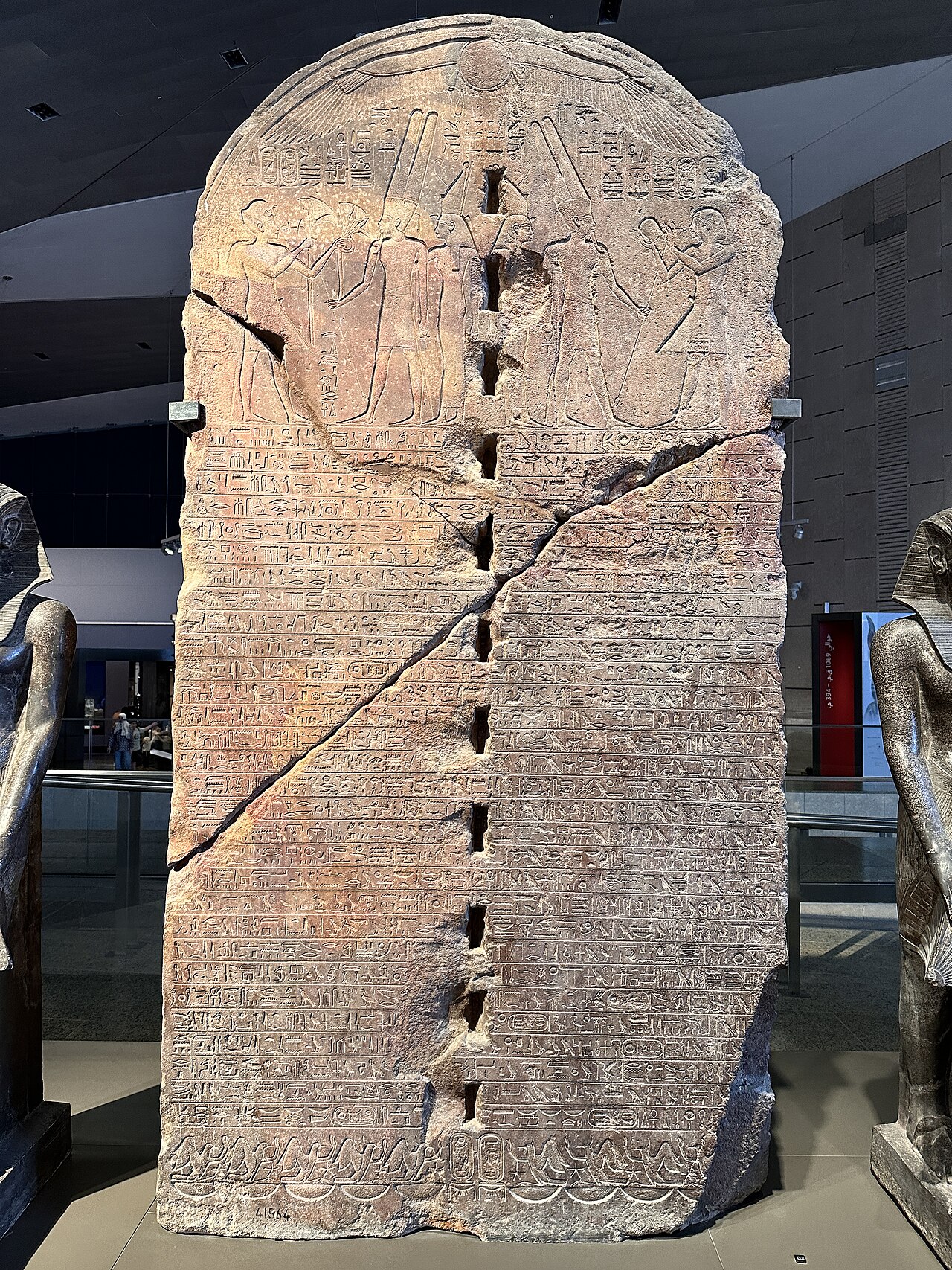
Restoration Stela
Tutankhamun · c. 1326 BCE
Ready when you are
Start chatting with Tutankhamun now.
20 messages free · No credit card · Available in 50+ languages.