


Primary sourceSculpturec. 1323 BCE
Guardian Statues of Tutankhamun
c. 1323 BCE
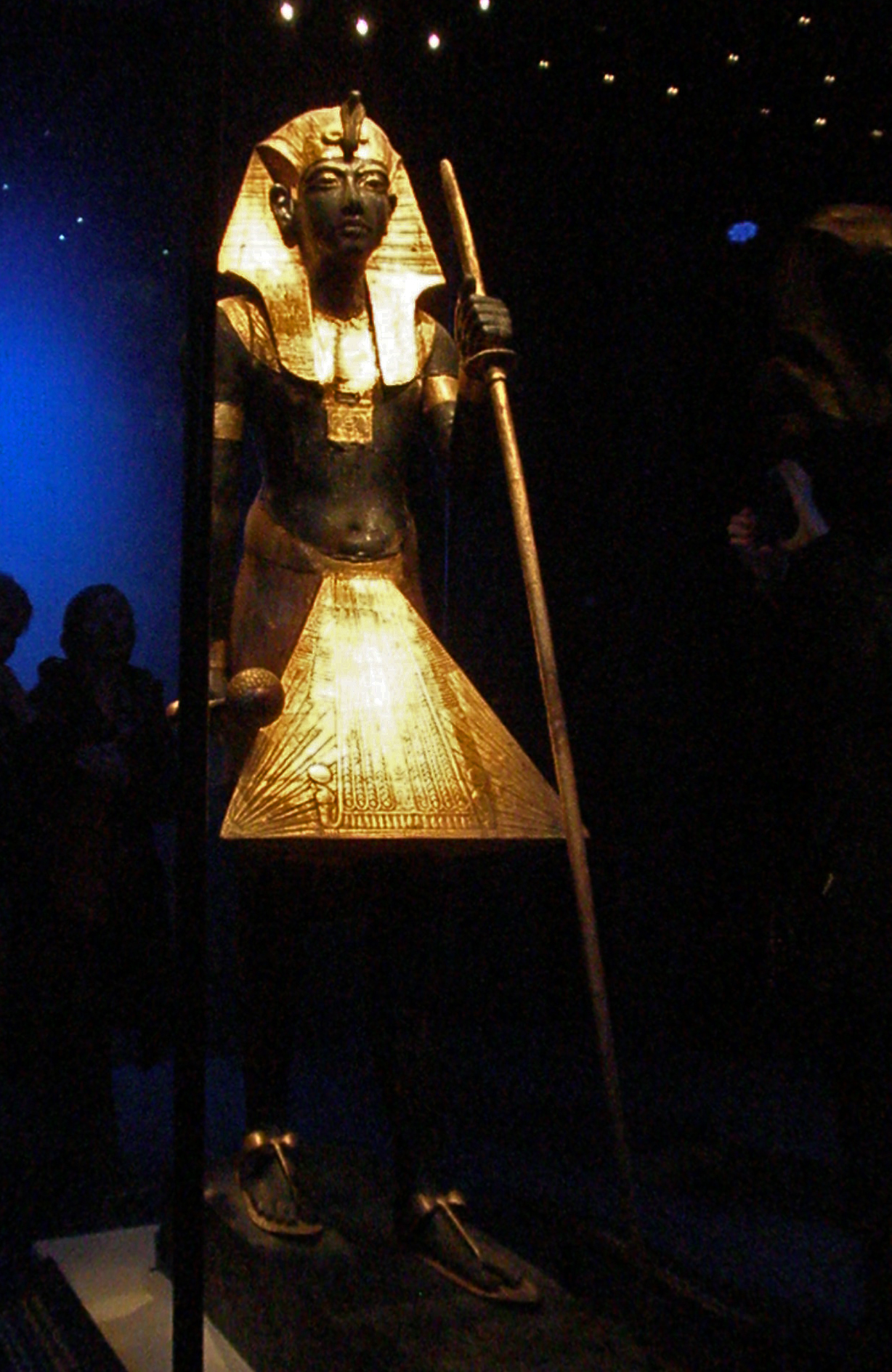
Two life-size black-and-gold wooden statues of Tutankhamun that flanked the entrance to his burial chamber.
These statues depict Tutankhamun as a guardian figure or his ka, placed at his burial chamber entrance.
About this source
What it is
These are two life-size wooden statues of King Tutankhamun, covered in black resin and gilding, that stood guarding the entrance to his burial chamber. They are now held by the Grand Egyptian Museum.
Why it matters
The statues show how ancient Egyptians prepared a king's tomb to protect his body and soul after death. Scholars think they either guarded the chamber physically or represented the king's ka, a part of his spirit, showing how closely royal burial practice was tied to religious belief.
Look closer
- Why might a king need statues made in his own image to guard his tomb?
- What do the materials (wood, gold, black resin) tell you about what the Egyptians valued?
- What does this object tell us about ideas of the afterlife rather than about Tutankhamun's actual life?
This sculpture is part of the curated material that grounds the AI version of Tutankhamun on Humy.ai — when students ask about related events, the AI can quote it and cite it.
More Tutankhamun sources
Meet the AI Tutankhamun →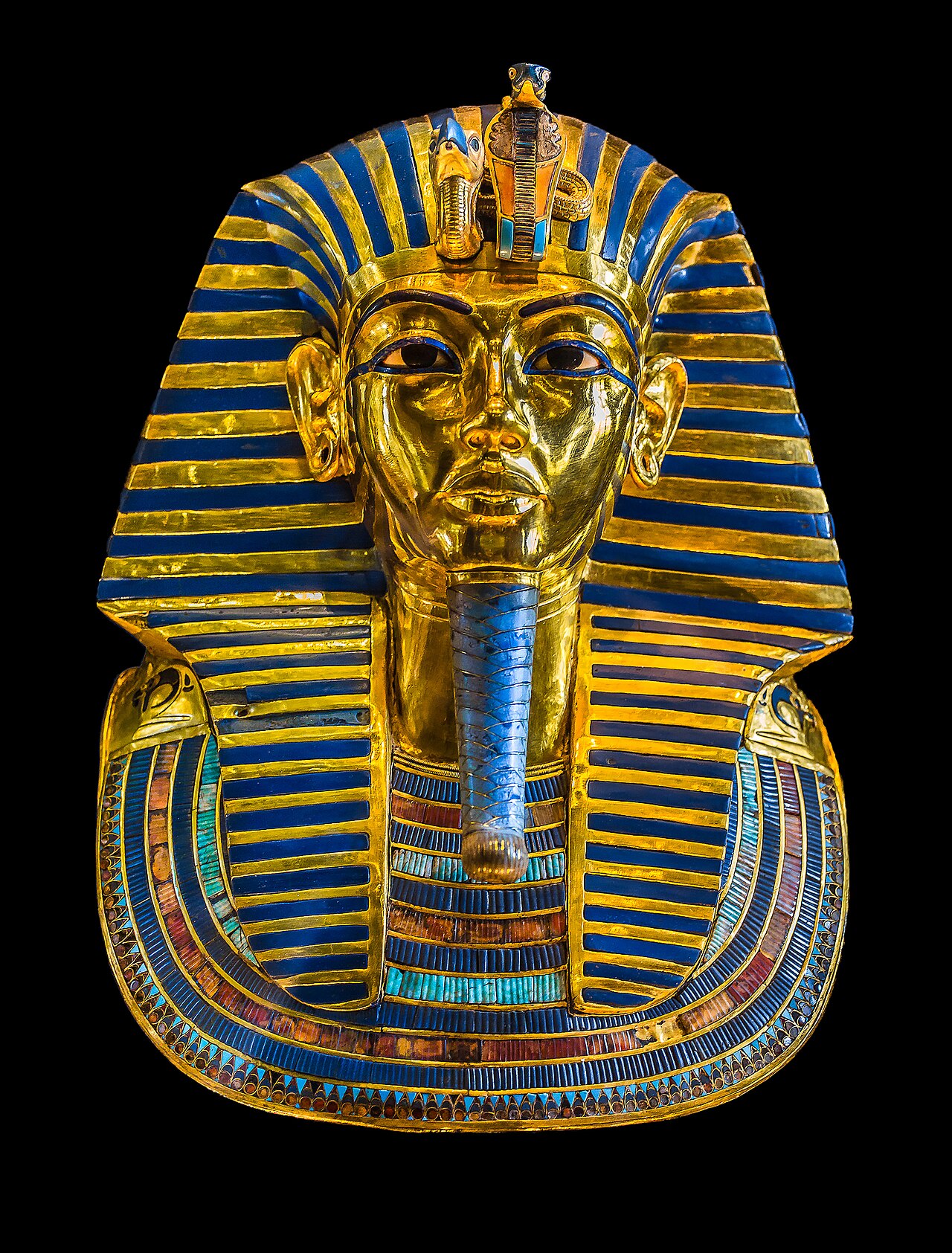 Artifact
Primary source
Mask of Tutankhamun
c. 1333 BCE
 Photograph
Primary source
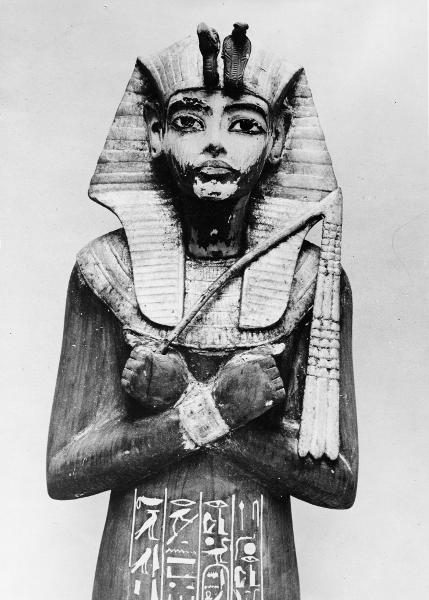
Photograph of Tutankhamun's Shawabti Figure
Harry Burton · 1920s
 Artifact
Primary source
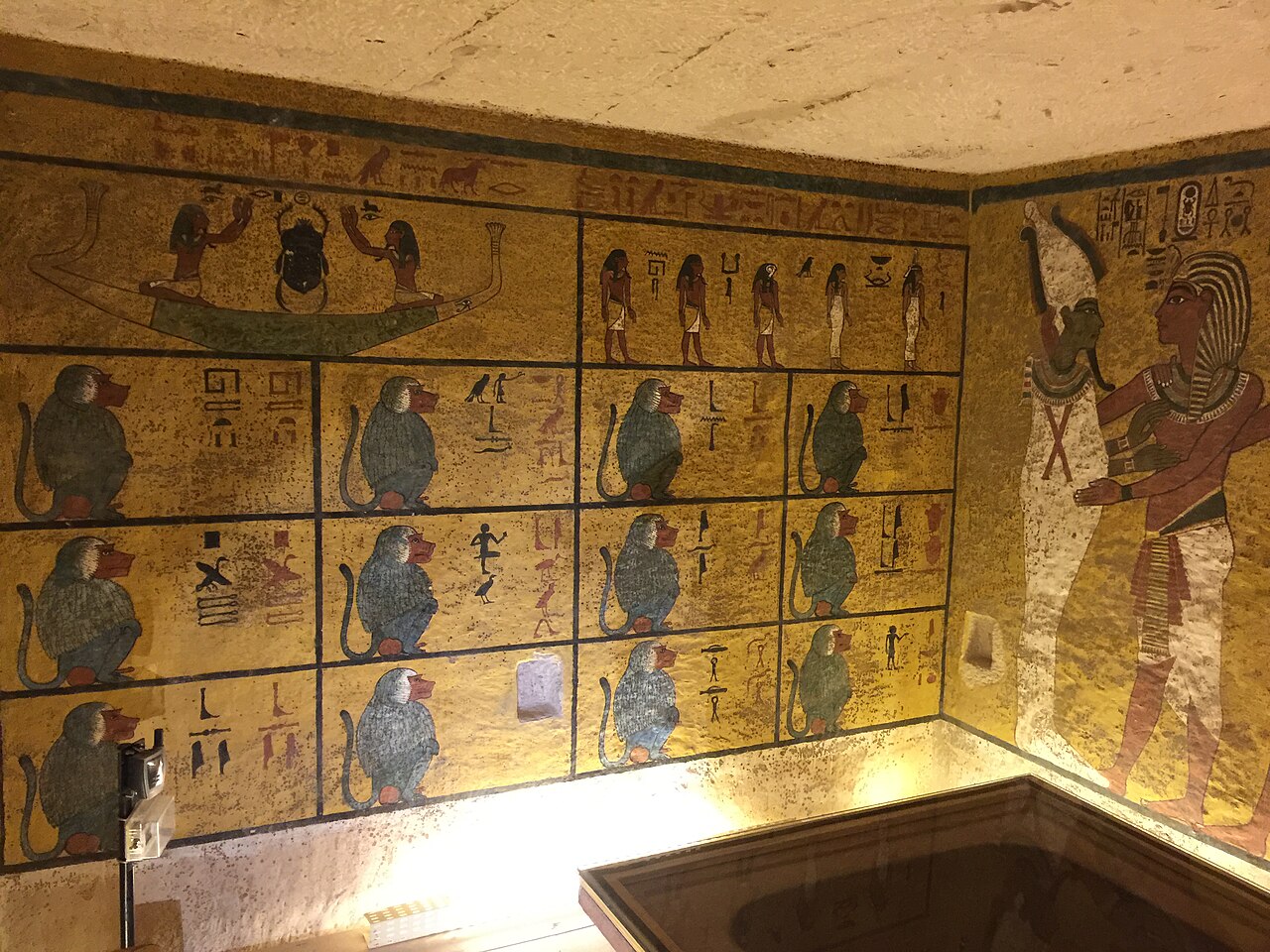
Tomb of Tutankhamun
14th century BCE
 Photograph
Primary source
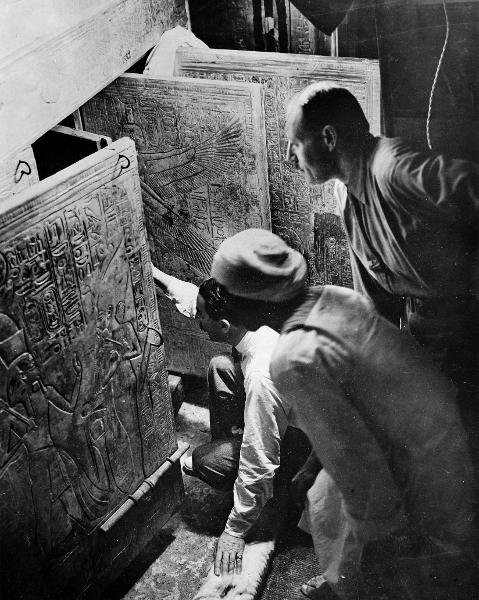
Opening the Doors of the Fourth Shrine in Tutankhamun's Tomb
Harry Burton · 1920s
 Document
Primary source
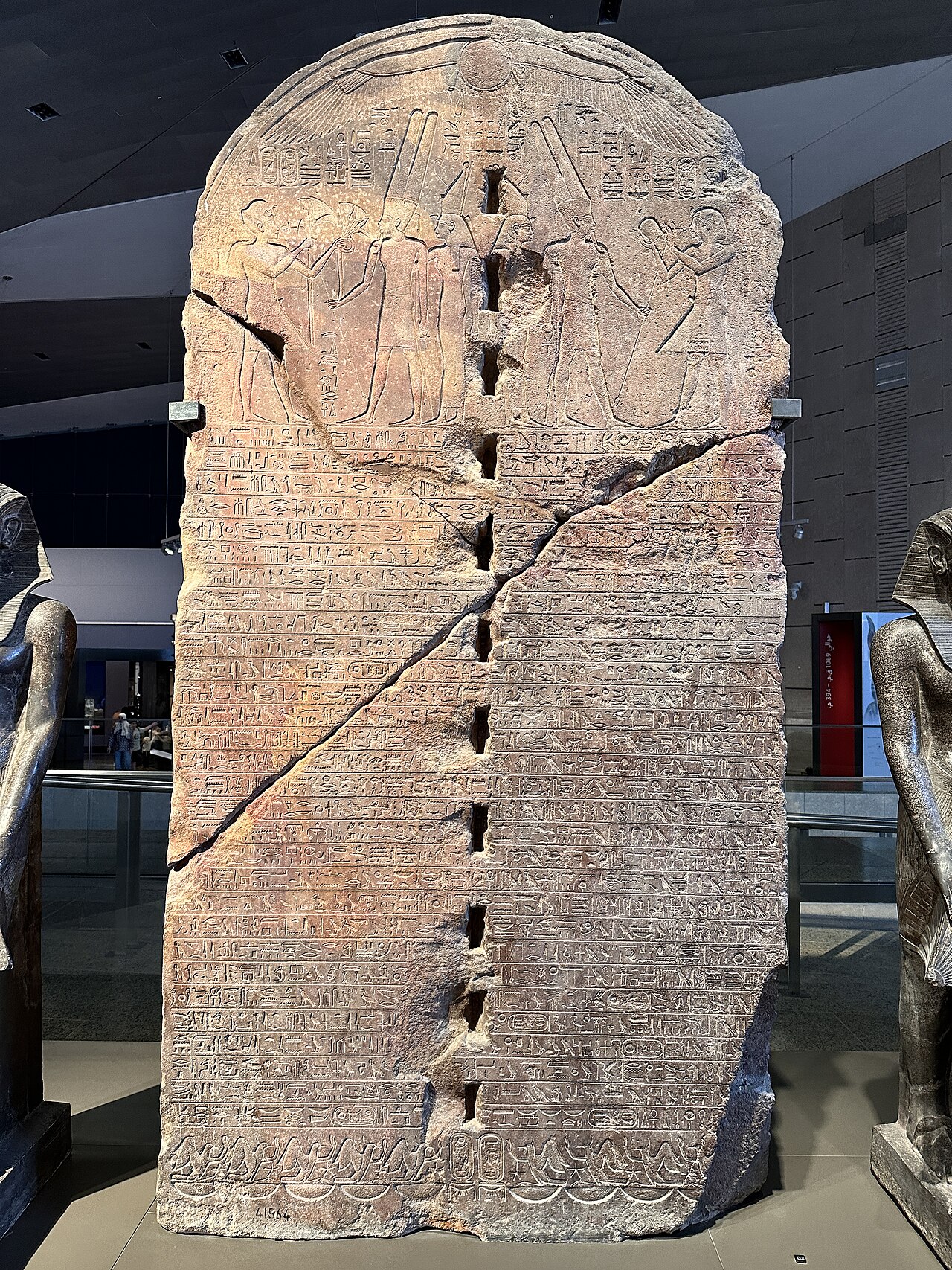
Restoration Stela
Tutankhamun · c. 1326 BCE
Ready when you are
Start chatting with Tutankhamun now.
20 messages free · No credit card · Available in 50+ languages.