


Primary sourceSculptureLate Hellenistic period
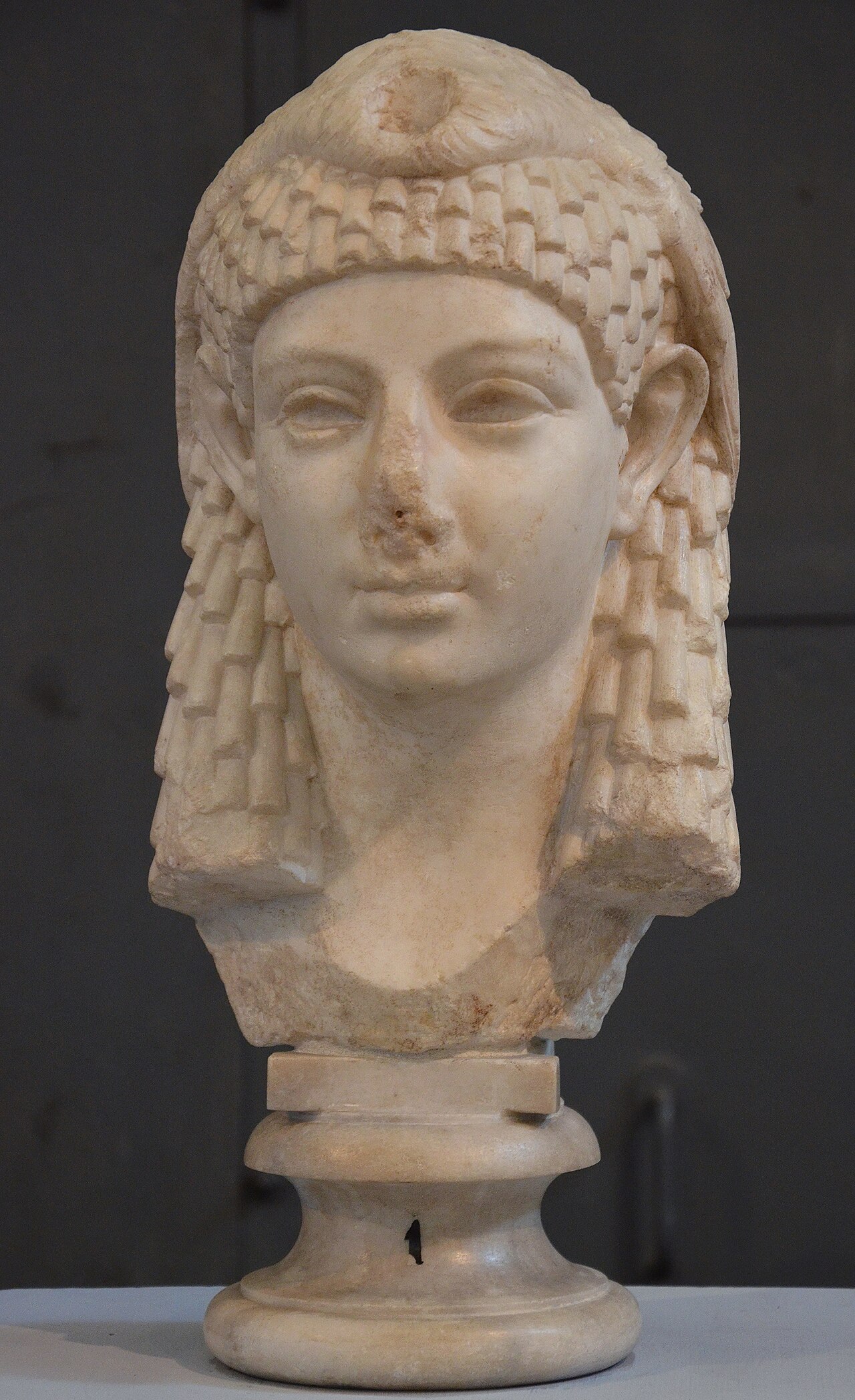
Head of Isis
Late Hellenistic period
A sculpted head of a late Ptolemaic princess shown as the goddess Isis, often linked to Cleopatra's image as the 'New Isis'.
May reflect Cleopatra's self-presentation as the goddess Isis, a key part of her political image.
About this source
What it is
This is a carved stone head from a Late Hellenistic statue, portraying a Ptolemaic princess dressed as the goddess Isis. It is held today at the Centrale Montemartini museum in Rome.
Why it matters
Cleopatra presented herself as a 'New Isis' to connect her rule to Egyptian religion and tradition. This sculpture shows the kind of image Ptolemaic royal women used to link themselves with divine power, helping us understand how Cleopatra built her public image.
Look closer
- What details in the sculpture suggest a connection to the goddess Isis?
- Why might a ruler want to be shown as a goddess rather than as an ordinary person?
- What can and can't a sculpture like this tell us about a real historical person?
This sculpture is part of the curated material that grounds the AI version of Cleopatra on Humy.ai — when students ask about related events, the AI can quote it and cite it.
More Cleopatra sources
Meet the AI Cleopatra →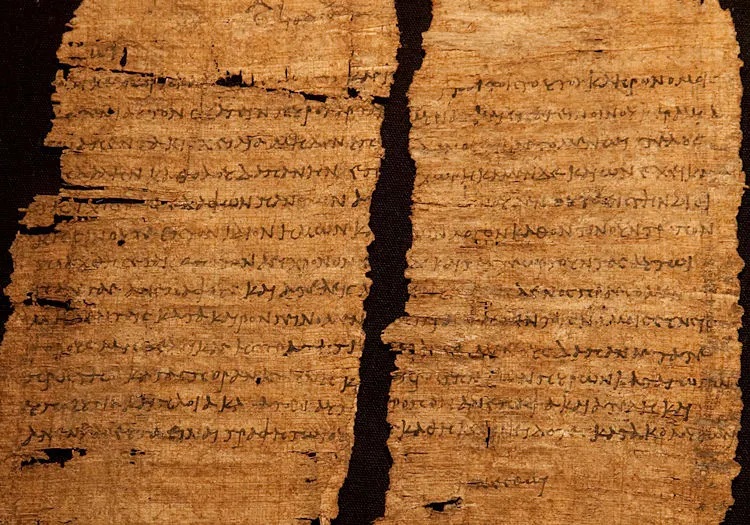 Document
Primary source
Papyrus with Signature of Cleopatra VII
Ptolemaic scribe; possibly countersigned by Cleopatra VII · February 33 BCE
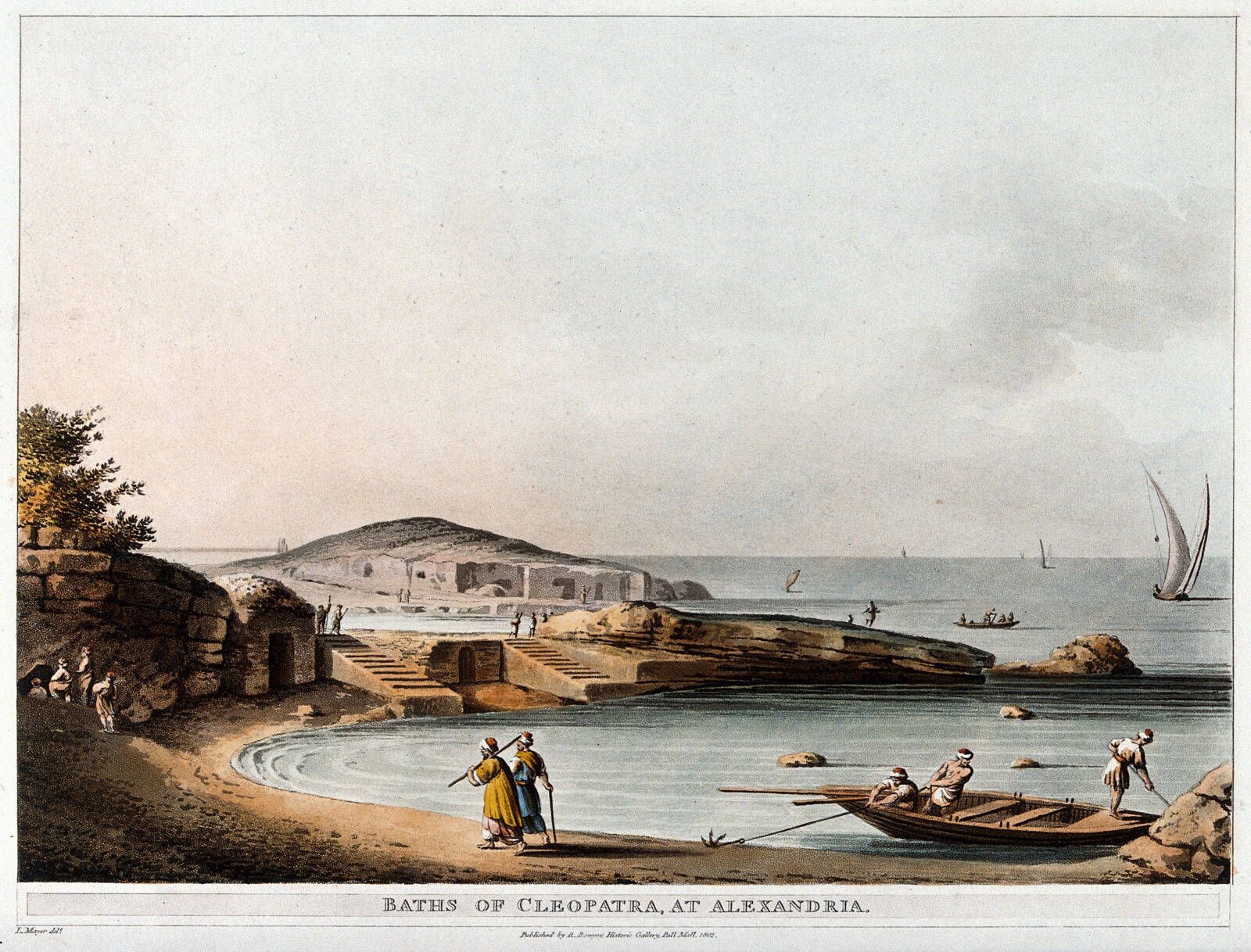 Painting
Secondary source
Baths of Cleopatra, at Alexandria
Luigi Mayer · 1802
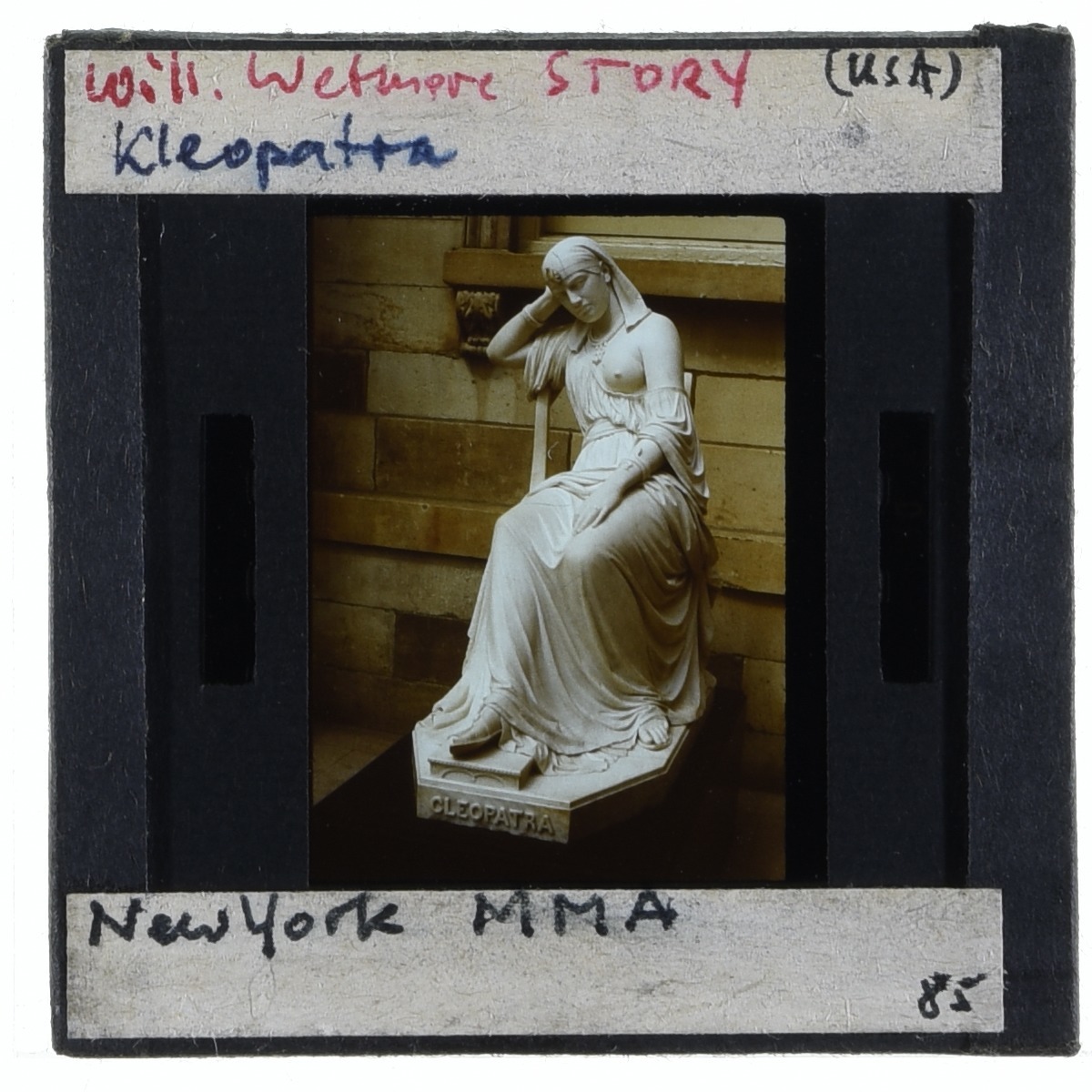 Sculpture
Secondary source
Cleopatra
William Wetmore Story
 Sculpture
Primary source
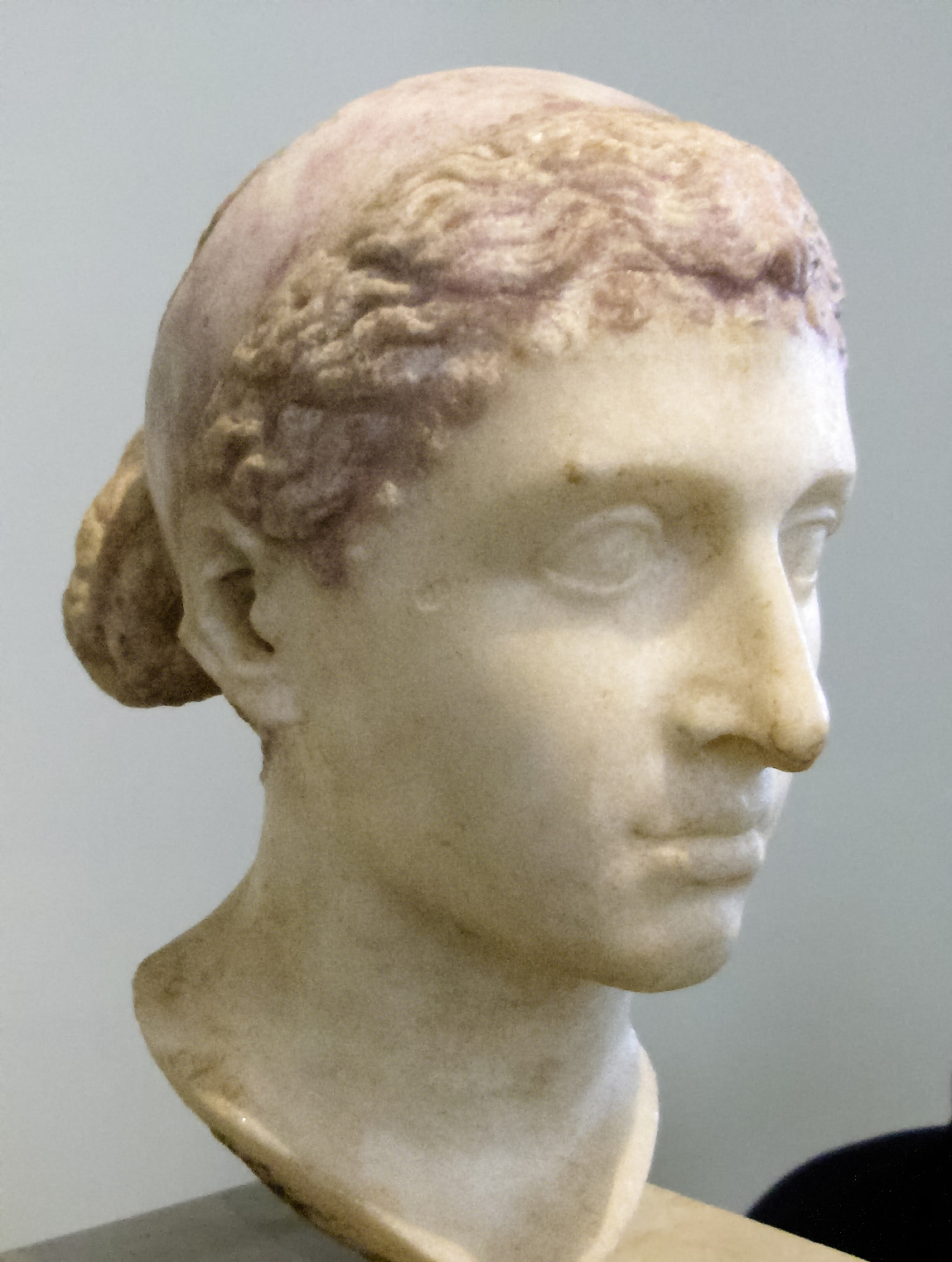
Portrait of Cleopatra (Berlin Bust)
c. 40-30 BCE
 Sculpture
Primary source
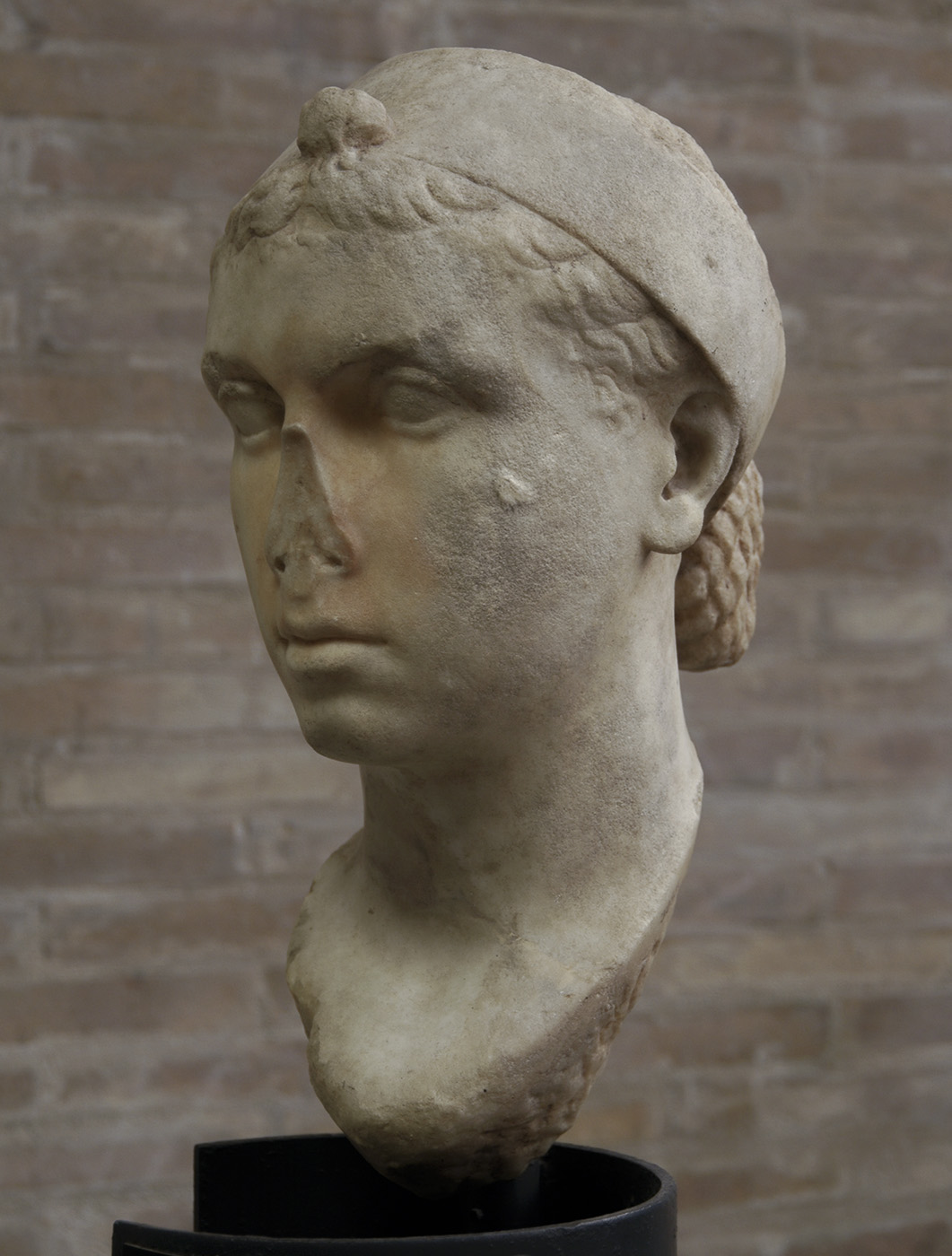
Head-Portrait of Cleopatra VII (Vatican Bust)
c. 40-30 BCE
Ready when you are
Start chatting with Cleopatra now.
20 messages free · No credit card · Available in 50+ languages.