


Primary sourceBook1797
Hermann und Dorothea
Johann Wolfgang von Goethe · 1797
Goethe's German verse epic of 1797, depicting social life during the era of the French Revolution.
Goethe's own verse epic, reflecting his literary response to the upheavals of the Revolutionary era.
About this source
What it is
This is the full text of Hermann und Dorothea, a German verse epic written by Goethe in 1797. It is divided into nine sections named after the Muses, telling a story set against the backdrop of refugees fleeing conflict during the Revolutionary era.
Why it matters
The poem shows Goethe turning his attention to the ordinary lives of German townspeople disrupted by the political upheavals of his time, following the French Revolution. It reflects how major historical events shaped the literature and concerns of writers like Goethe.
Look closer
- Why might Goethe choose ordinary townspeople, rather than kings or generals, as the subjects of his epic?
- What does the opening description of an empty, deserted town suggest about the mood of the story?
- How might a poem written about refugees reflect the anxieties of its own time?
This book is part of the curated material that grounds the AI version of Johann Wolfgang von Goethe on Humy.ai — when students ask about related events, the AI can quote it and cite it.
More Johann Wolfgang von Goethe sources
Meet the AI Johann Wolfgang von Goethe →Primary source
Faust
Johann Wolfgang von Goethe · drafted 1770s-1831
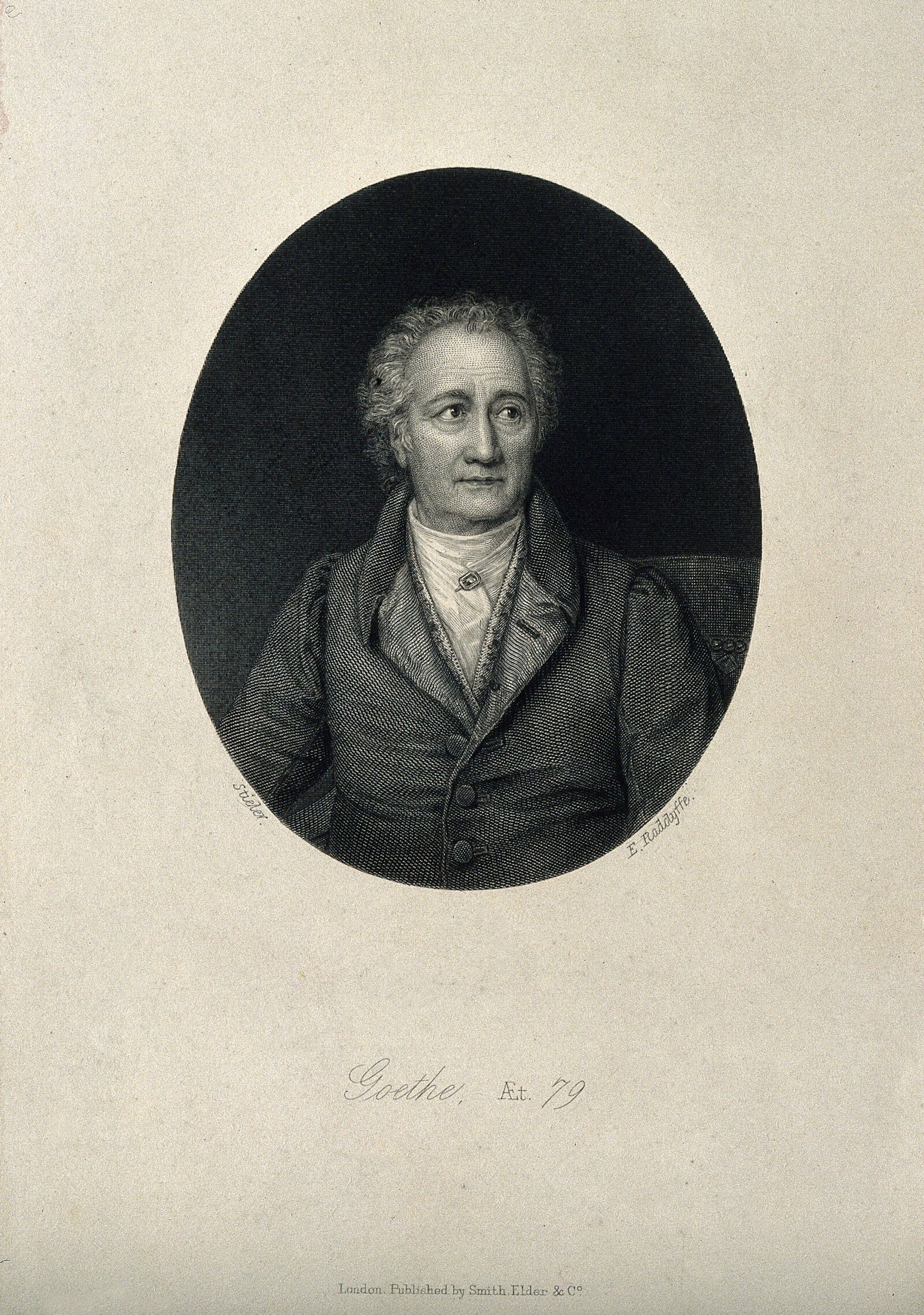 Painting
Primary source
Goethe Line Engraving by Radclyffe after Stieler
E. Radclyffe after J. K. Stieler · 1828
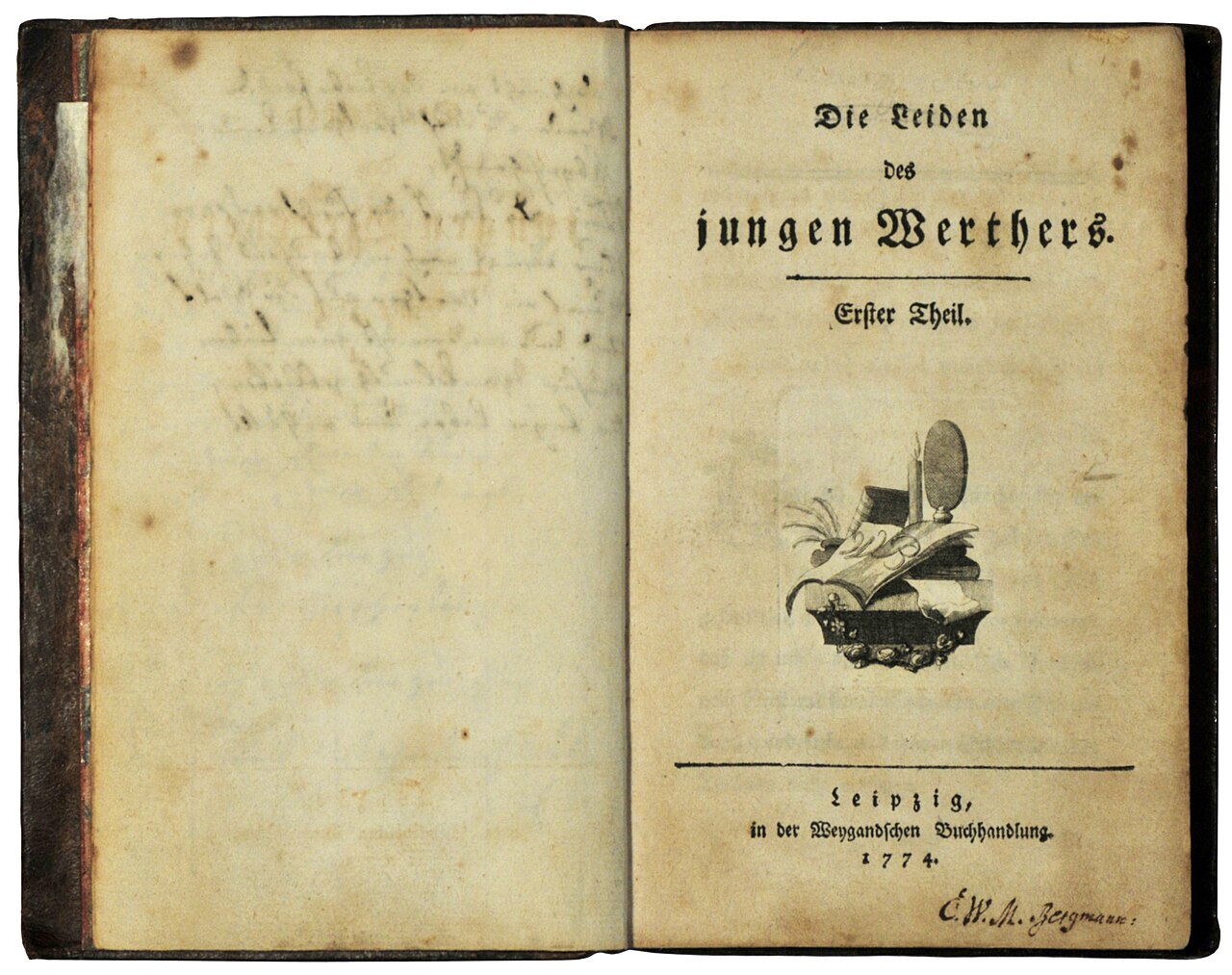 Book
Primary source
The Sorrows of Young Werther
Johann Wolfgang von Goethe · 1774
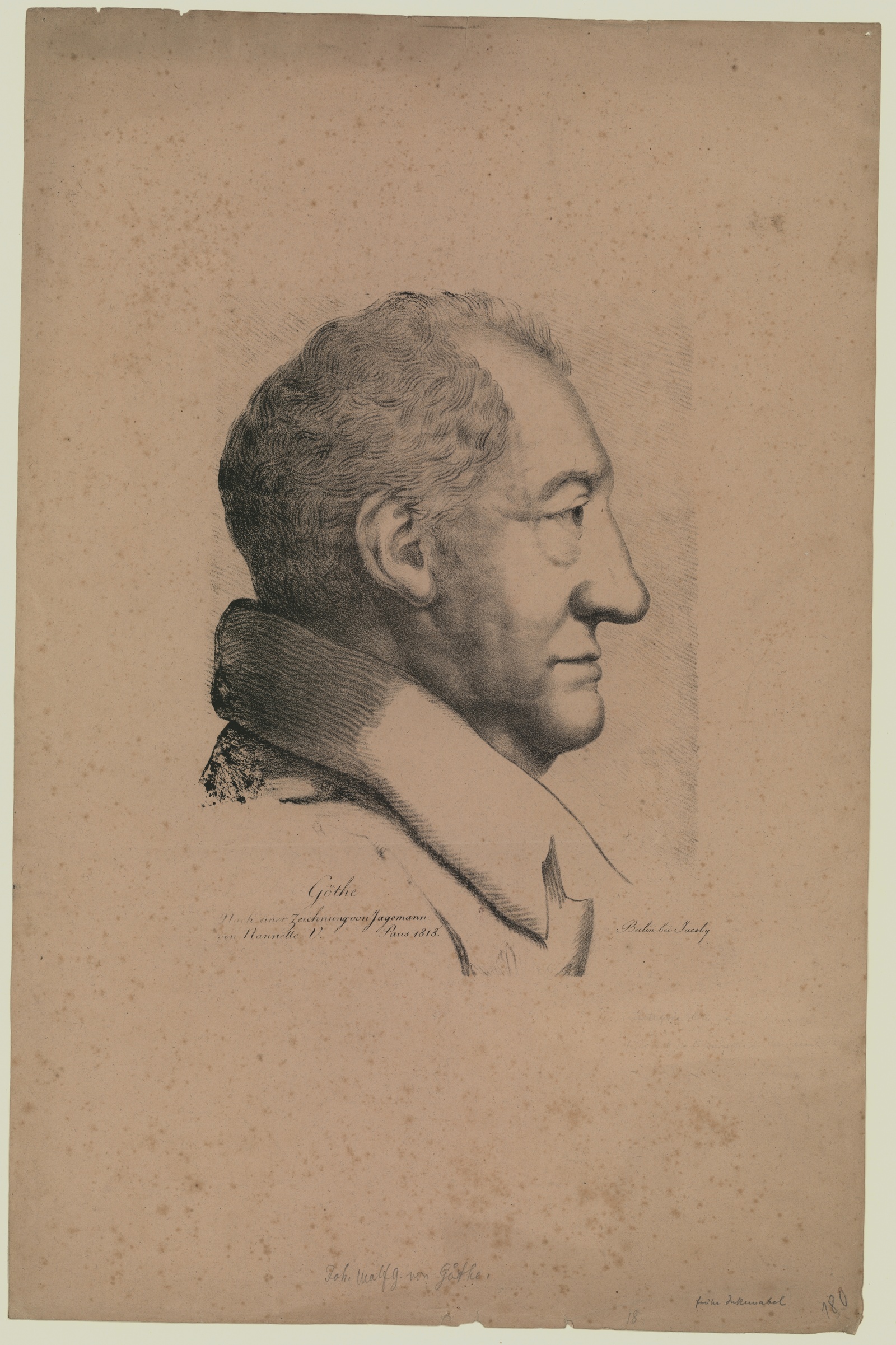 Painting
Primary source
Lithograph Portrait of Goethe by Jagemann and Nanette
F. Jagemann and Nanette · c. 1818
Primary source
Der Erlkönig
Johann Wolfgang von Goethe · 1782
Ready when you are
Start chatting with Johann Wolfgang von Goethe now.
20 messages free · No credit card · Available in 50+ languages.