


Secondary sourceDocumentc. 670 BCE
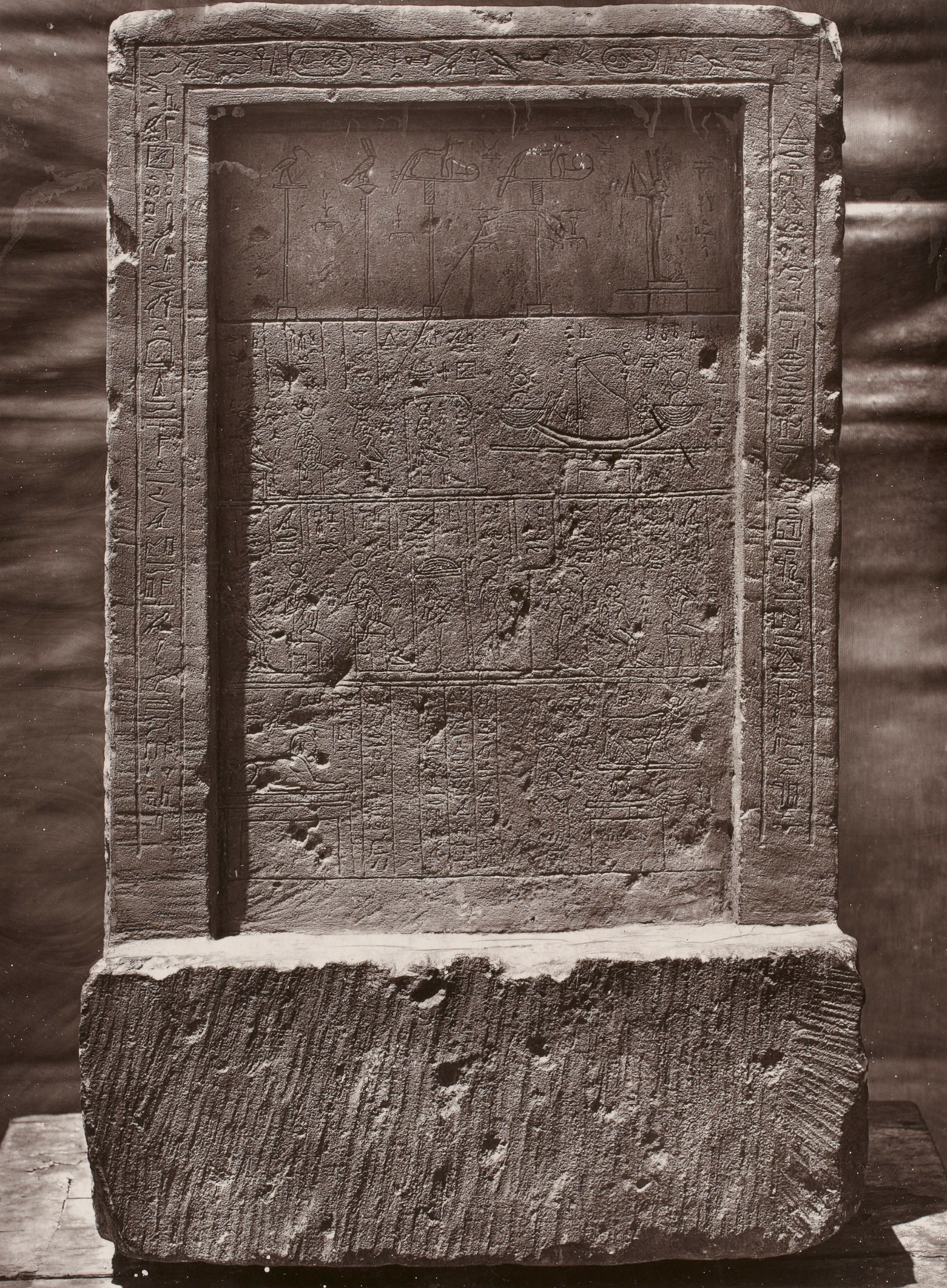
Inventory Stela
c. 670 BCE
A Late Period limestone stela naming Khufu and queen Henutsen, showing how Egyptians over a thousand years later remembered and reshaped his legacy.
Names Khufu centuries after his death, showing how later Egyptians reinvented his legacy for their own purposes.
About this source
What it is
The Inventory Stela, also called the Stela of Khufu's Daughter, is a limestone commemorative tablet from the 26th Dynasty, around 670 BCE, discovered at Giza in 1858 by Auguste Mariette. It lists statues belonging to a Temple of Isis and claims the temple existed before Khufu's time, saying Khufu rebuilt it and built a pyramid for "king's daughter" Henutsen.
Why it matters
Though it mentions Khufu, the stela was made about two thousand years after he lived. Scholars believe temple priests created it to give their temple a false ancient history, for prestige and donations. It reveals less about Khufu himself and more about how later Egyptians reused famous names to boost their own institutions.
Look closer
- Why might a temple's priests want to connect their building to a long-dead famous king?
- What clues in the text made historians suspicious of its claims?
- What does this teach us about trusting sources written long after the events they describe?
This document is part of the curated material that grounds the AI version of Pharaoh Khufu (Cheops) on Humy.ai — when students ask about related events, the AI can quote it and cite it.
More Pharaoh Khufu (Cheops) sources
Meet the AI Pharaoh Khufu (Cheops) →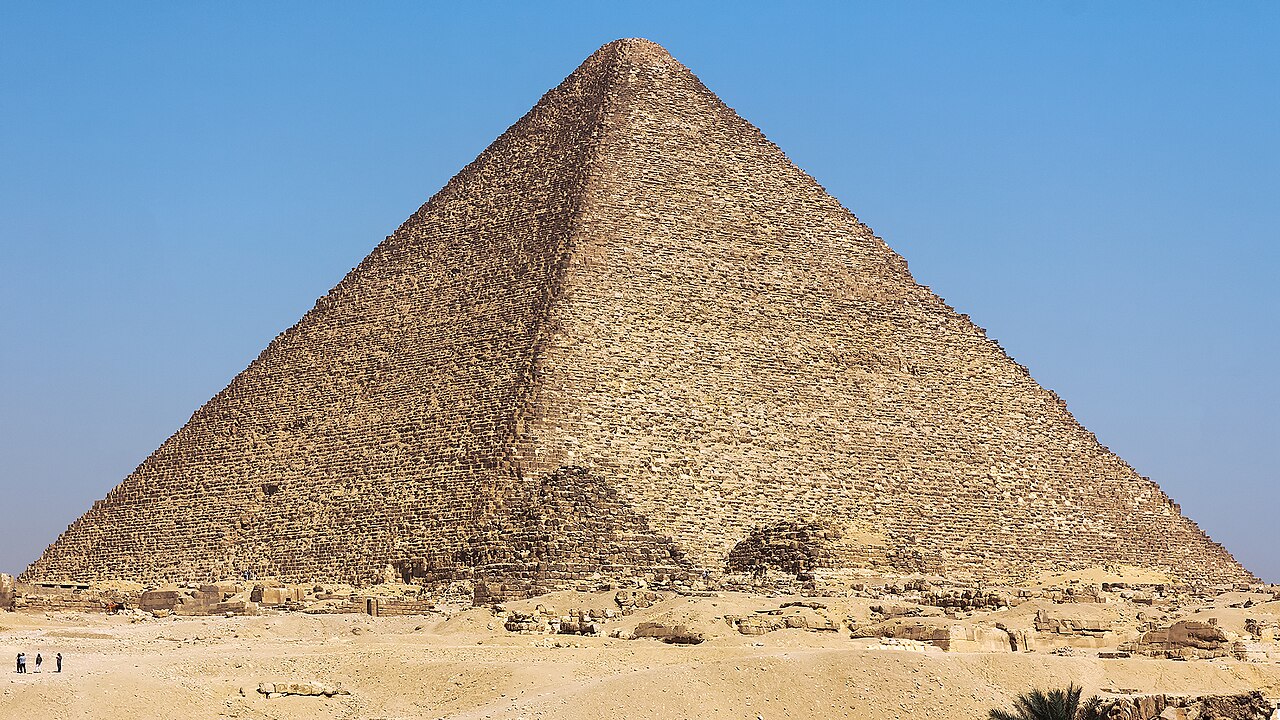 Artifact
Primary source
Great Pyramid of Giza
c. 2560 BCE
 Photograph
Secondary source
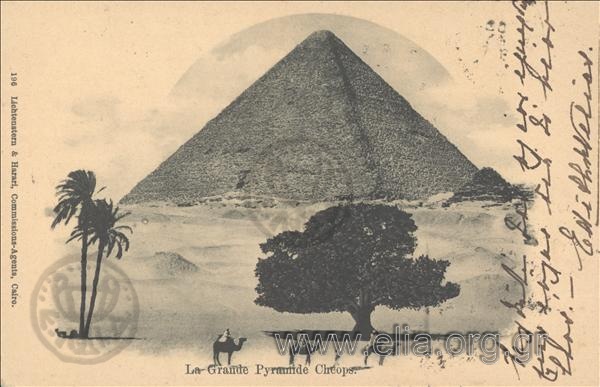
La Grande Pyramide Cheops
1903
 Sculpture
Primary source
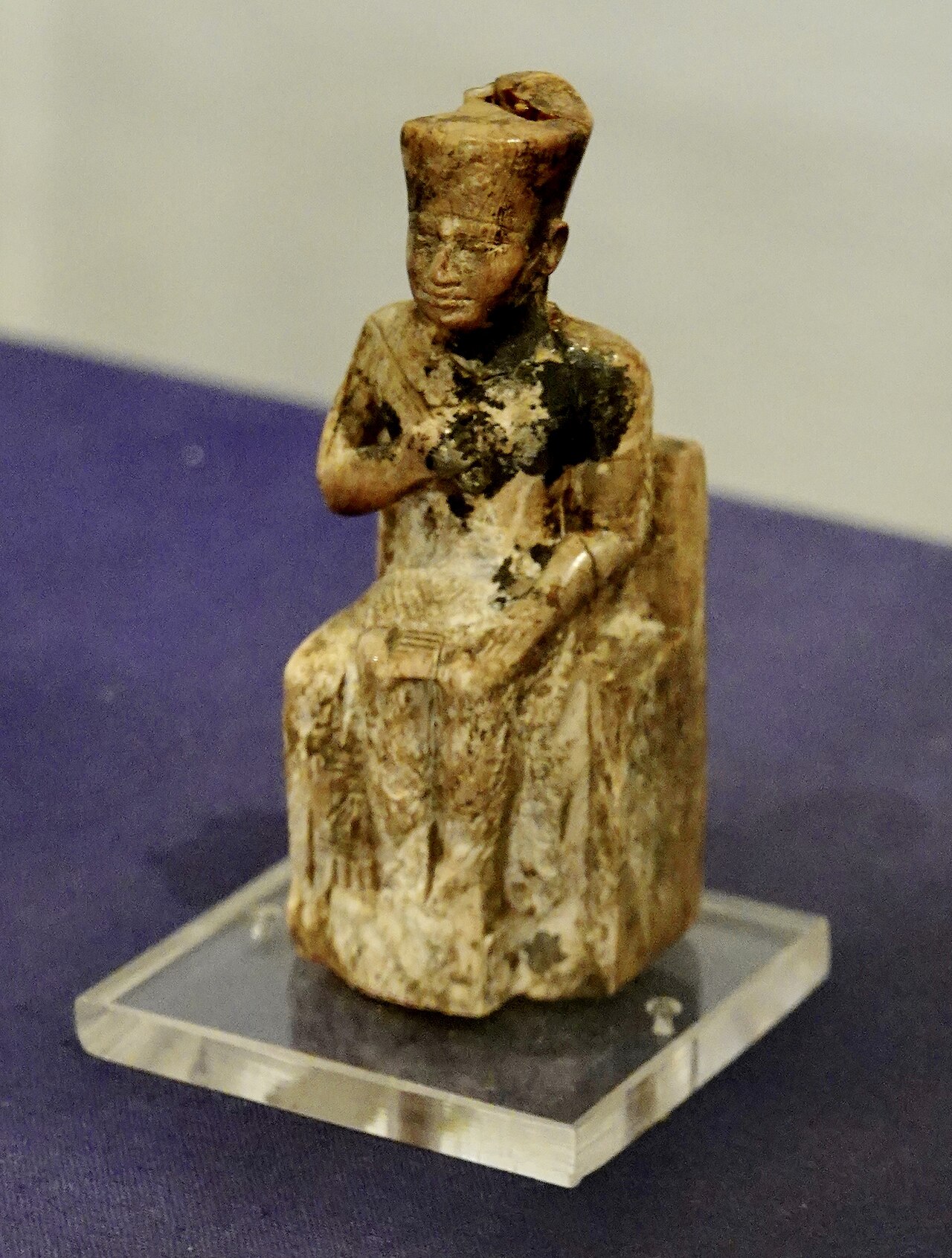
Khufu Statuette
c. 2600–2494 BCE (possibly later, 664–525 BCE)
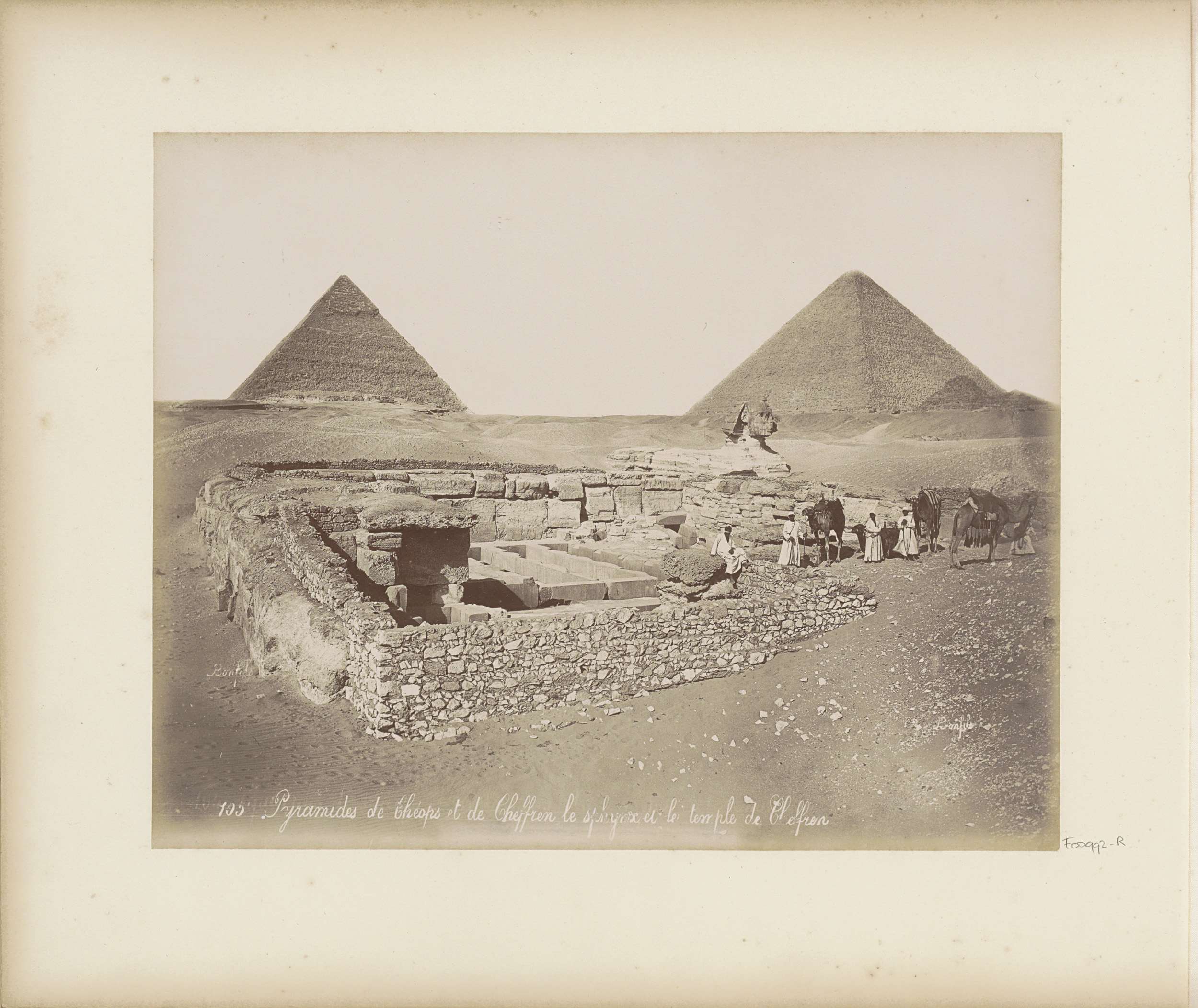 Photograph
Secondary source
Pyramids of Cheops and Chephren and the Sphinx at Giza
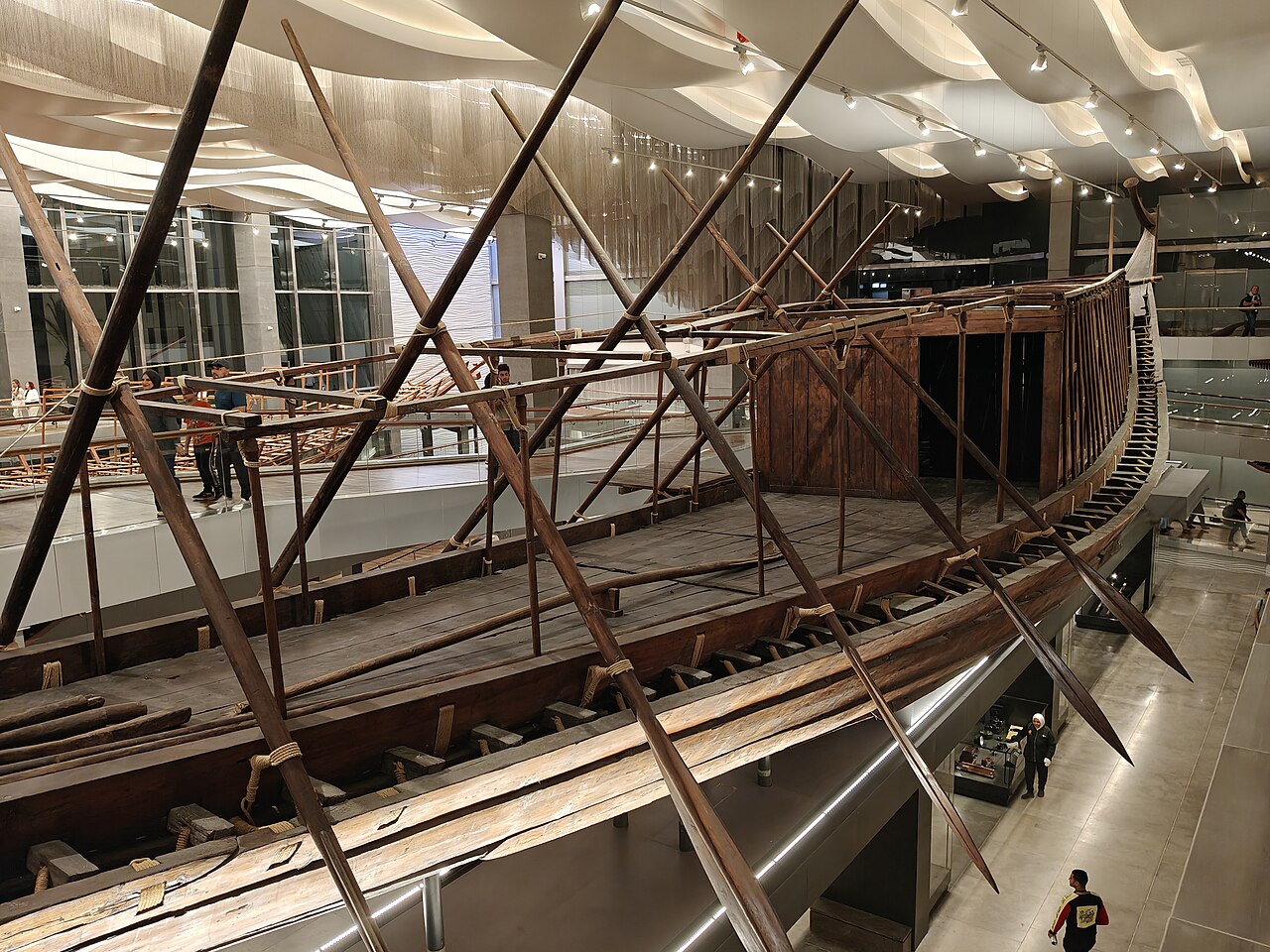 Artifact
Primary source
Khufu ship
Royal shipwrights of Khufu · c. 2566 BCE
Ready when you are
Start chatting with Pharaoh Khufu (Cheops) now.
20 messages free · No credit card · Available in 50+ languages.