


Primary sourceBook
Ion
Plato
A short Platonic dialogue in which Socrates questions Ion, a professional rhapsode who performs Homer, about whether his skill comes from knowledge or from divine inspiration.
Plato wrote this dialogue, in which Socrates questions the rhapsode Ion about poetry, skill and divine inspiration.
About this source
What it is
Ion is one of the shortest dialogues of Plato. Socrates talks with Ion of Ephesus, a rhapsode, a professional performer of poetry who specialized in Homer. Ion has just won first prize at a festival at Epidaurus. Socrates asks whether Ion's performance comes from skill and knowledge or from divine possession, and he compares the rhapsode to a link in a chain of magnets that carries the Muse's inspiration to the audience.
Why it matters
The dialogue shows how Athenians of Plato's time debated poetry, performance and expertise. Plato has Socrates argue that Ion cannot be speaking from a definable art, which bears on Plato's own ambivalence about the poetry he once wrote. The context also includes Athens' losses in the Sicilian expedition and its hiring of foreign mercenaries, which gives Socrates' suggestion that Ion act as a general a real point.
Look closer
- Ion changes between being a rhapsode and a general. Why might the dialogue show him switching roles so easily?
- Socrates says gods speak through poets and performers. Who benefits from this explanation, and who does it leave out?
- What does the dialogue reveal about how Athenians valued performers and foreigners?
This book is part of the curated material that grounds the AI version of Plato on Humy.ai — when students ask about related events, the AI can quote it and cite it.
More Plato sources
Meet the AI Plato →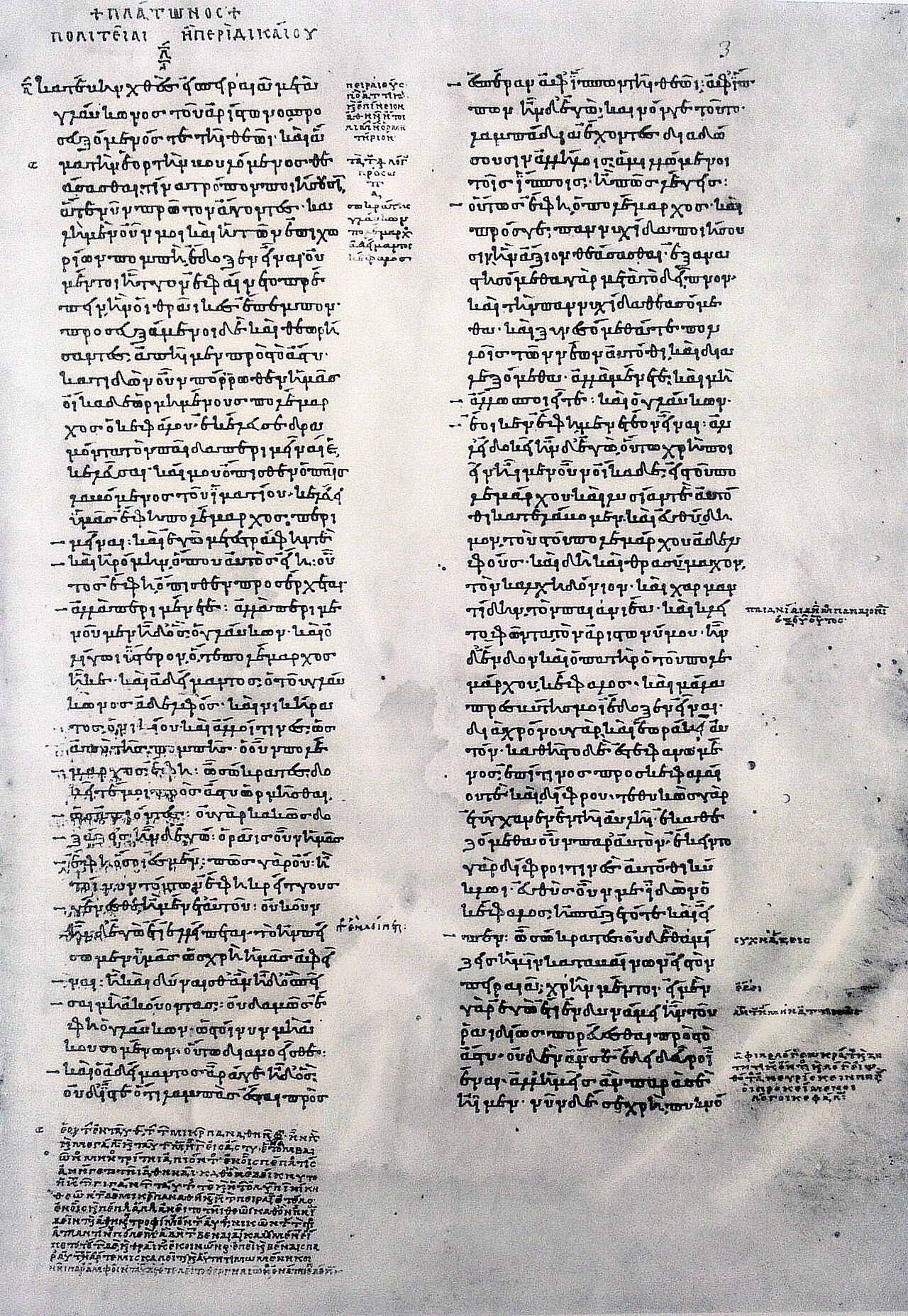 Book
Secondary source
The Republic
Plato · c. 375 BC
 Book
Primary source
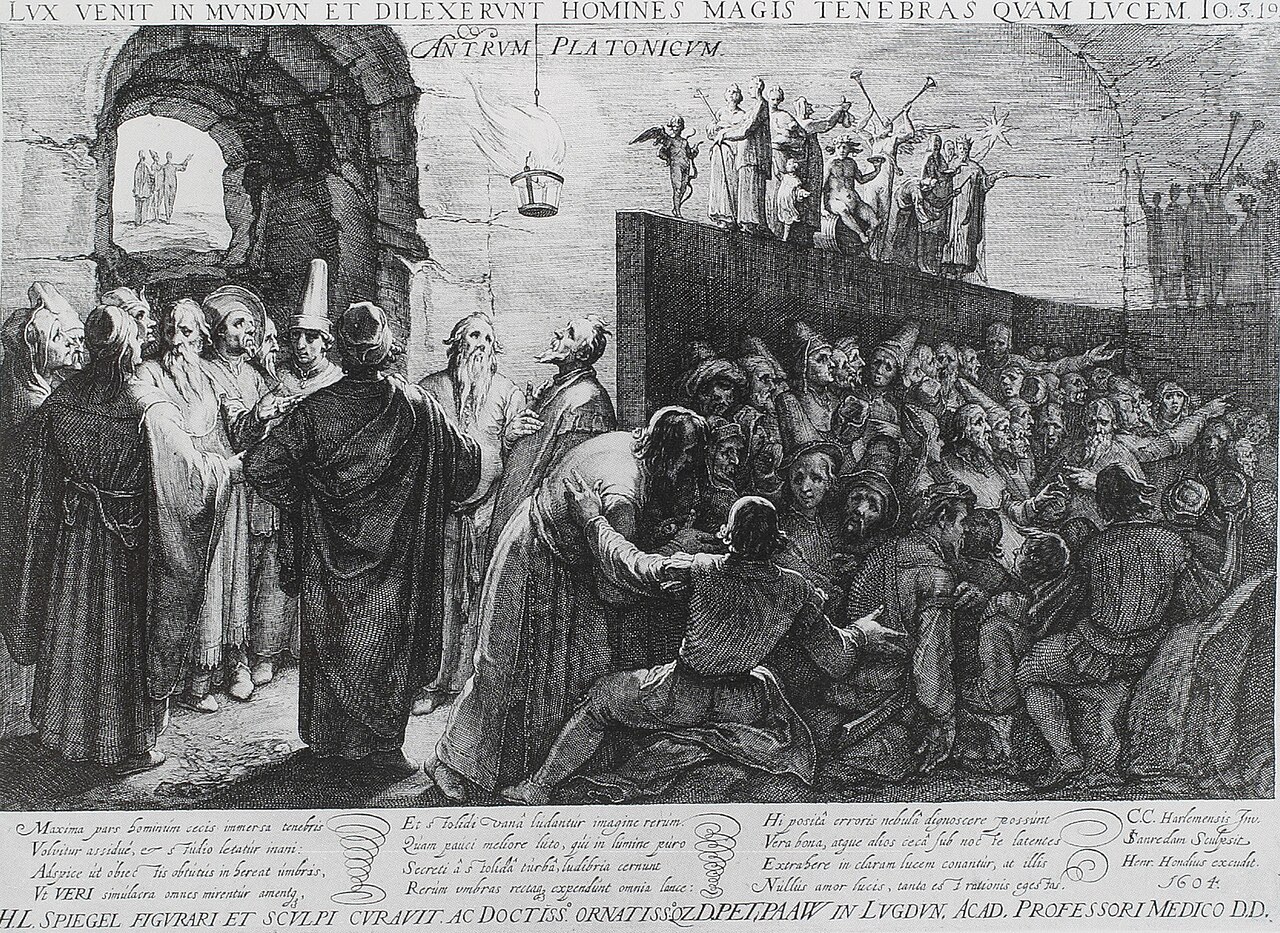
Allegory of the Cave
Plato · c. 400 BC
Secondary source
Apology
Plato · c. 395 BC
 Sculpture
Secondary source
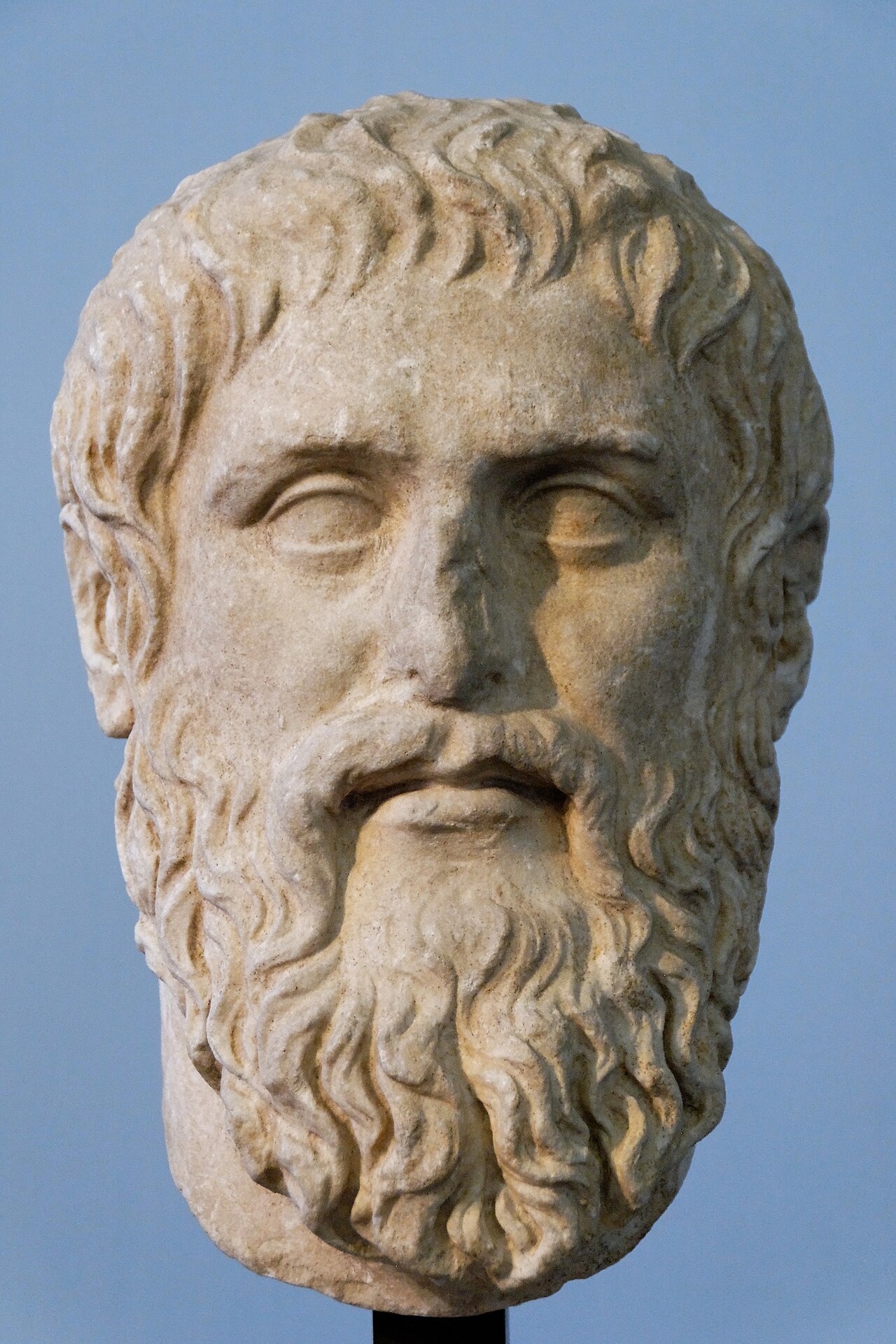
Portrait of Plato
Silanion (original type) · ca. 370 BC (original type); this copy Roman era
 Book
Secondary source
Phaedo
Plato · c. 360 BC
Ready when you are
Start chatting with Plato now.
20 messages free · No credit card · Available in 50+ languages.