


Primary sourceBook1787
Iphigenia in Tauris
Johann Wolfgang von Goethe · 1787
A blank-verse tragedy by Goethe reworking the Greek myth, written and revised during his Italian journey, and a model of Weimar Classicism.
Goethe wrote and revised this play himself, carrying its manuscript on his Italian journey.
About this source
What it is
Iphigenia in Tauris is a play by Johann Wolfgang von Goethe, reworking the ancient Greek tragedy by Euripides. Goethe wrote early prose versions starting in 1779, then rewrote it in verse in 1786, carrying the manuscript with him on his famous journey to Italy.
Why it matters
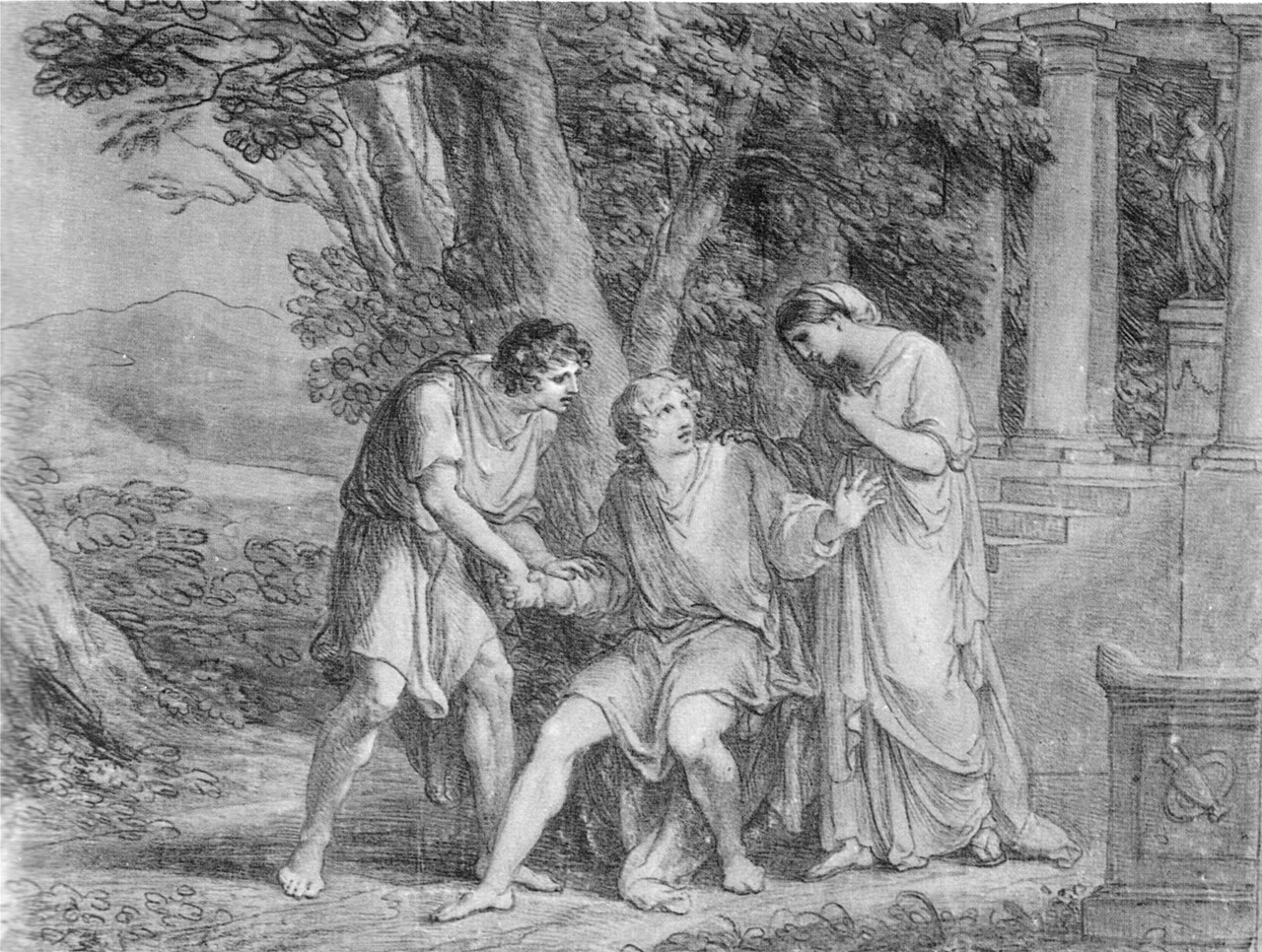
The play tells of Iphigenia, priestess in a foreign land, torn between loyalty to the gods, her family's curse, and her longing for home. It became the model drama of Weimar Classicism, an ideal of humanist restraint and moral dignity that Goethe and his circle valued highly. The surviving illustration shows Goethe himself once performed in the role of Orestes at a Weimar premiere.
Look closer
- Why might Goethe have chosen to rework an ancient Greek myth rather than invent a new story?
- What does the image of Goethe acting in his own play suggest about his relationship to his work?
- What values does the play seem to promote, and why might these have mattered in Goethe's time?
This book is part of the curated material that grounds the AI version of Johann Wolfgang von Goethe on Humy.ai — when students ask about related events, the AI can quote it and cite it.
More Johann Wolfgang von Goethe sources
Meet the AI Johann Wolfgang von Goethe →Primary source
Faust
Johann Wolfgang von Goethe · drafted 1770s-1831
 Painting
Primary source
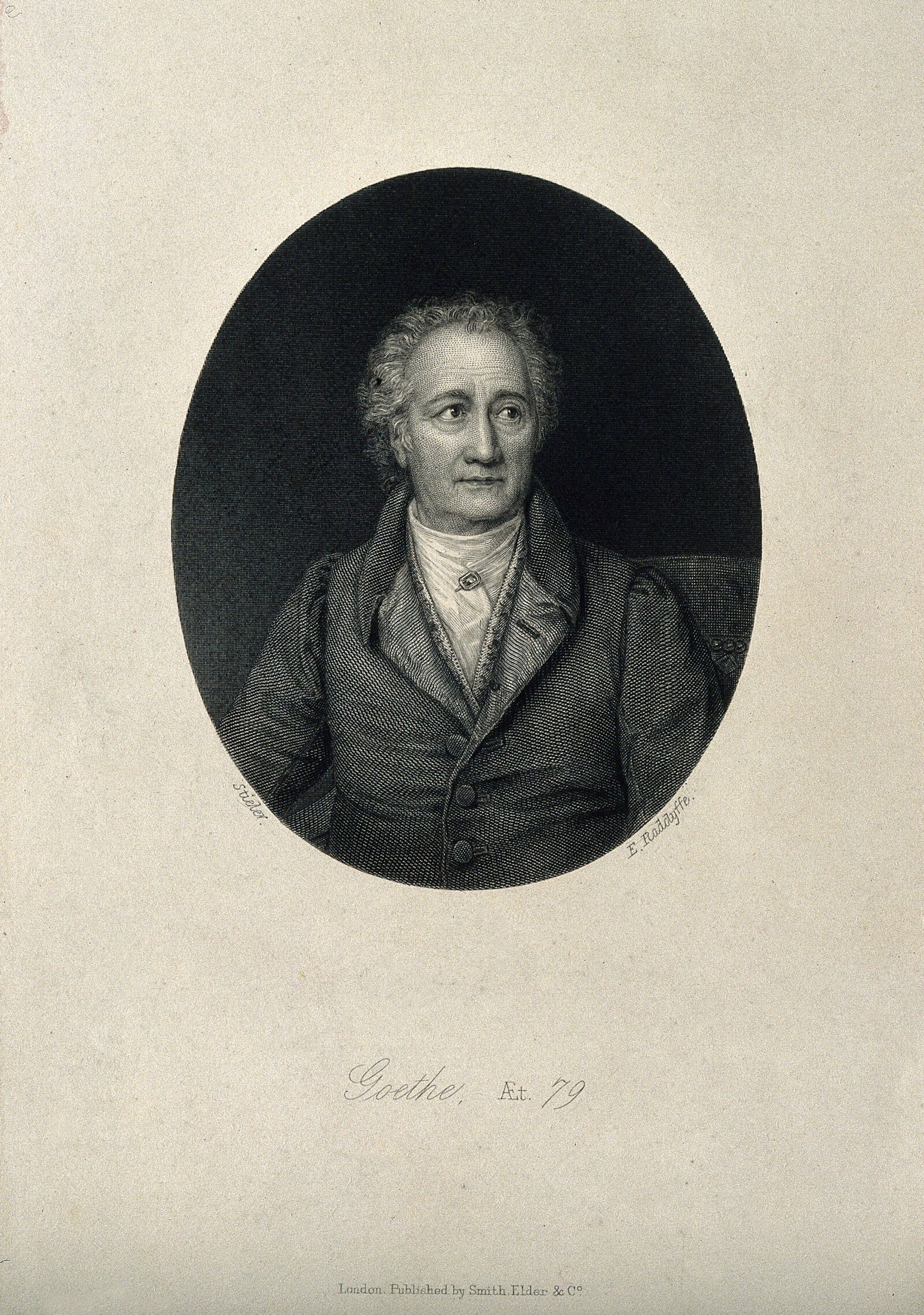
Goethe Line Engraving by Radclyffe after Stieler
E. Radclyffe after J. K. Stieler · 1828
 Book
Primary source
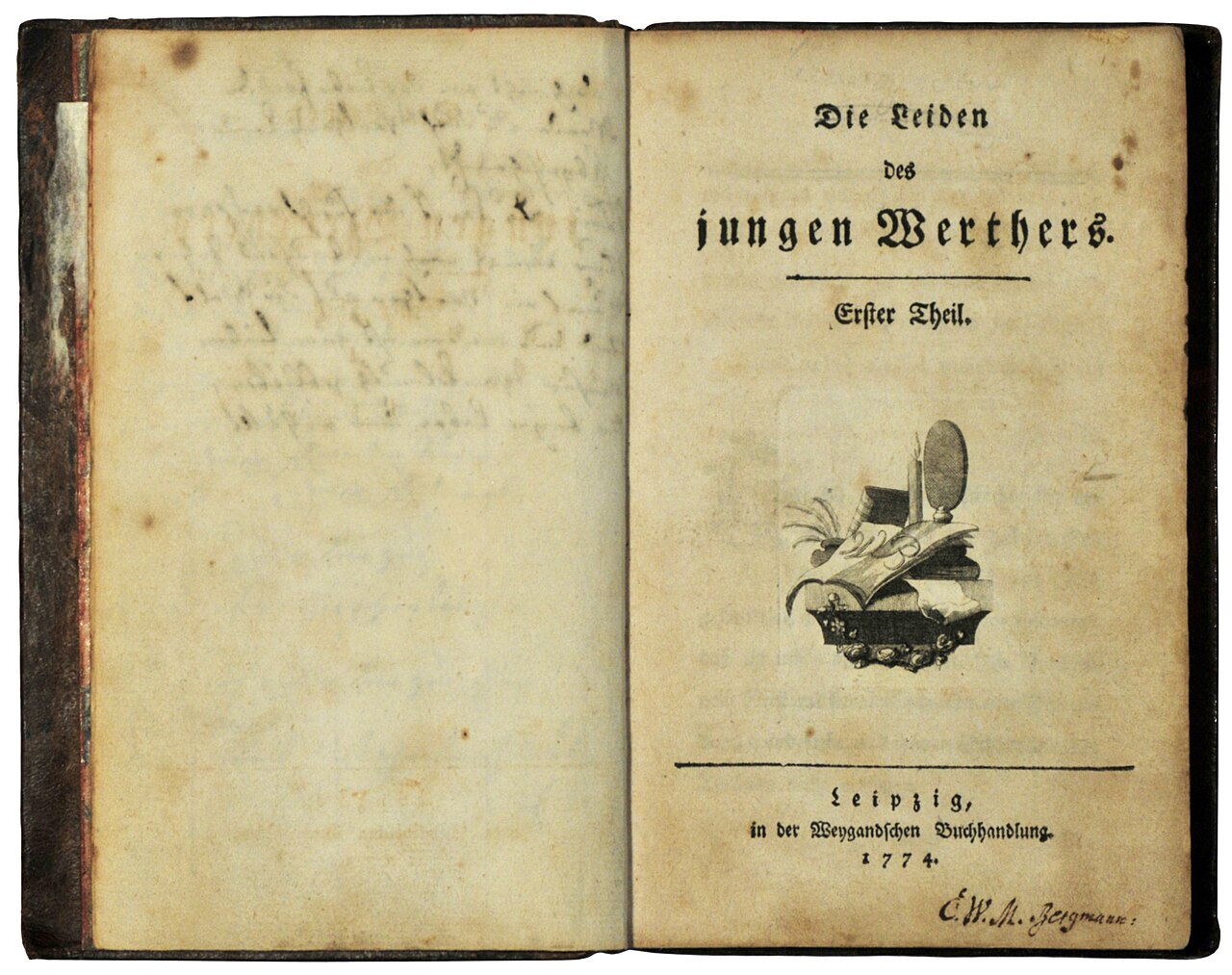
The Sorrows of Young Werther
Johann Wolfgang von Goethe · 1774
 Painting
Primary source
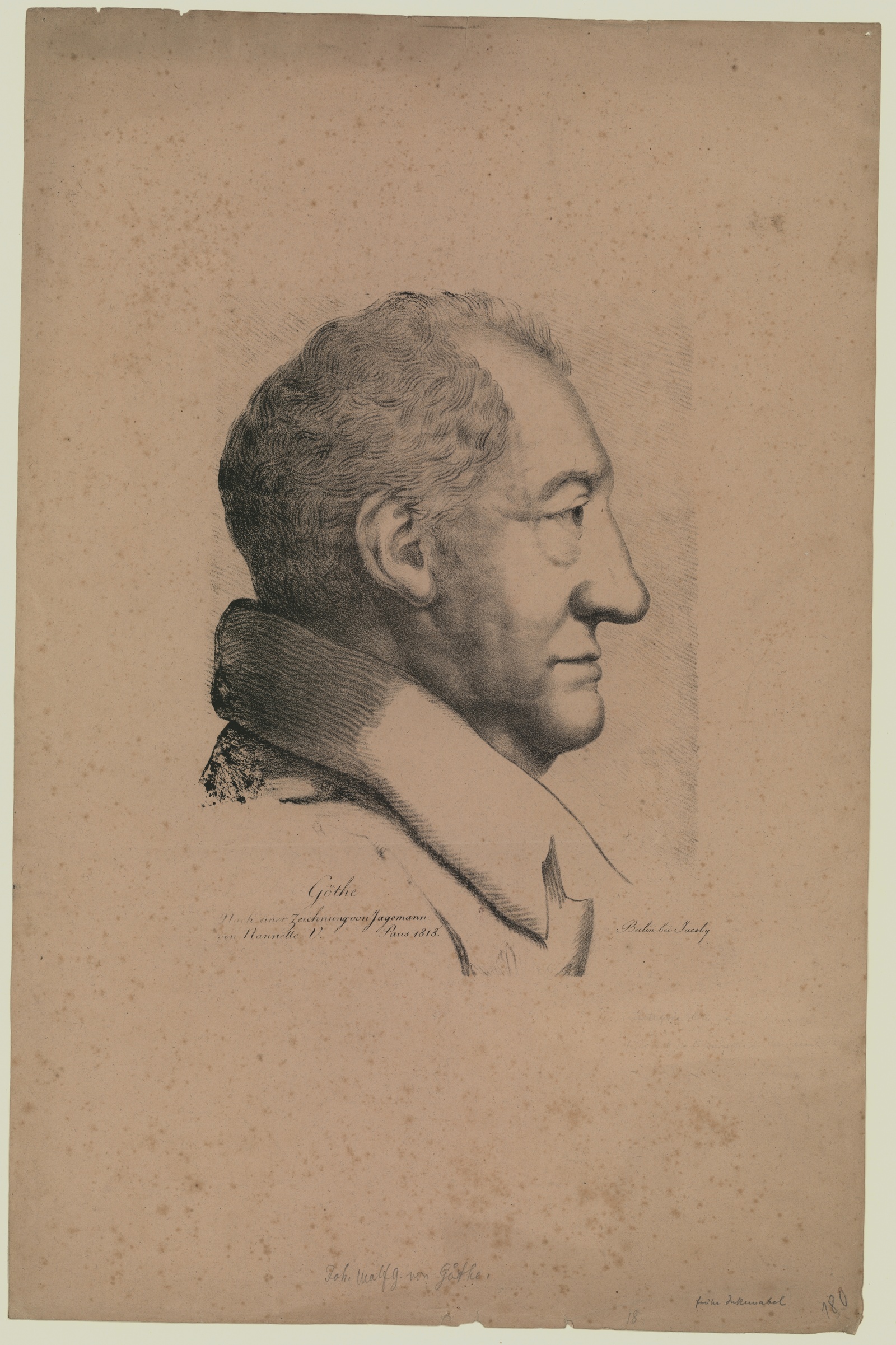
Lithograph Portrait of Goethe by Jagemann and Nanette
F. Jagemann and Nanette · c. 1818
Primary source
Der Erlkönig
Johann Wolfgang von Goethe · 1782
Ready when you are
Start chatting with Johann Wolfgang von Goethe now.
20 messages free · No credit card · Available in 50+ languages.