


Secondary sourceSculpture18th century (monument); photographed 2008
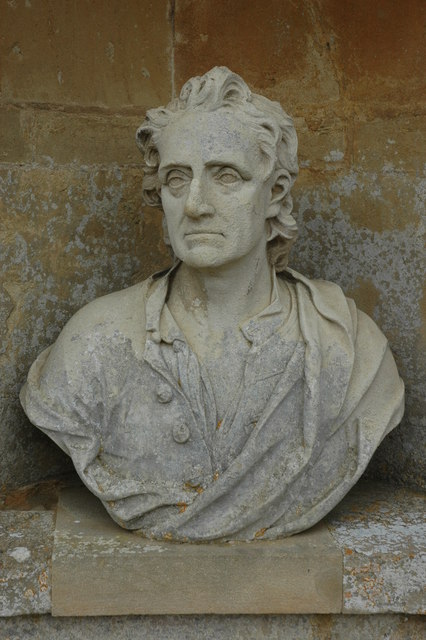
John Locke bust, Temple of British Worthies, Stowe
18th century (monument); photographed 2008
A weathered stone bust of John Locke, part of an eighteenth-century monument honouring famous Britons at Stowe gardens.
This bust commemorates Locke as one of Britain's most celebrated historical figures, honoured long after his death.
About this source
What it is
This is a photograph of a stone bust of John Locke, one of the carved heads in the Temple of British Worthies at Stowe gardens. The photograph was taken in 2008 by Philip Halling.
Why it matters
The Temple of British Worthies was built in the eighteenth century to celebrate people the garden's creators considered great figures of British history, including Locke. Including Locke here, over a century after his death, shows how later generations saw him as a founding figure of British thought on government and knowledge.
Look closer
- What does the stern, thoughtful expression suggest the sculptor wanted viewers to think of Locke?
- Why might eighteenth-century garden designers want to display philosophers alongside kings and soldiers?
- What does a monument like this tell us about Locke's reputation long after his death, rather than about his life itself?
This sculpture is part of the curated material that grounds the AI version of John Locke on Humy.ai — when students ask about related events, the AI can quote it and cite it.
More John Locke sources
Meet the AI John Locke →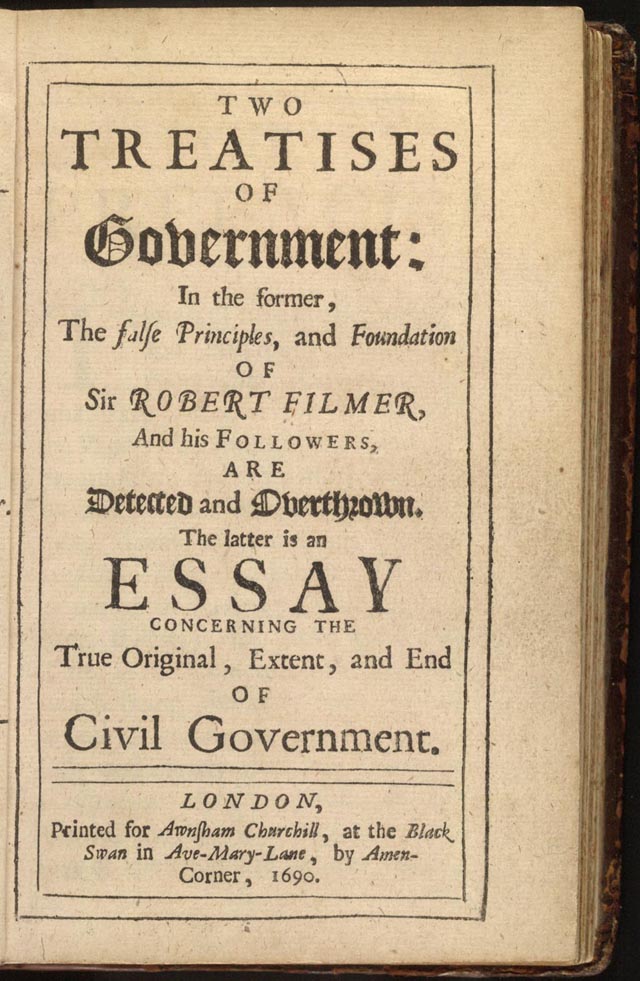 Book
Primary source
Two Treatises of Government
John Locke · 1689 (dated 1690)
 Book
Primary source
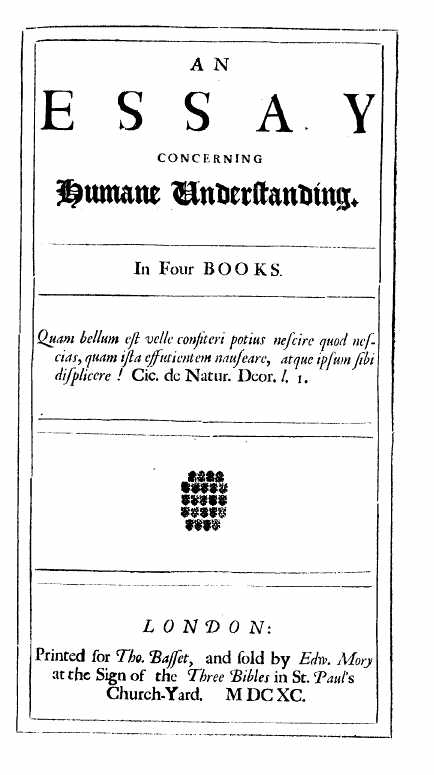
An Essay Concerning Human Understanding
John Locke · 1689 (dated 1690)
 Painting
Secondary source
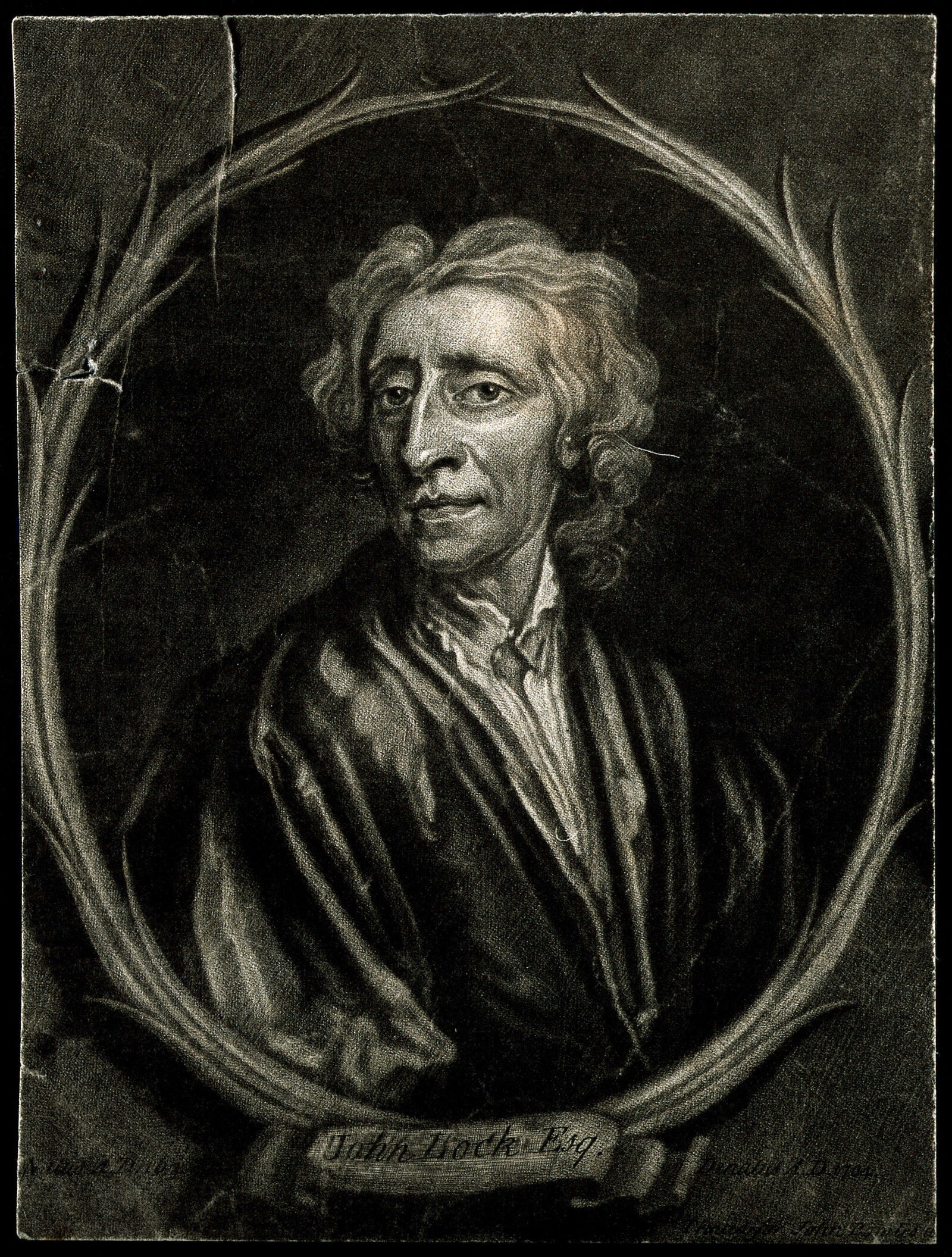
John Locke, Mezzotint after Godfrey Kneller
Godfrey Kneller
 Letter
Primary source
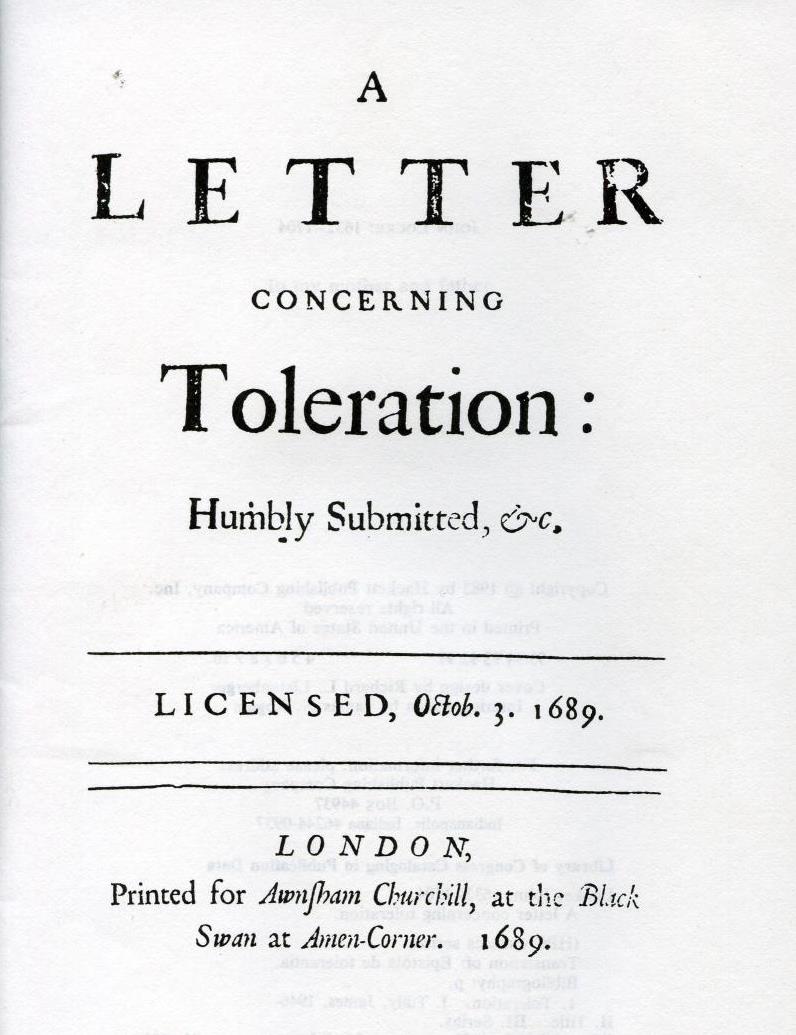
A Letter Concerning Toleration
John Locke · written 1685-1686, published 1689
 Painting
Secondary source
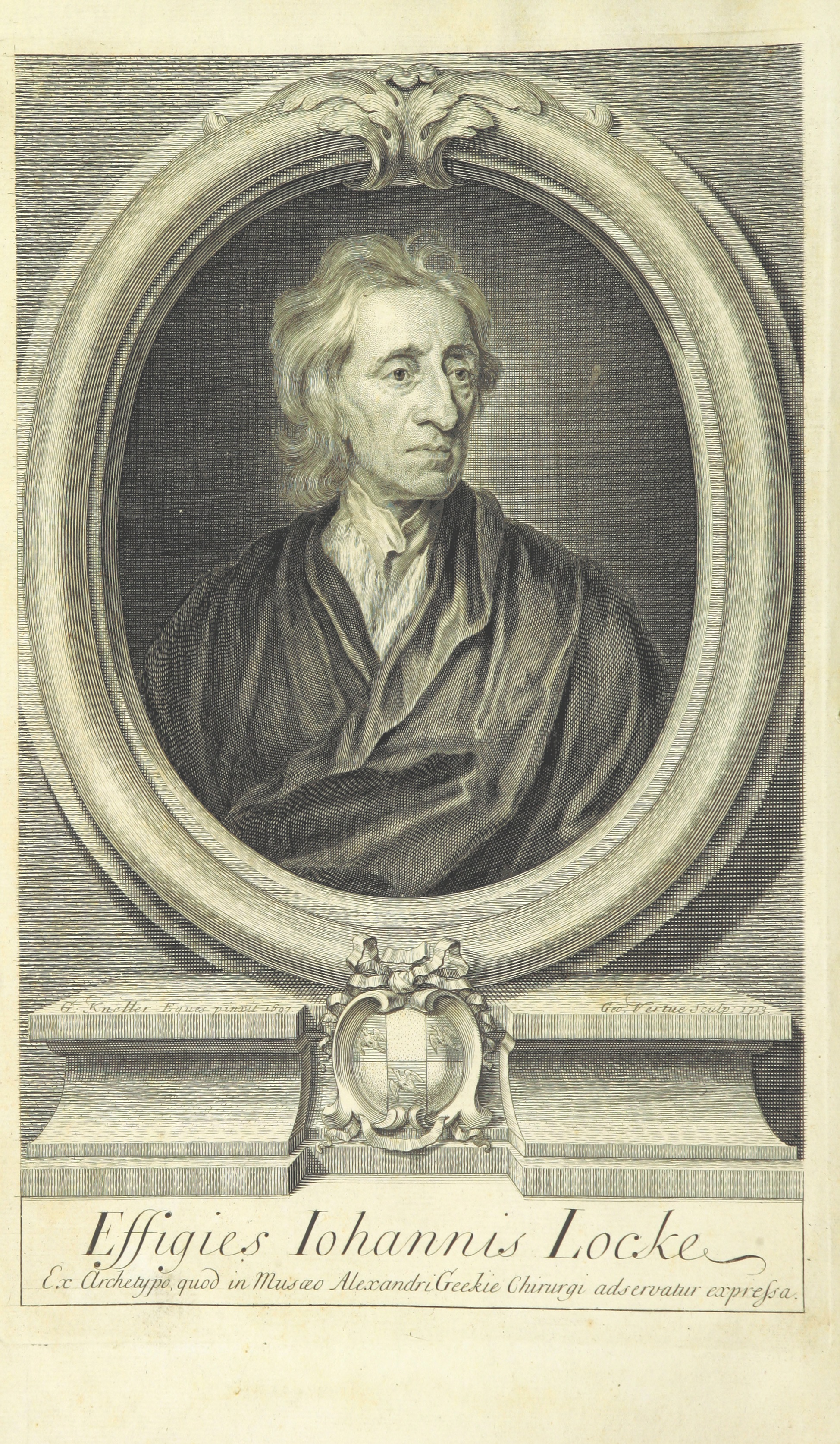
Portrait of John Locke, frontispiece to Works
George Vertue, after Sir Godfrey Kneller · 1722
Ready when you are
Start chatting with John Locke now.
20 messages free · No credit card · Available in 50+ languages.