


Primary sourcePainting18th century, before 1751
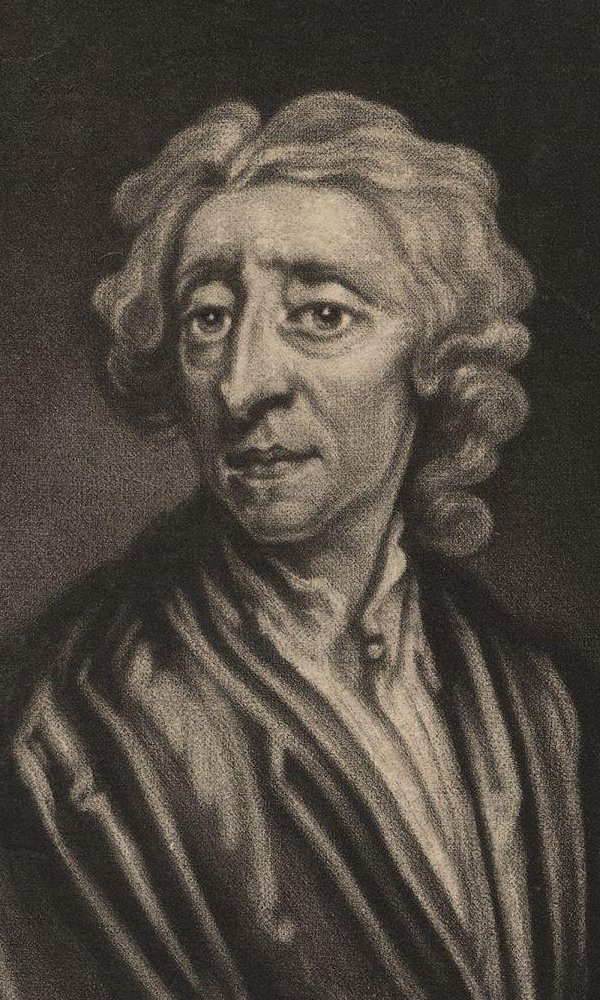
John Locke engraving by John Simon
John Simon · 18th century, before 1751
An 18th-century engraved portrait of John Locke, made by the engraver John Simon and held by the National Portrait Gallery.
An engraved portrait depicting Locke, made during or near his lifetime and used to spread his likeness.
About this source
What it is
This is an engraved portrait of John Locke made by John Simon, an engraver who died in 1751. It shows Locke with a long wig and a direct gaze, dressed in a loose coat, and is held in the collection of the National Portrait Gallery.
Why it matters
As a portrait made during or close to Locke's lifetime, this engraving helped shape how people pictured the philosopher. Locke is remembered as the first of the British empiricists and as an important figure in social contract theory, and portraits like this one circulated his image among readers of his works.
Look closer
- What does Locke's clothing and pose suggest about how he wanted to be seen?
- Why might an engraving, rather than a painting, have been chosen to spread his image widely?
- What can't a portrait like this tell us about Locke's ideas or character?
This painting is part of the curated material that grounds the AI version of John Locke on Humy.ai — when students ask about related events, the AI can quote it and cite it.
More John Locke sources
Meet the AI John Locke →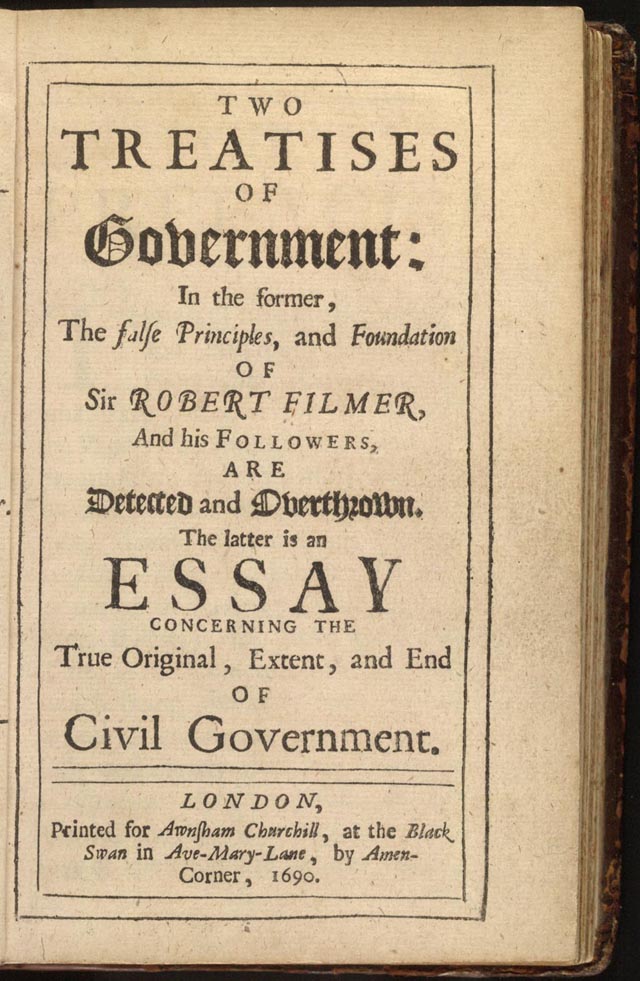 Book
Primary source
Two Treatises of Government
John Locke · 1689 (dated 1690)
 Book
Primary source
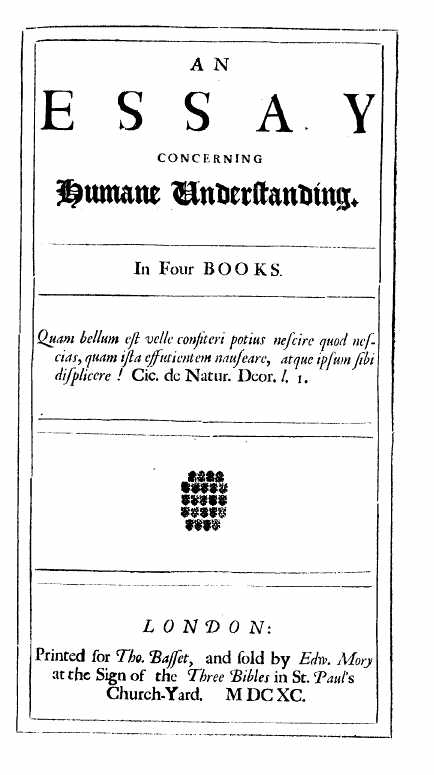
An Essay Concerning Human Understanding
John Locke · 1689 (dated 1690)
 Painting
Secondary source
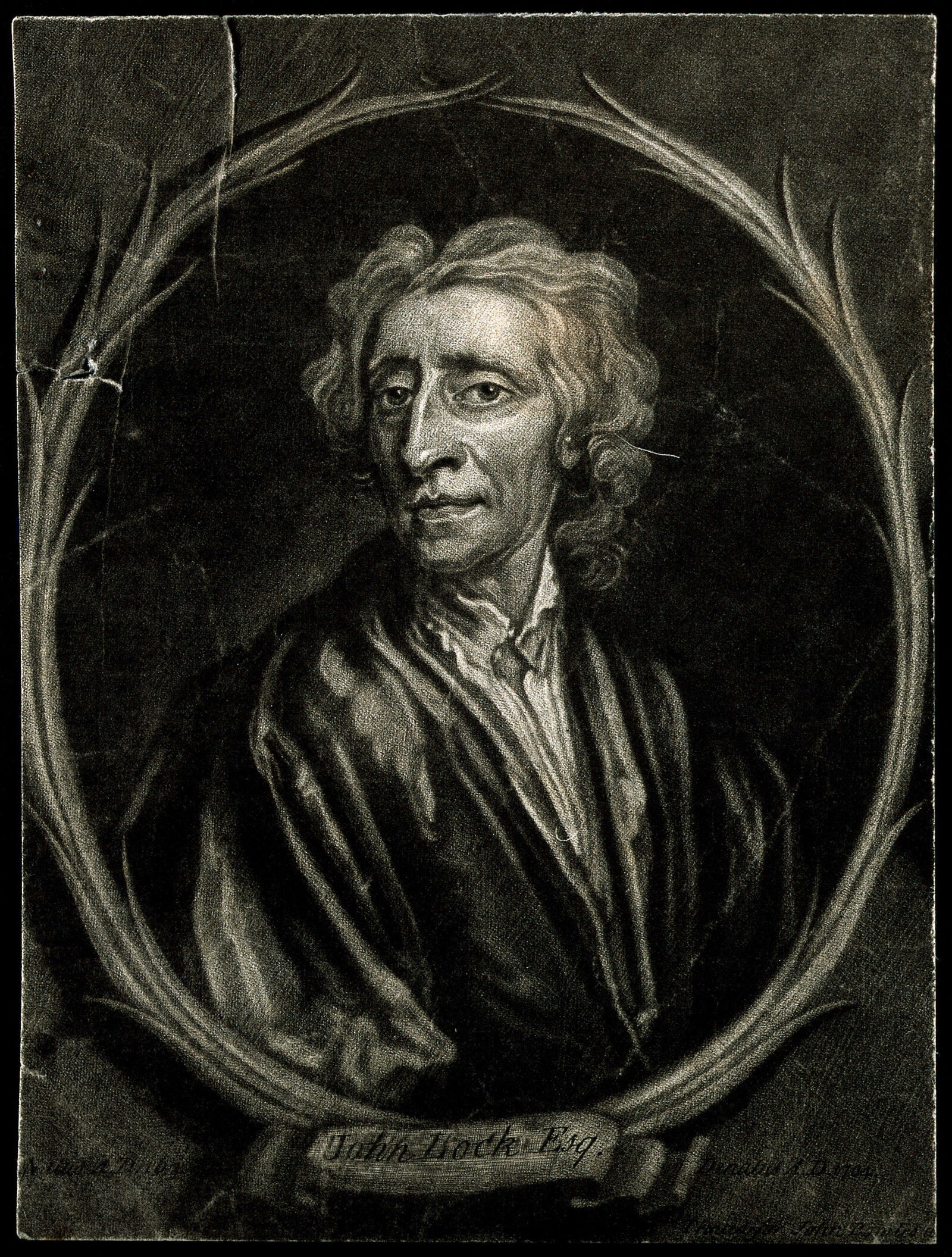
John Locke, Mezzotint after Godfrey Kneller
Godfrey Kneller
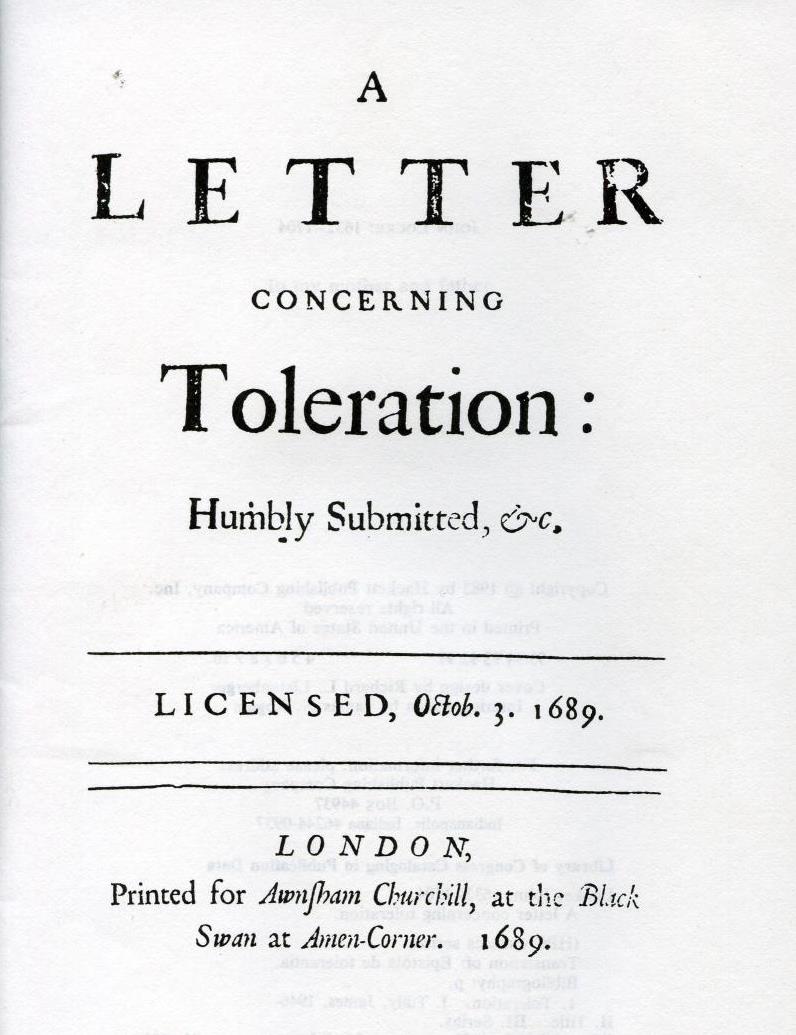 Letter
Primary source
A Letter Concerning Toleration
John Locke · written 1685-1686, published 1689
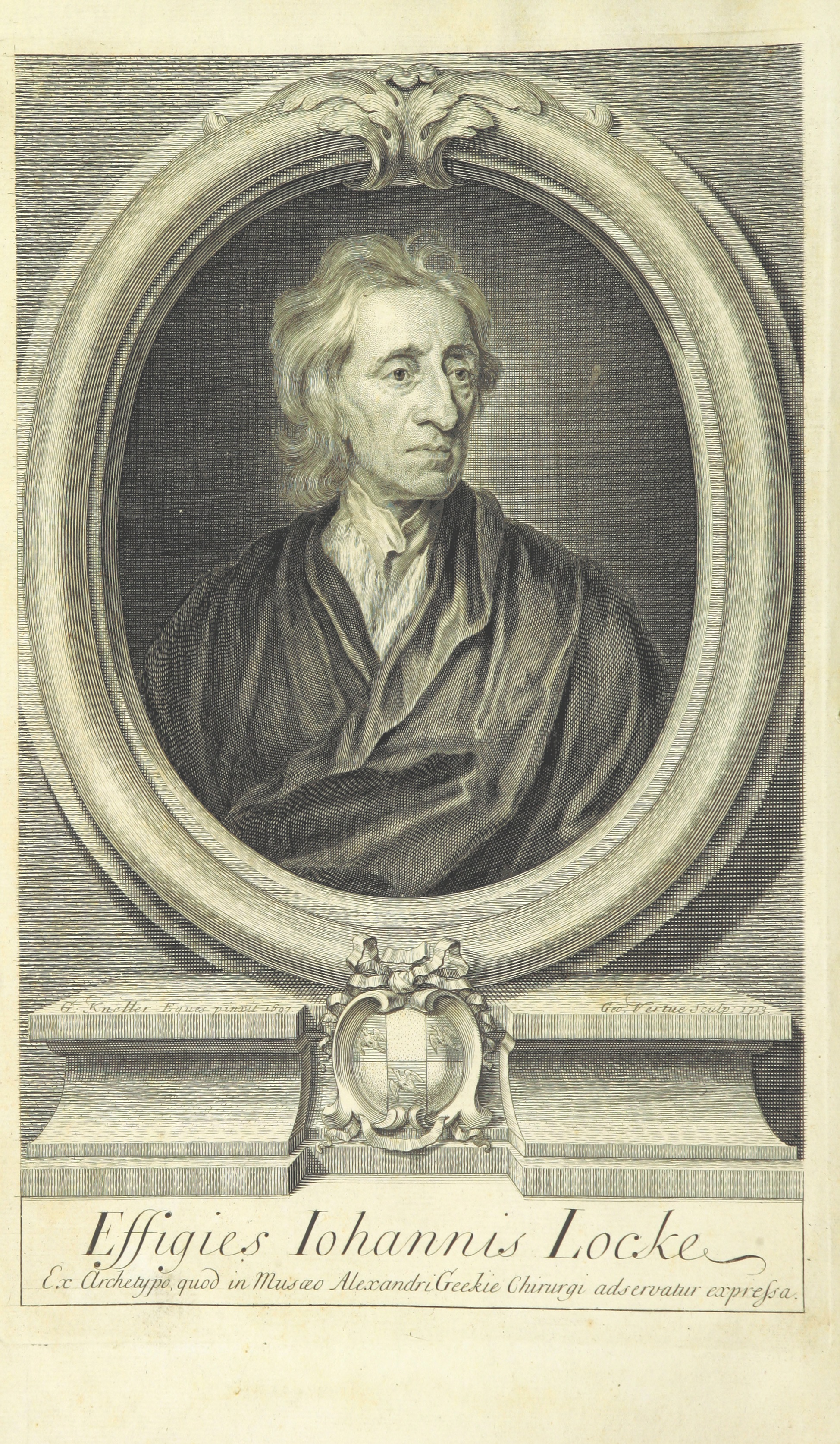 Painting
Secondary source
Portrait of John Locke, frontispiece to Works
George Vertue, after Sir Godfrey Kneller · 1722
Ready when you are
Start chatting with John Locke now.
20 messages free · No credit card · Available in 50+ languages.