


Primary sourcePainting1689
John Locke
Herman Verelst · 1689
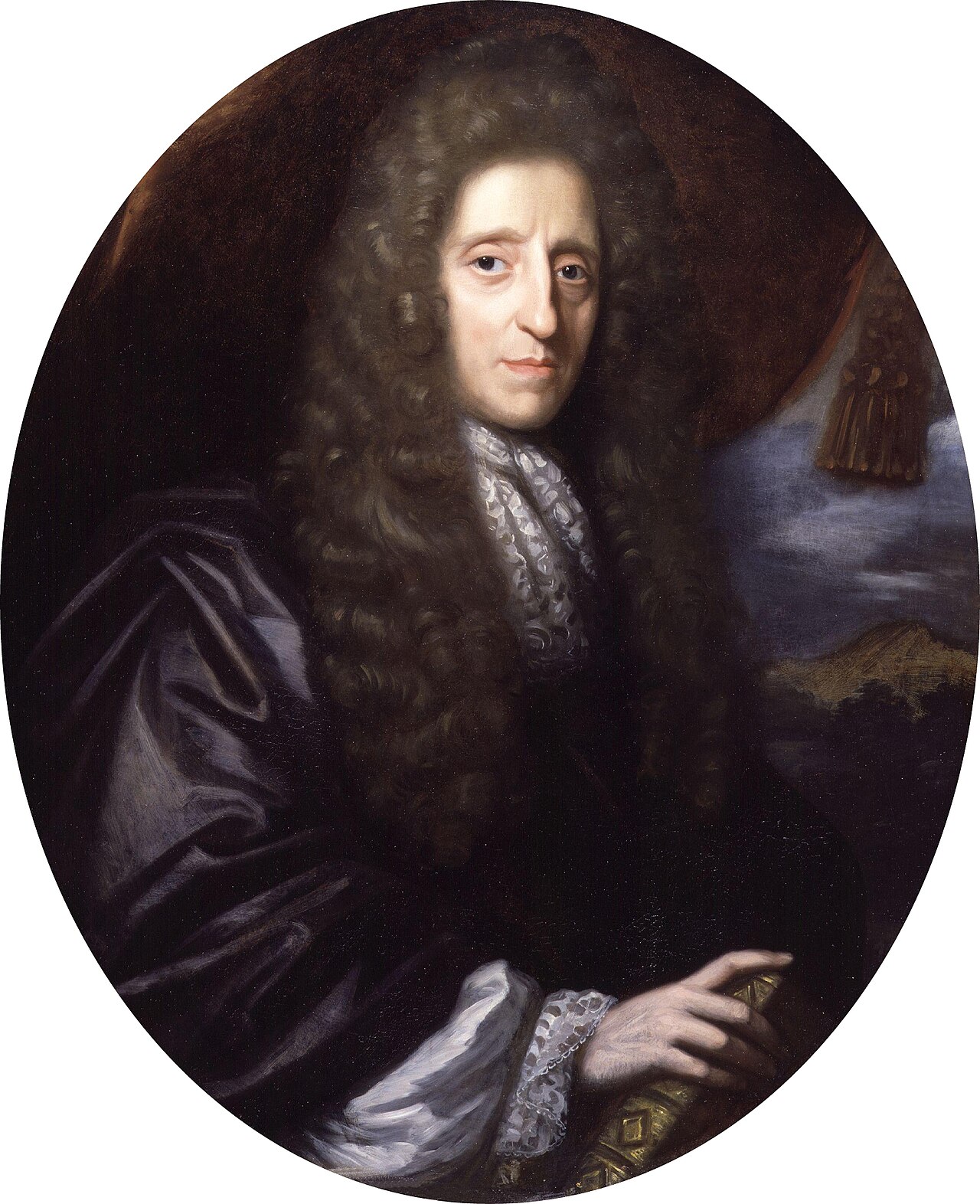
A 1689 oil portrait of John Locke by Herman Verelst, painted the year Locke returned from exile and published his major works.
This portrait depicts Locke himself, painted in the year he returned from exile and published his major works.
About this source
What it is
This oval oil portrait of John Locke was painted by Herman Verelst in 1689. It is held by the National Portrait Gallery.
Why it matters
The portrait dates from a pivotal year in Locke's life: he had just returned from exile in the Netherlands and was about to publish the works that would make him famous, including his writings on government and human understanding. The painting captures how Locke wished to be seen by the public at the height of his influence.
Look closer
- What does Locke's clothing and pose suggest about his social status and how he wanted to be remembered?
- Why might 1689 have been a significant year to have this portrait made?
- What is left out of a formal portrait like this that a letter or diary might reveal instead?
This painting is part of the curated material that grounds the AI version of John Locke on Humy.ai — when students ask about related events, the AI can quote it and cite it.
More John Locke sources
Meet the AI John Locke →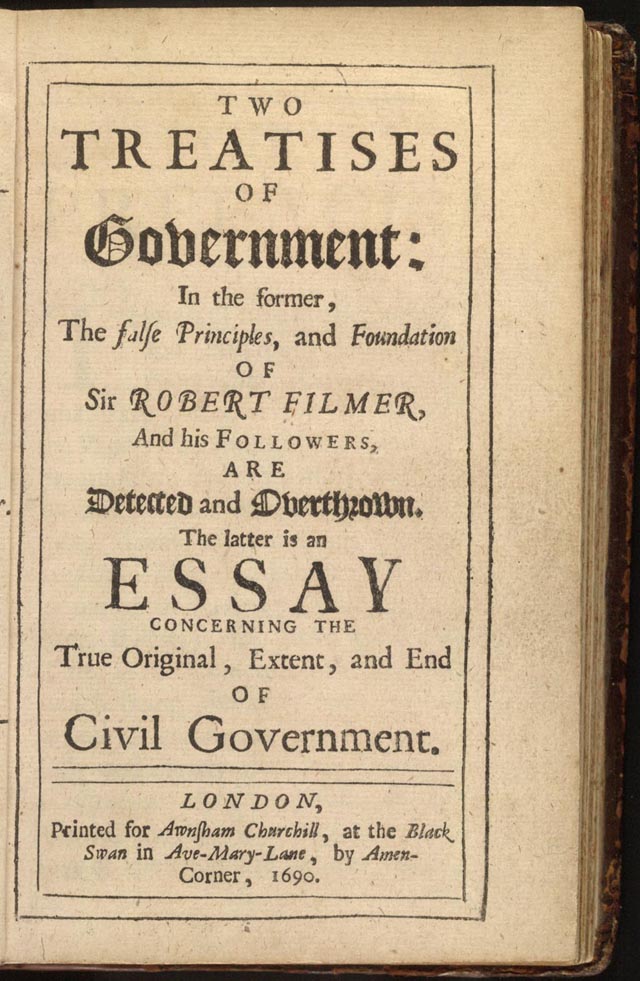 Book
Primary source
Two Treatises of Government
John Locke · 1689 (dated 1690)
 Book
Primary source
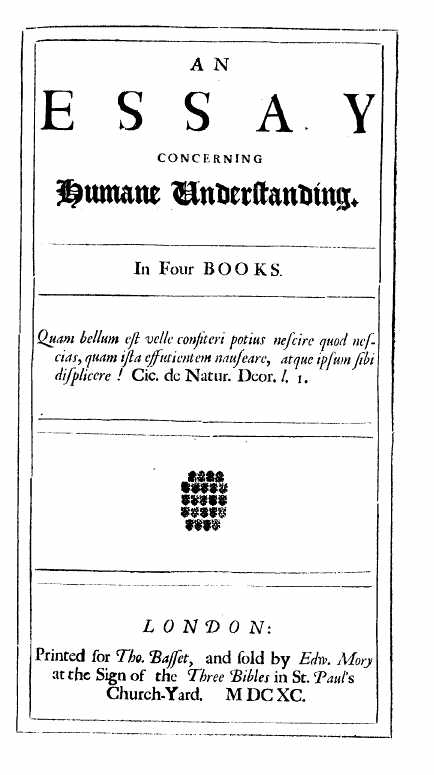
An Essay Concerning Human Understanding
John Locke · 1689 (dated 1690)
 Painting
Secondary source
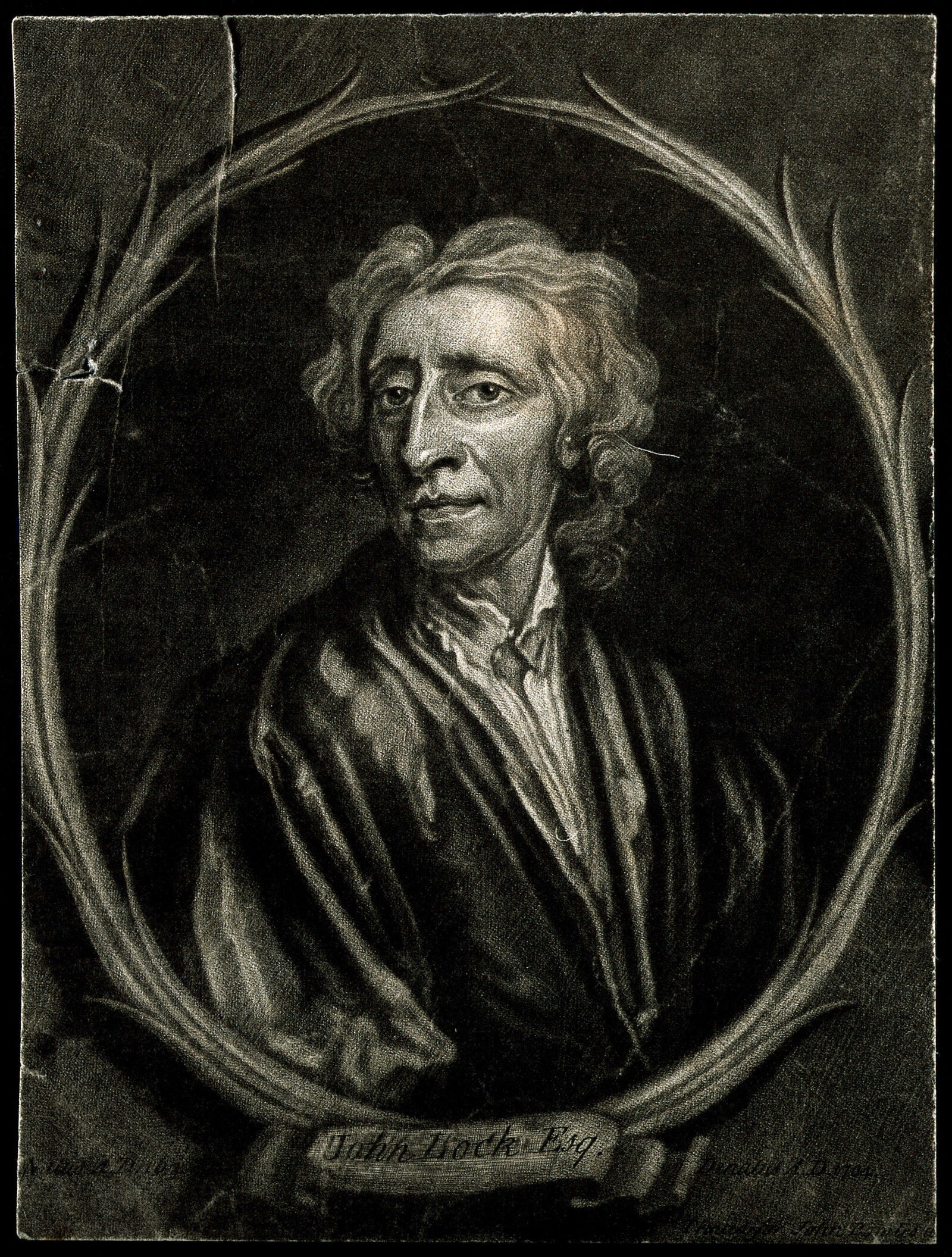
John Locke, Mezzotint after Godfrey Kneller
Godfrey Kneller
 Letter
Primary source
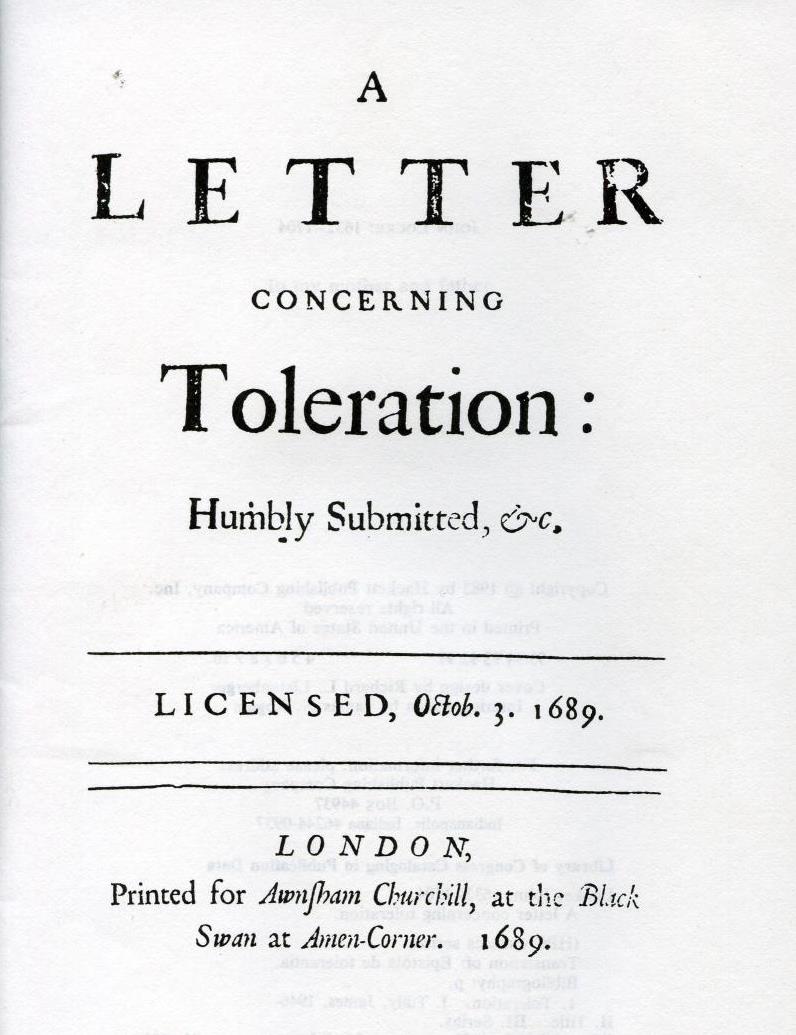
A Letter Concerning Toleration
John Locke · written 1685-1686, published 1689
 Painting
Secondary source
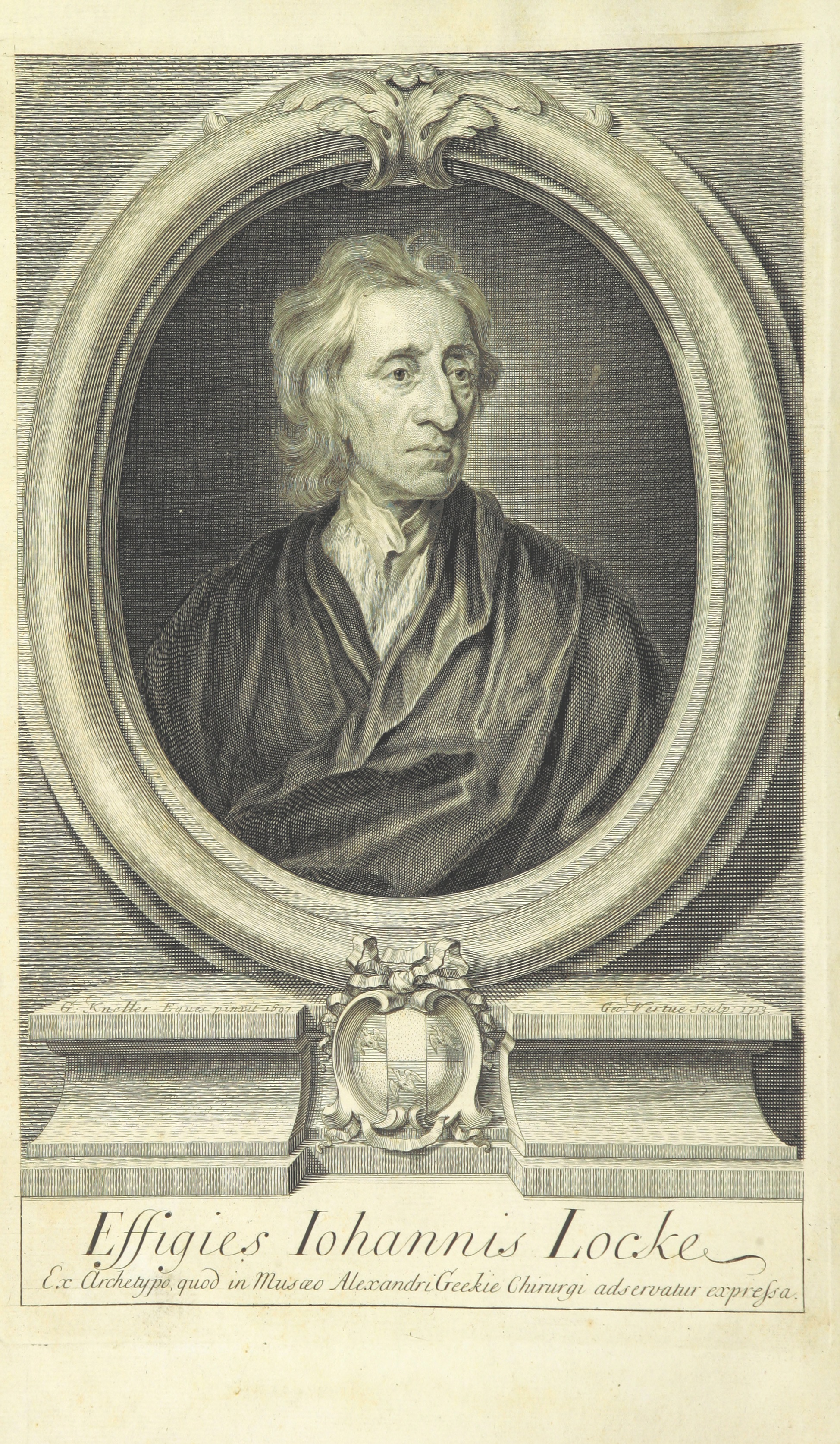
Portrait of John Locke, frontispiece to Works
George Vertue, after Sir Godfrey Kneller · 1722
Ready when you are
Start chatting with John Locke now.
20 messages free · No credit card · Available in 50+ languages.