


Secondary sourcePainting1738, after a 1697 portrait
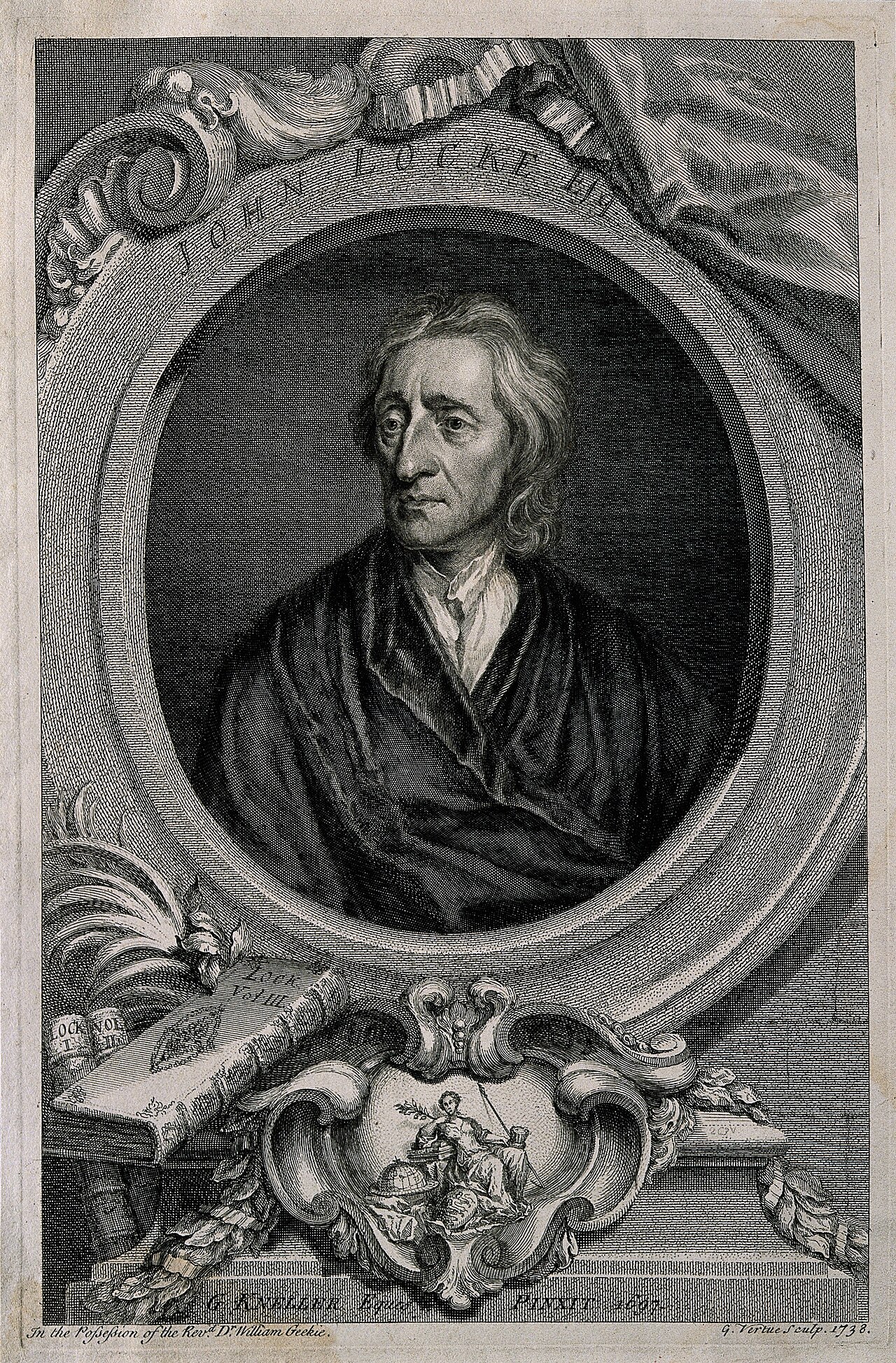
John Locke, Line Engraving by George Vertue after Kneller
George Vertue after Godfrey Kneller · 1738, after a 1697 portrait
A formal oval engraving of John Locke based on a 1697 painted portrait by Godfrey Kneller, made decades after Locke's death.
A reproduction of a portrait painted from life, helping spread Locke's true likeness after his death.
About this source
What it is
This line engraving of John Locke was made by George Vertue in 1738, copying a 1697 painted portrait by the court painter Sir Godfrey Kneller. It is part of an iconographic print collection.
Why it matters
Kneller's original 1697 portrait was painted during Locke's lifetime, making it an important record of his real appearance. Vertue's later engraving spread that image more widely, showing how portraits of famous people were copied and circulated through print long after the original was made.
Look closer
- What symbols, like the book shown at the bottom, suggest Locke's identity as a writer?
- Why would an engraver in 1738 want to copy a 41-year-old painting rather than create a new image?
- How does an ornate frame or decoration change the way we see a historical figure?
This painting is part of the curated material that grounds the AI version of John Locke on Humy.ai — when students ask about related events, the AI can quote it and cite it.
More John Locke sources
Meet the AI John Locke →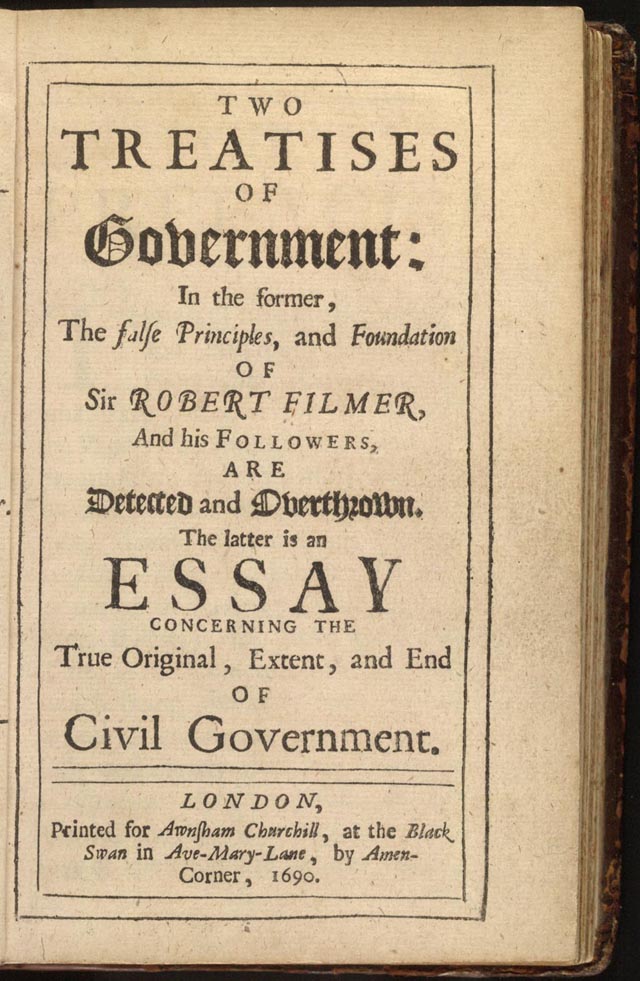 Book
Primary source
Two Treatises of Government
John Locke · 1689 (dated 1690)
 Book
Primary source
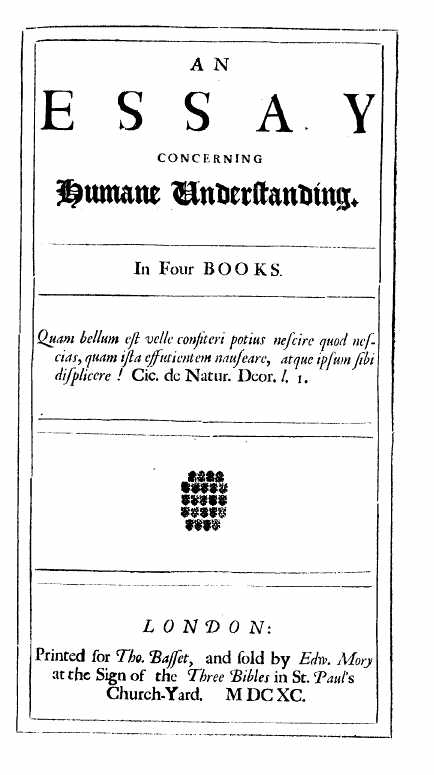
An Essay Concerning Human Understanding
John Locke · 1689 (dated 1690)
 Painting
Secondary source
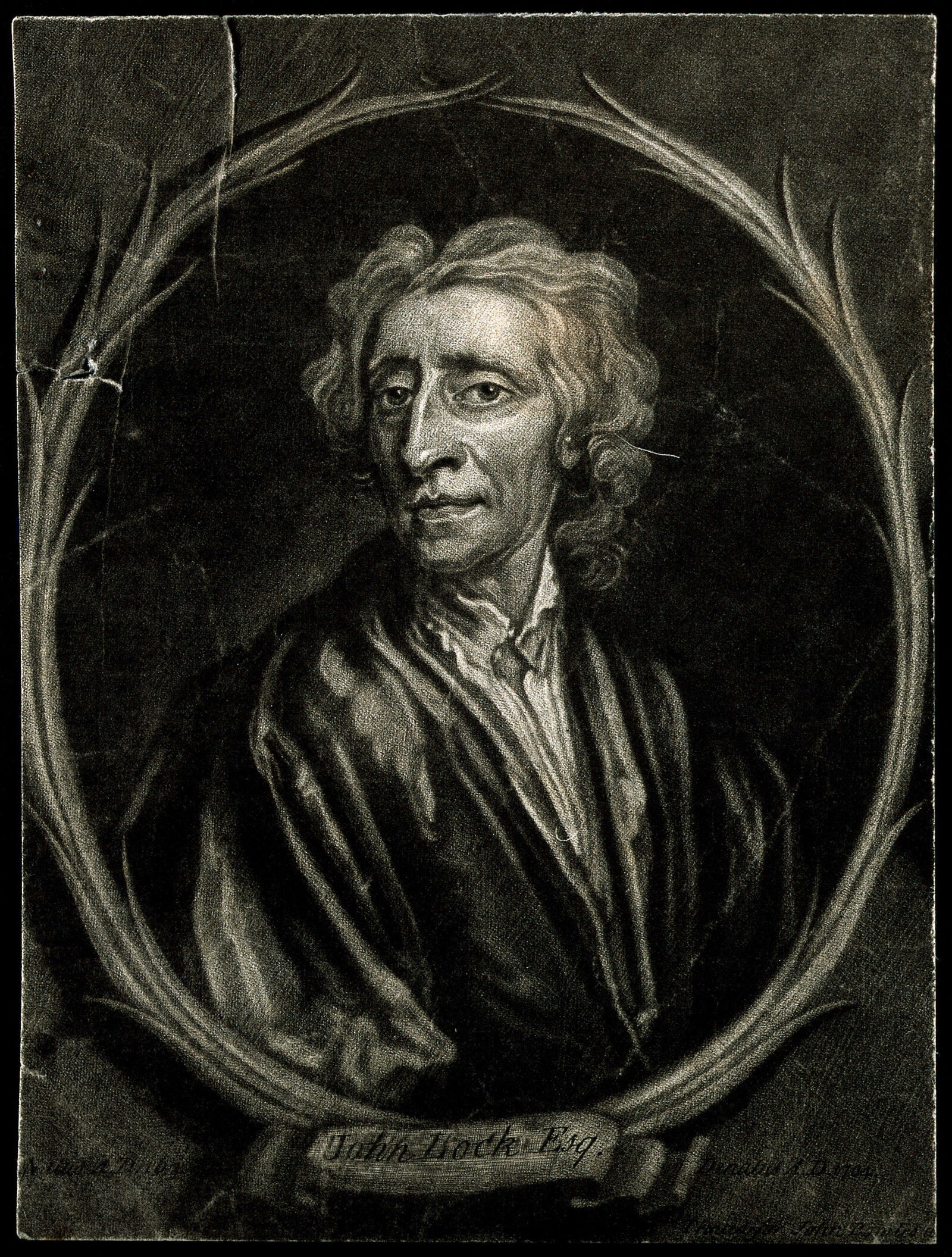
John Locke, Mezzotint after Godfrey Kneller
Godfrey Kneller
 Letter
Primary source
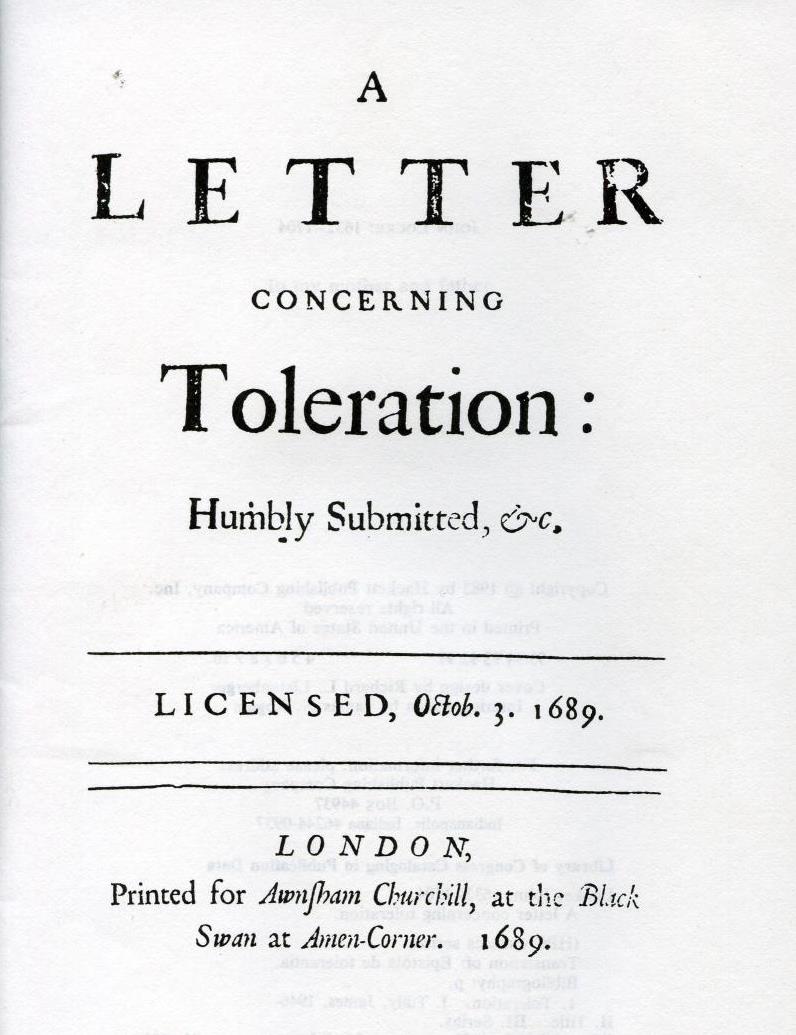
A Letter Concerning Toleration
John Locke · written 1685-1686, published 1689
 Painting
Secondary source
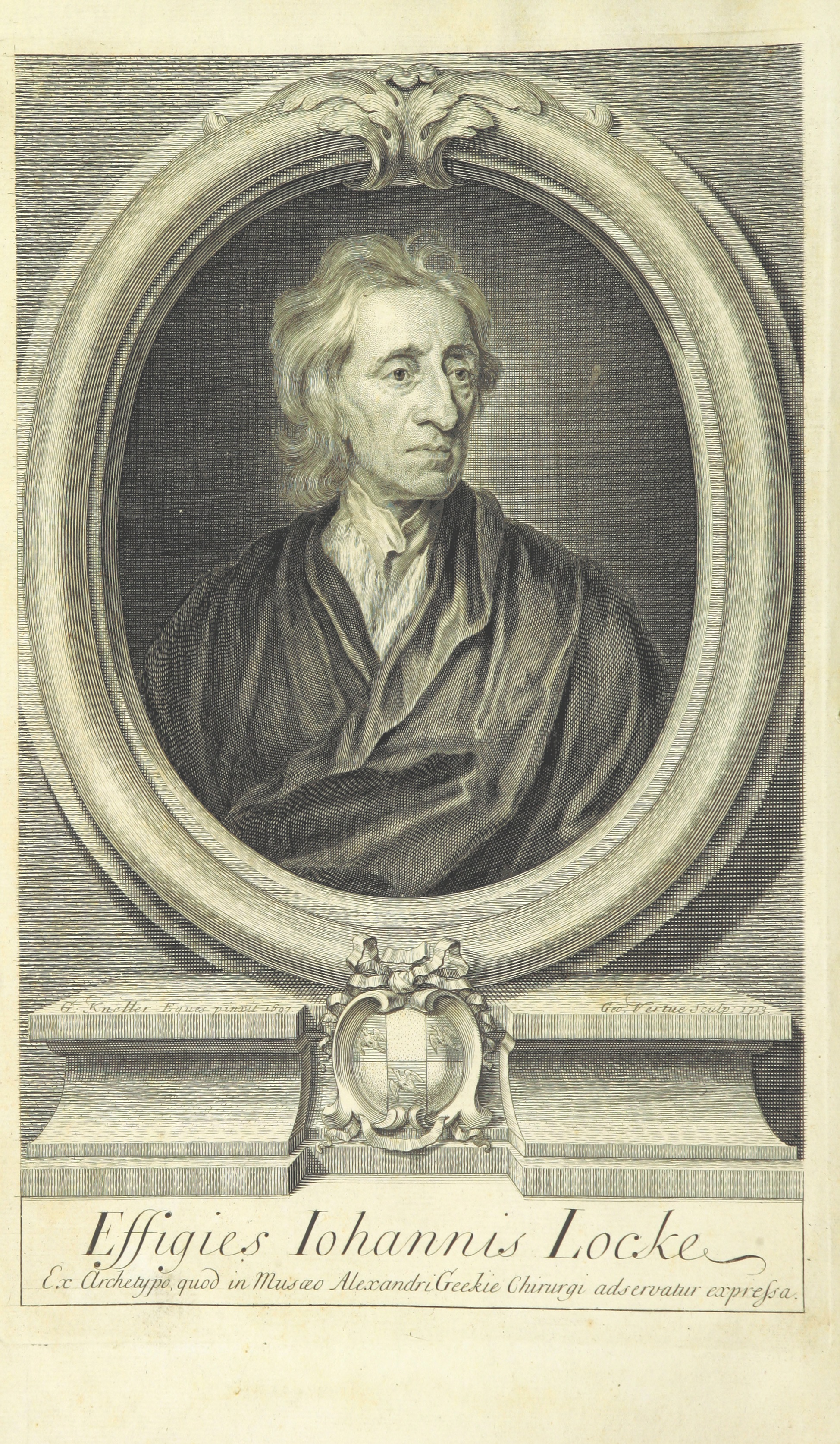
Portrait of John Locke, frontispiece to Works
George Vertue, after Sir Godfrey Kneller · 1722
Ready when you are
Start chatting with John Locke now.
20 messages free · No credit card · Available in 50+ languages.