


Primary sourceSculpture
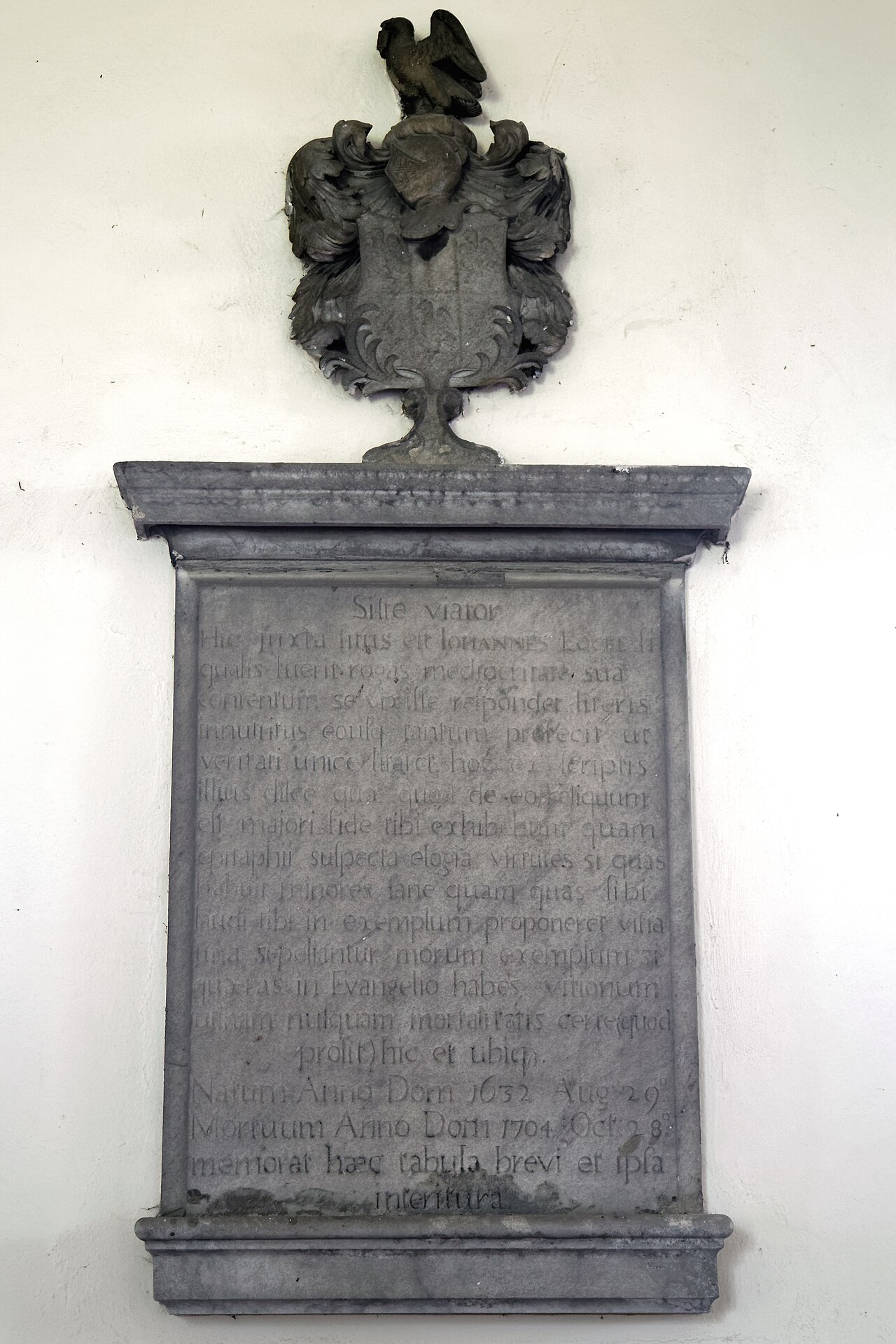
John Locke Memorial, All Saints Church, High Laver
A wall monument in All Saints Church, High Laver, bearing a Latin epitaph composed by John Locke himself.
The Latin epitaph on this monument was composed by Locke himself as his own summary of his life.
About this source
What it is
This stone wall monument stands in All Saints Church at High Laver, Essex, near where John Locke was buried. It carries a Latin inscription that Locke composed himself.
Why it matters
Monuments like this show how historical figures were remembered after death, but this one is unusual because Locke wrote his own epitaph, giving us his personal, modest summary of his life in his own words rather than someone else's praise.
Look closer
- Why might someone choose to write their own epitaph instead of leaving it to others?
- What does the carved coat of arms and bird crest suggest about how Locke wanted to be remembered?
- What might a modest self-written epitaph leave out about a person's actual achievements?
This sculpture is part of the curated material that grounds the AI version of John Locke on Humy.ai — when students ask about related events, the AI can quote it and cite it.
More John Locke sources
Meet the AI John Locke →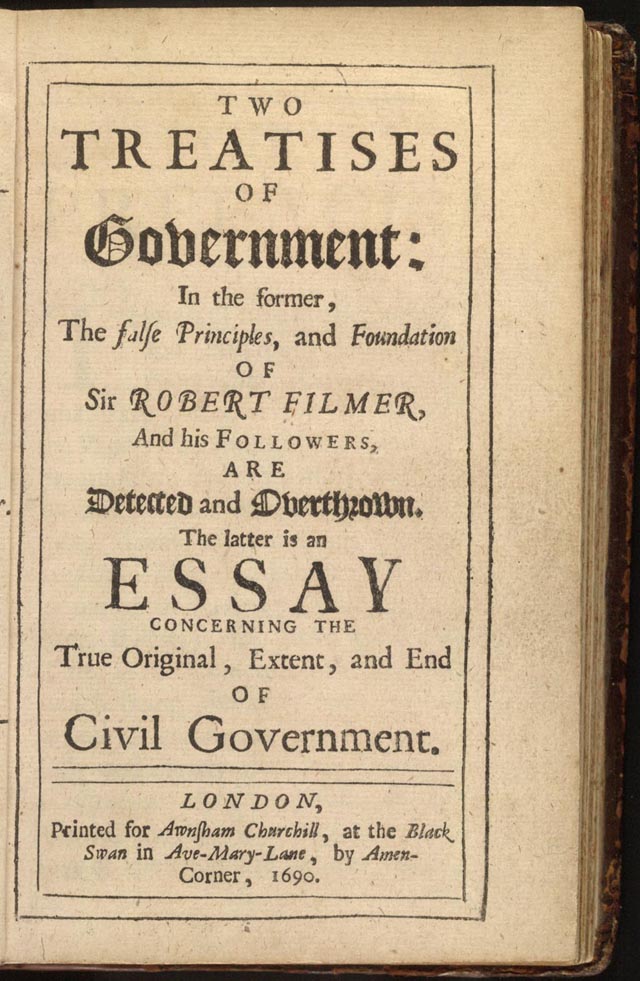 Book
Primary source
Two Treatises of Government
John Locke · 1689 (dated 1690)
 Book
Primary source
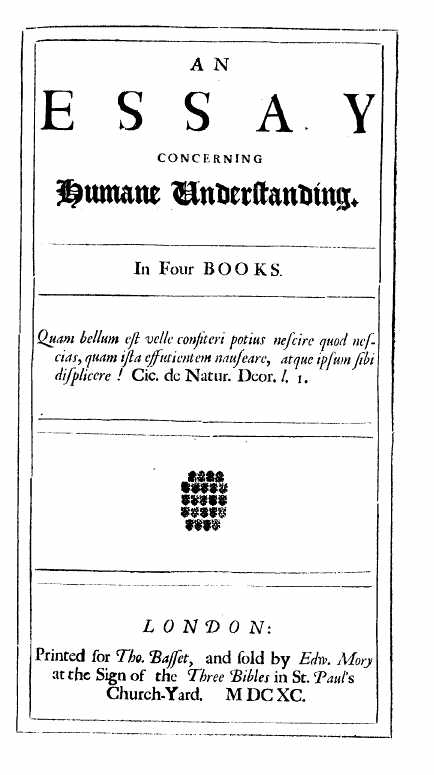
An Essay Concerning Human Understanding
John Locke · 1689 (dated 1690)
 Painting
Secondary source
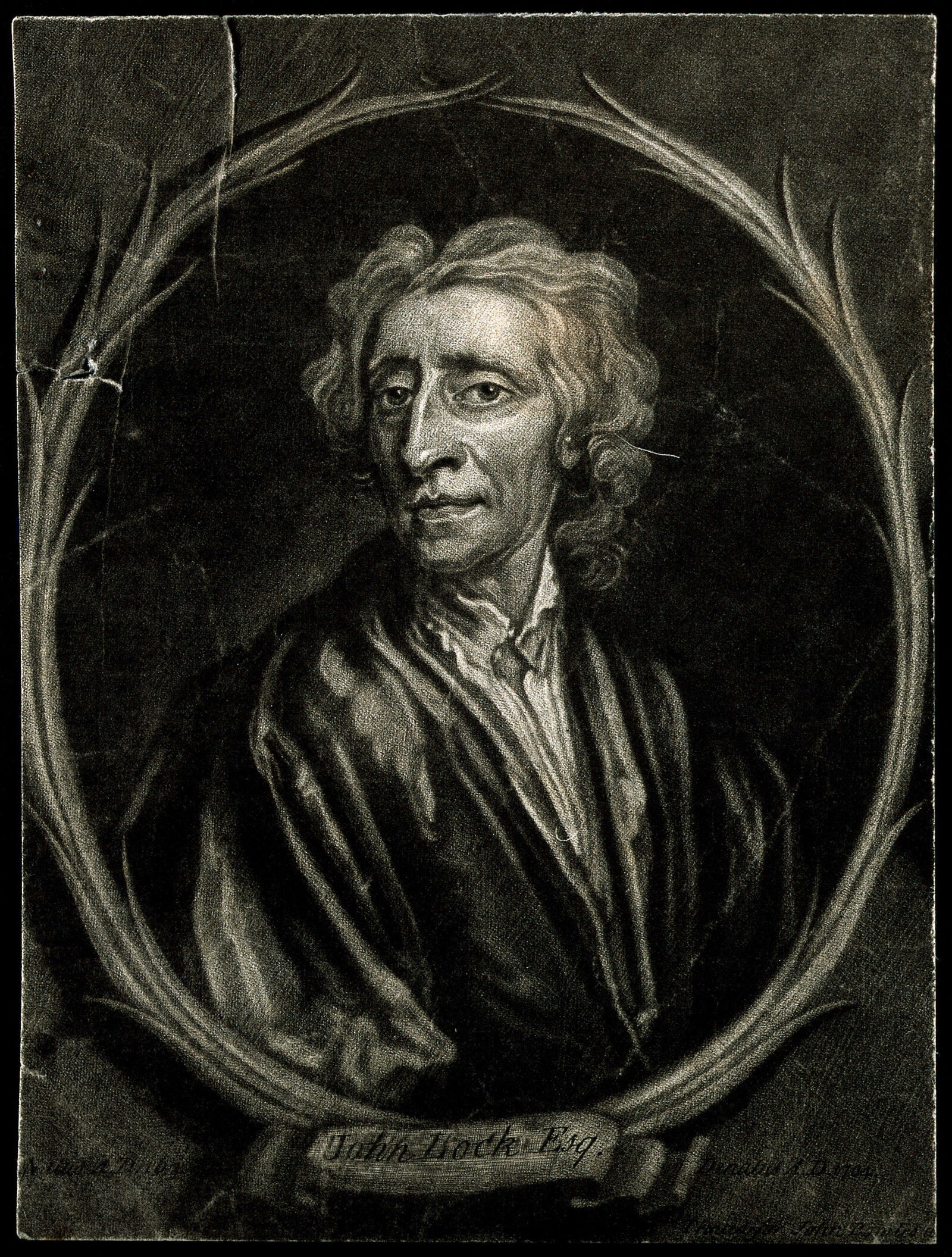
John Locke, Mezzotint after Godfrey Kneller
Godfrey Kneller
 Letter
Primary source
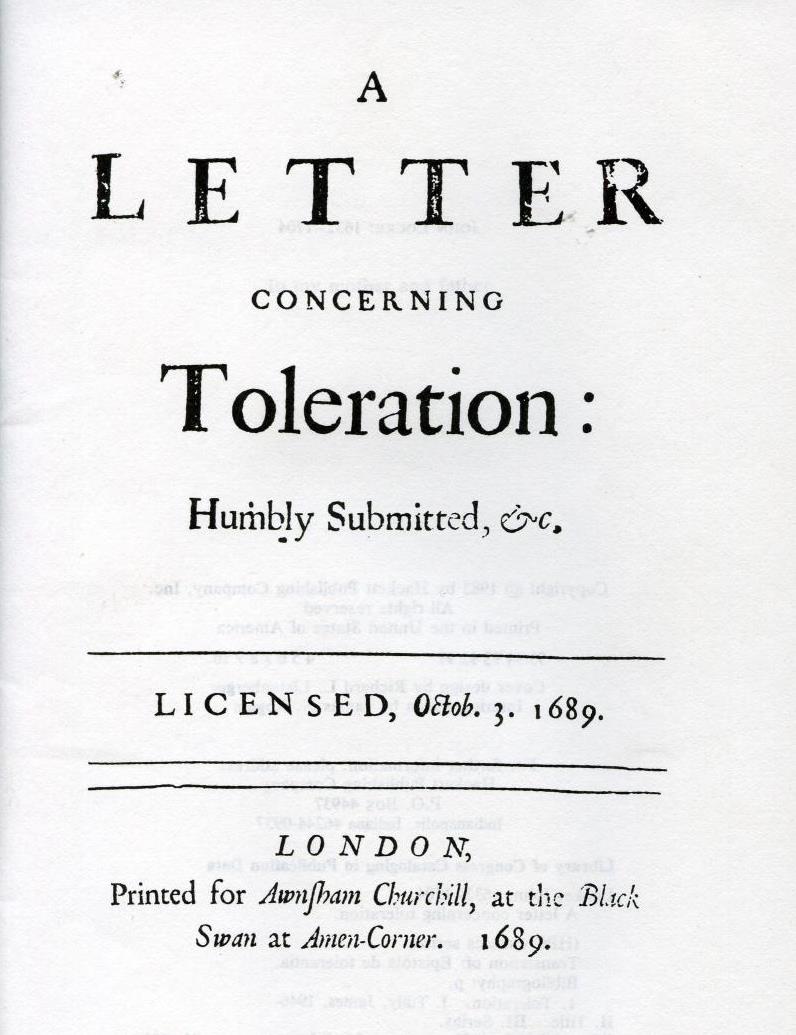
A Letter Concerning Toleration
John Locke · written 1685-1686, published 1689
 Painting
Secondary source
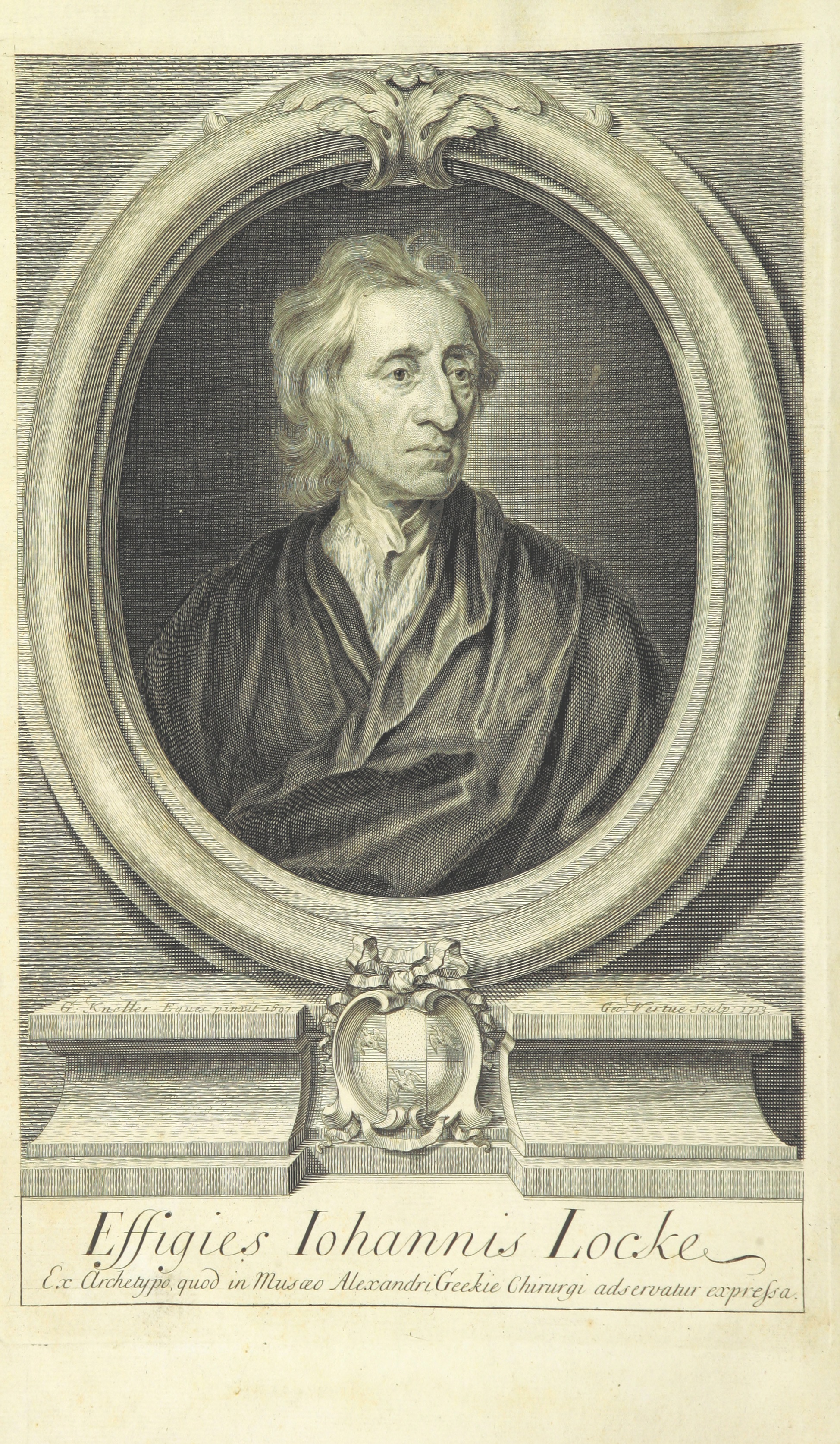
Portrait of John Locke, frontispiece to Works
George Vertue, after Sir Godfrey Kneller · 1722
Ready when you are
Start chatting with John Locke now.
20 messages free · No credit card · Available in 50+ languages.