


Primary sourcePaintingc. 1623-1625
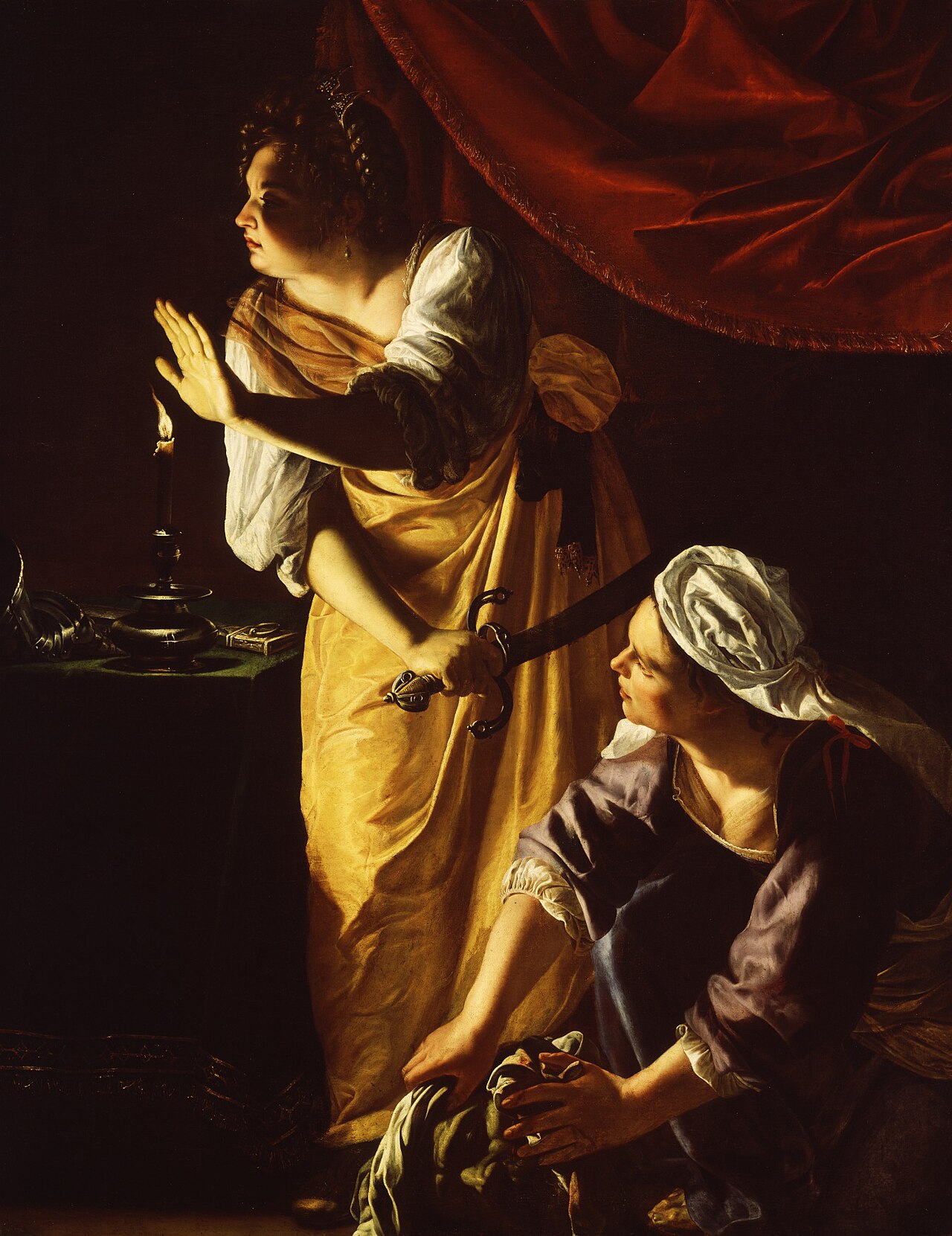
Judith and Maidservant with Head of Holofernes
Artemisia Gentileschi · c. 1623-1625
A tense, candlelit scene showing Judith and her maid moments after killing Holofernes, considered by many Gentileschi's finest work.
A mature work by Gentileschi, widely regarded as among her finest, continuing her treatment of the Judith theme.
About this source
What it is
Painted around 1623–1625 by Artemisia Gentileschi, this work shows the maidservant Abra wrapping Holofernes's severed head in a bag while Judith keeps watch, candlelight illuminating the scene. It now hangs in the Detroit Institute of Arts.
Why it matters
Many historians consider this Gentileschi's finest painting, admired for its dramatic use of a single candle's light and its focus on the tense aftermath rather than the killing itself. Writers have linked the intensity of her Judith paintings to her own rape trial against Agostino Tassi, though the exact meaning remains debated among scholars like Elizabeth Cropper and Jesse M. Locker.
Look closer
- How does showing the aftermath, rather than the act, change the mood of the painting?
- What does the single candle do to the composition and emotion?
- Why might this version be seen as more sophisticated than Gentileschi's earlier Judith paintings?
This painting is part of the curated material that grounds the AI version of Artemisia Gentileschi on Humy.ai — when students ask about related events, the AI can quote it and cite it.
More Artemisia Gentileschi sources
Meet the AI Artemisia Gentileschi →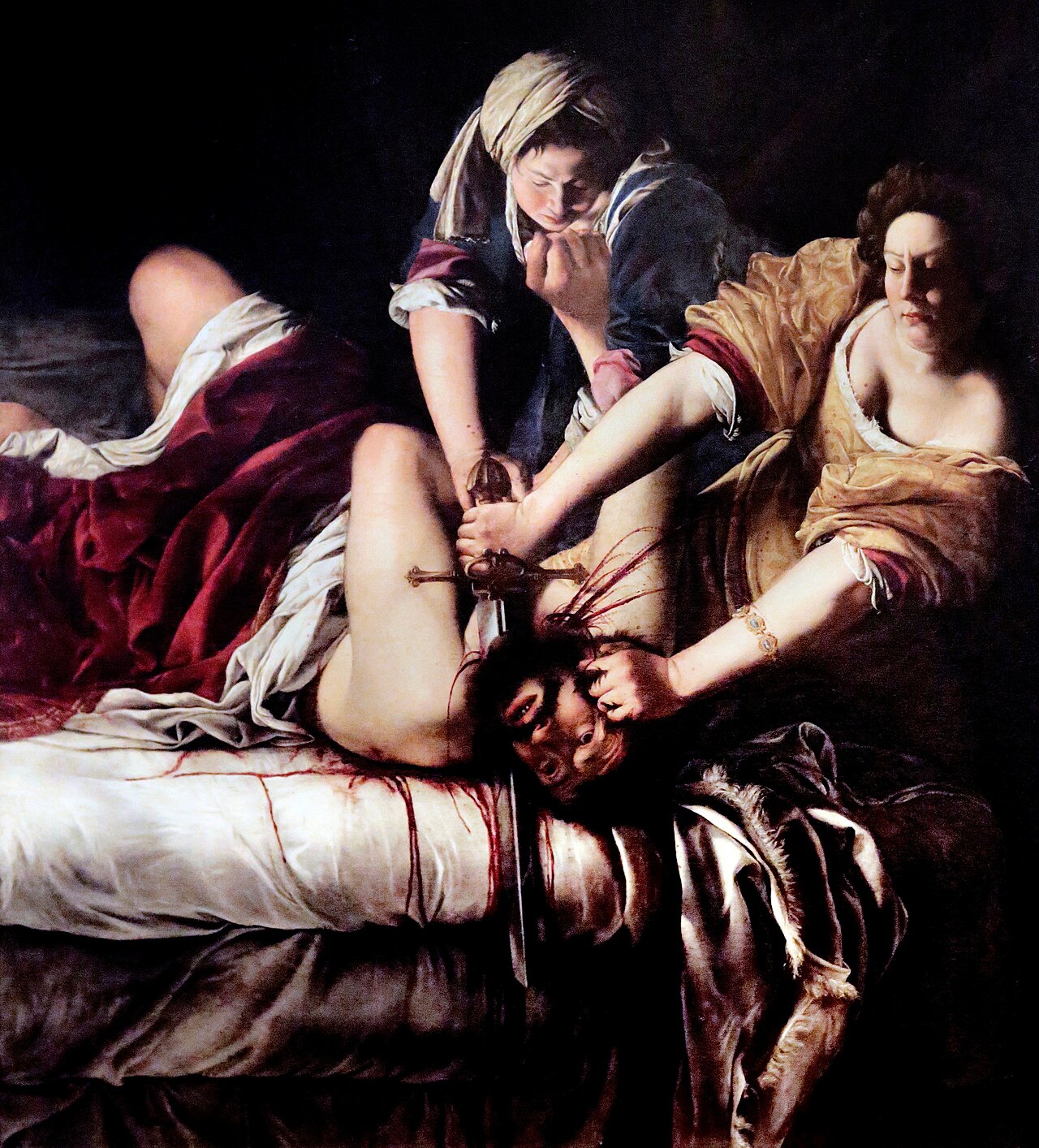 Painting
Primary source
Judith Beheading Holofernes
Artemisia Gentileschi · c. 1620
 Painting
Primary source
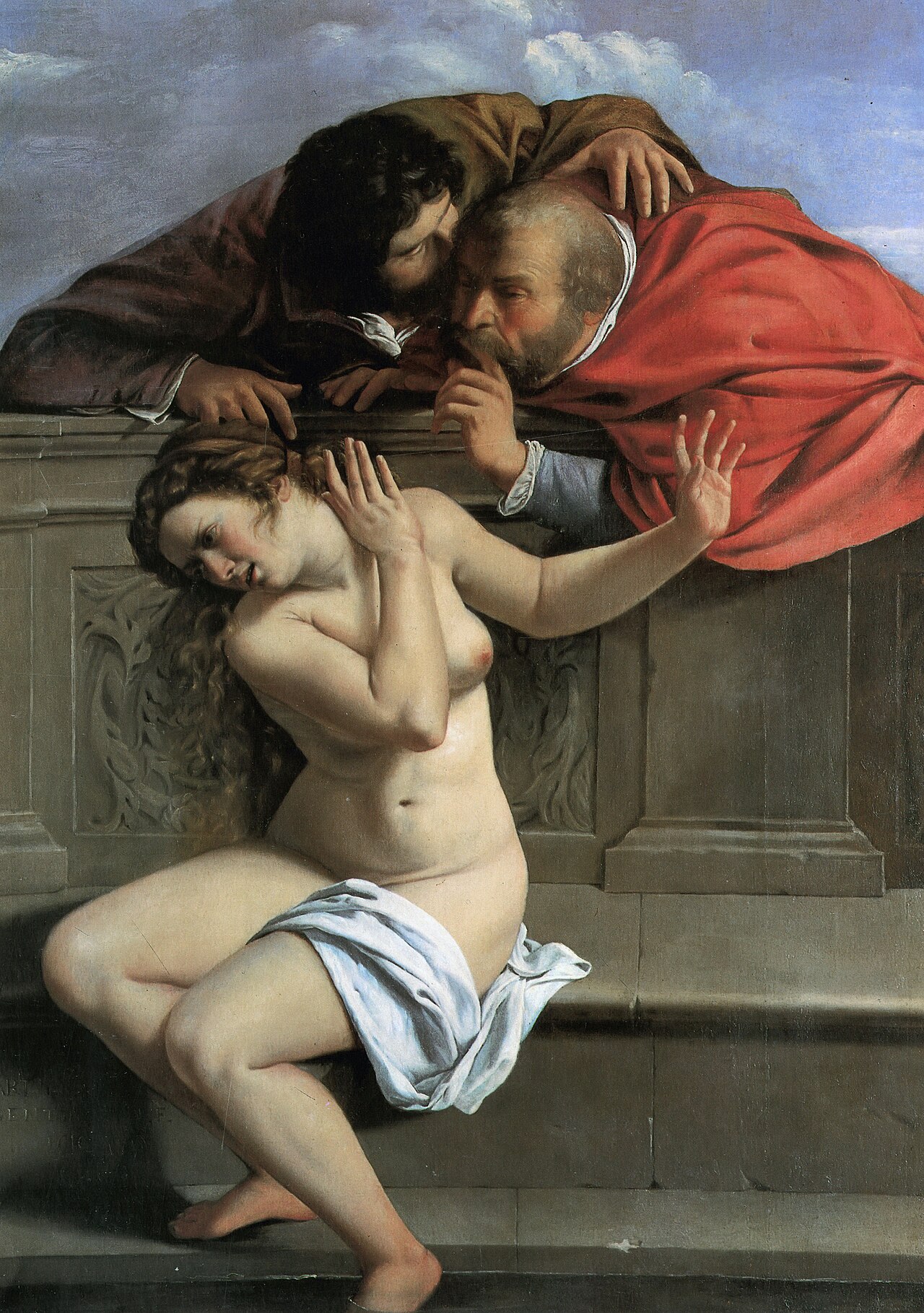
Susanna and the Elders
Artemisia Gentileschi · 1610
 Painting
Primary source
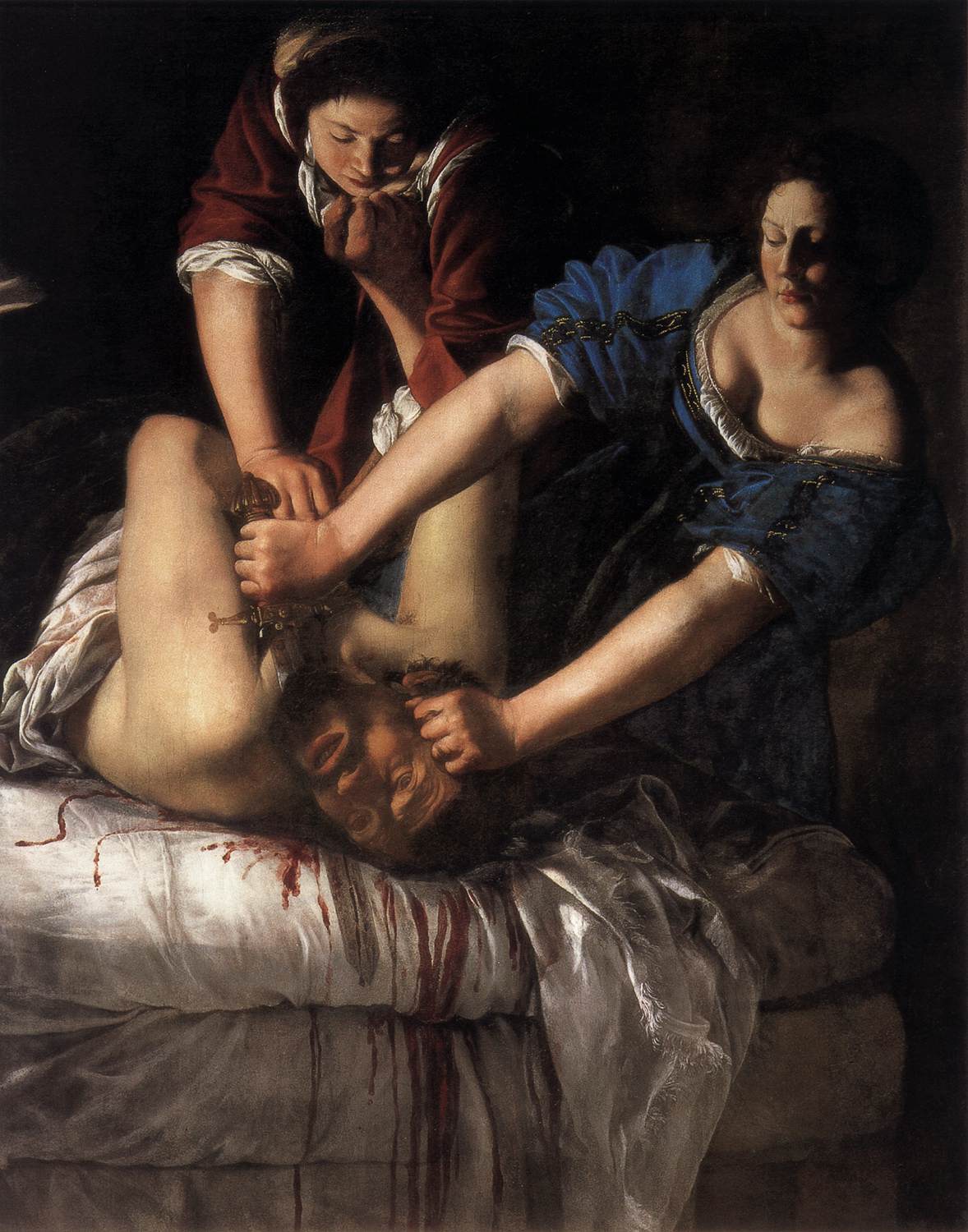
Judith Slaying Holofernes
Artemisia Gentileschi · 1612-1613
 Painting
Primary source
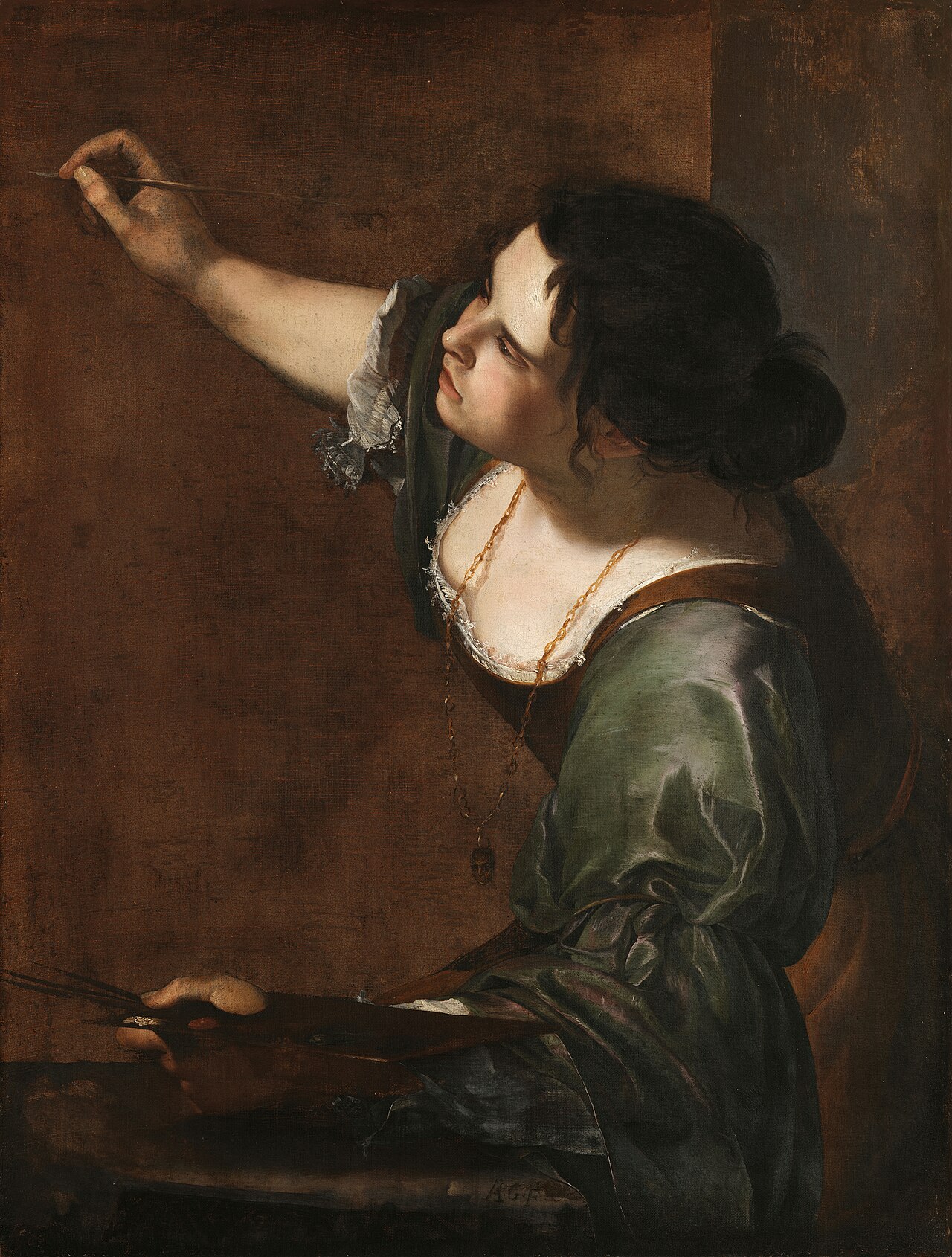
Self-Portrait as the Allegory of Painting
Artemisia Gentileschi · c. 1638-1639
 Painting
Primary source
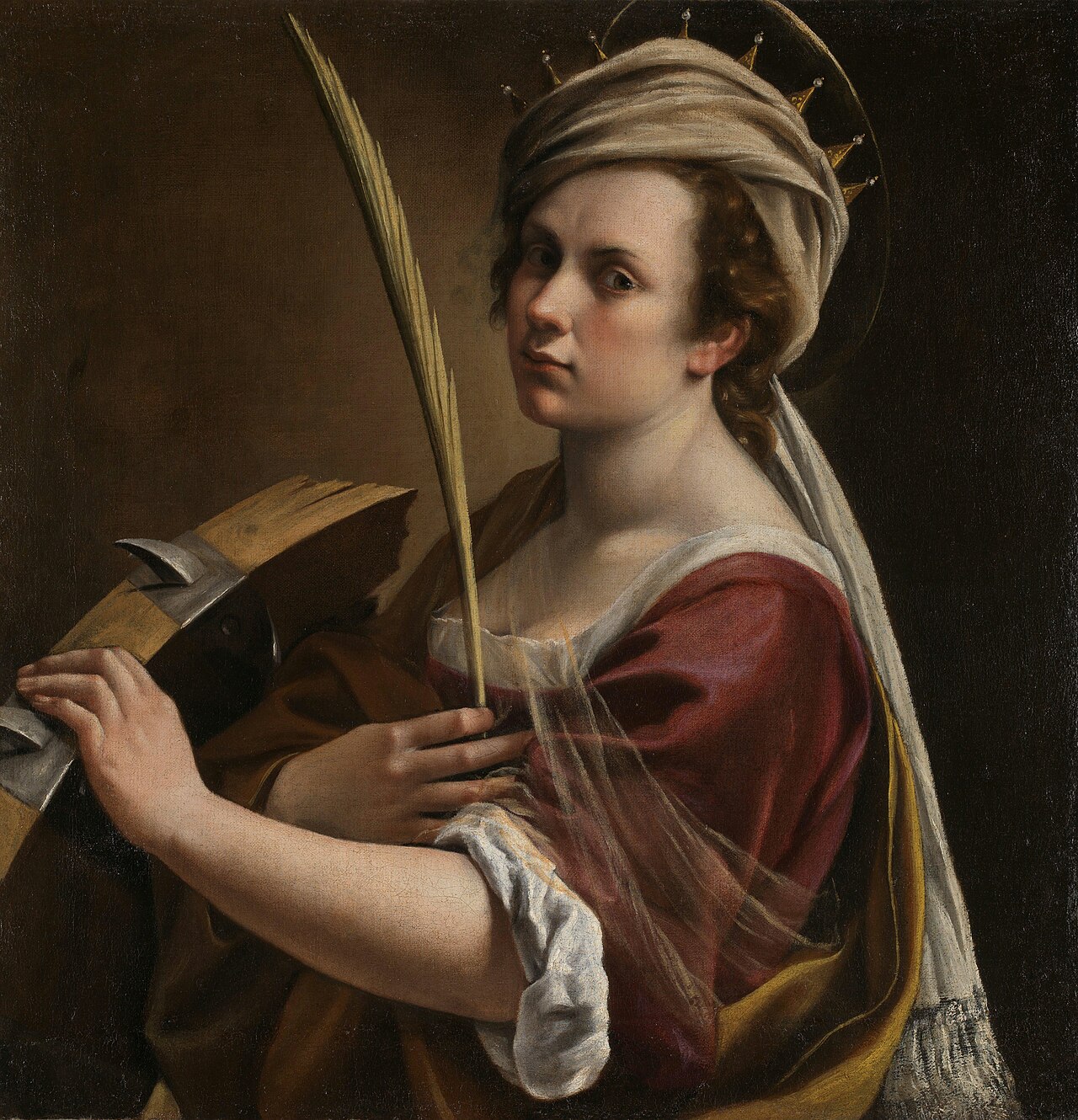
Self-Portrait as Saint Catherine of Alexandria
Artemisia Gentileschi · c. 1615-1617
Ready when you are
Start chatting with Artemisia Gentileschi now.
20 messages free · No credit card · Available in 50+ languages.