


Primary sourcePainting1612-1613
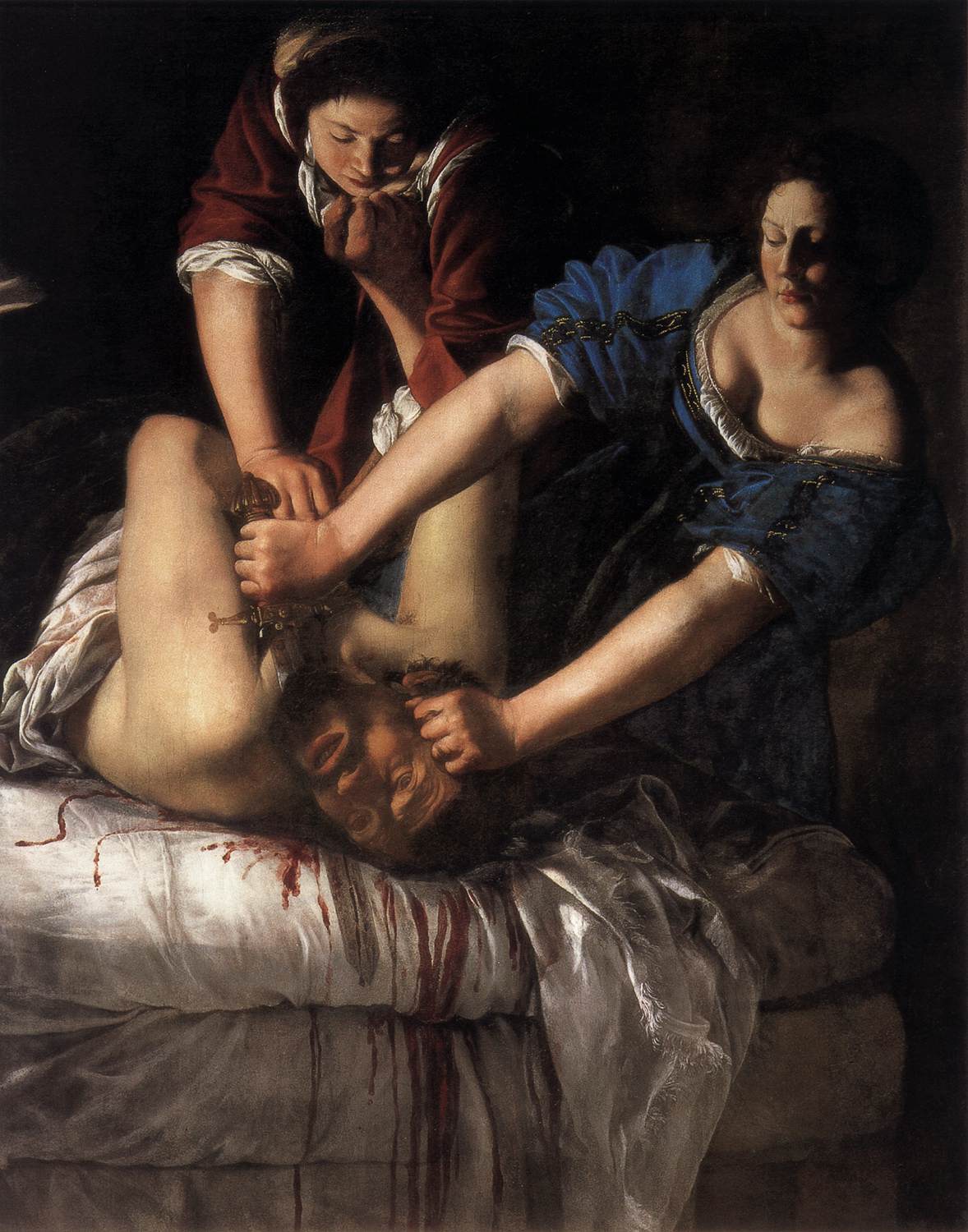
Judith Slaying Holofernes
Artemisia Gentileschi · 1612-1613
An early, brutal depiction by Gentileschi of Judith beheading Holofernes, painted around the time of her rape trial against Agostino Tassi.
An earlier version of Gentileschi's Judith theme, painted around the time of her rape trial.
About this source
What it is
Completed around 1612–13 by Artemisia Gentileschi, this painting shows Judith, aided by her maidservant Abra, beheading the drunken Assyrian general Holofernes. It now hangs in the Museo di Capodimonte in Naples.
Why it matters
Painted around the time of Gentileschi's rape trial against Agostino Tassi, this earlier version of the Judith story is often read by historians, including Mary Garrard, as expressing female agency and physical strength, contrasting with the more restrained treatments by male painters such as Caravaggio, whose work influenced Gentileschi's style.
Look closer
- How does this version compare to the later Uffizi painting of the same subject?
- What choices make the violence feel immediate rather than distant?
- Why might historians connect this painting to events in the artist's own life?
This painting is part of the curated material that grounds the AI version of Artemisia Gentileschi on Humy.ai — when students ask about related events, the AI can quote it and cite it.
More Artemisia Gentileschi sources
Meet the AI Artemisia Gentileschi →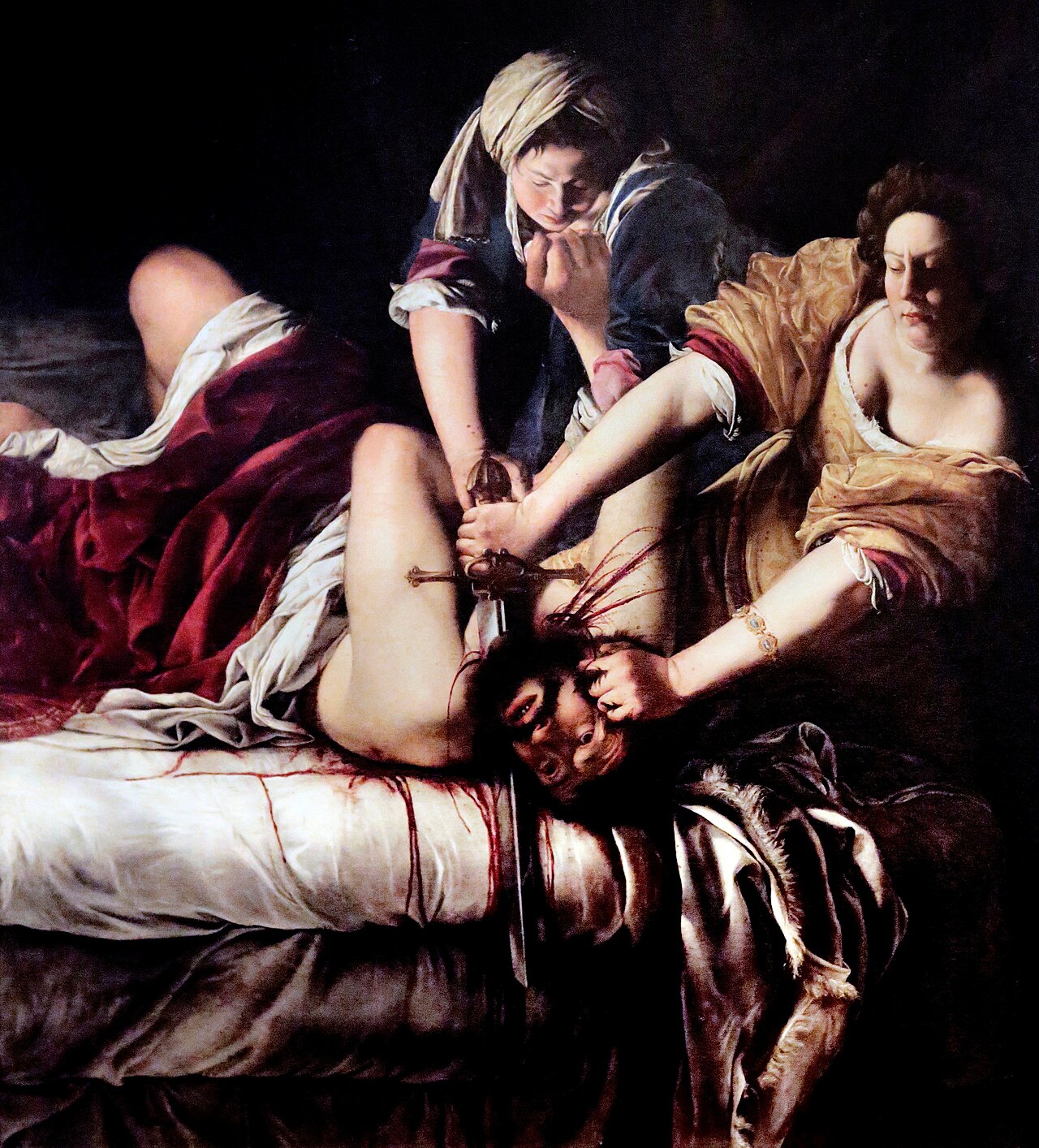 Painting
Primary source
Judith Beheading Holofernes
Artemisia Gentileschi · c. 1620
 Painting
Primary source
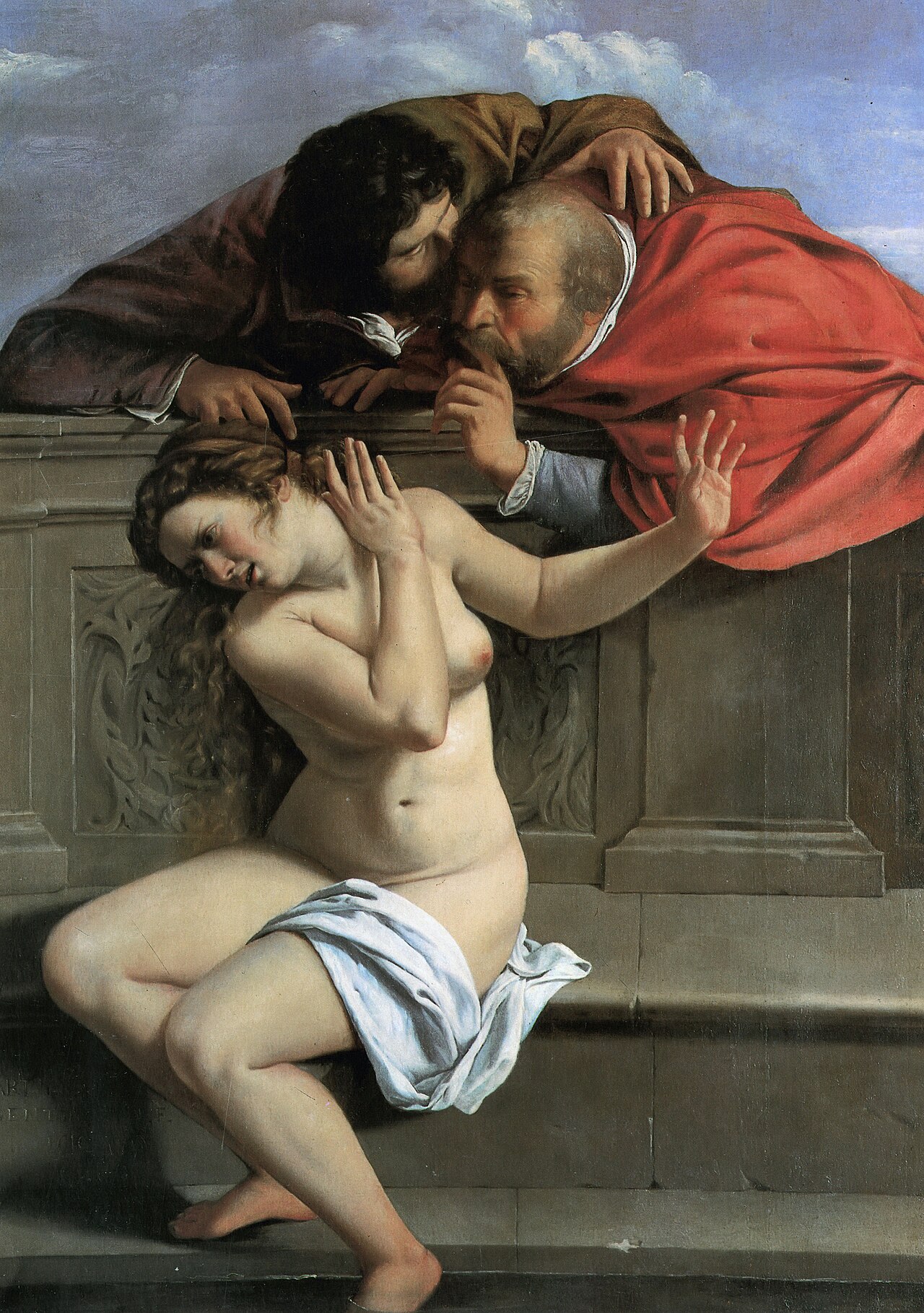
Susanna and the Elders
Artemisia Gentileschi · 1610
 Painting
Primary source
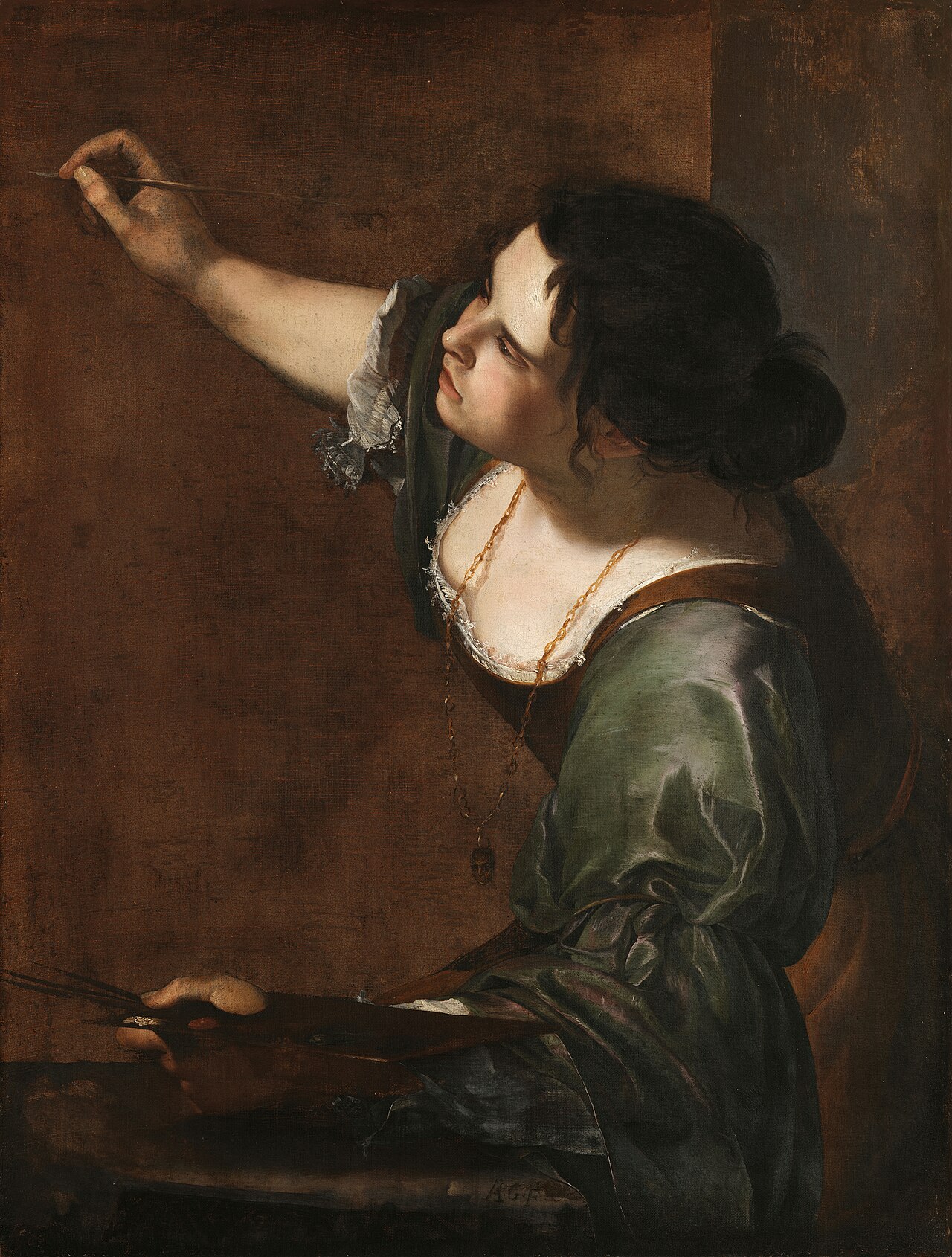
Self-Portrait as the Allegory of Painting
Artemisia Gentileschi · c. 1638-1639
 Painting
Primary source
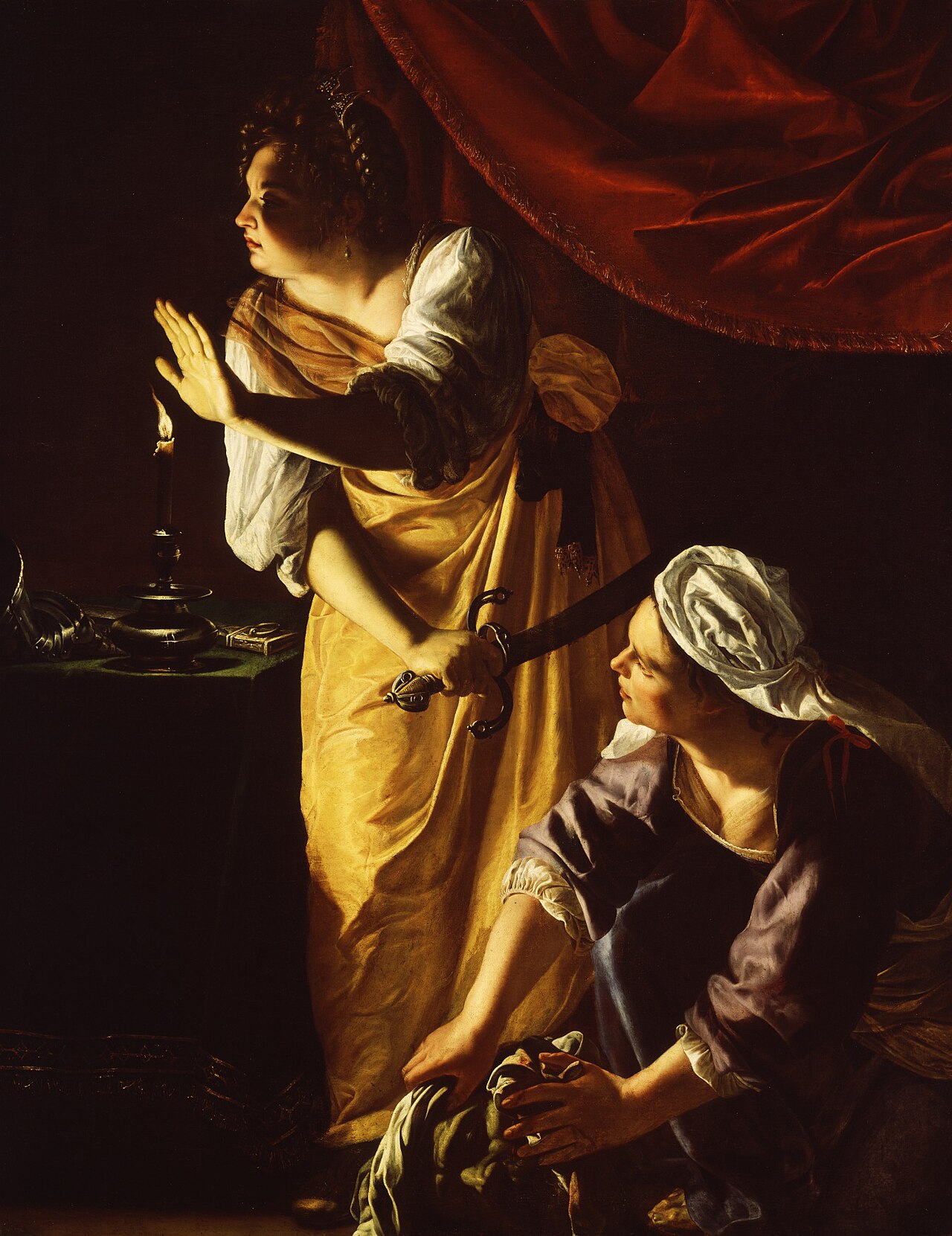
Judith and Maidservant with Head of Holofernes
Artemisia Gentileschi · c. 1623-1625
 Painting
Primary source
Self-Portrait as Saint Catherine of Alexandria
Artemisia Gentileschi · c. 1615-1617
Ready when you are
Start chatting with Artemisia Gentileschi now.
20 messages free · No credit card · Available in 50+ languages.