


Primary sourcePaintingc. 1620
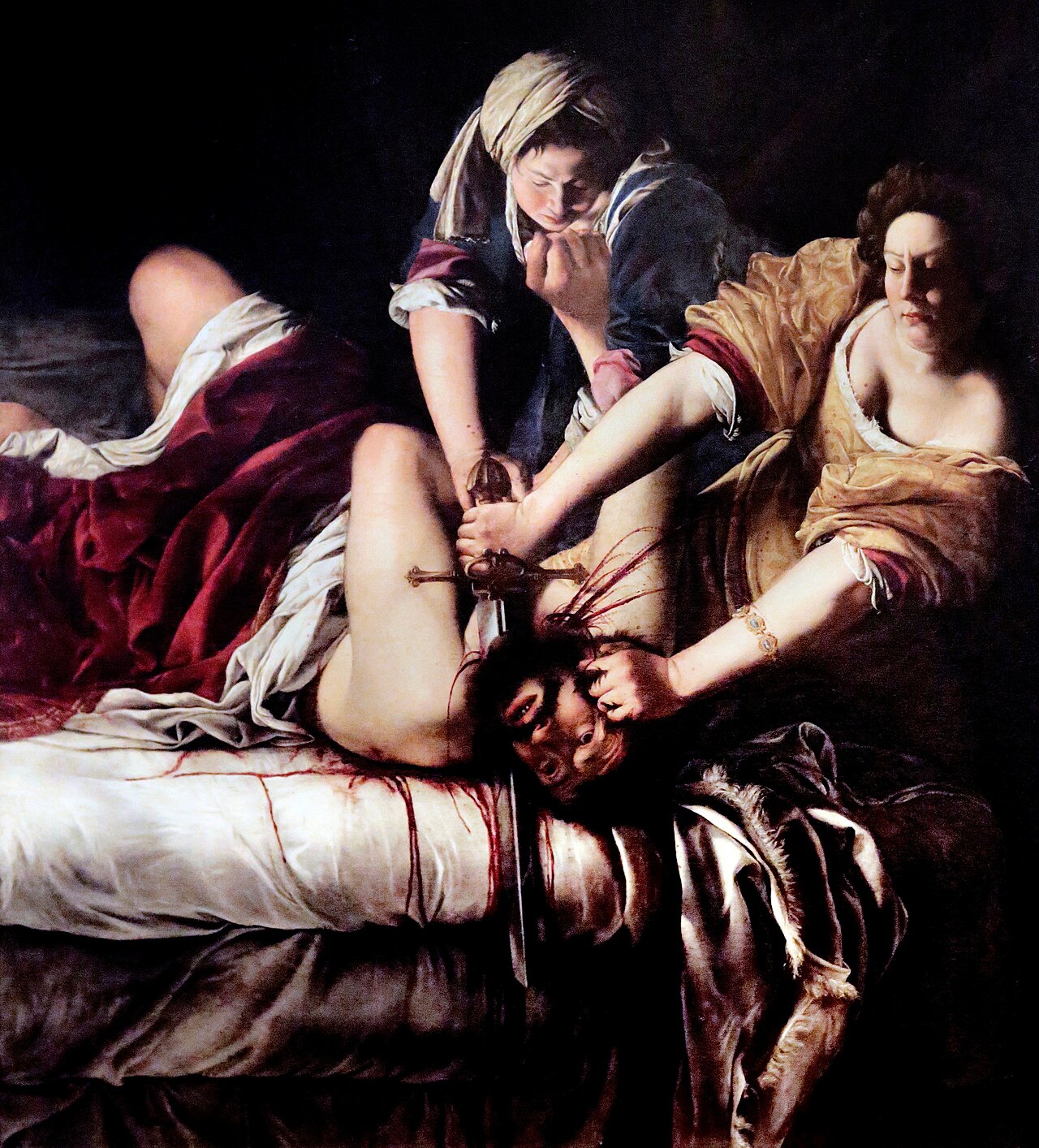
Judith Beheading Holofernes
Artemisia Gentileschi · c. 1620
A violent painting of Judith and her maid killing the Assyrian general Holofernes, painted by Artemisia Gentileschi for the Medici court.
Gentileschi painted this work herself, one of her most famous treatments of the Judith theme.
About this source
What it is
This oil painting, made around 1620 by Artemisia Gentileschi, shows Judith and her servant Abra beheading the Assyrian general Holofernes, a story from the Book of Judith. It was painted for Grand Duke Cosimo II de' Medici and hangs today in the Uffizi Gallery in Florence.
Why it matters
Gentileschi painted this scene more than once; this Uffizi version is a later, more refined treatment than her earlier Naples painting. Her use of dramatic light and shadow (chiaroscuro) and unflinching realism show the influence of Caravaggio, but her focus on the physical struggle and the active role of both women set her apart from most male painters of the subject.
Look closer
- What does the composition emphasize: the violence, the women's effort, or something else?
- Why might a female painter choose to depict this moment so directly?
- What does the choice of patron (a powerful Duke) suggest about how this image was received?
This painting is part of the curated material that grounds the AI version of Artemisia Gentileschi on Humy.ai — when students ask about related events, the AI can quote it and cite it.
More Artemisia Gentileschi sources
Meet the AI Artemisia Gentileschi →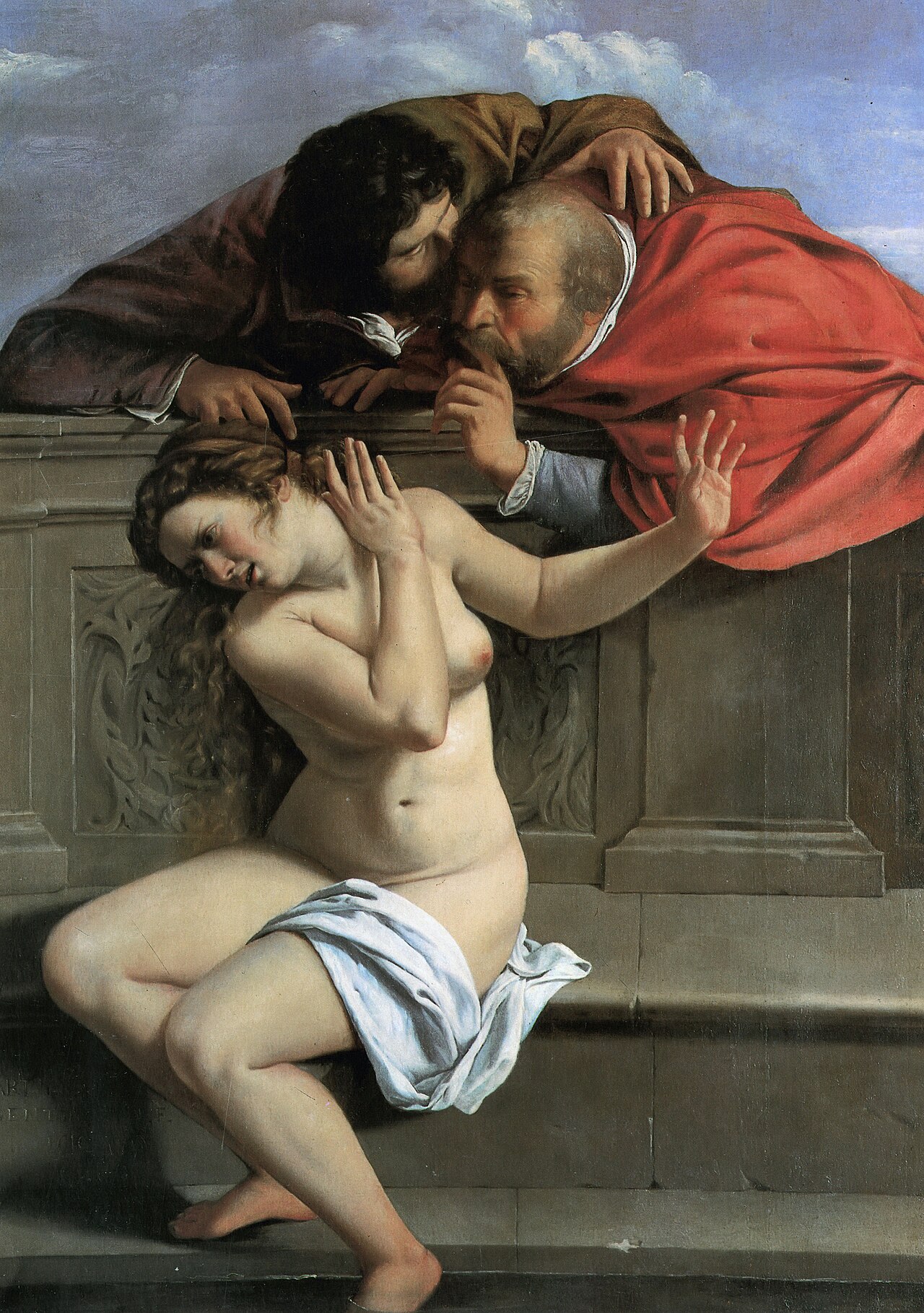 Painting
Primary source
Susanna and the Elders
Artemisia Gentileschi · 1610
 Painting
Primary source
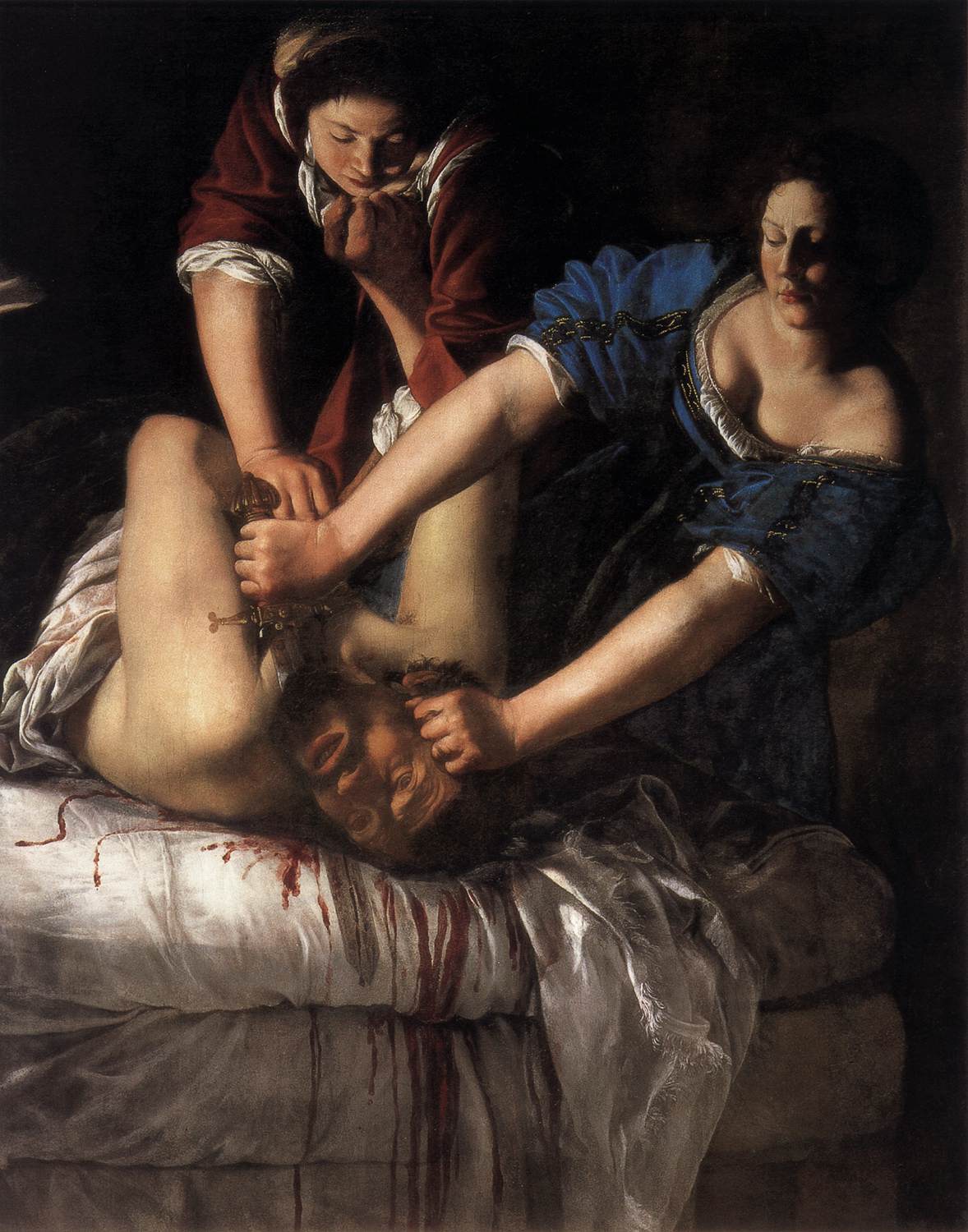
Judith Slaying Holofernes
Artemisia Gentileschi · 1612-1613
 Painting
Primary source
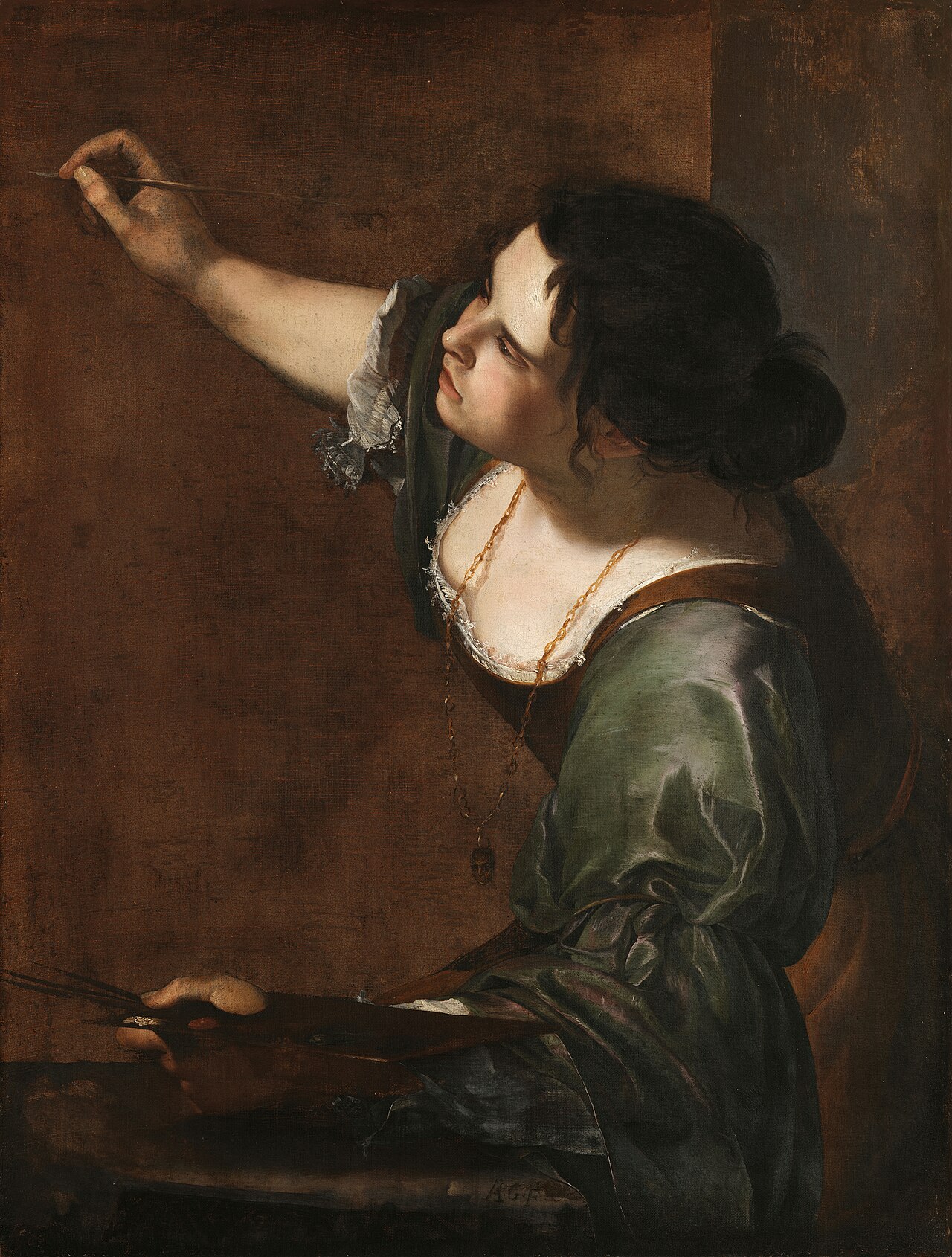
Self-Portrait as the Allegory of Painting
Artemisia Gentileschi · c. 1638-1639
 Painting
Primary source
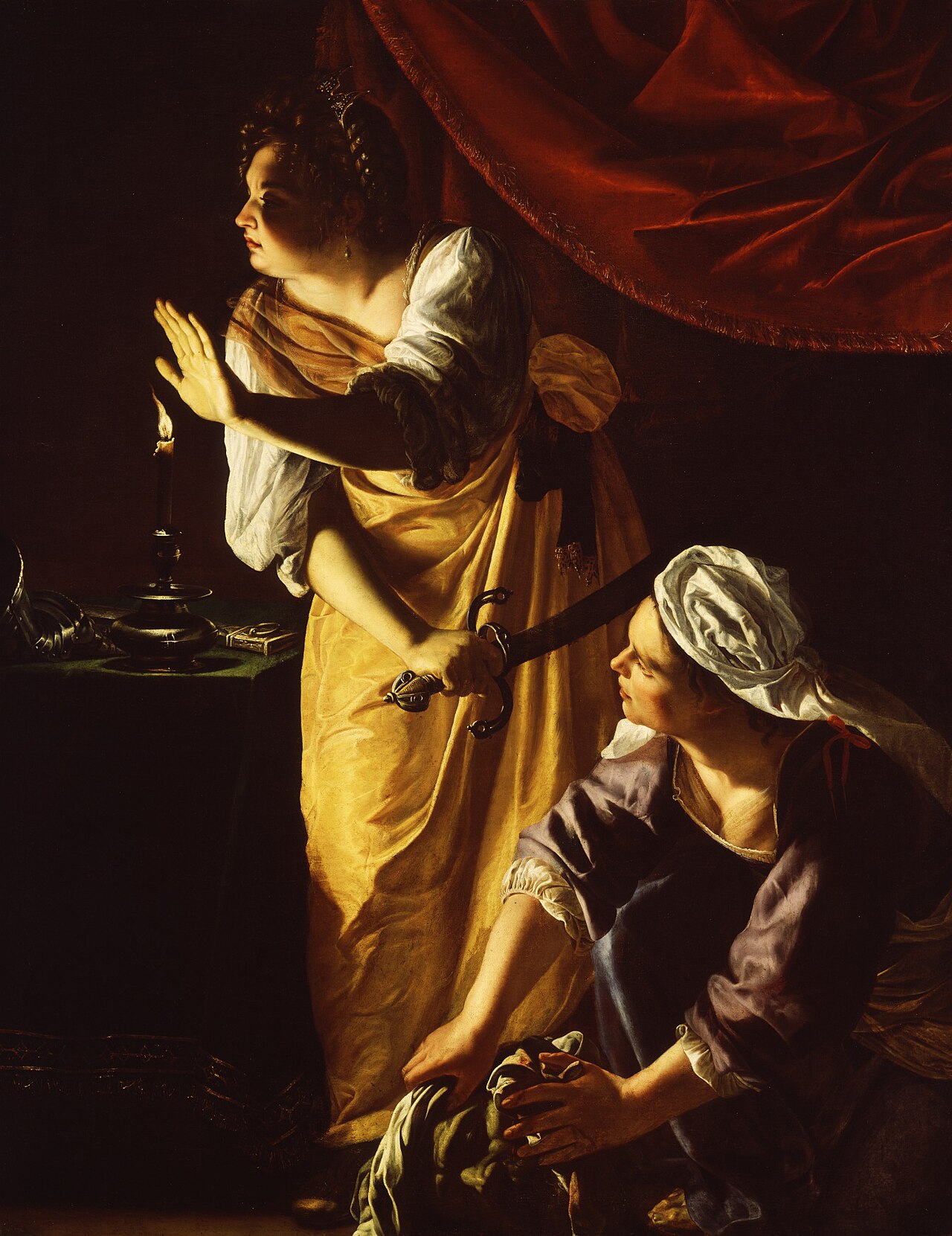
Judith and Maidservant with Head of Holofernes
Artemisia Gentileschi · c. 1623-1625
 Painting
Primary source
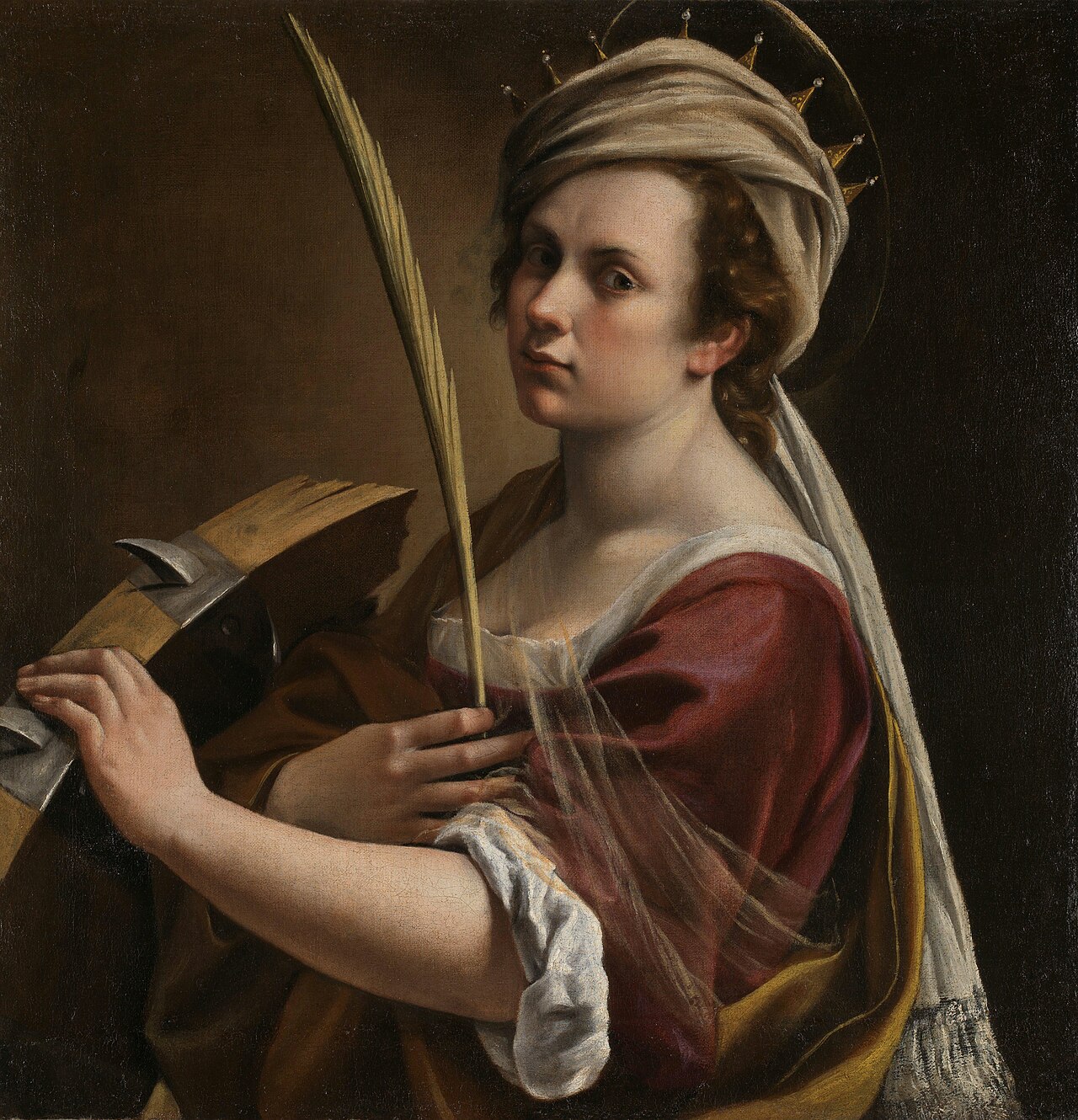
Self-Portrait as Saint Catherine of Alexandria
Artemisia Gentileschi · c. 1615-1617
Ready when you are
Start chatting with Artemisia Gentileschi now.
20 messages free · No credit card · Available in 50+ languages.