


Primary sourcePainting1610
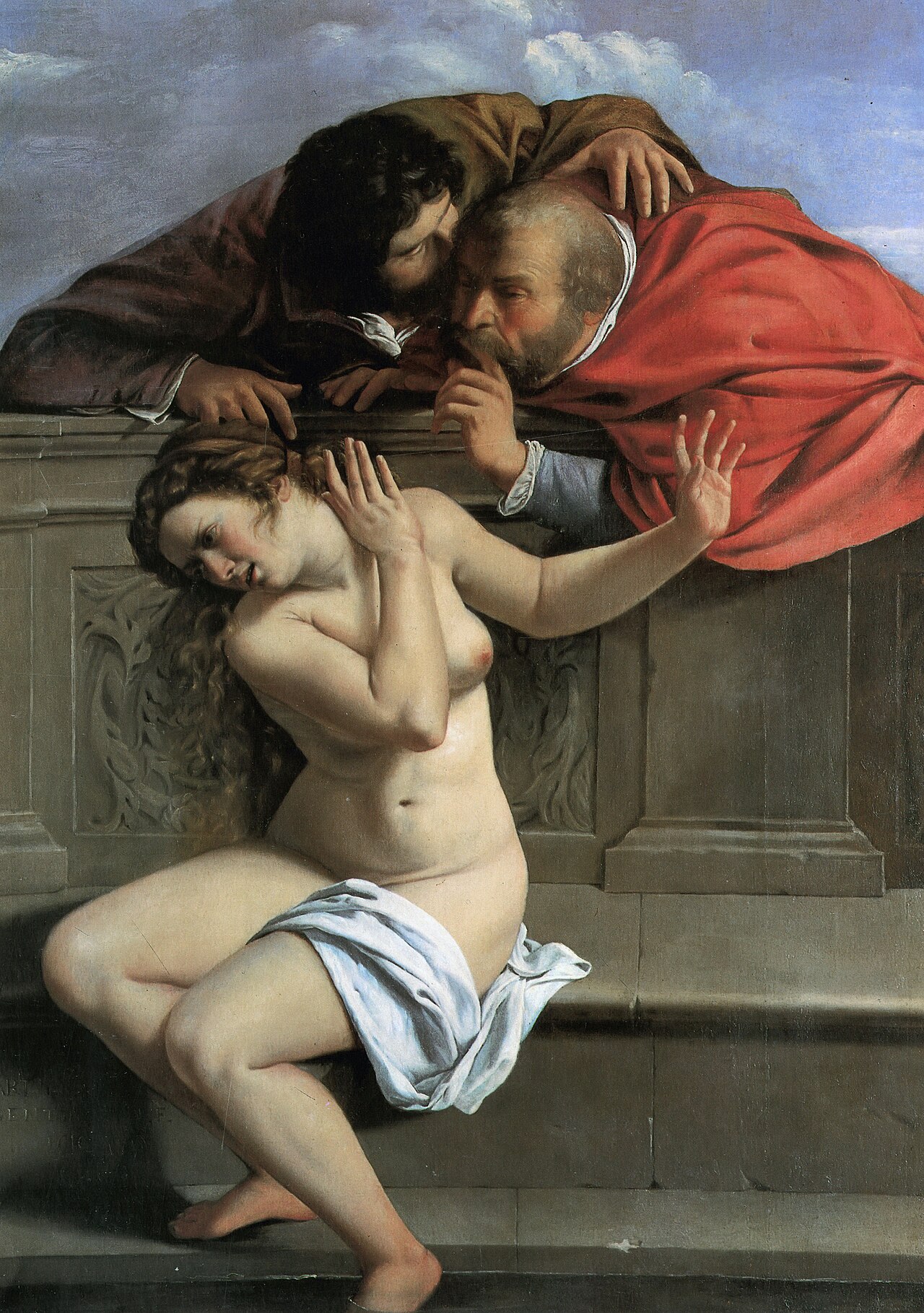
Susanna and the Elders
Artemisia Gentileschi · 1610
Gentileschi's earliest surviving signed painting, made at seventeen, shows a young woman harassed by two older men while bathing.
Gentileschi's earliest signed work, painted at seventeen, a year before her own assault by Agostino Tassi.
About this source
What it is
Painted in 1610 when Artemisia Gentileschi was seventeen, this is her earliest known signed and dated work. It depicts the biblical story of Susanna, bathing in her garden, confronted by two elders who demand sexual favors and later falsely accuse her of adultery. The painting hangs at Schloss Weißenstein in Pommersfelden, Germany.
Why it matters
Painted a year before Gentileschi was raped by Agostino Tassi, this work is notable for showing Susanna's visible distress and discomfort, unlike many contemporary versions by male artists that downplay her fear. Scholars have debated how much guidance Gentileschi received from her artist father Orazio, since depicting a convincing female nude at such a young age was unusual for the time.
Look closer
- How does Susanna's body language differ from other paintings of the same subject?
- Why might the artist's gender change how this scene is shown?
- What does the composition, with the men looming above, suggest about power in the scene?
This painting is part of the curated material that grounds the AI version of Artemisia Gentileschi on Humy.ai — when students ask about related events, the AI can quote it and cite it.
More Artemisia Gentileschi sources
Meet the AI Artemisia Gentileschi →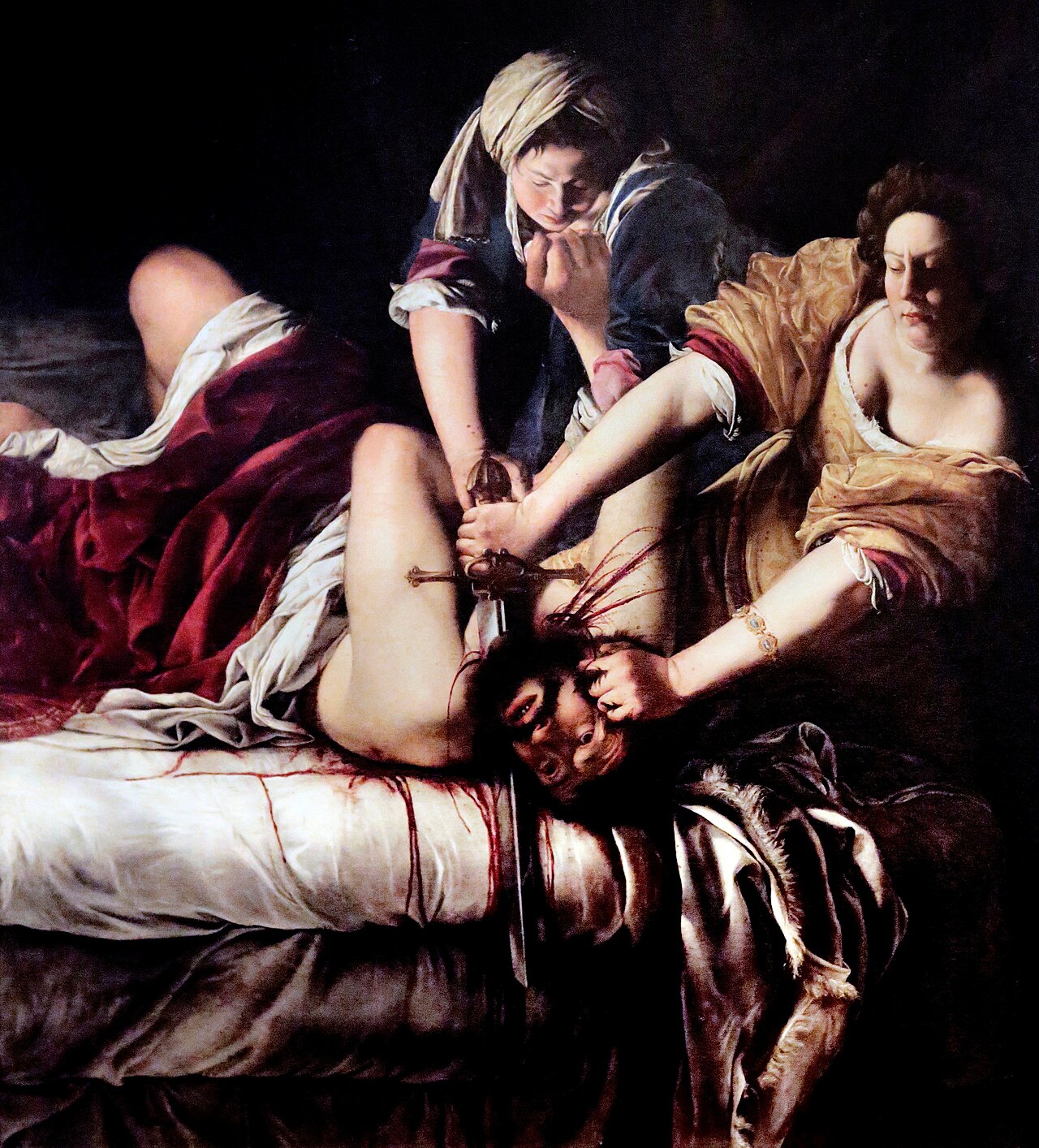 Painting
Primary source
Judith Beheading Holofernes
Artemisia Gentileschi · c. 1620
 Painting
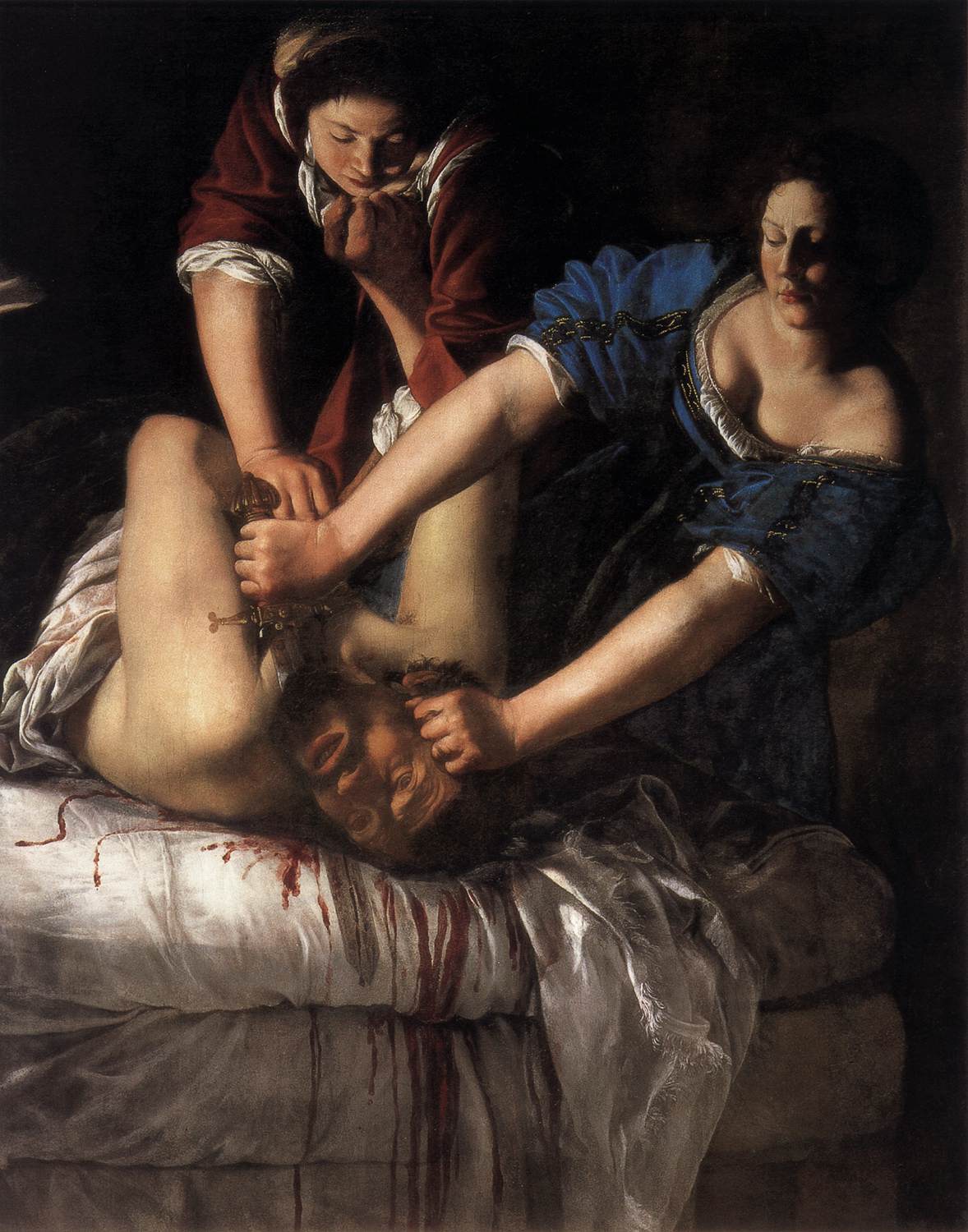
Primary source
Judith Slaying Holofernes
Artemisia Gentileschi · 1612-1613
 Painting
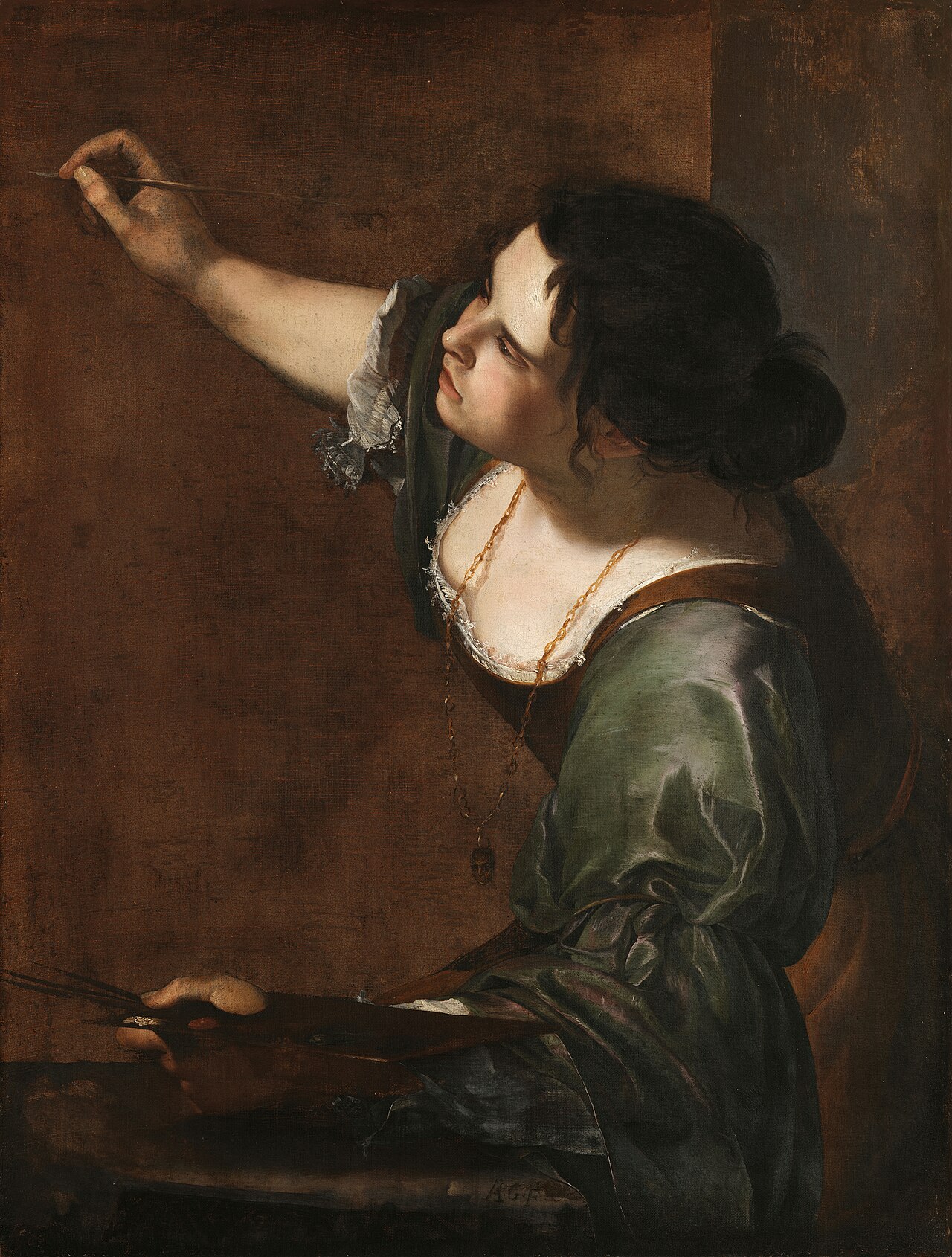
Primary source
Self-Portrait as the Allegory of Painting
Artemisia Gentileschi · c. 1638-1639
 Painting
Primary source
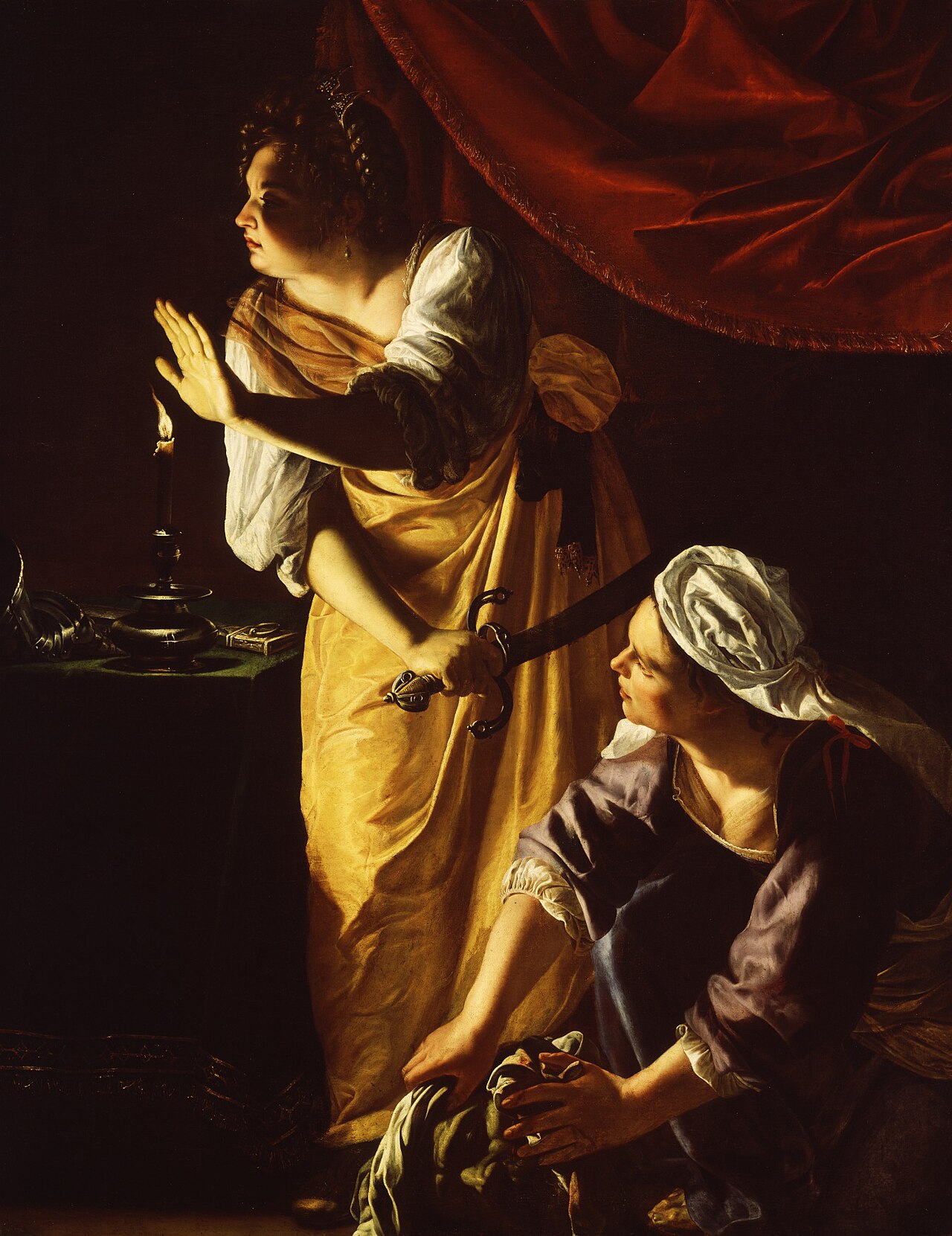
Judith and Maidservant with Head of Holofernes
Artemisia Gentileschi · c. 1623-1625
 Painting
Primary source
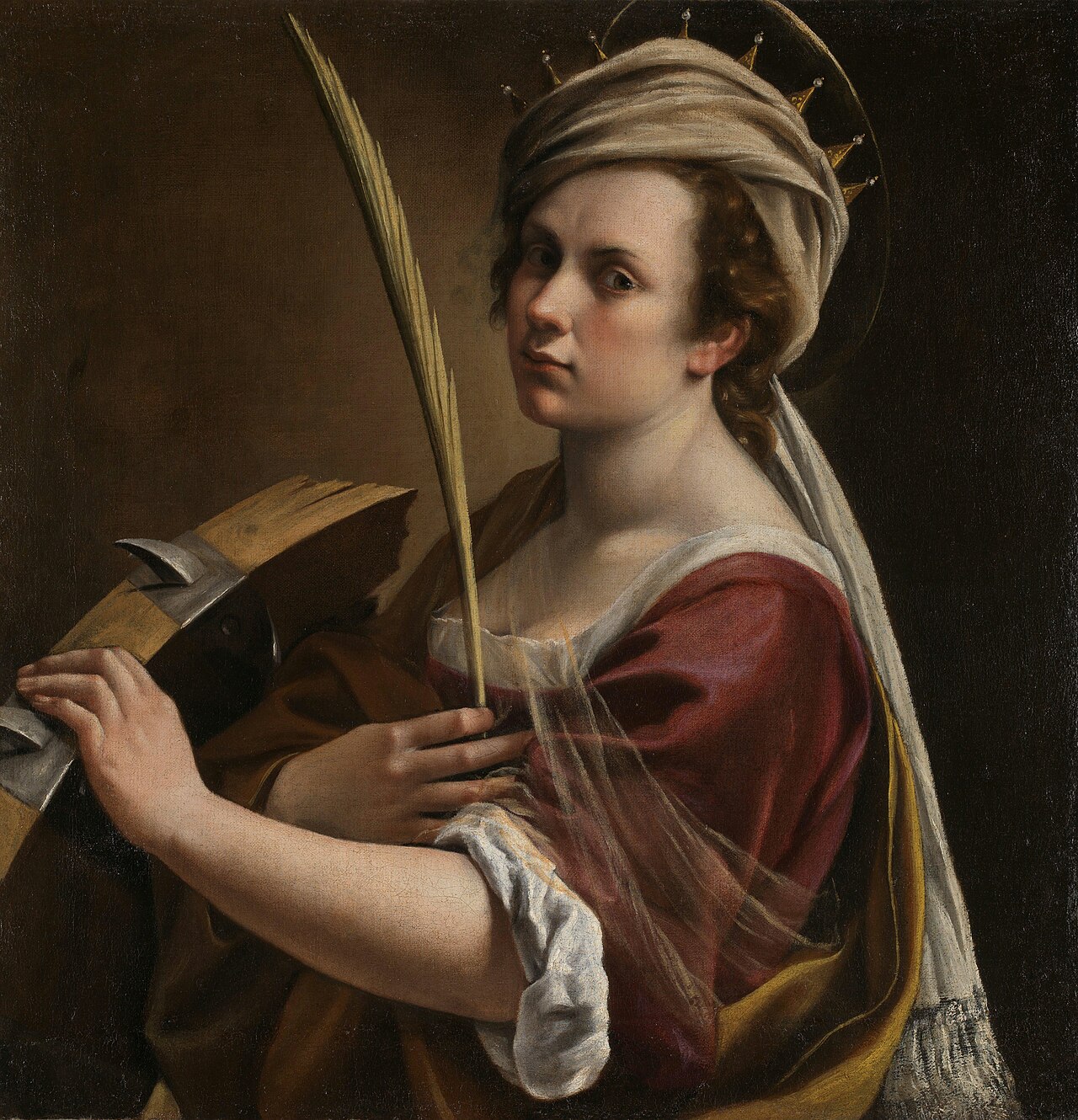
Self-Portrait as Saint Catherine of Alexandria
Artemisia Gentileschi · c. 1615-1617
Ready when you are
Start chatting with Artemisia Gentileschi now.
20 messages free · No credit card · Available in 50+ languages.