


Primary sourcePaintingc. 1638-1639
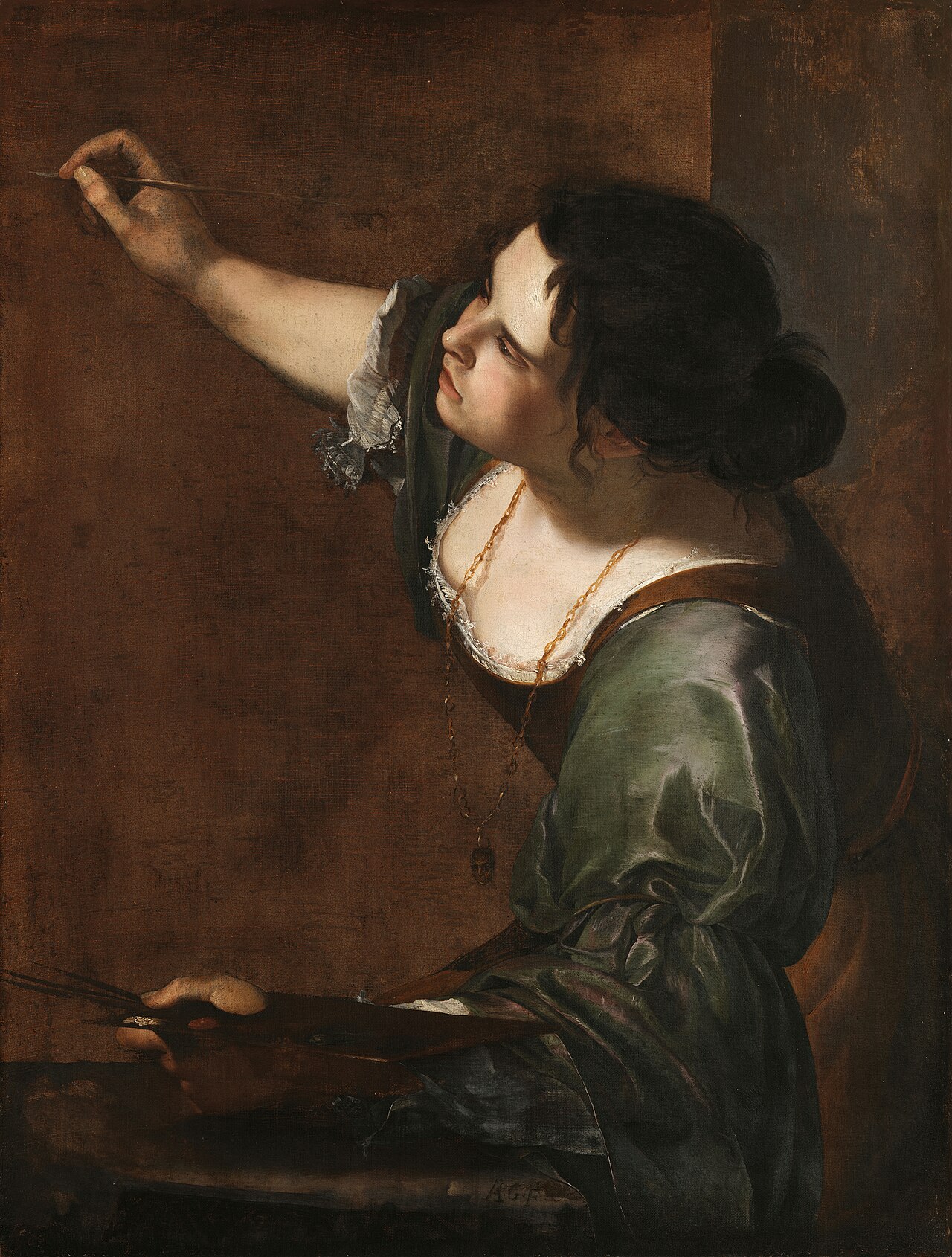
Self-Portrait as the Allegory of Painting
Artemisia Gentileschi · c. 1638-1639
Gentileschi paints herself as the personification of Painting itself, a claim to artistic authority unavailable to male painters.
A self-portrait in which Gentileschi depicts herself as the personification of Painting.
About this source
What it is
This oil painting, likely made by Artemisia Gentileschi during her stay in England around 1638–1639, shows her painting herself while also representing the allegorical figure of Painting, following descriptions by writer Cesare Ripa. It was owned by King Charles I and remains in the Royal Collection, now displayed at Hampton Court Palace.
Why it matters
Because allegories like 'Painting' were traditionally shown as women, Gentileschi could merge self-portrait and allegory in a way no male artist could. This was a bold statement at a time when women rarely held recognized artistic careers, and it reflects her determination to assert her own authority as an artist.
Look closer
- Why might an artist choose to represent an abstract idea using her own body?
- What details (hands, clothing, light) make the painting feel realistic?
- How does this self-portrait differ from traditional portraits of artists at work?
This painting is part of the curated material that grounds the AI version of Artemisia Gentileschi on Humy.ai — when students ask about related events, the AI can quote it and cite it.
More Artemisia Gentileschi sources
Meet the AI Artemisia Gentileschi →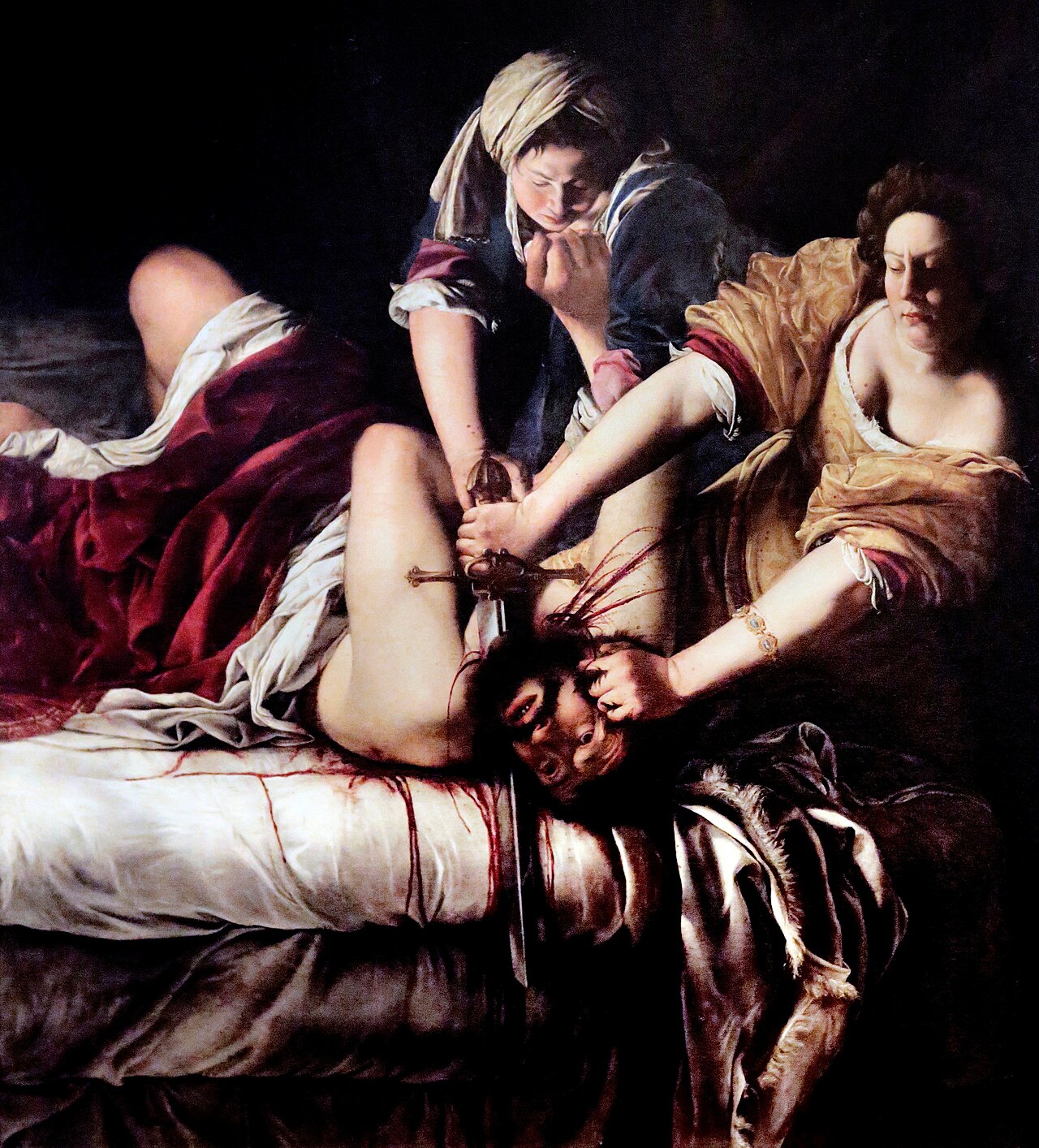 Painting
Primary source
Judith Beheading Holofernes
Artemisia Gentileschi · c. 1620
 Painting
Primary source
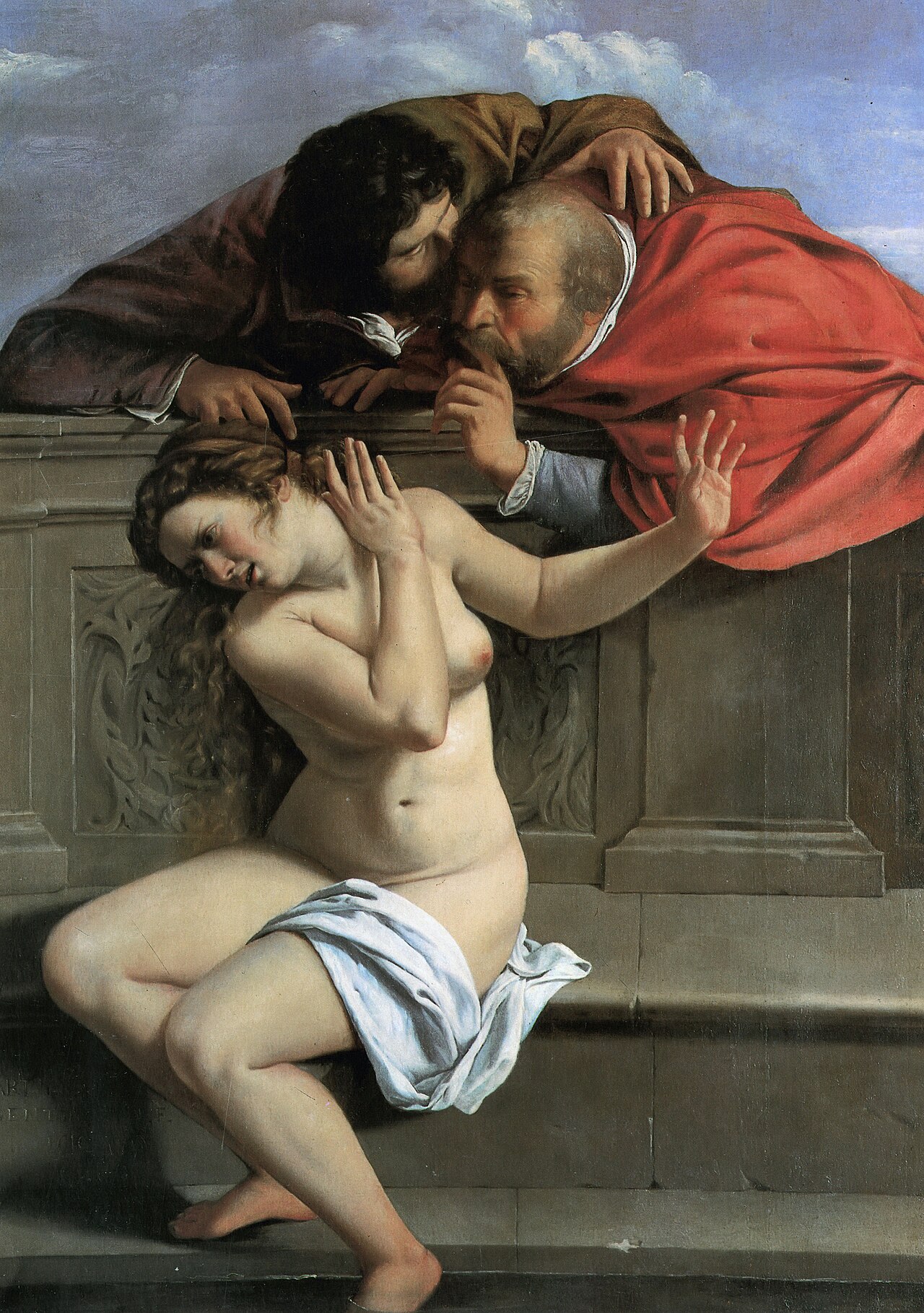
Susanna and the Elders
Artemisia Gentileschi · 1610
 Painting
Primary source
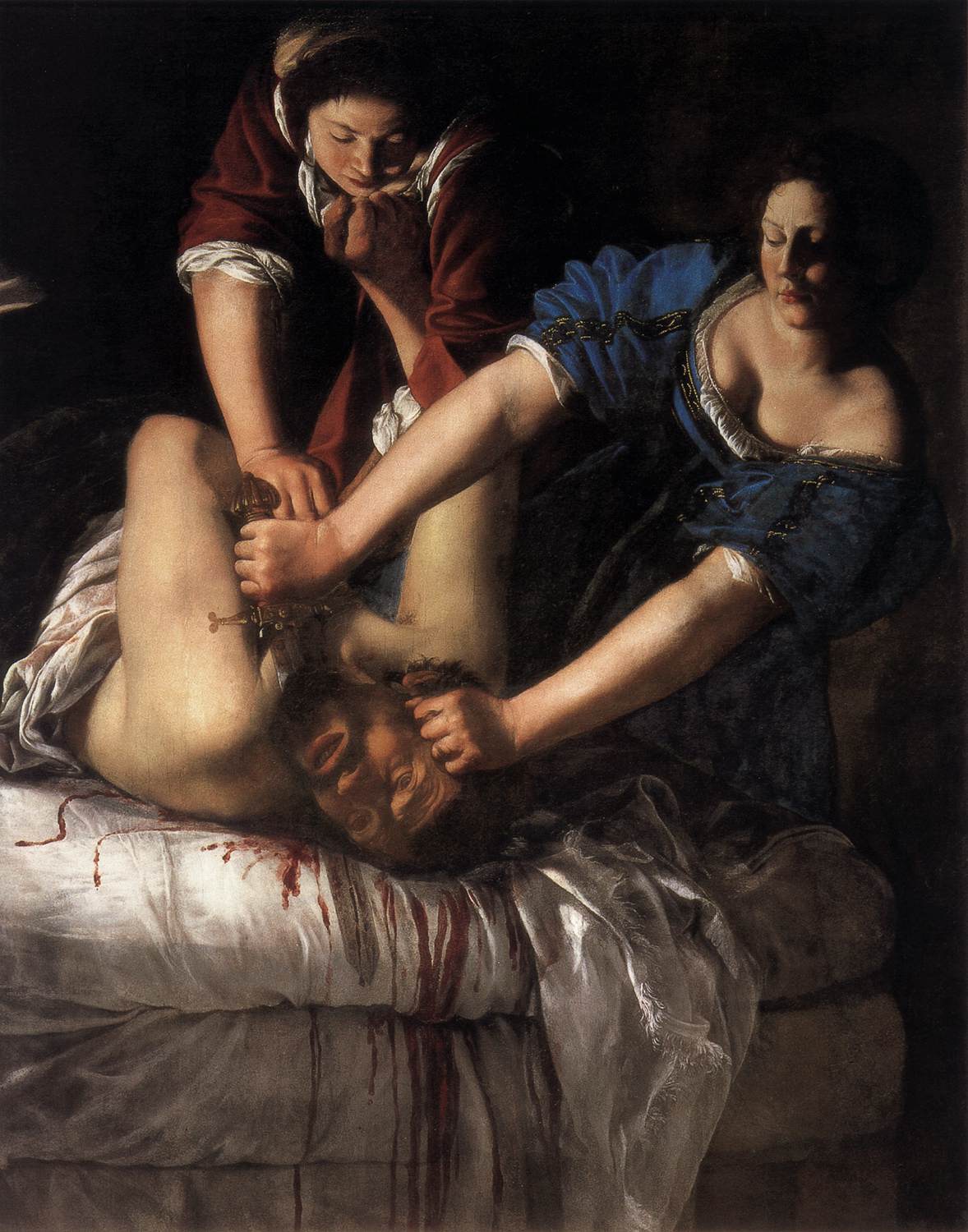
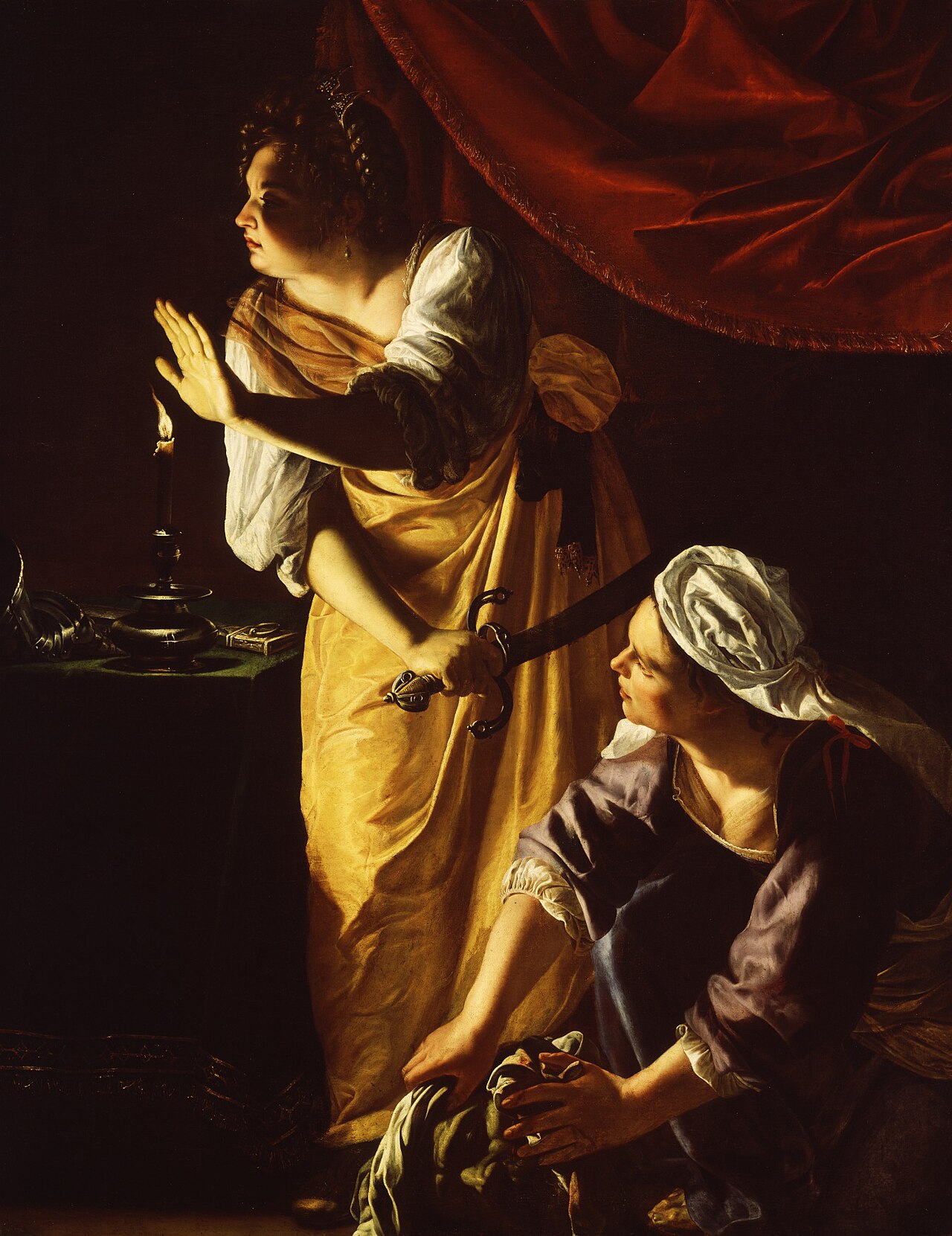
Judith Slaying Holofernes
Artemisia Gentileschi · 1612-1613
 Painting
Primary source
Judith and Maidservant with Head of Holofernes
Artemisia Gentileschi · c. 1623-1625
 Painting
Primary source
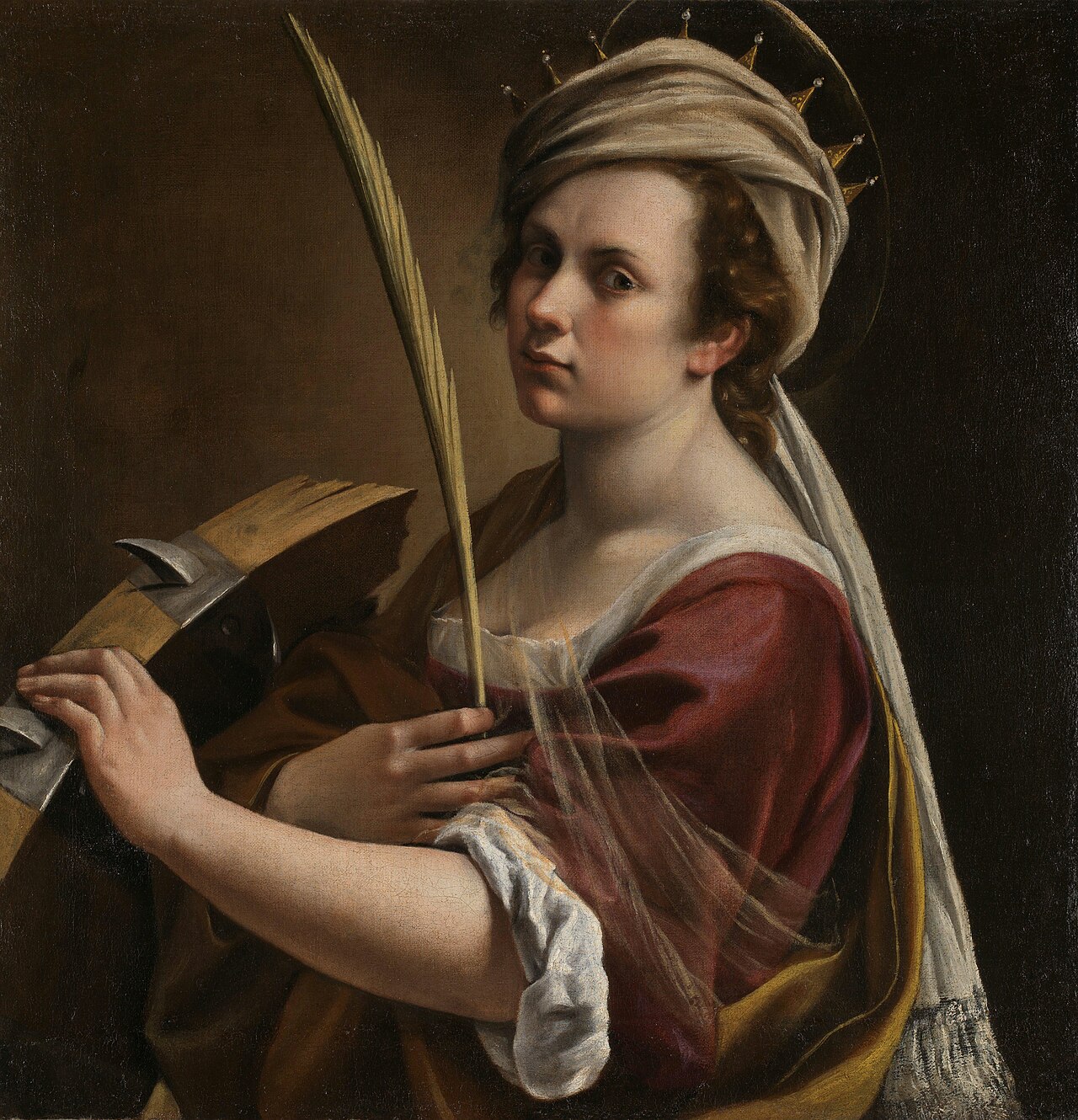
Self-Portrait as Saint Catherine of Alexandria
Artemisia Gentileschi · c. 1615-1617
Ready when you are
Start chatting with Artemisia Gentileschi now.
20 messages free · No credit card · Available in 50+ languages.