


Primary sourceArtifact1823
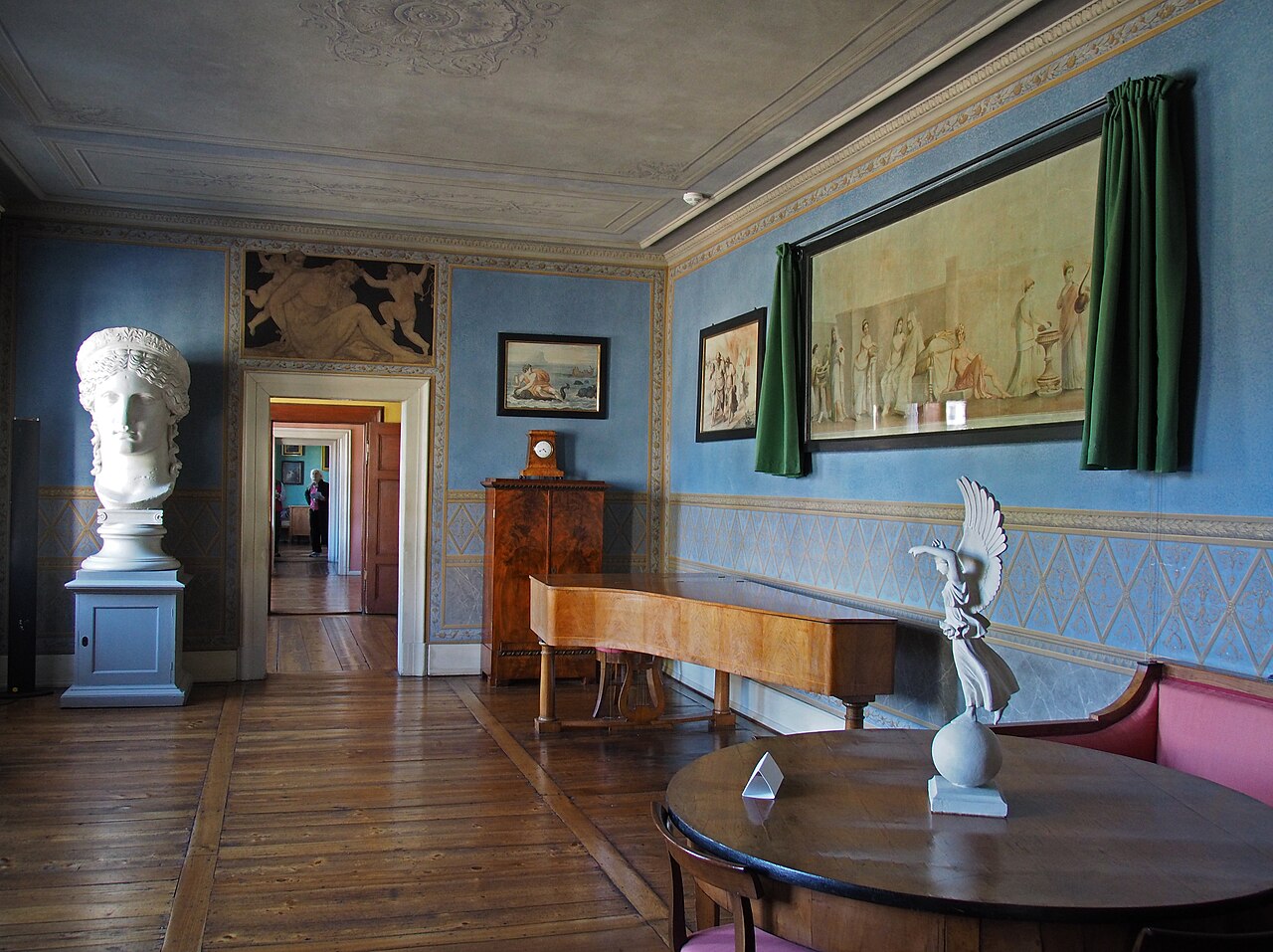
Juno Ludovisi at the Goethe House
1823
A colossal plaster cast of the ancient Juno Ludovisi head, owned by Goethe and displayed in his Weimar house as an emblem of his classical ideal of beauty.
Goethe owned and displayed this plaster cast in his Weimar home, showing his devotion to classical ideals of beauty.
About this source
What it is
This is a large plaster cast of the head known as the Juno Ludovisi, an ancient sculpture Goethe admired while in Rome. The cast, dated 1823, stood in Goethe's house in Weimar and is now kept by the Goethe-Nationalmuseum.
Why it matters
Goethe revered classical art as a model of ideal beauty and harmony, and this cast shows how deeply Greco-Roman antiquity shaped his personal surroundings and artistic taste. Keeping such a monumental reproduction in his home reveals how important classical ideals were to his daily life, not just his writing.
Look closer
- Why might Goethe have wanted a copy of an ancient sculpture rather than the original?
- What does the placement of this object in his living room tell you about how he wanted visitors to see him?
- What is missing from a plaster cast that the real marble sculpture would have had?
This artifact is part of the curated material that grounds the AI version of Johann Wolfgang von Goethe on Humy.ai — when students ask about related events, the AI can quote it and cite it.
More Johann Wolfgang von Goethe sources
Meet the AI Johann Wolfgang von Goethe →Primary source
Faust
Johann Wolfgang von Goethe · drafted 1770s-1831
 Painting
Primary source
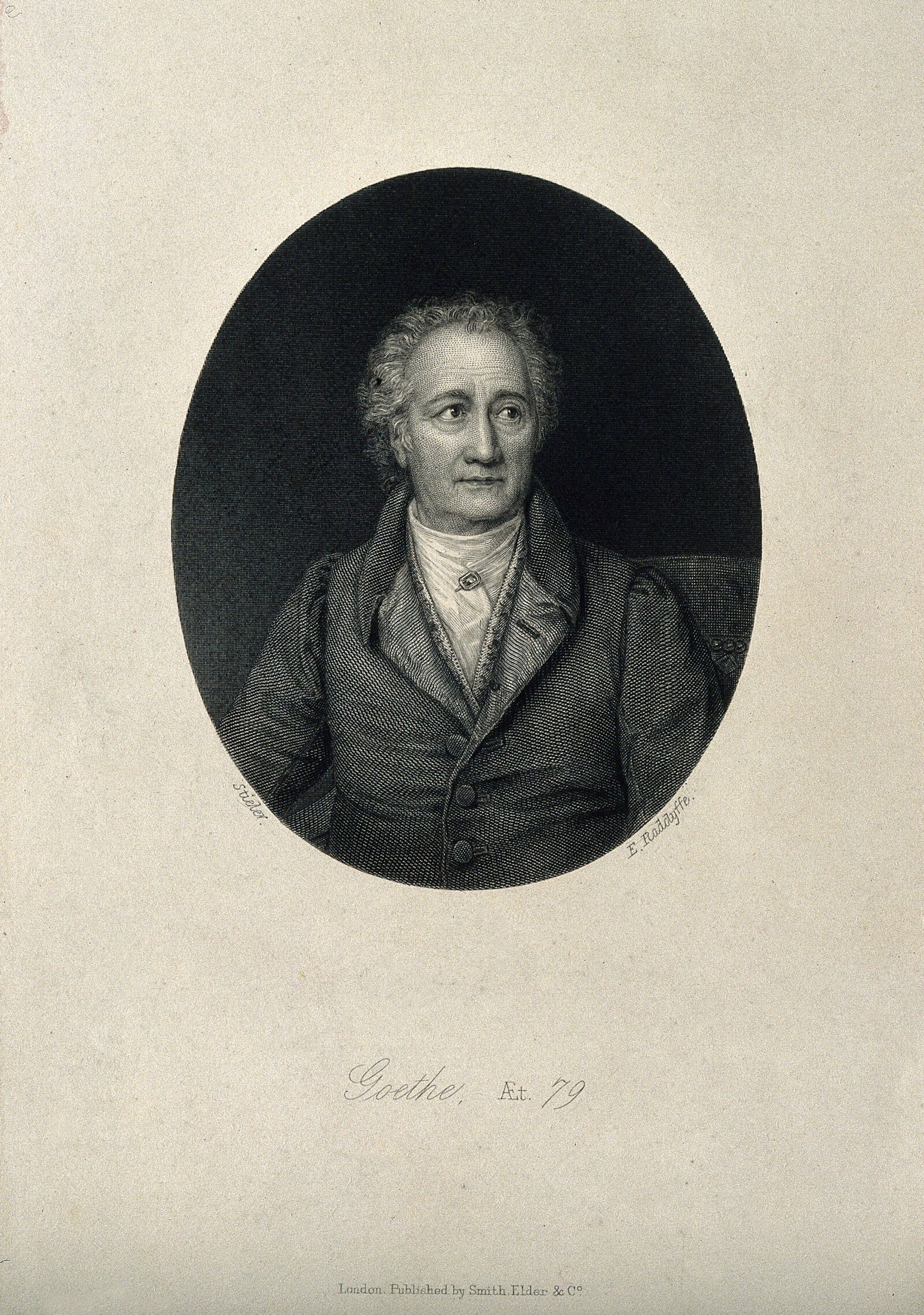
Goethe Line Engraving by Radclyffe after Stieler
E. Radclyffe after J. K. Stieler · 1828
 Book
Primary source
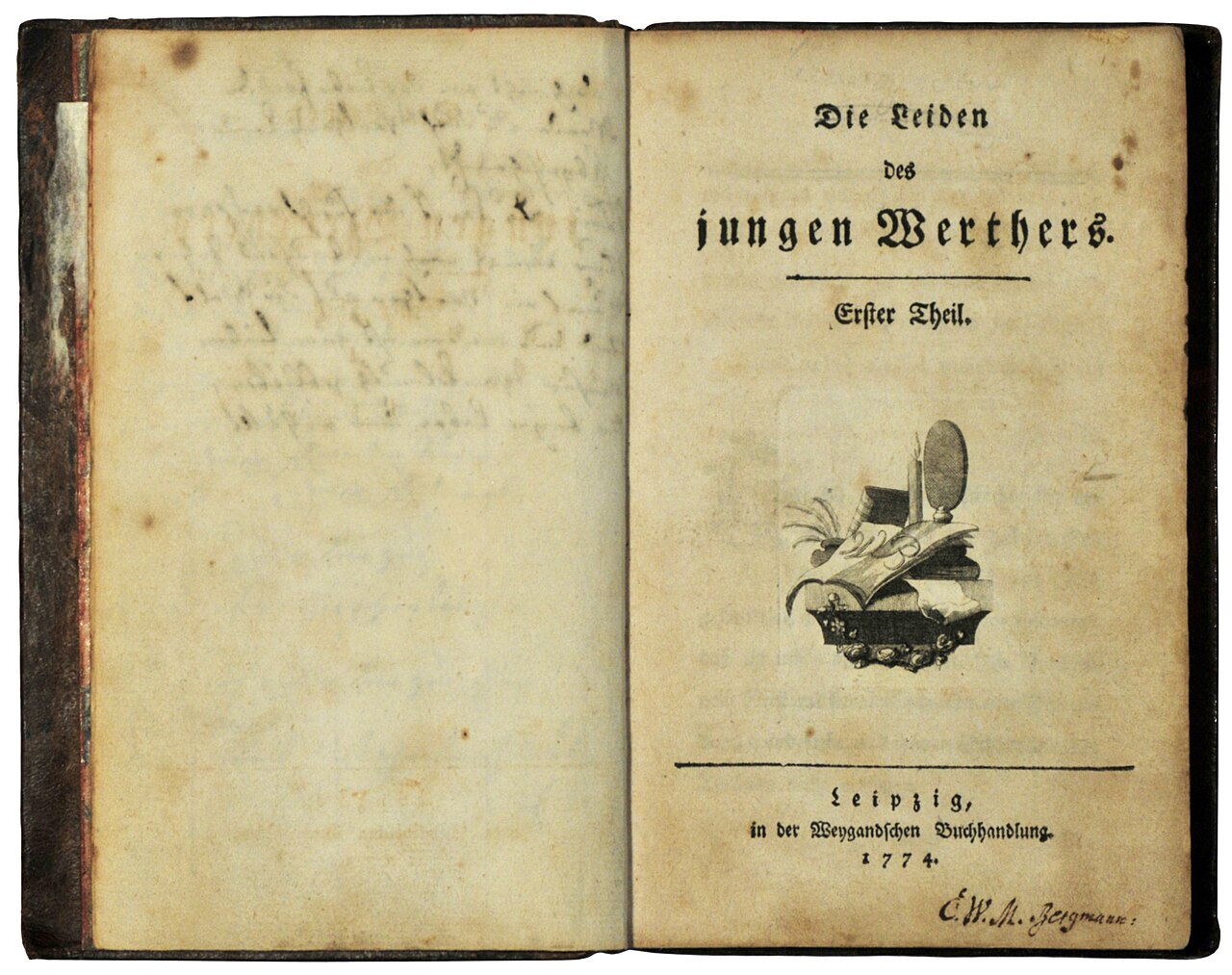
The Sorrows of Young Werther
Johann Wolfgang von Goethe · 1774
 Painting
Primary source
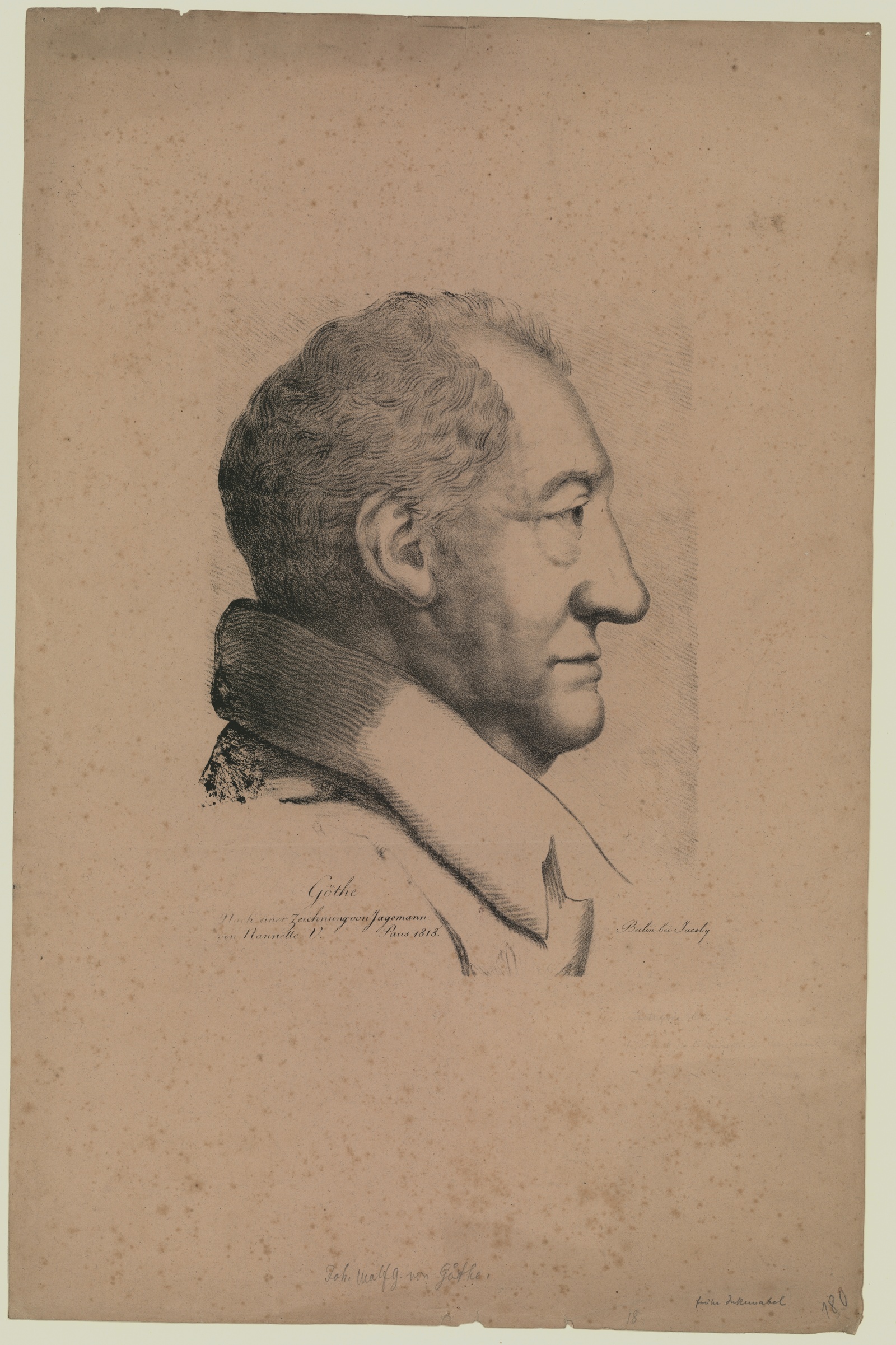
Lithograph Portrait of Goethe by Jagemann and Nanette
F. Jagemann and Nanette · c. 1818
Primary source
Der Erlkönig
Johann Wolfgang von Goethe · 1782
Ready when you are
Start chatting with Johann Wolfgang von Goethe now.
20 messages free · No credit card · Available in 50+ languages.