


Primary sourceSculpturec. 2570 BCE
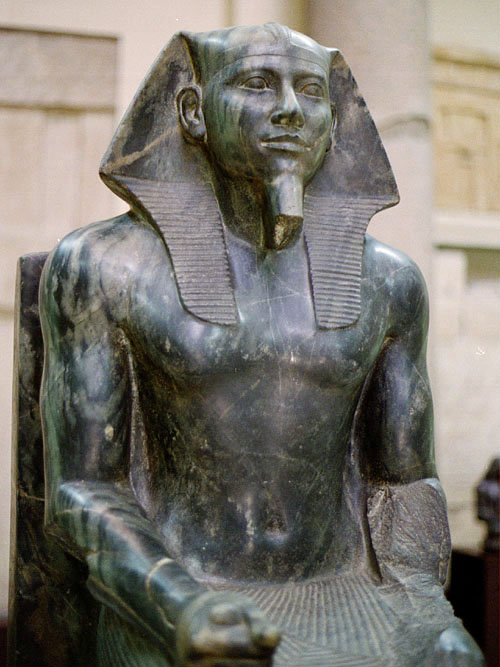
Khafre Enthroned
c. 2570 BCE
A statue of Khufu's son and successor Khafre, showing the kind of royal statuary made for Fourth Dynasty kings, none of which survives for Khufu himself.
This statue of Khufu's son Khafre fills in for the lost royal statuary that once would have represented Khufu himself.
About this source
What it is
This is a ka statue of the pharaoh Khafre, Khufu's son, who ruled during the Fourth Dynasty of ancient Egypt. Carved from a hard dark stone brought a long distance down the Nile, it was made for Khafre's valley temple near the Great Sphinx. It is now in the Egyptian Museum in Cairo.
Why it matters
A ka statue was meant to give the king's spirit a permanent home after death. Khafre sits rigidly, wearing royal headdress and false beard, surrounded by symbols of Egypt's unification and royal power. Because no equivalent full statue survives for Khufu, this statue of his son and successor is used to show what royal statuary of their dynasty looked like.
Look closer
- What details in the statue's pose and symbols were meant to show the king's power, rather than record his real appearance?
- Why might ancient Egyptian royal statues avoid showing individual, lifelike features?
- What does the statue's survival, compared to the loss of similar statues of Khufu, suggest about chance in archaeology?
This sculpture is part of the curated material that grounds the AI version of Pharaoh Khufu (Cheops) on Humy.ai — when students ask about related events, the AI can quote it and cite it.
More Pharaoh Khufu (Cheops) sources
Meet the AI Pharaoh Khufu (Cheops) →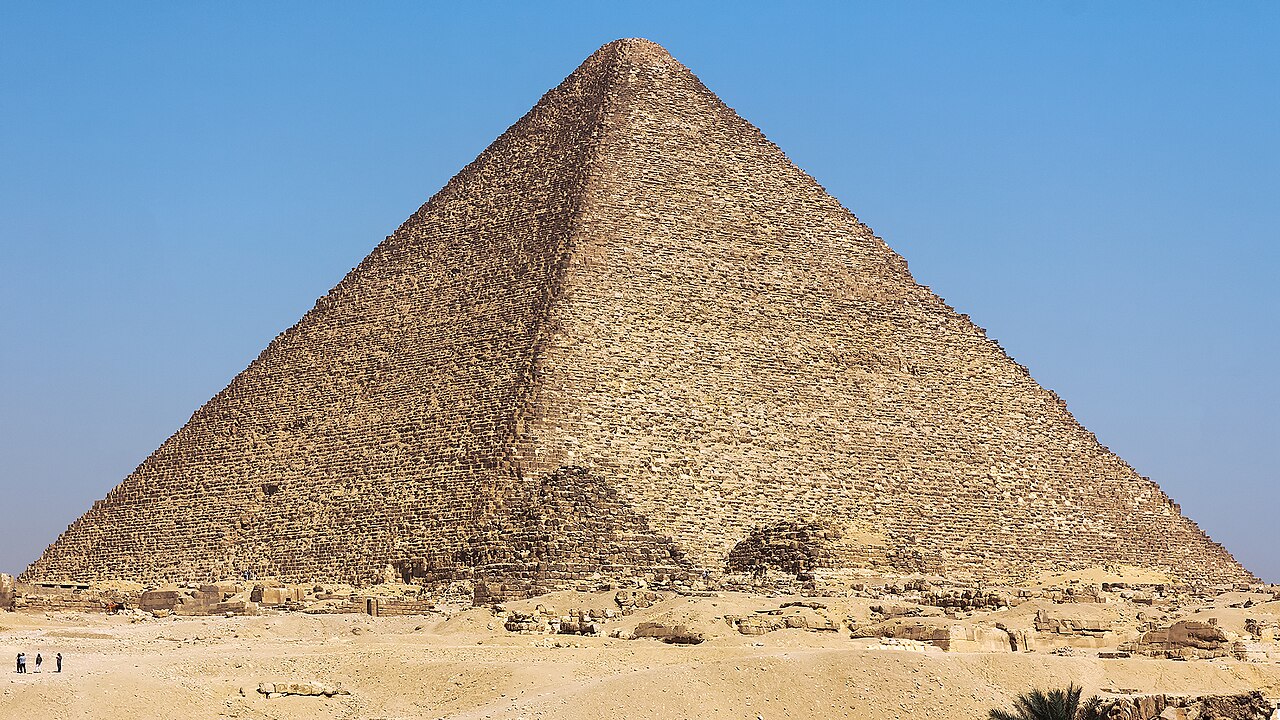 Artifact
Primary source
Great Pyramid of Giza
c. 2560 BCE
 Photograph
Secondary source
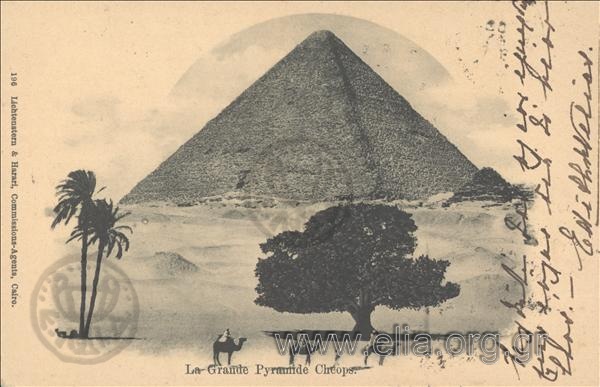
La Grande Pyramide Cheops
1903
 Sculpture
Primary source
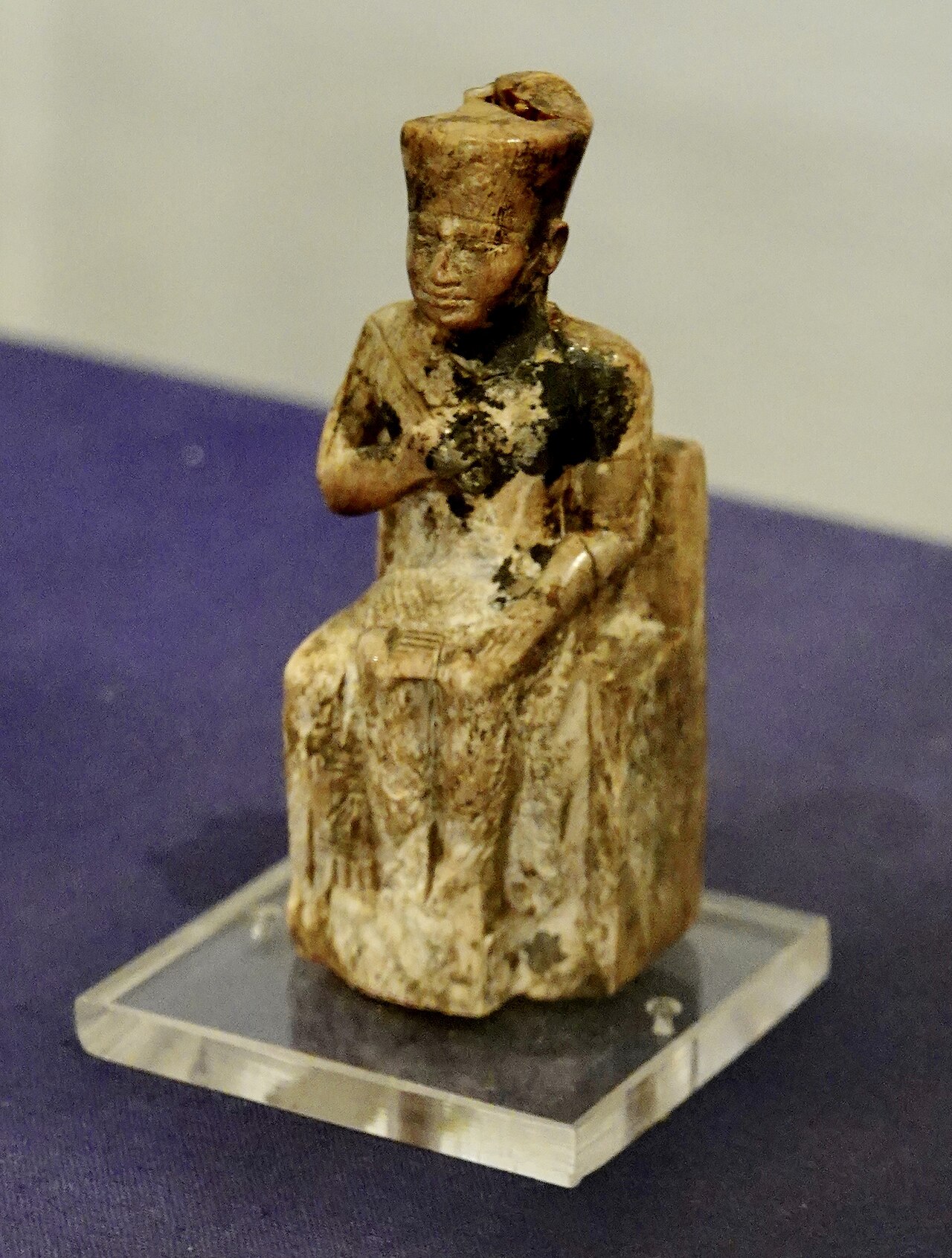
Khufu Statuette
c. 2600–2494 BCE (possibly later, 664–525 BCE)
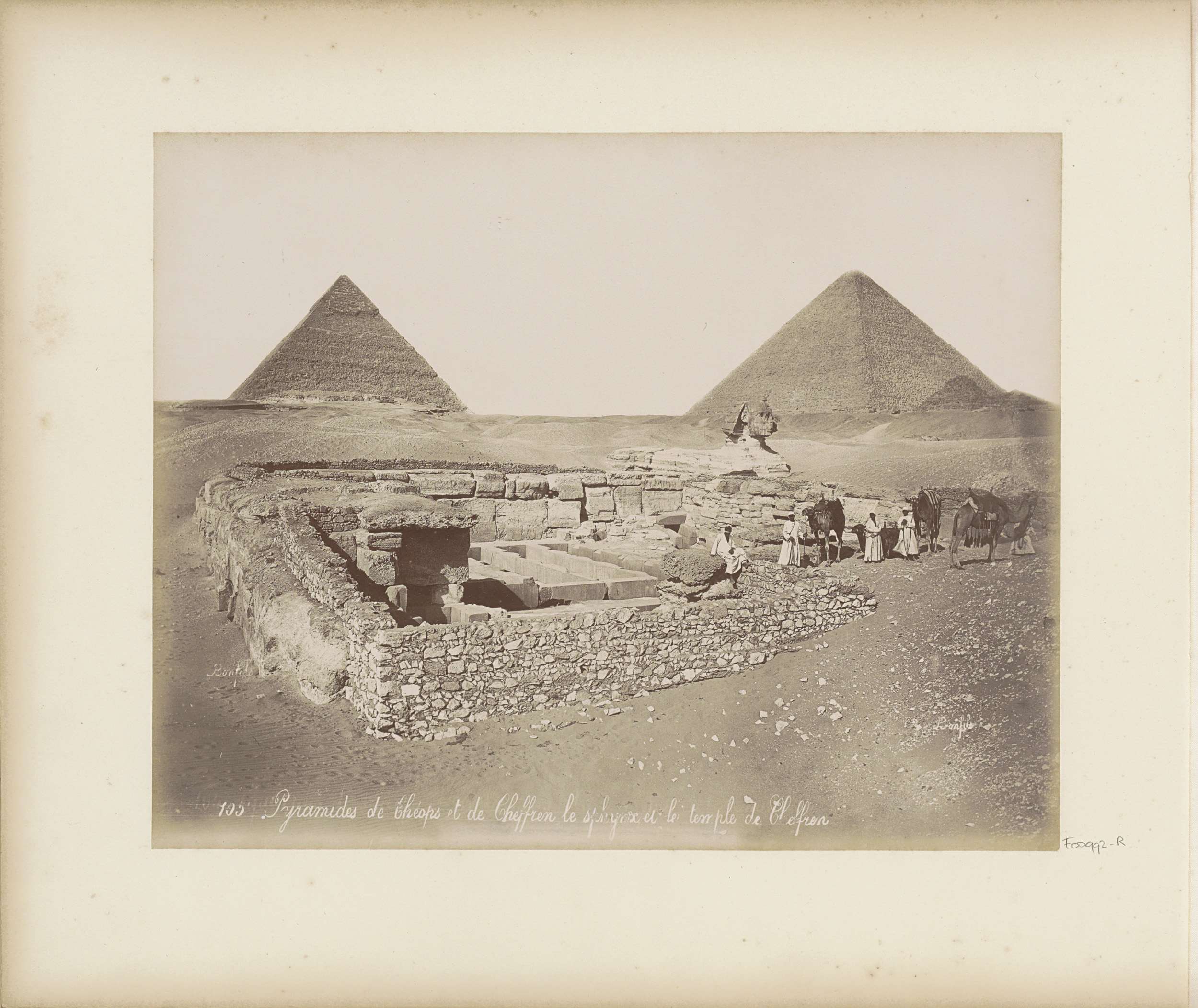 Photograph
Secondary source
Pyramids of Cheops and Chephren and the Sphinx at Giza
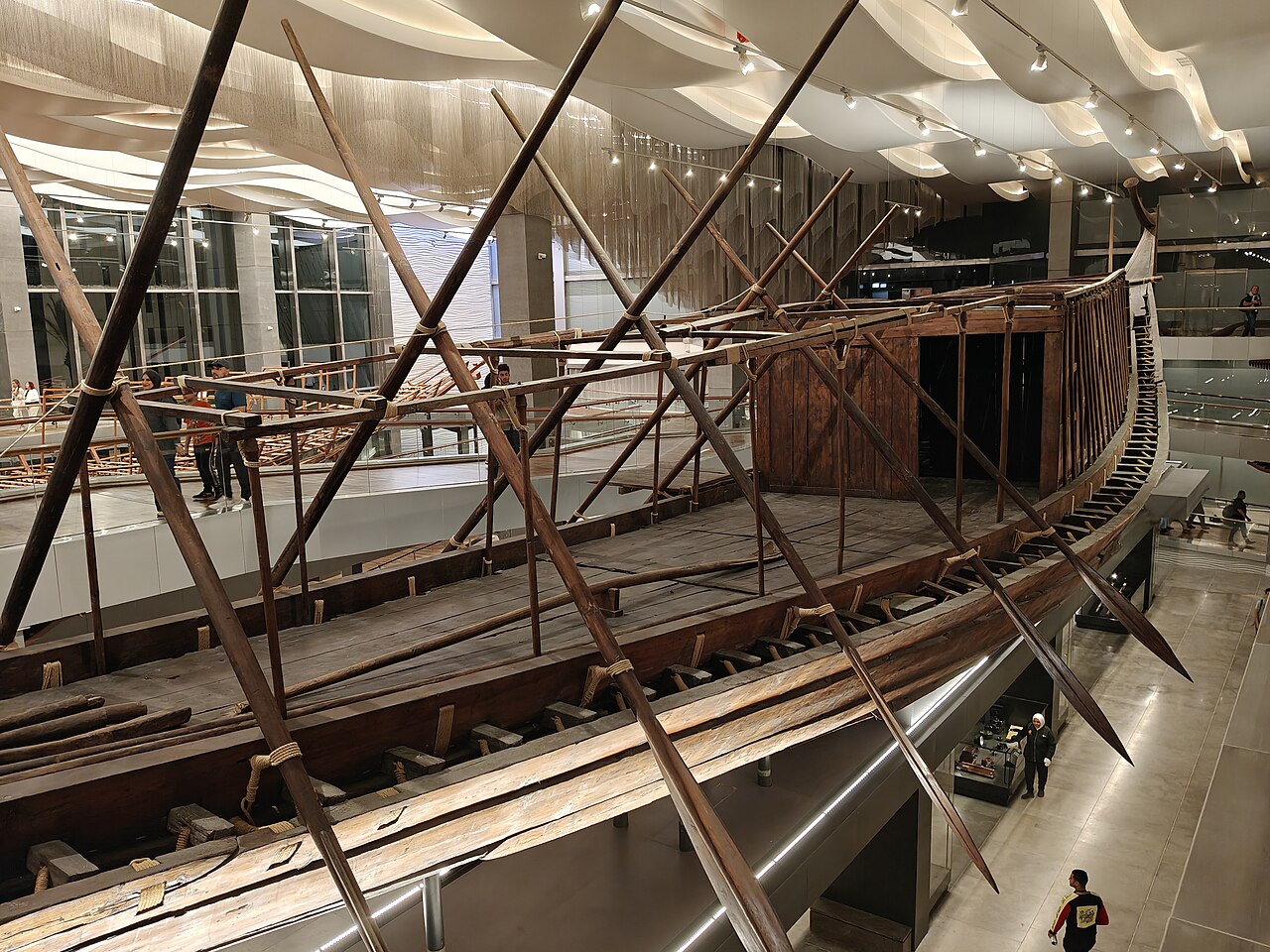 Artifact
Primary source
Khufu ship
Royal shipwrights of Khufu · c. 2566 BCE
Ready when you are
Start chatting with Pharaoh Khufu (Cheops) now.
20 messages free · No credit card · Available in 50+ languages.