


Secondary sourceDocumentc. 1850
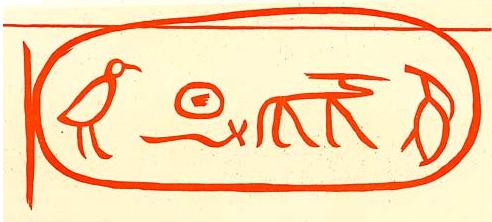
Khufu Cartouche and Work-Gang Graffiti, Lepsius Copy
Karl Richard Lepsius · c. 1850
A 19th-century scholarly copy of an ancient work-gang graffito bearing Khufu's royal cartouche, found on a pyramid block.
A 19th-century copy of an ancient inscription bearing Khufu's cartouche from his pyramid.
About this source
What it is
This is a drawing made by the Prussian Egyptologist Karl Richard Lepsius in the mid-1800s, copying a graffito left by a work gang on a block from the Great Pyramid. The drawing shows Khufu's cartouche, the oval symbol enclosing a king's name in hieroglyphs.
Why it matters
Lepsius was one of the pioneering scholars who recorded ancient Egyptian monuments before many were damaged or lost. His copies, including this one, preserve evidence that links the Great Pyramid directly to Khufu through the marks left by the people who actually built it.
Look closer
- Why would an ancient work crew mark a stone block with the king's name?
- What does a cartouche tell us about how Egyptians distinguished royal names from ordinary writing?
- Why is a 19th-century copy useful even though it is not the original stone?
This document is part of the curated material that grounds the AI version of Pharaoh Khufu (Cheops) on Humy.ai — when students ask about related events, the AI can quote it and cite it.
More Pharaoh Khufu (Cheops) sources
Meet the AI Pharaoh Khufu (Cheops) →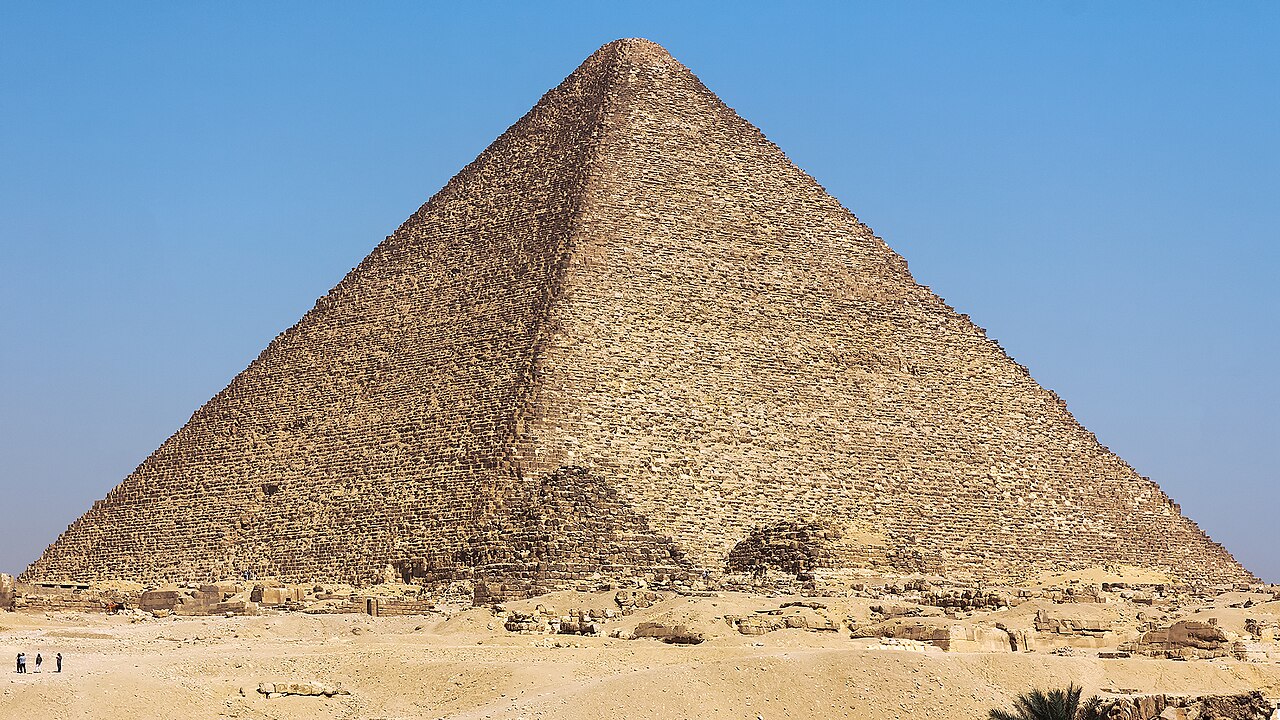 Artifact
Primary source
Great Pyramid of Giza
c. 2560 BCE
 Photograph
Secondary source
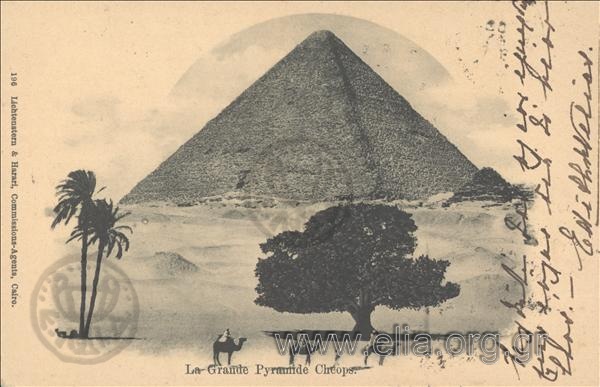
La Grande Pyramide Cheops
1903
 Sculpture
Primary source
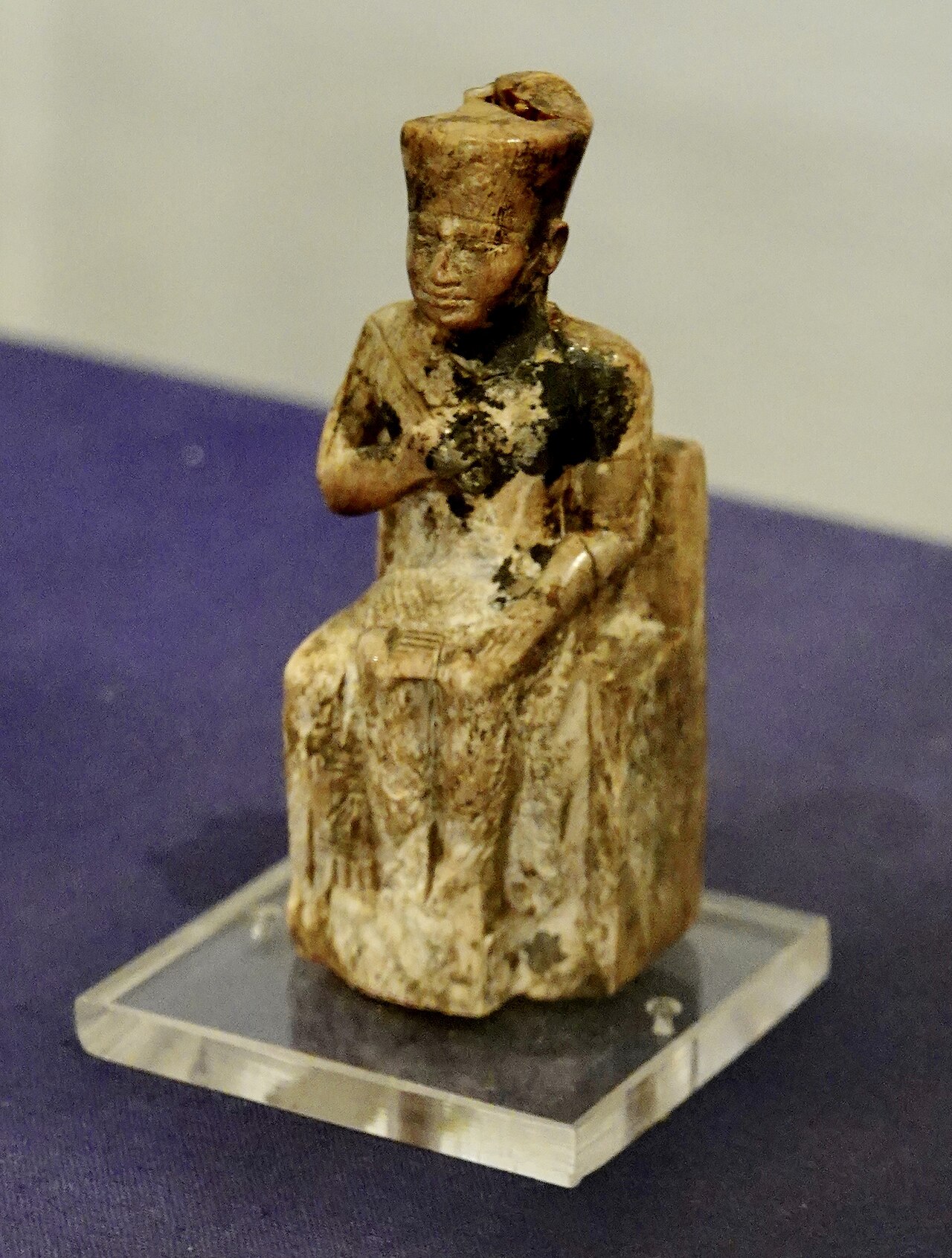
Khufu Statuette
c. 2600–2494 BCE (possibly later, 664–525 BCE)
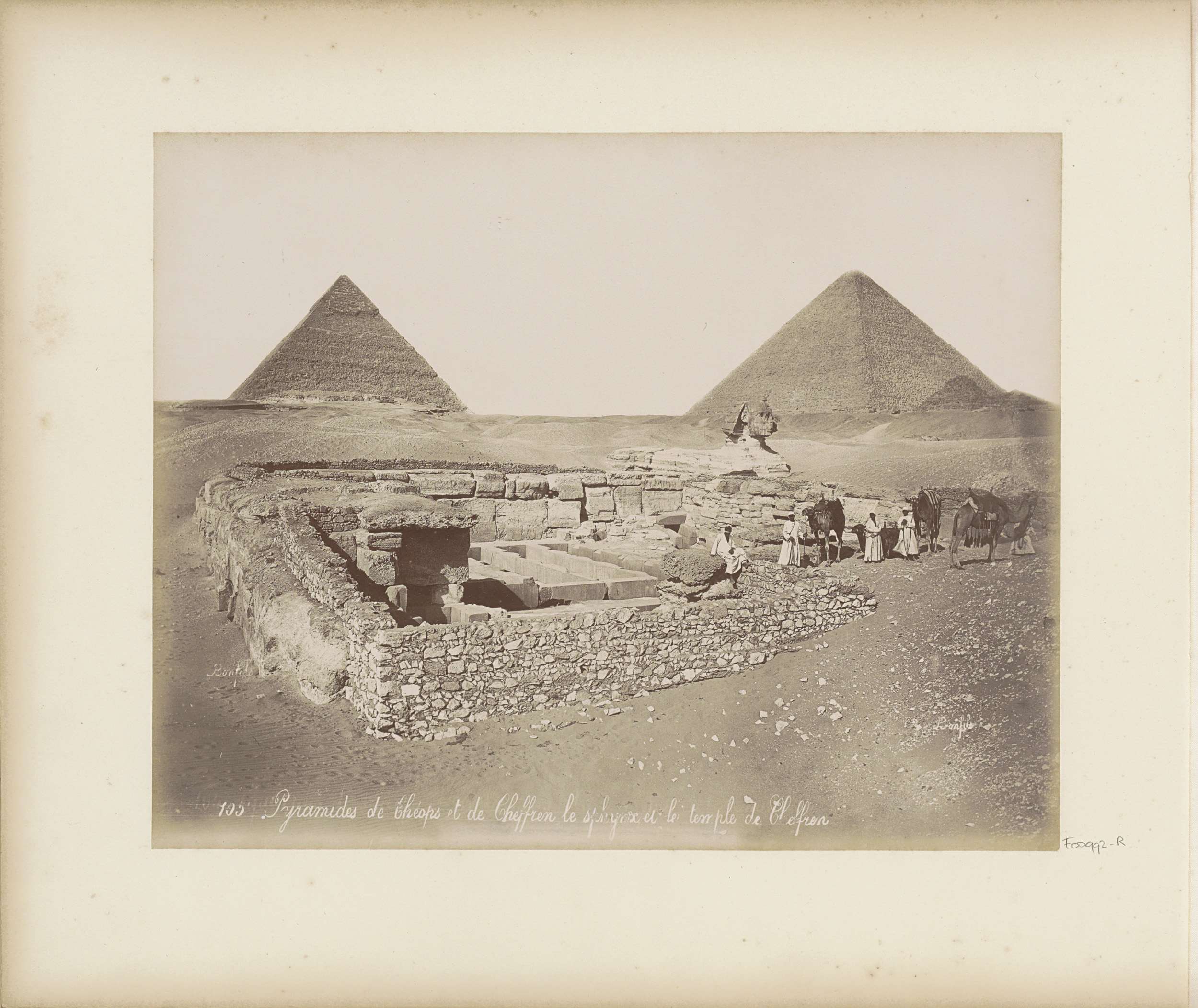 Photograph
Secondary source
Pyramids of Cheops and Chephren and the Sphinx at Giza
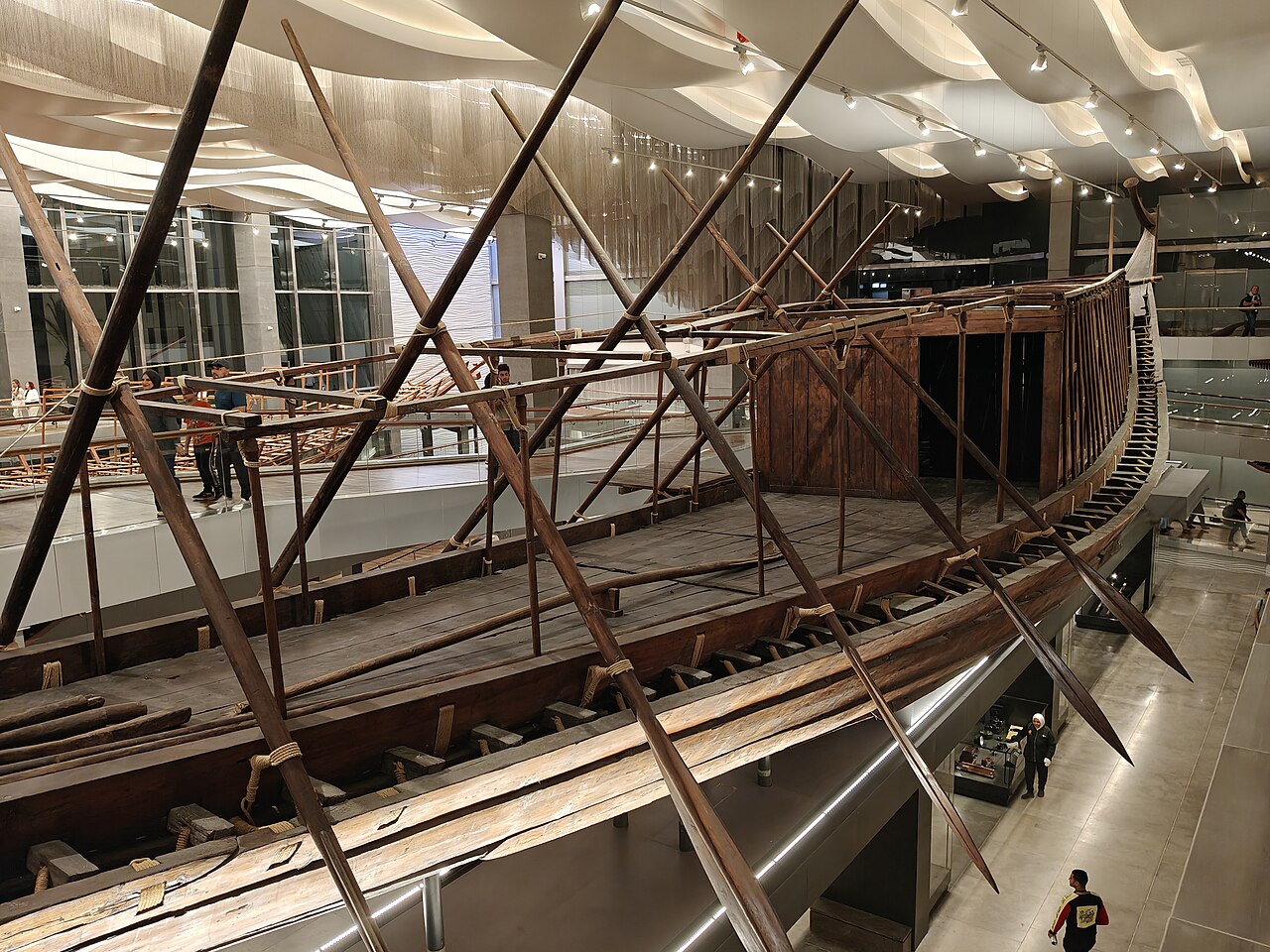 Artifact
Primary source
Khufu ship
Royal shipwrights of Khufu · c. 2566 BCE
Ready when you are
Start chatting with Pharaoh Khufu (Cheops) now.
20 messages free · No credit card · Available in 50+ languages.