


Primary sourceArtifact
KV54 Embalming Cache
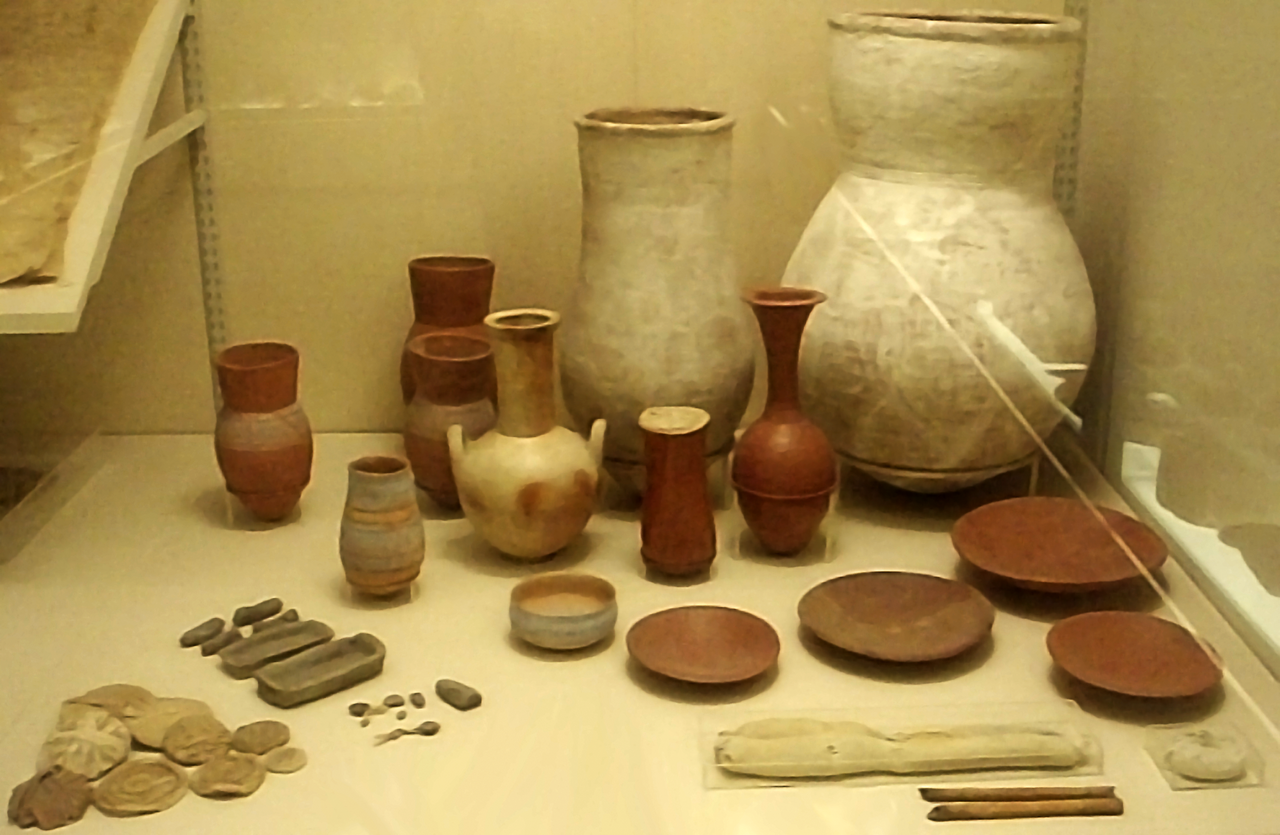
A small pit in the Valley of the Kings containing jars of materials left over from Tutankhamun's embalming and burial rites.
These embalming materials are leftovers from Tutankhamun's own mummification and burial rites.
About this source
What it is
KV54 is a small pit, not a true tomb, excavated by Edward Ayrton for Theodore Davis in the Valley of the Kings. It contained large sealed jars holding pottery, linen, natron, animal bones, and floral collars, including linen marked with text naming Tutankhamun. Some of these finds are now displayed at the Metropolitan Museum of Art.
Why it matters
Archaeologist Herbert Winlock identified the contents as an embalming cache, the leftover materials from Tutankhamun's mummification and funerary banquet, not his actual burial. This find, studied by Howard Carter and Winlock, helped point toward the existence of Tutankhamun's still-undiscovered tomb, eventually found by Carter in 1922.
Look closer
- What kinds of everyday objects were left over from a royal funeral?
- Why did early archaeologists mistake this pit for the king's tomb?
- What does this discovery reveal about the process of detective work in archaeology?
This artifact is part of the curated material that grounds the AI version of Tutankhamun on Humy.ai — when students ask about related events, the AI can quote it and cite it.
More Tutankhamun sources
Meet the AI Tutankhamun →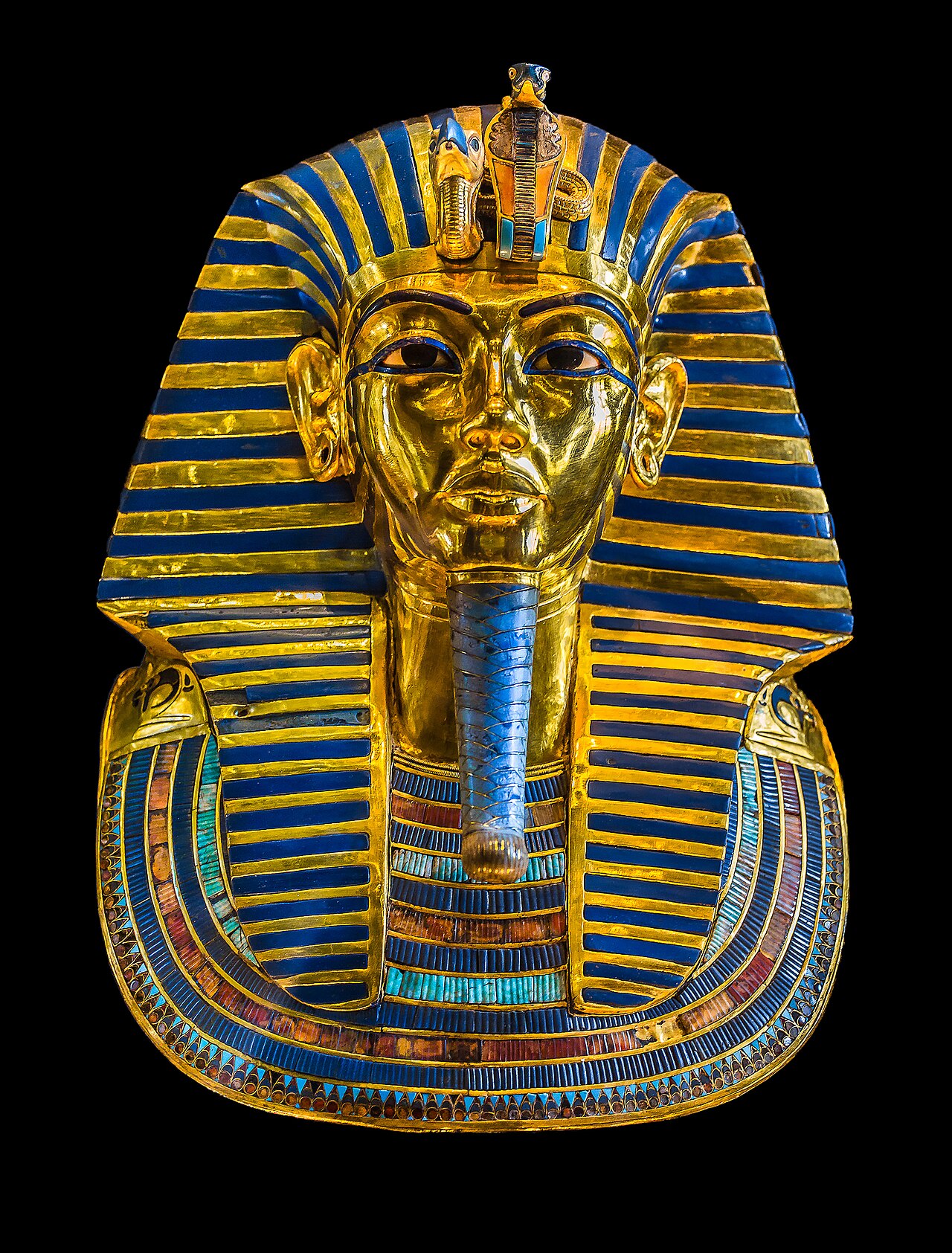 Artifact
Primary source
Mask of Tutankhamun
c. 1333 BCE
 Photograph
Primary source
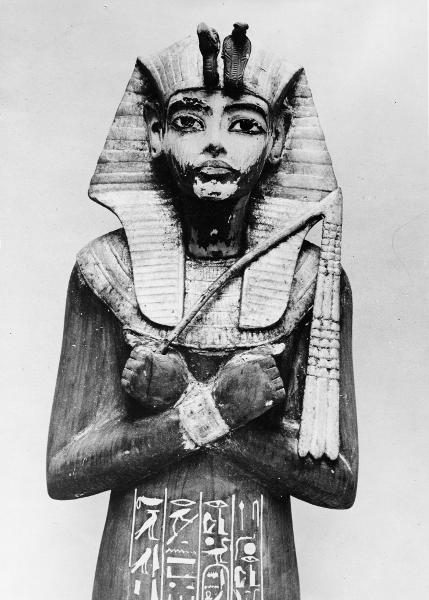
Photograph of Tutankhamun's Shawabti Figure
Harry Burton · 1920s
 Artifact
Primary source
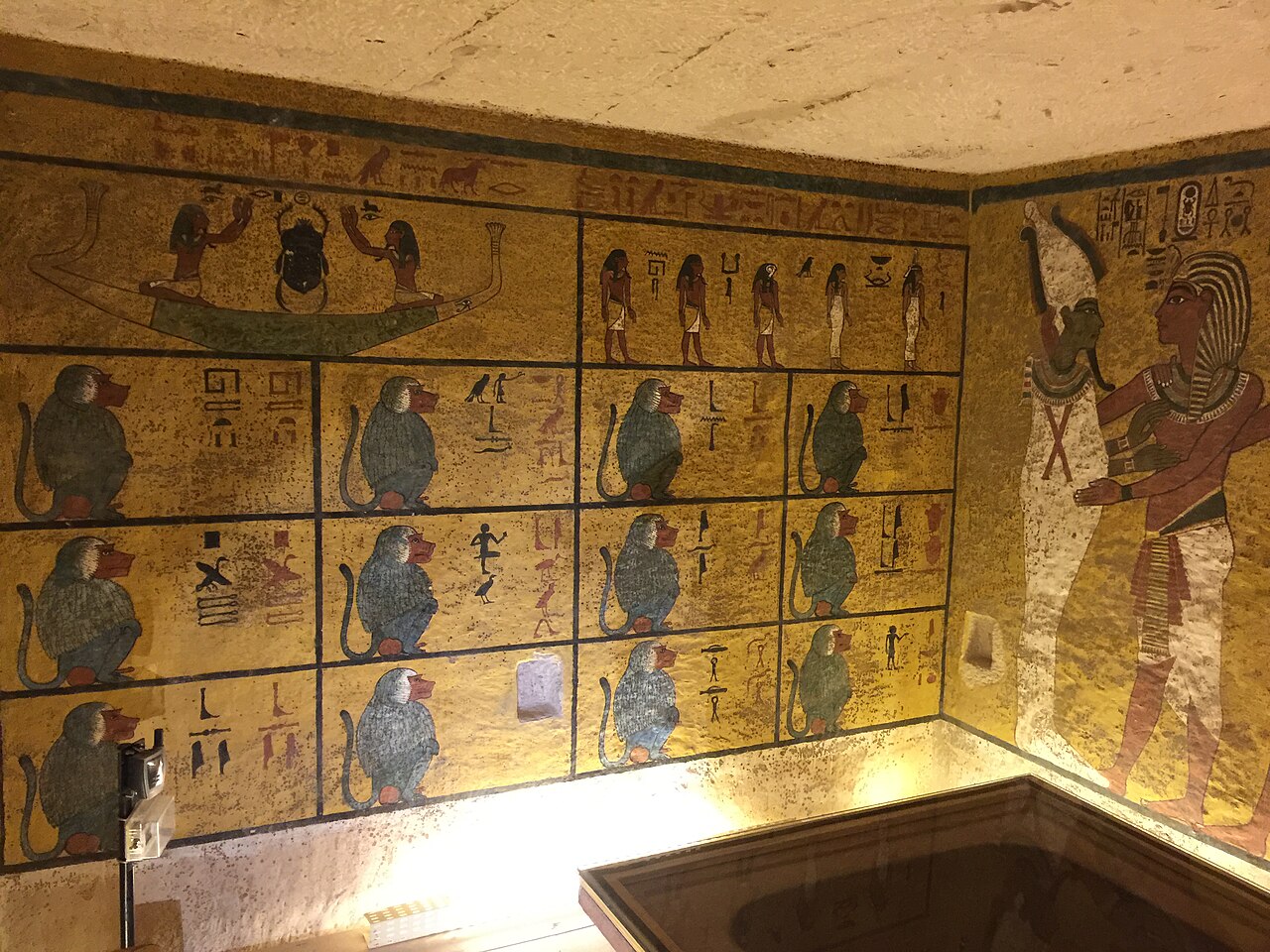
Tomb of Tutankhamun
14th century BCE
 Photograph
Primary source
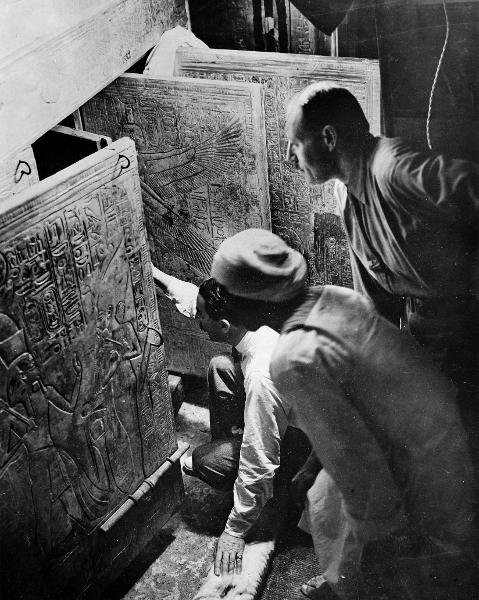
Opening the Doors of the Fourth Shrine in Tutankhamun's Tomb
Harry Burton · 1920s
 Document
Primary source
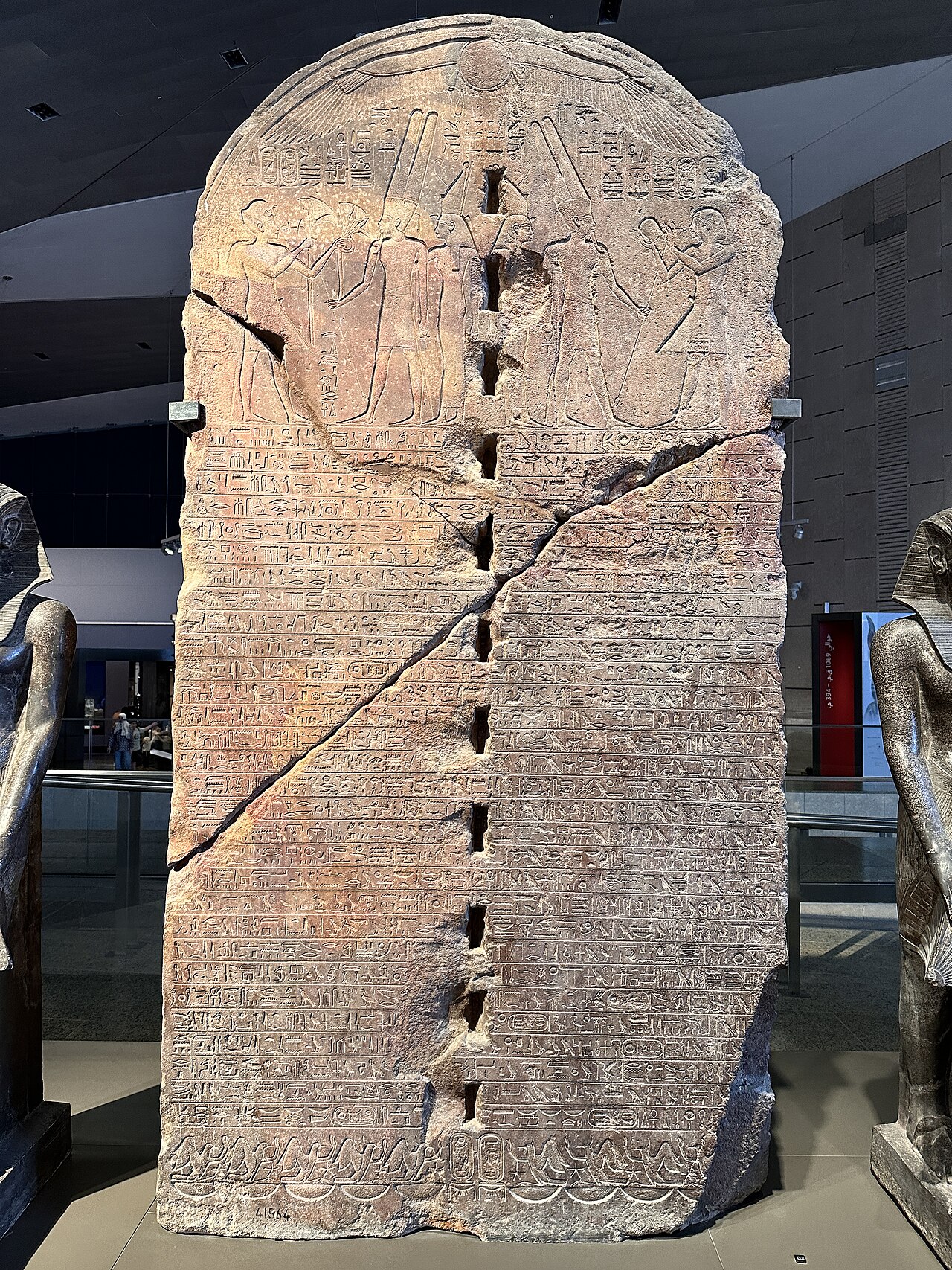
Restoration Stela
Tutankhamun · c. 1326 BCE
Ready when you are
Start chatting with Tutankhamun now.
20 messages free · No credit card · Available in 50+ languages.