


Secondary sourceBook
Laws
Plato
Plato's last dialogue, in which a character discusses Cyrus the Great as a general who granted liberty but failed to educate his sons.
Plato's final, unfinished work, revising his ideal state into a practical legal code for a real city.
About this source
What it is
Laws is Plato's final and longest dialogue, written as a conversation between an Athenian Stranger and two other men discussing how to found a city's laws. Unlike most of Plato's dialogues, Socrates does not appear in it.
Why it matters
Within the dialogue, the Athenian Stranger praises Cyrus as a general who granted his people liberty, but criticizes him for neglecting the proper education of his sons. This passage shows how Greek thinkers, writing generations after Cyrus's death, debated whether he was a model ruler and what lessons his life offered about kingship and child-rearing.
Look closer
- Why might a Greek philosopher use a Persian king as an example when discussing Greek city laws?
- What does Plato's criticism suggest he valued in leadership?
- How reliable is a philosopher's judgment of a king who lived over a century earlier?
This book is part of the curated material that grounds the AI version of Plato and Cyrus the Great on Humy.ai — when students ask about related events, the AI can quote it and cite it.
More Plato sources
Meet the AI Plato →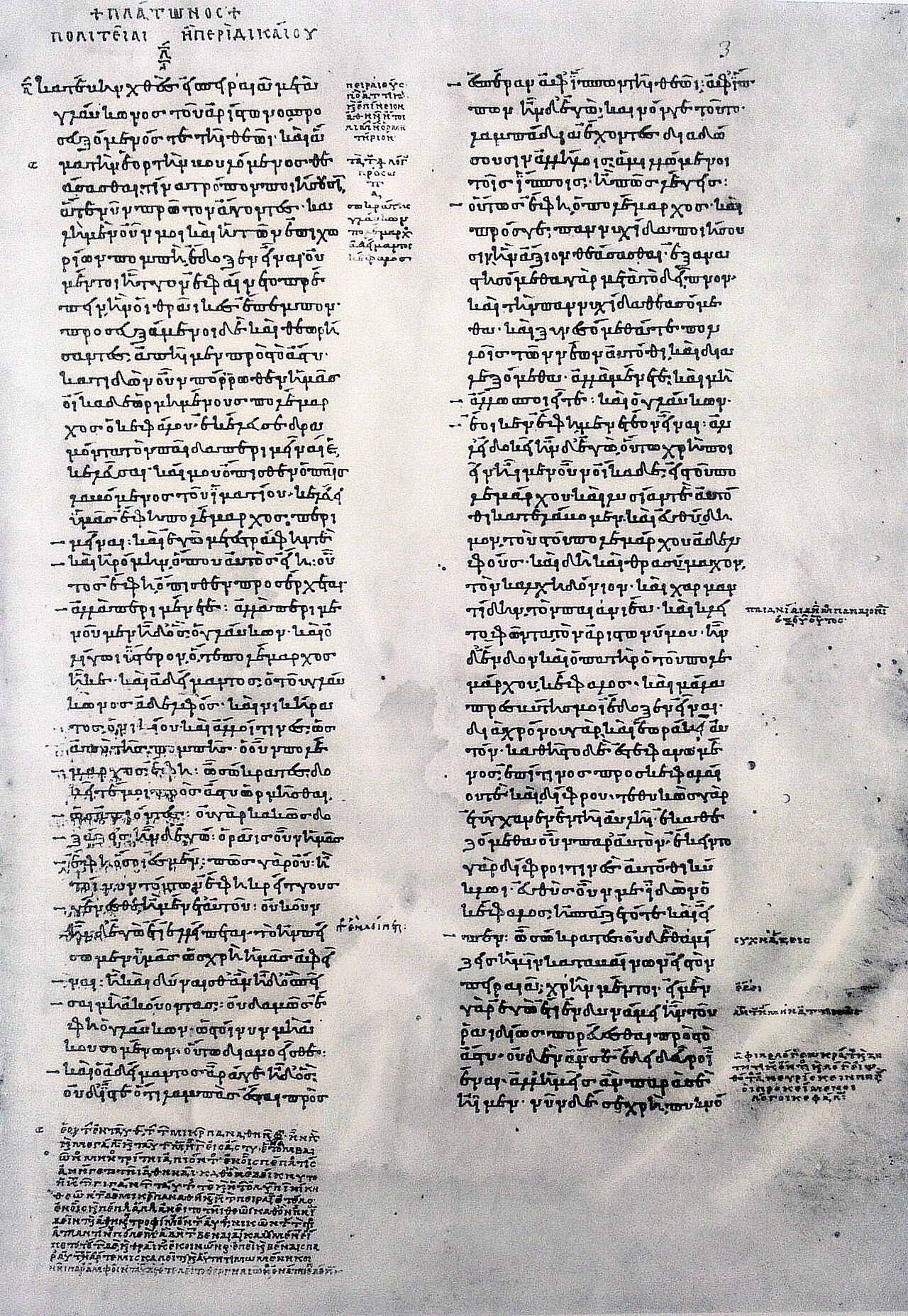 Book
Secondary source
The Republic
Plato · c. 375 BC
 Book
Primary source
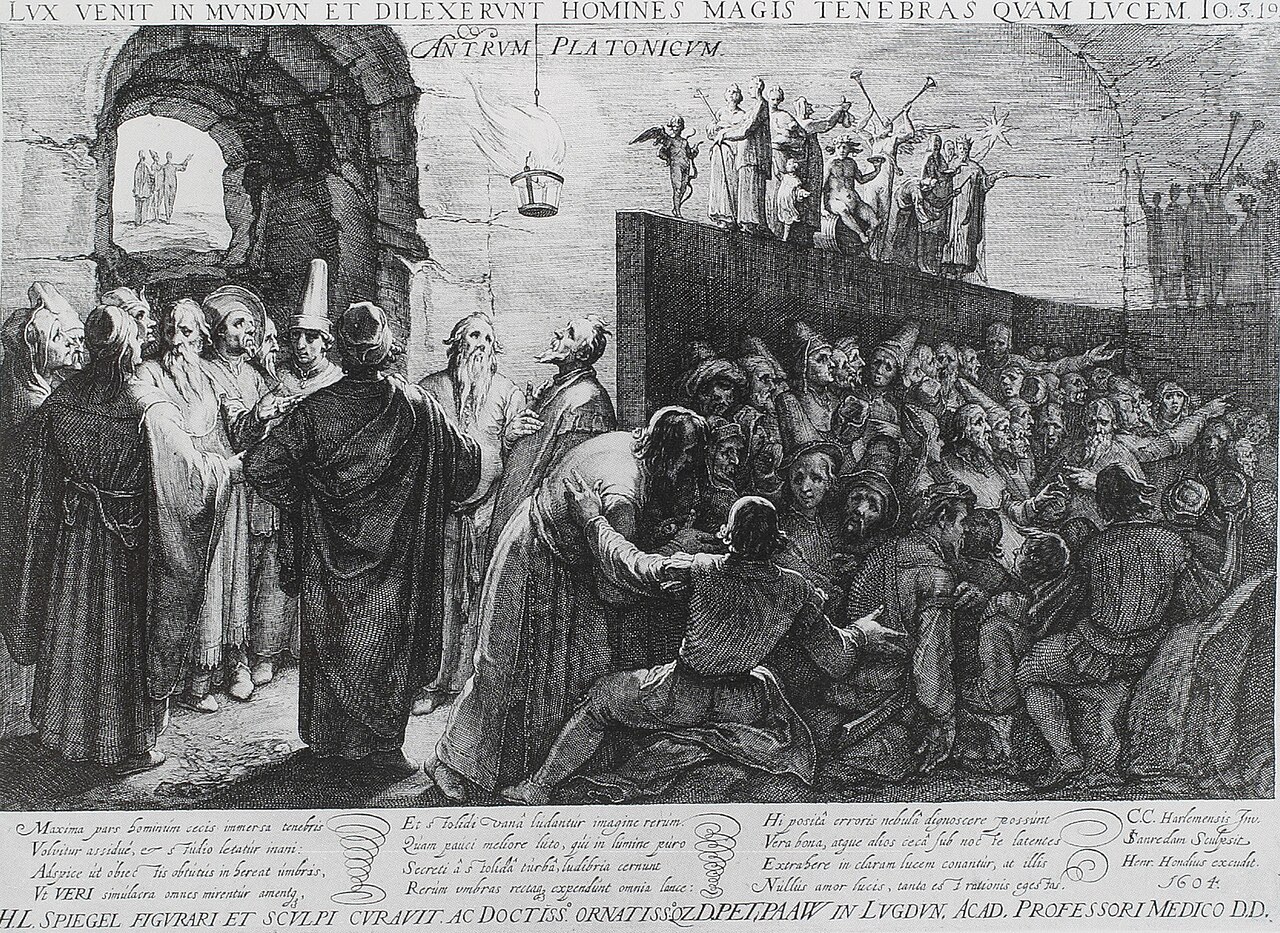
Allegory of the Cave
Plato · c. 400 BC
Secondary source
Apology
Plato · c. 395 BC
 Sculpture
Secondary source
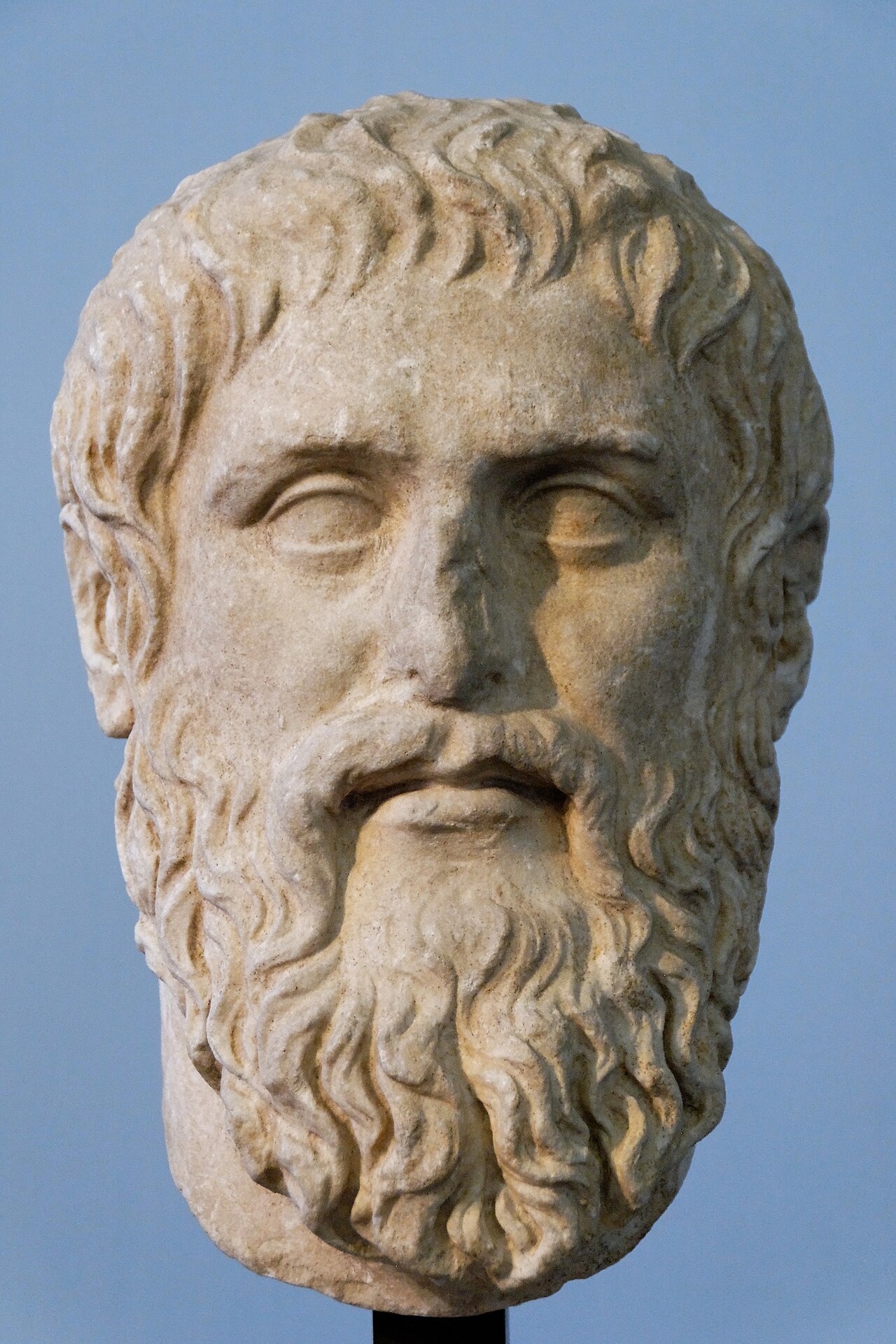
Portrait of Plato
Silanion (original type) · ca. 370 BC (original type); this copy Roman era
 Book
Secondary source
Phaedo
Plato · c. 360 BC
Ready when you are
Start chatting with Plato now.
20 messages free · No credit card · Available in 50+ languages.