


Secondary sourcePainting
Lepsius Plate: Tomb of Huy, Thebes
Scan by NYPL
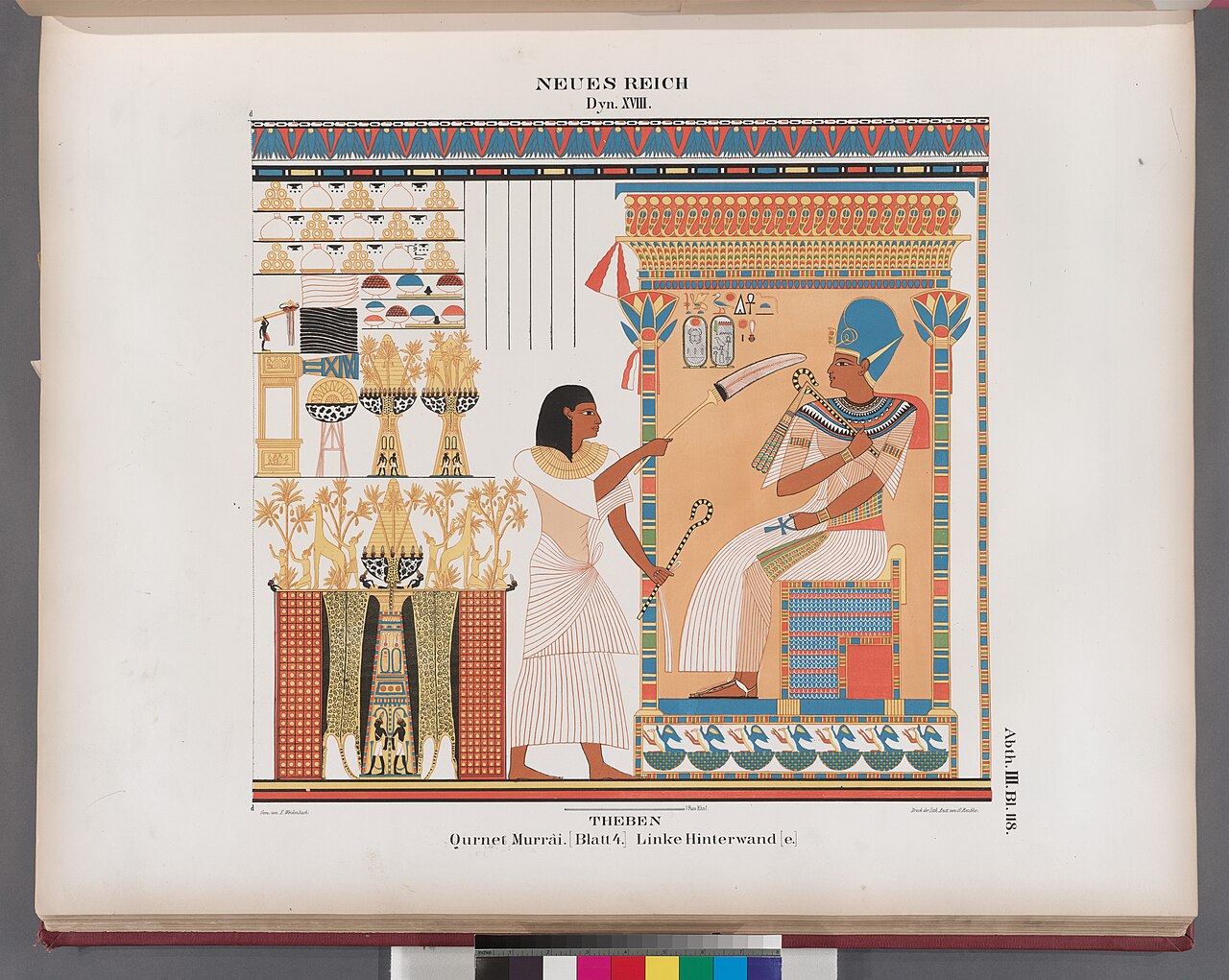
A 19th-century lithograph copying a wall scene from the tomb of Huy, Tutankhamun's Viceroy of Kush, showing Nubian tribute before the king.
This plate copies a scene from the tomb of Tutankhamun's official Huy, showing the king receiving tribute.
About this source
What it is
This is a scanned color lithograph plate from a 19th-century series documenting Egyptian monuments, copying a wall scene from the tomb of Huy at Qurnet Murrâi in Thebes. It shows a seated pharaoh wearing a blue crown with an attendant and offerings nearby.
Why it matters
Huy served as Tutankhamun's Viceroy of Kush, overseeing Egypt's Nubian territories, and his tomb decoration depicted Nubian tribute being brought before the enthroned king. This print, made long after the original painting, is a copy used by historians to study scenes that may since have faded or been damaged, showing Tutankhamun's relationship to officials who governed on his behalf.
Look closer
- Why might an official like Huy choose to show the king receiving tribute in his own tomb decoration?
- What can this copy, made centuries after the original, tell us, and what might it miss compared to the real tomb painting?
- What does this scene suggest about Egypt's relationship with Nubia during Tutankhamun's reign?
This painting is part of the curated material that grounds the AI version of Tutankhamun on Humy.ai — when students ask about related events, the AI can quote it and cite it.
More Tutankhamun sources
Meet the AI Tutankhamun →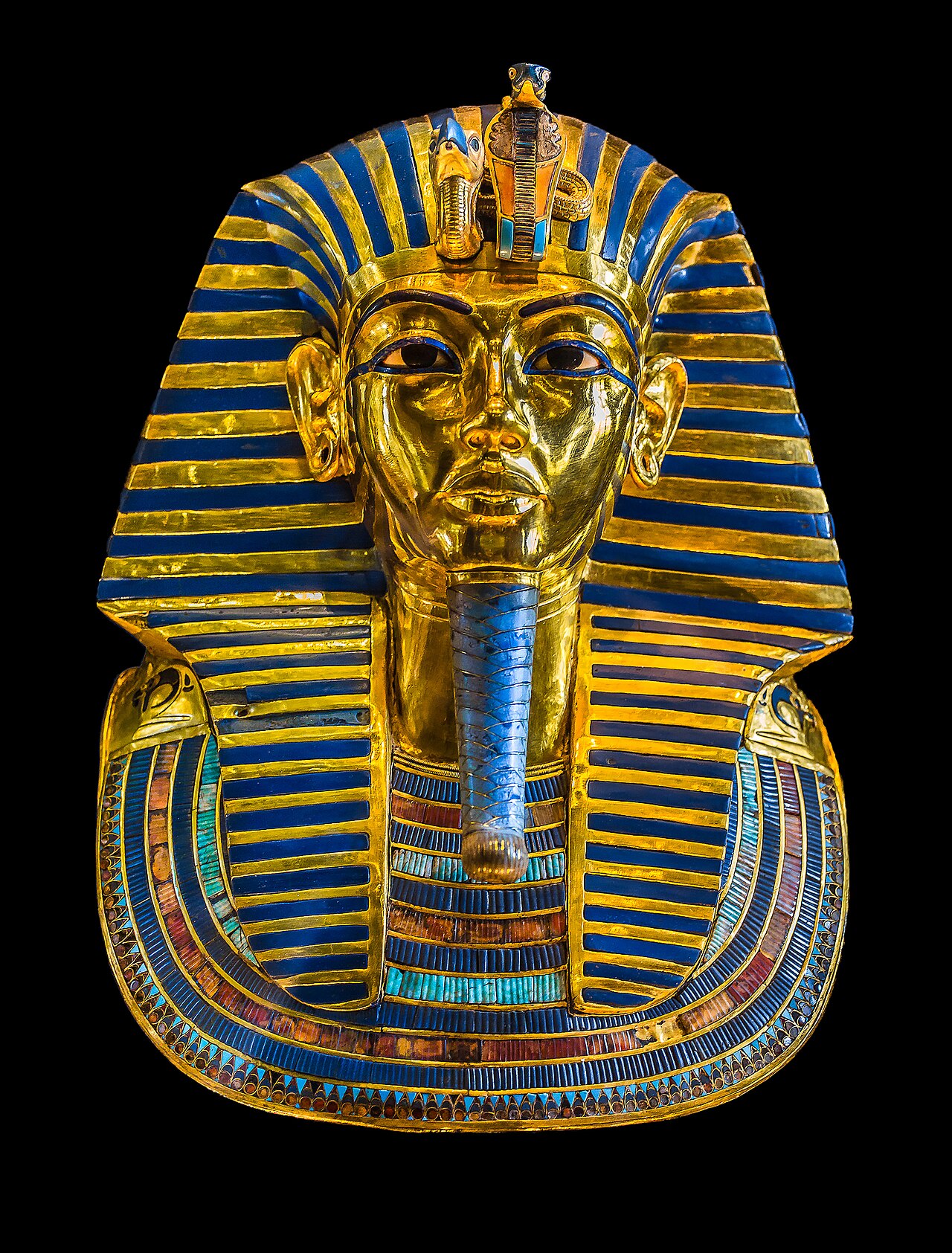 Artifact
Primary source
Mask of Tutankhamun
c. 1333 BCE
 Photograph
Primary source
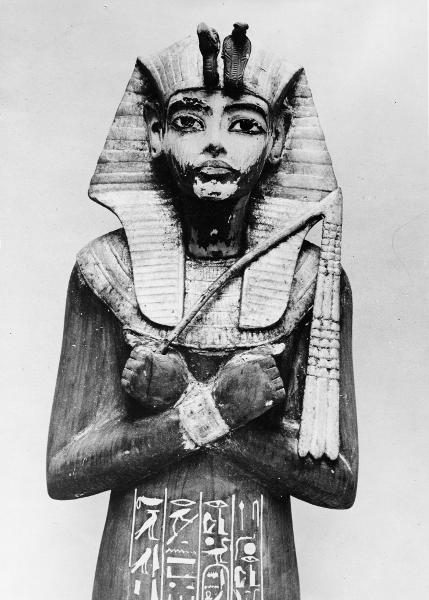
Photograph of Tutankhamun's Shawabti Figure
Harry Burton · 1920s
 Artifact
Primary source
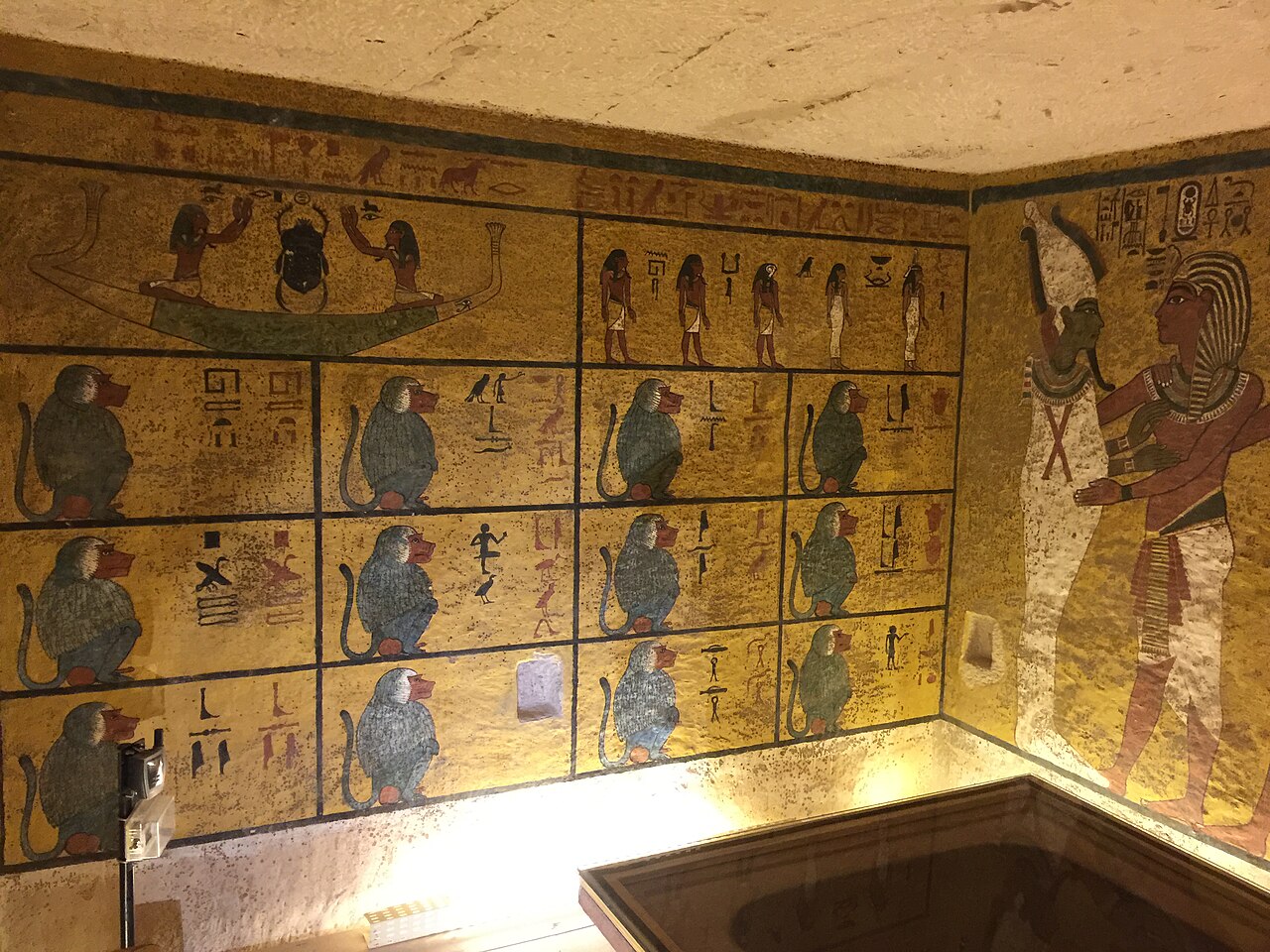
Tomb of Tutankhamun
14th century BCE
 Photograph
Primary source
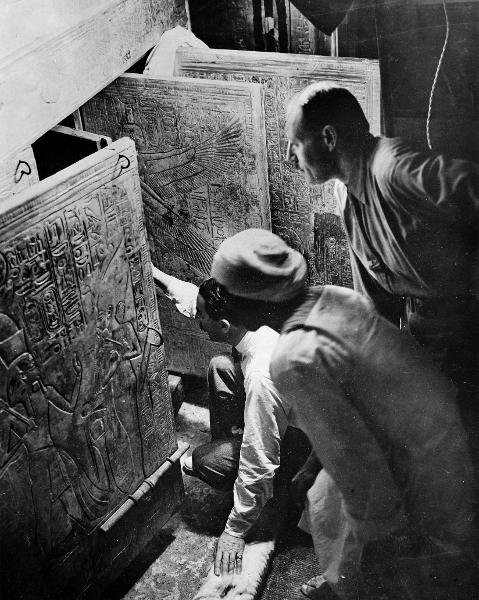
Opening the Doors of the Fourth Shrine in Tutankhamun's Tomb
Harry Burton · 1920s
 Document
Primary source
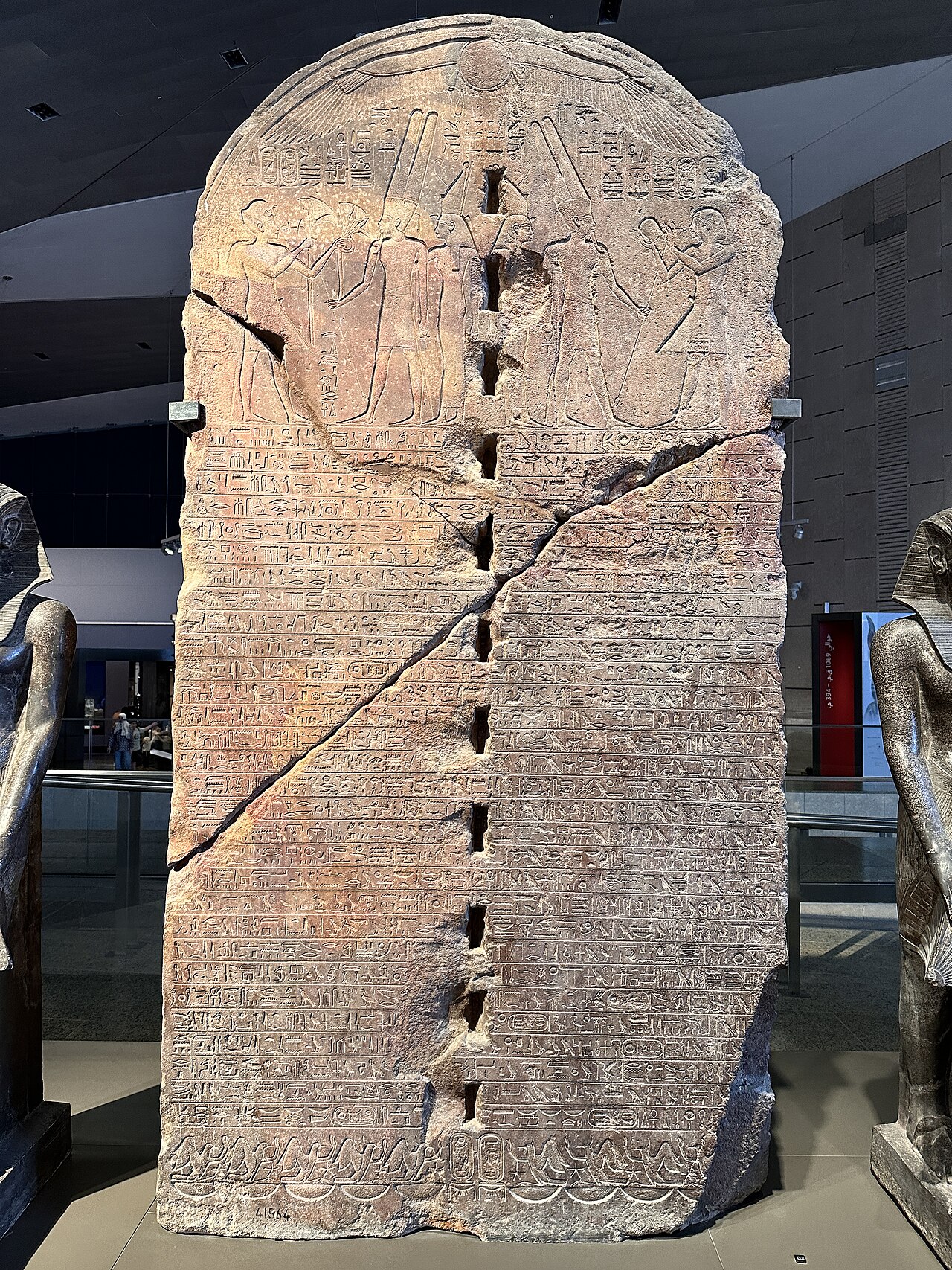
Restoration Stela
Tutankhamun · c. 1326 BCE
Ready when you are
Start chatting with Tutankhamun now.
20 messages free · No credit card · Available in 50+ languages.