


Primary sourceBook
Lesser Hippias
Plato
The opening of Plato's dialogue Lesser Hippias, in which Socrates and the sophist Hippias discuss Homer's heroes Achilles and Odysseus. It is a written work by Plato himself.
Written by Plato, this dialogue shows his method of having Socrates question a famous speaker about virtue and Homer.
About this source
What it is
This is the opening of Plato's dialogue Lesser Hippias, a written work by Plato, listed among his undisputed works on Wikisource. Its speakers are Socrates, the sophist Hippias and Eudicus. In the opening, Eudicus asks Socrates why he is silent after Hippias's display, and Socrates asks Hippias which of the two heroes, Achilles or Odysseus, he considers the better man. The curator's note describes the dialogue as concerned with deliberate lying and the nature of virtue. The text shown is an English translation of the dialogue.
Why it matters
Plato wrote dialogues in which Socrates questions famous speakers, and this shorter text is an example of that method. Its discussion of Homer links Socrates to the poet and to Hippias, who is shown as a performer with many kinds of knowledge. Eudicus also refers to his father Apemantus, so the text places Socrates among Athenian men who debated poetry and character.
Look closer
- Why does Eudicus ask Socrates to speak, and what does that tell you about how the conversation is staged?
- Socrates wants to know what Hippias thinks of the two heroes. Which qualities of Achilles and Odysseus does this opening present as worth comparing?
- What does this opening leave out, and where would a reader look to find Hippias's actual answer?
This book is part of the curated material that grounds the AI version of Plato on Humy.ai — when students ask about related events, the AI can quote it and cite it.
More Plato sources
Meet the AI Plato →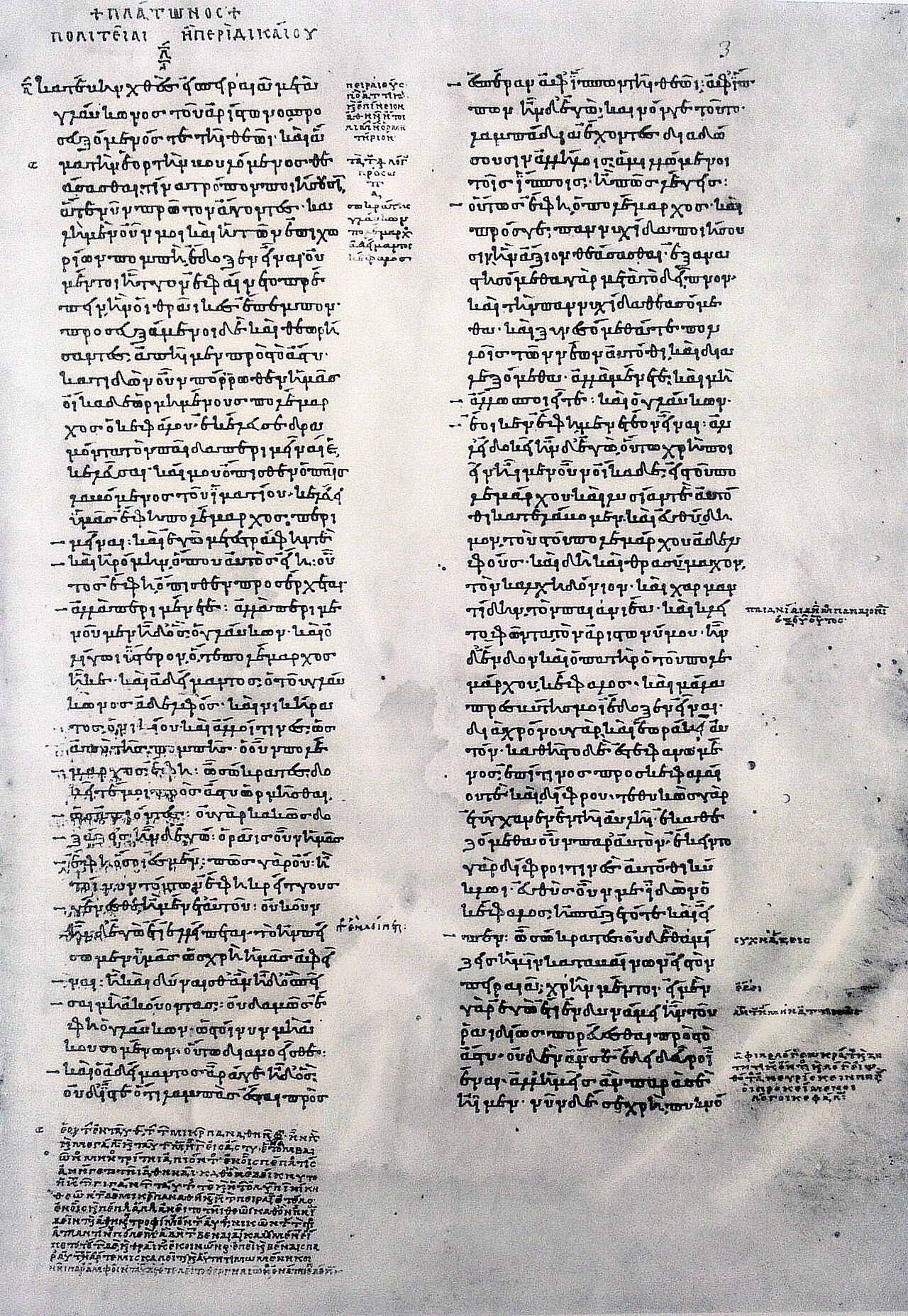 Book
Secondary source
The Republic
Plato · c. 375 BC
 Book
Primary source
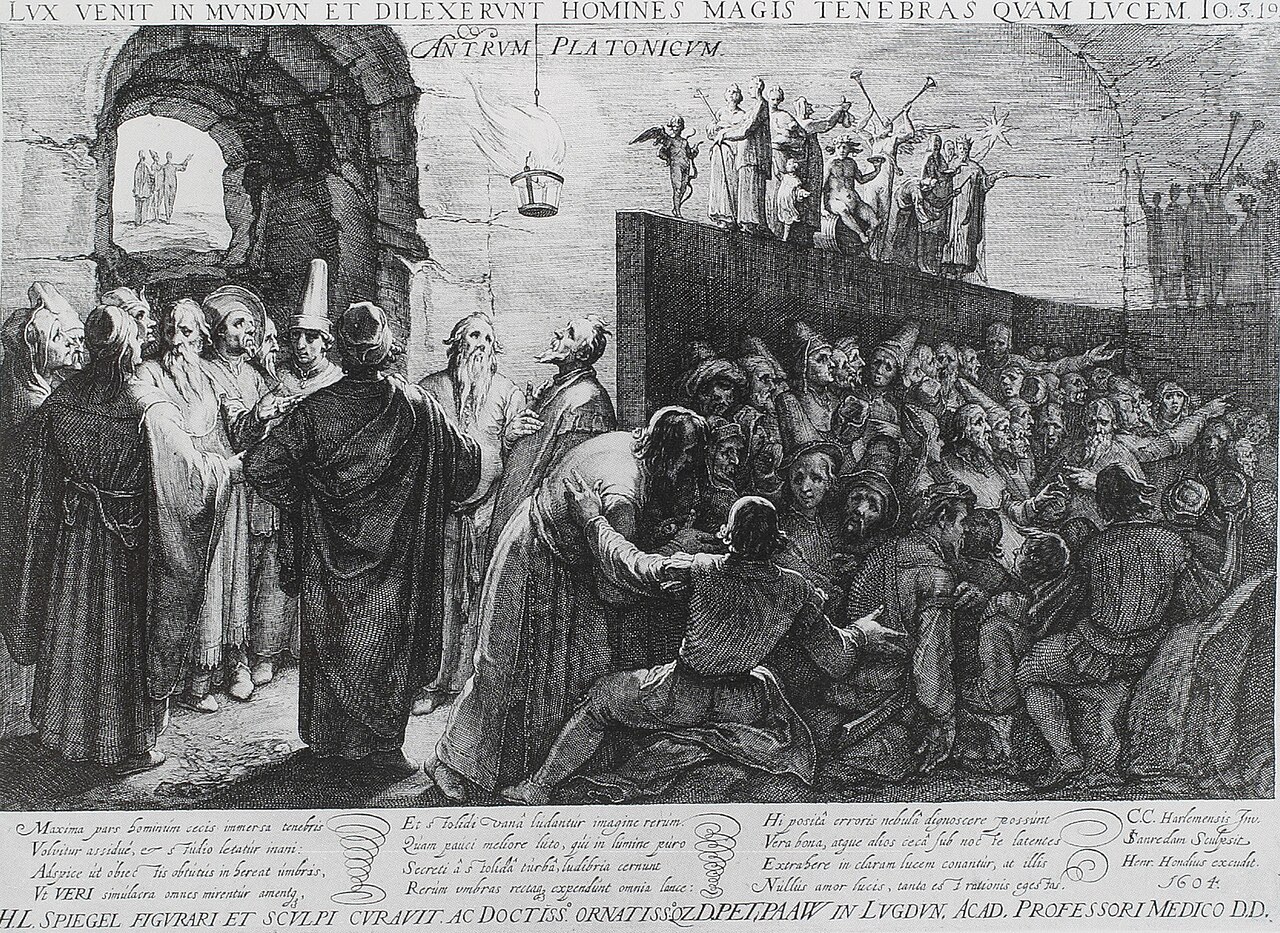
Allegory of the Cave
Plato · c. 400 BC
Secondary source
Apology
Plato · c. 395 BC
 Sculpture
Secondary source
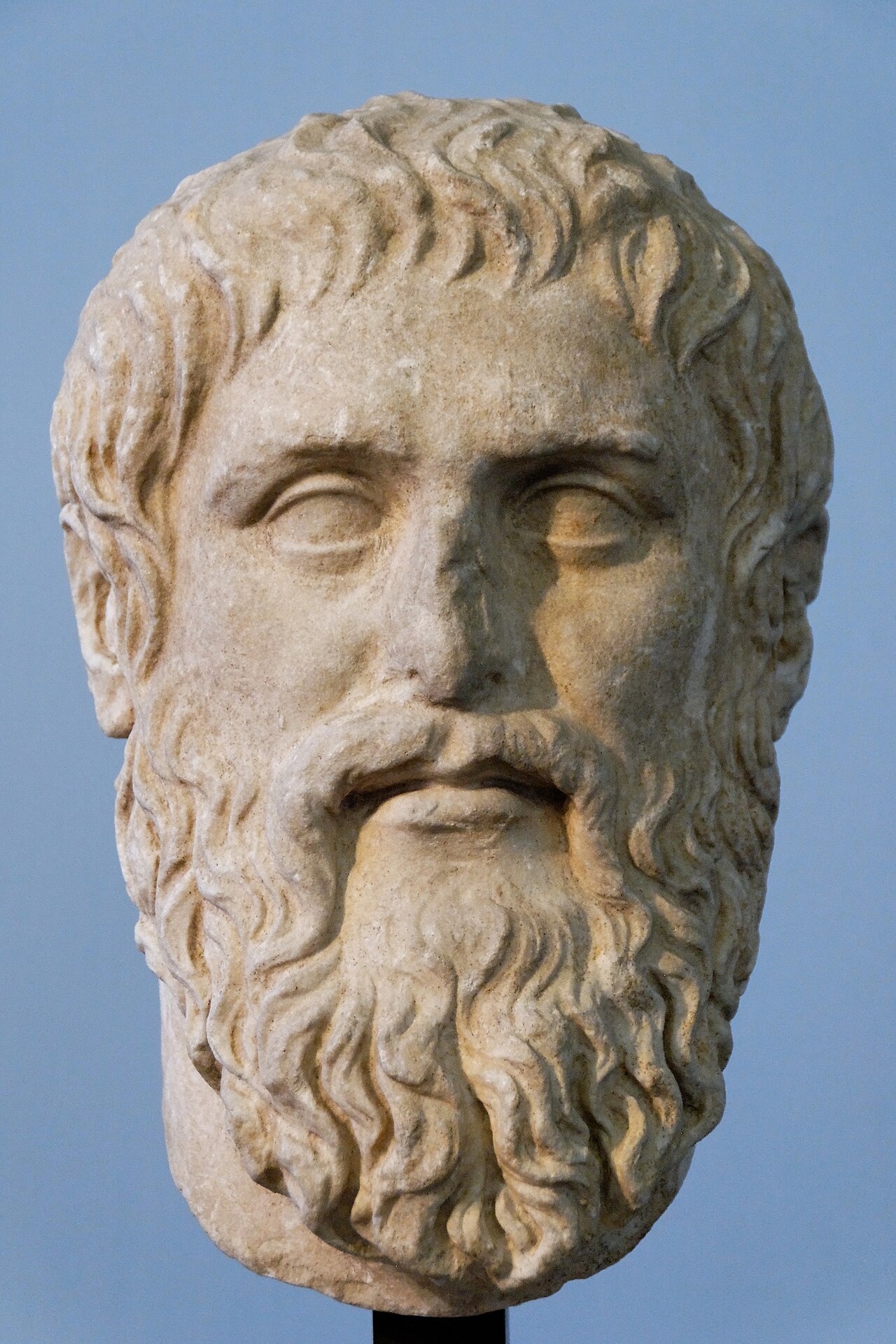
Portrait of Plato
Silanion (original type) · ca. 370 BC (original type); this copy Roman era
 Book
Secondary source
Phaedo
Plato · c. 360 BC
Ready when you are
Start chatting with Plato now.
20 messages free · No credit card · Available in 50+ languages.