


Primary sourceArtifact
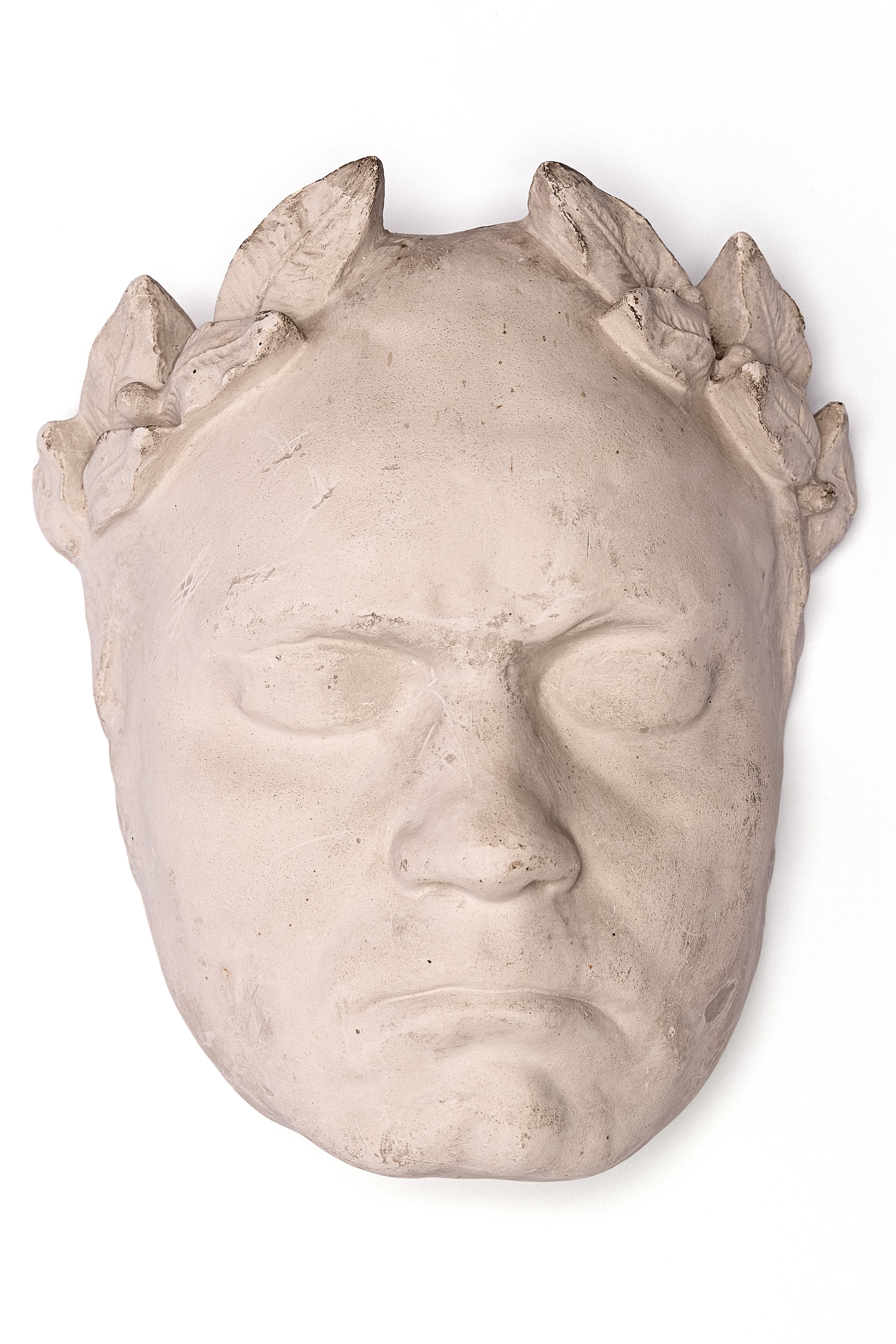
Life Mask of Ludwig van Beethoven
A plaster mask cast directly from Beethoven's face, a rare physical trace of his actual features.
A direct cast of Beethoven's own face, giving a physically accurate record of his features.
About this source
What it is
This is a plaster life mask taken from Beethoven's face while he was alive. It shows closed eyes, a stern closed mouth, and a carved laurel wreath across the forehead. It is held by the Museum for Sepulchral Culture in Germany.
Why it matters
Unlike paintings or later sculptures, a life mask is made by pressing material directly onto a real face, so it is one of the most accurate physical records of what Beethoven actually looked like. It gives historians and artists a true shape of his features, separate from idealised portraits made after his death.
Look closer
- Why might a direct mask of someone's face be more reliable evidence than a painted portrait?
- What does the added laurel wreath suggest about how Beethoven was honoured?
- What can't a life mask tell us about a person, compared with other kinds of sources?
This artifact is part of the curated material that grounds the AI version of Ludwig van Beethoven on Humy.ai — when students ask about related events, the AI can quote it and cite it.
More Ludwig van Beethoven sources
Meet the AI Ludwig van Beethoven →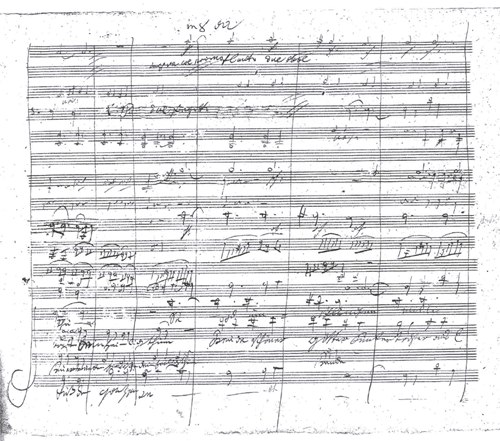 Document
Primary source
Symphony No. 9
Ludwig van Beethoven · 1824
 Sculpture
Secondary source
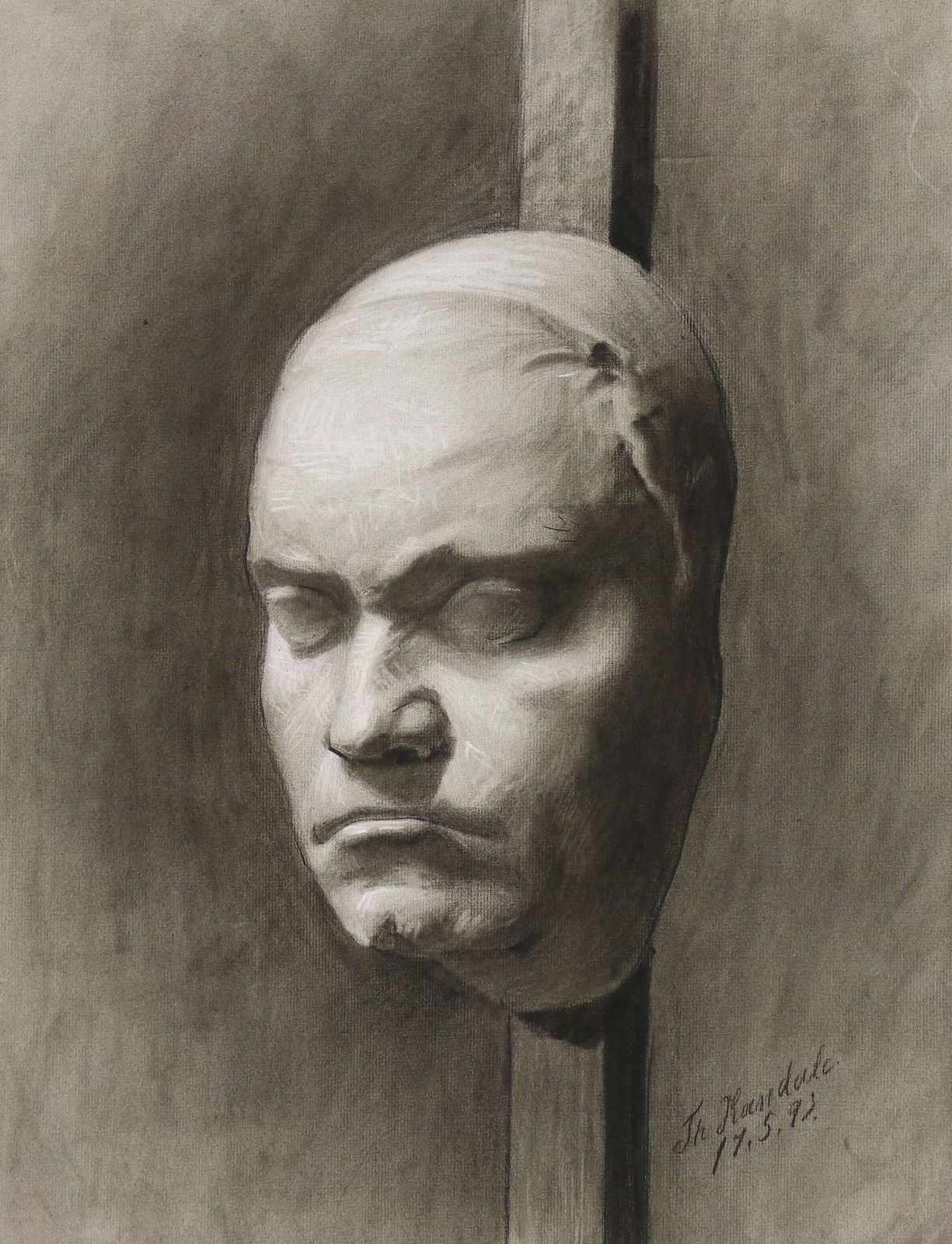
Death of Ludwig van Beethoven
Theodor Kandale (after Josef Danhauser) · 1827 (mask); drawing 1893
 Sculpture
Secondary source
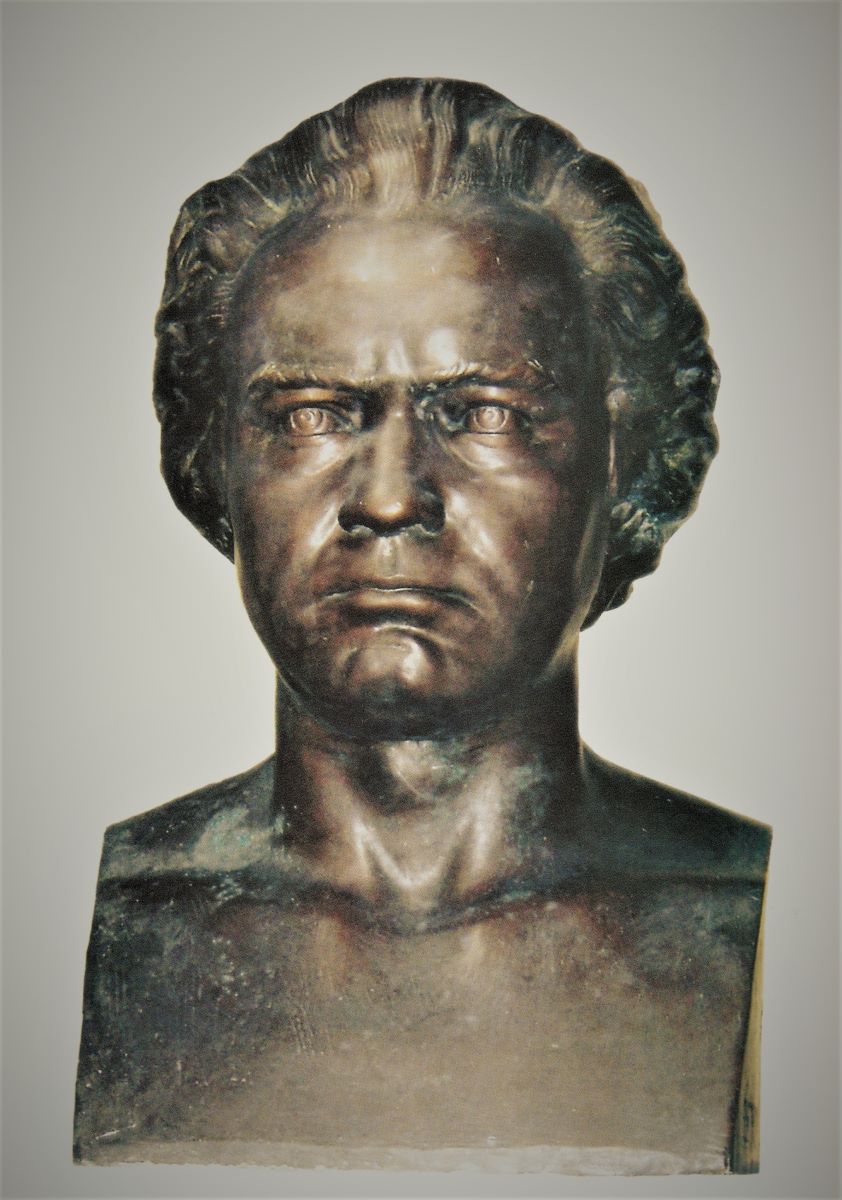
Bust of Ludwig van Beethoven by Frederic Storck
Frederic Storck · 1930
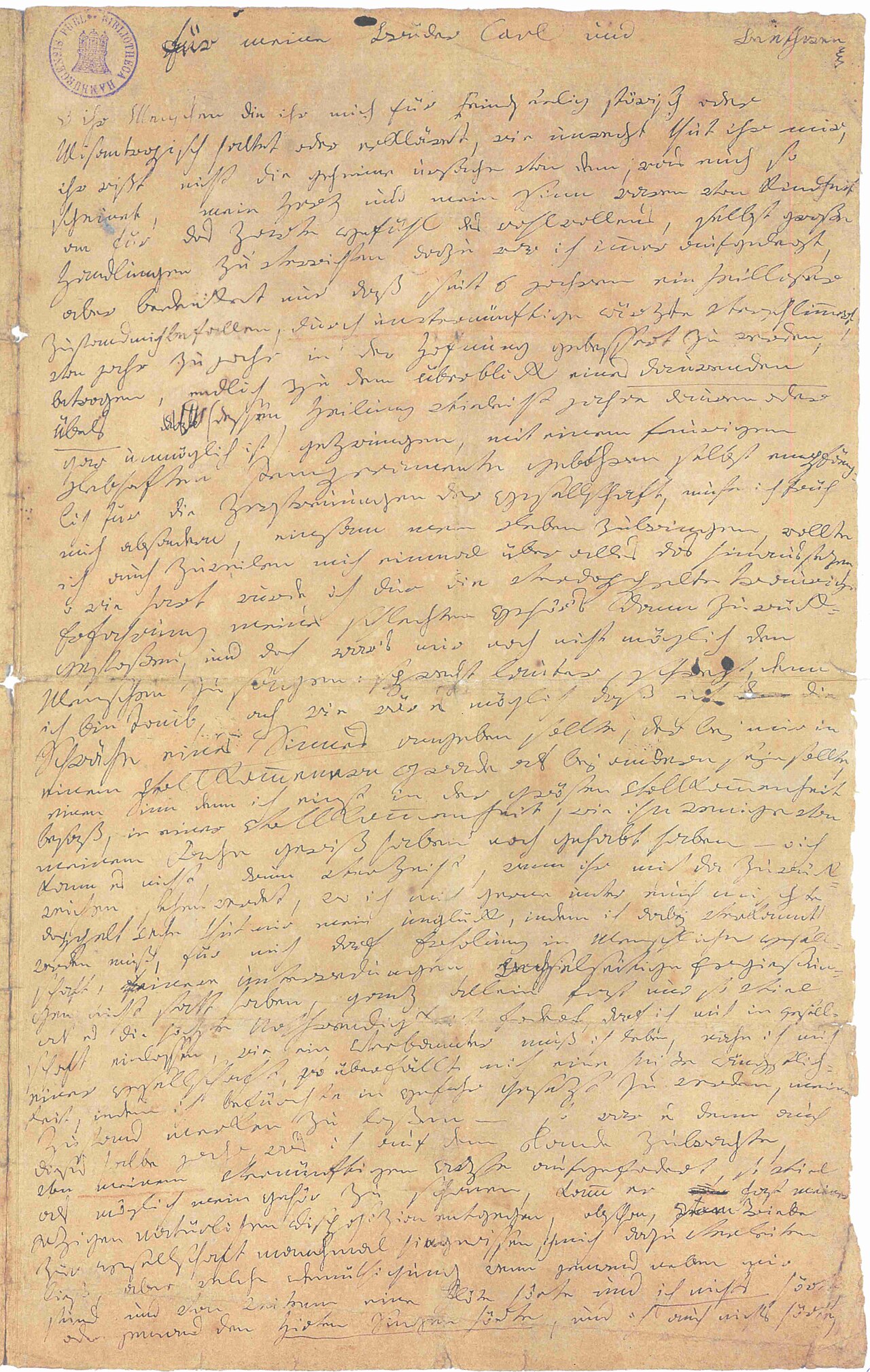 Letter
Primary source
Heiligenstadt Testament
Ludwig van Beethoven · 6 October 1802
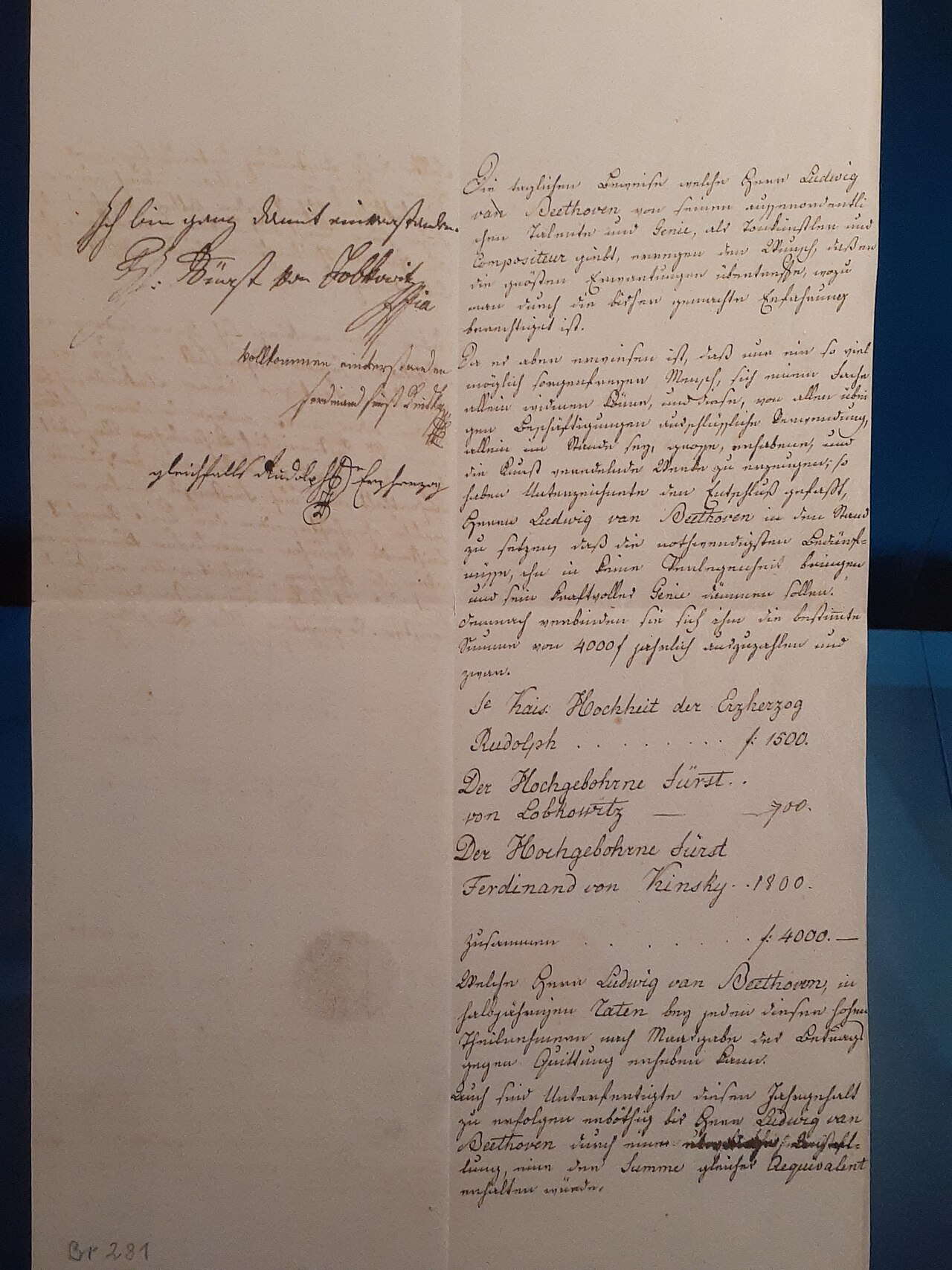 Document
Primary source
Agreement between Beethoven and Archduke Rudolph, Prince Kinsky and Prince Lobkowitz
1 March 1809
Ready when you are
Start chatting with Ludwig van Beethoven now.
20 messages free · No credit card · Available in 50+ languages.