


Secondary sourceSculpturec. 250 BCE
Lion Capital of Ashoka
Commissioned by Ashoka · c. 250 BCE
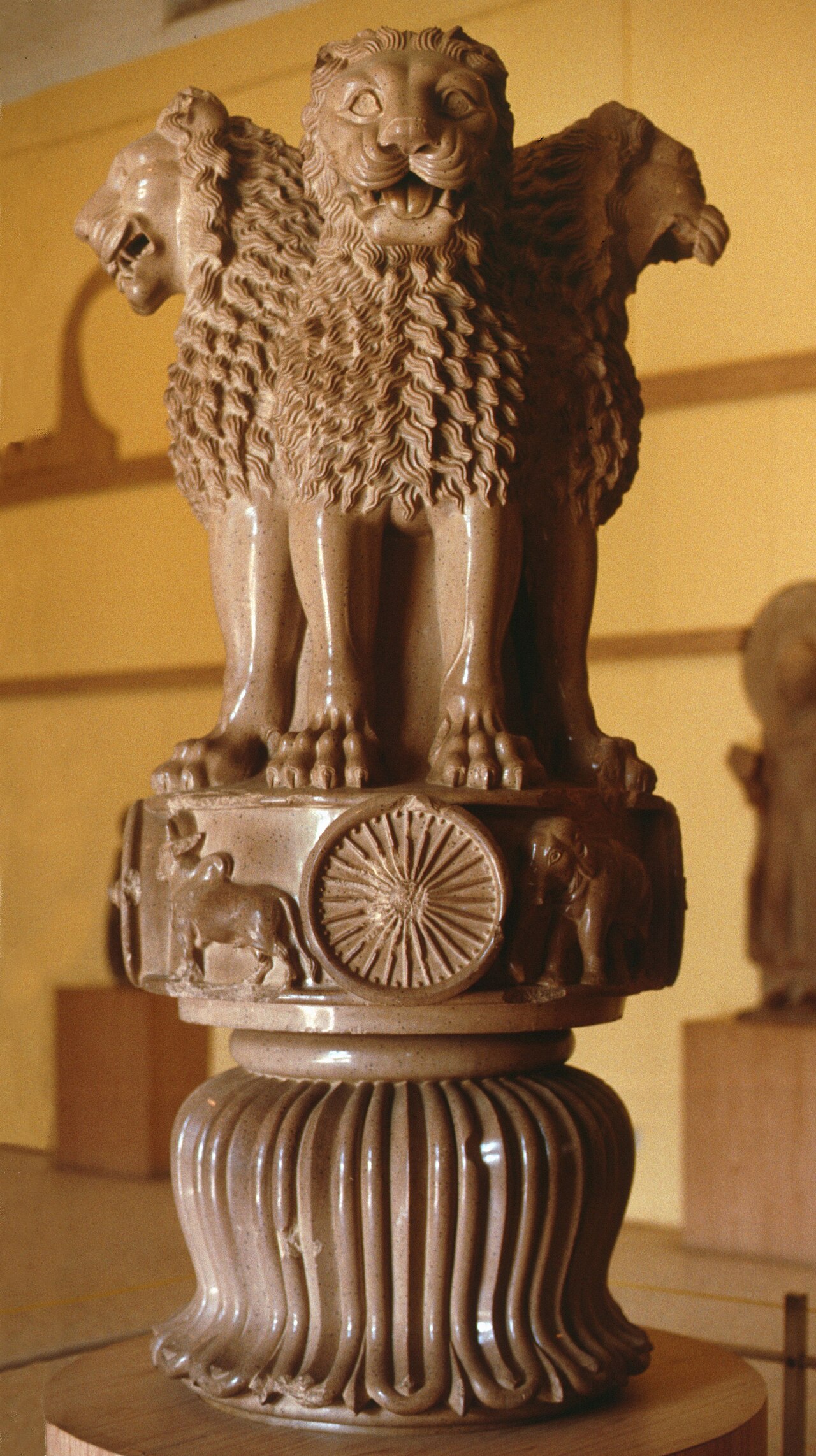
A sculpture crowning Ashoka's pillar at Sarnath, marking the site of the Buddha's first sermon, with a wheel symbolising his teaching.
A masterpiece of the dynasty Chandragupta founded, reflecting artistic contacts begun during his reign.
About this source
What it is
This sandstone capital, carved around 250 BCE, once crowned a pillar erected by the Mauryan emperor Ashoka at Sarnath, India. It shows four lions back to back on a drum decorated with wheels and animals, above a bell-shaped lotus base. It was excavated in 1904–1905 and is now displayed in the Sarnath Museum.
Why it matters
Ashoka placed this pillar at Sarnath to commemorate the place where the Buddha is said to have given his first sermon, roughly two centuries after the Buddha's life. The wheel carved on it, the dharmachakra, symbolises the Buddha's teaching. The capital later became the model for modern India's state emblem and national flag wheel.
Look closer
- Why would an emperor choose a wheel symbol to represent a teacher's ideas?
- What does the choice of lions, carved with such skill, suggest about Ashoka's resources and intentions?
- How does this object link a political ruler centuries later to a religious founder's memory?
This sculpture is part of the curated material that grounds the AI version of Chandragupta Maurya and Buddha on Humy.ai — when students ask about related events, the AI can quote it and cite it.
More Chandragupta Maurya sources
Meet the AI Chandragupta Maurya →Secondary source
Arthashastra
Chanakya (traditional attribution) · c. 1st–3rd century CE (traditionally attributed to Chanakya, c. 300 BCE)
 Document
Secondary source
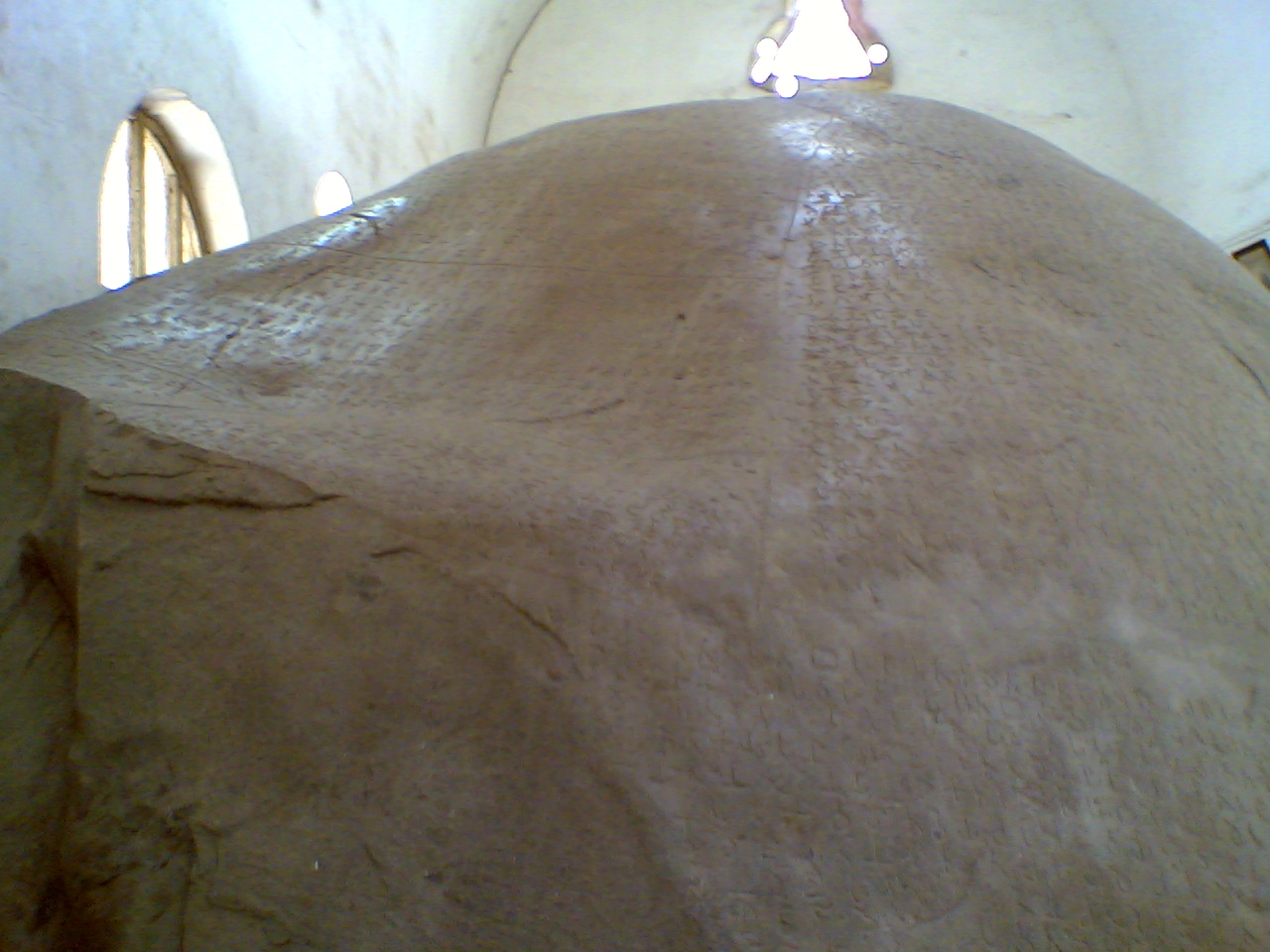
Junagadh Rock Inscription of Rudradaman
Rudradaman I (commissioner) · shortly after 150 CE
 Book
Secondary source
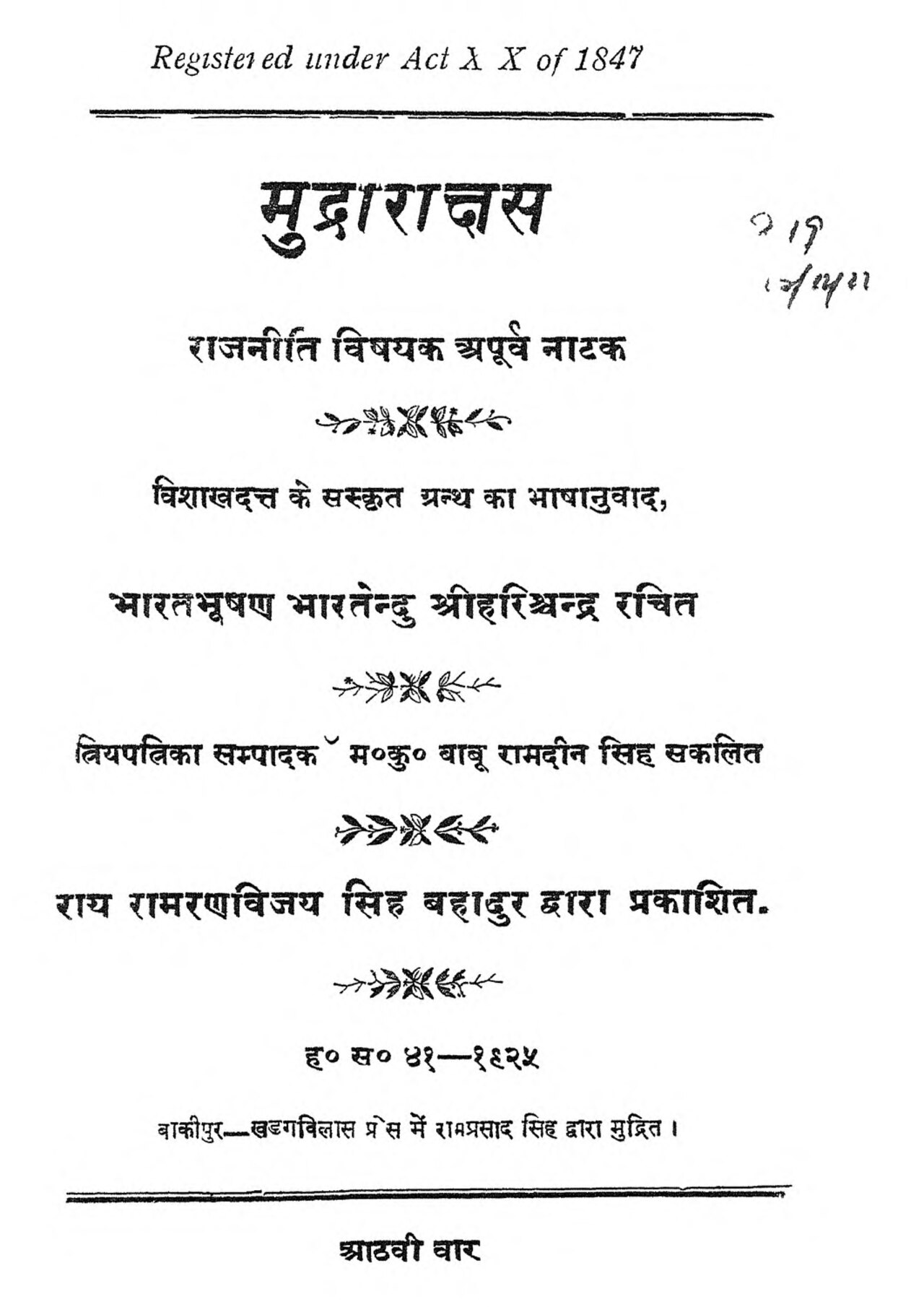
Mudrarakshasa
Vishakhadatta · between the 4th and 8th century CE
 Document
Primary source
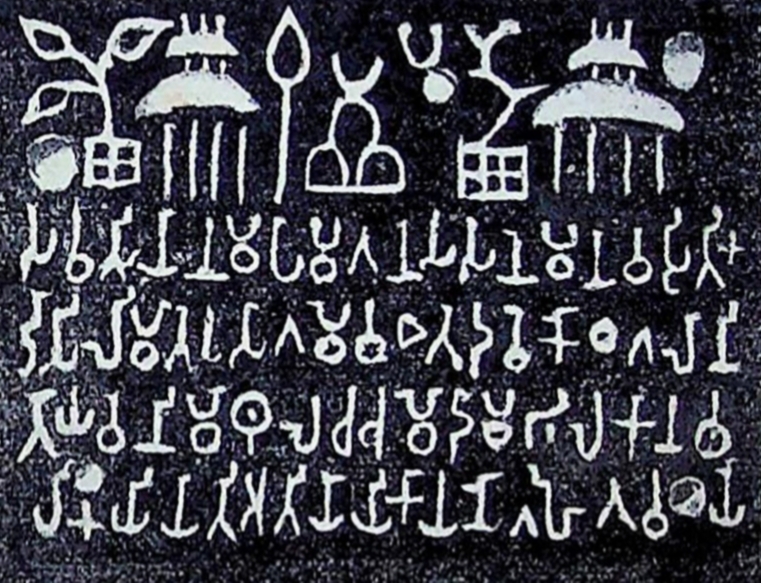
Sohgaura Copper Plate Inscription
3rd century BCE
 Document
Secondary source
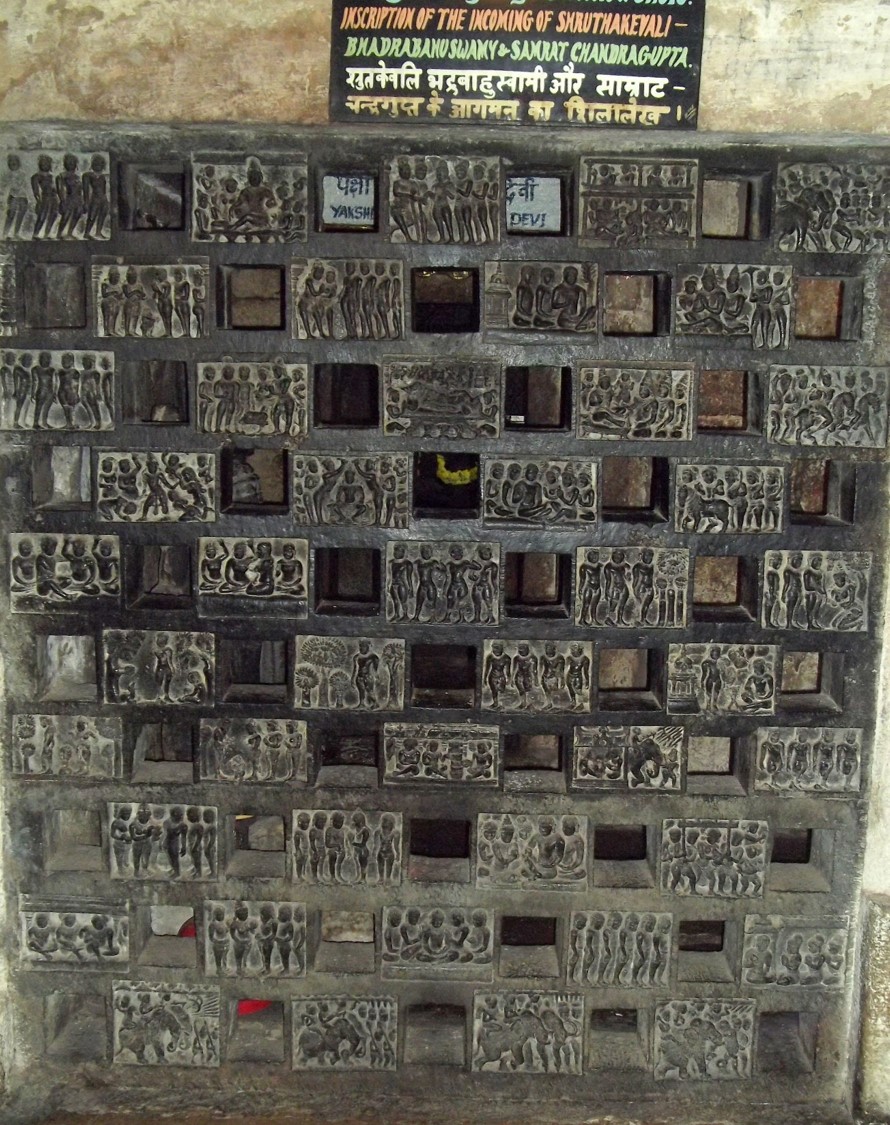
Shravanabelagola Inscription of Bhadrabahu and Chandragupta
Ready when you are
Start chatting with Chandragupta Maurya now.
20 messages free · No credit card · Available in 50+ languages.