


Primary sourceArtifactc. 1323 BCE
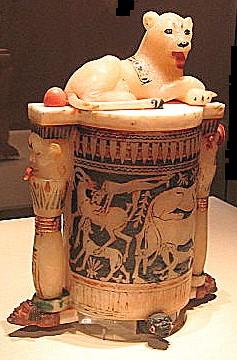
Lioness Bast Cosmetic Jar
c. 1323 BCE
A calcite cosmetic jar topped with a carved lioness representing the goddess Bast, found among Tutankhamun's burial goods.
This jar was a personal luxury item placed in Tutankhamun's tomb, showing the craftsmanship devoted to his burial.
About this source
What it is
This is a cosmetic jar from the tomb of Tutankhamun, dating to around 1323 BCE, in the Eighteenth Dynasty of Ancient Egypt. Its lid is carved as a reclining lioness representing the goddess Bast. It is now held in the Cairo Museum.
Why it matters
As a luxury object placed in the royal burial, the jar shows the wealth and fine craftsmanship available to Tutankhamun's workshops. Objects like this reveal how religious imagery, linked to protective goddesses such as Bast, was woven into everyday royal items.
Look closer
- Why might a cosmetic container be decorated with a goddess rather than left plain?
- What does the detail of the carving suggest about the skill of the craftsmen who made it?
- What might this object tell us about beauty and religion in Tutankhamun's world that written texts do not?
This artifact is part of the curated material that grounds the AI version of Tutankhamun on Humy.ai — when students ask about related events, the AI can quote it and cite it.
More Tutankhamun sources
Meet the AI Tutankhamun →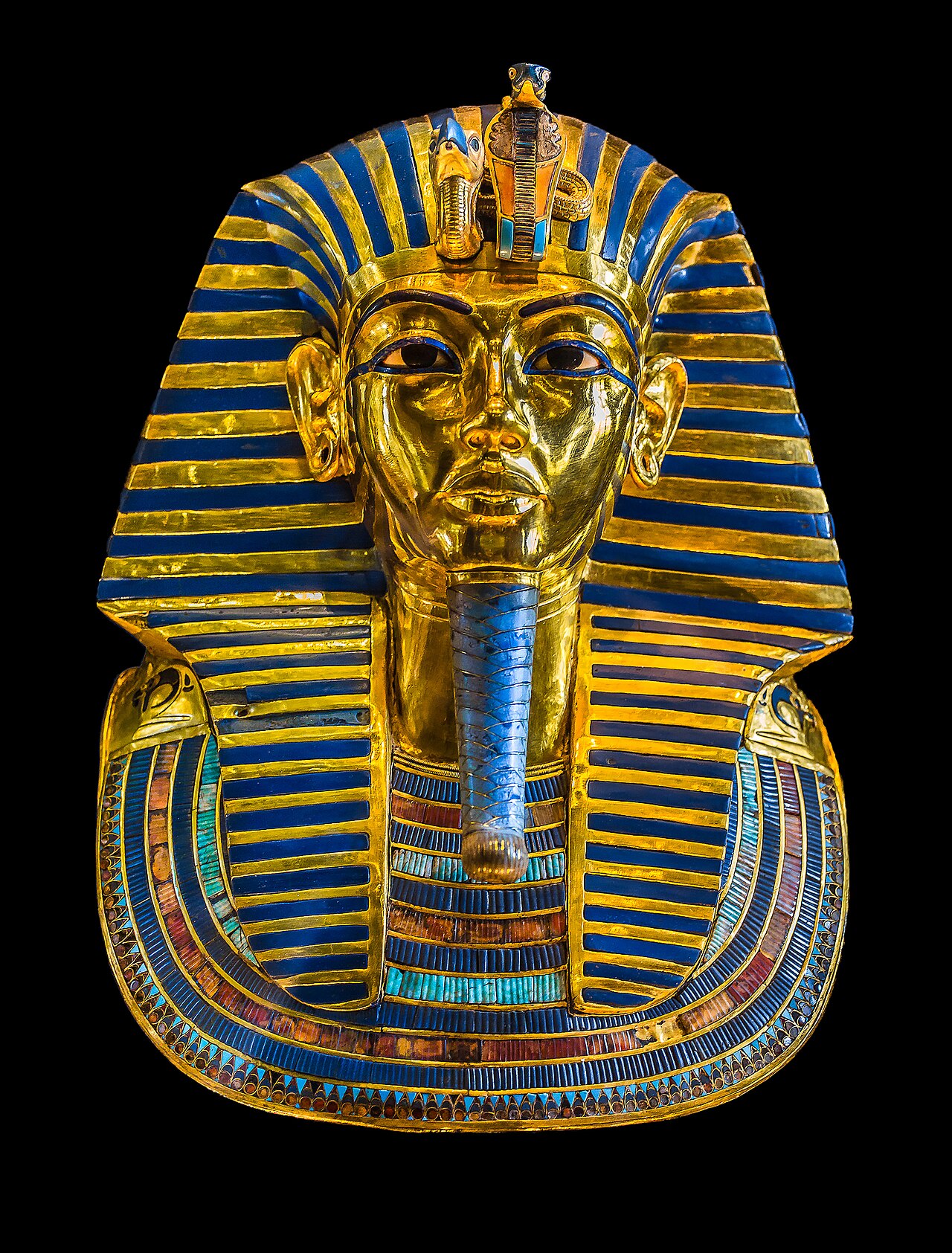 Artifact
Primary source
Mask of Tutankhamun
c. 1333 BCE
 Photograph
Primary source
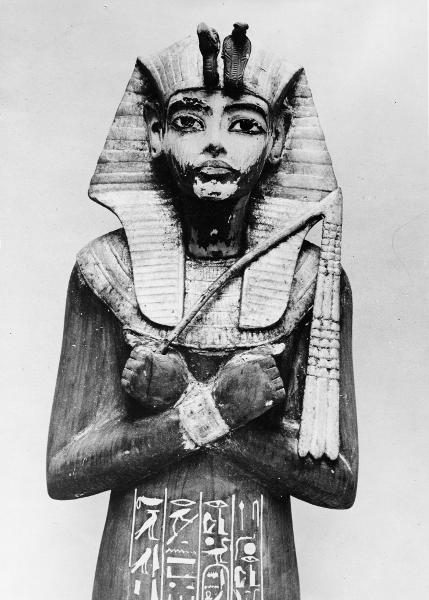
Photograph of Tutankhamun's Shawabti Figure
Harry Burton · 1920s
 Artifact
Primary source
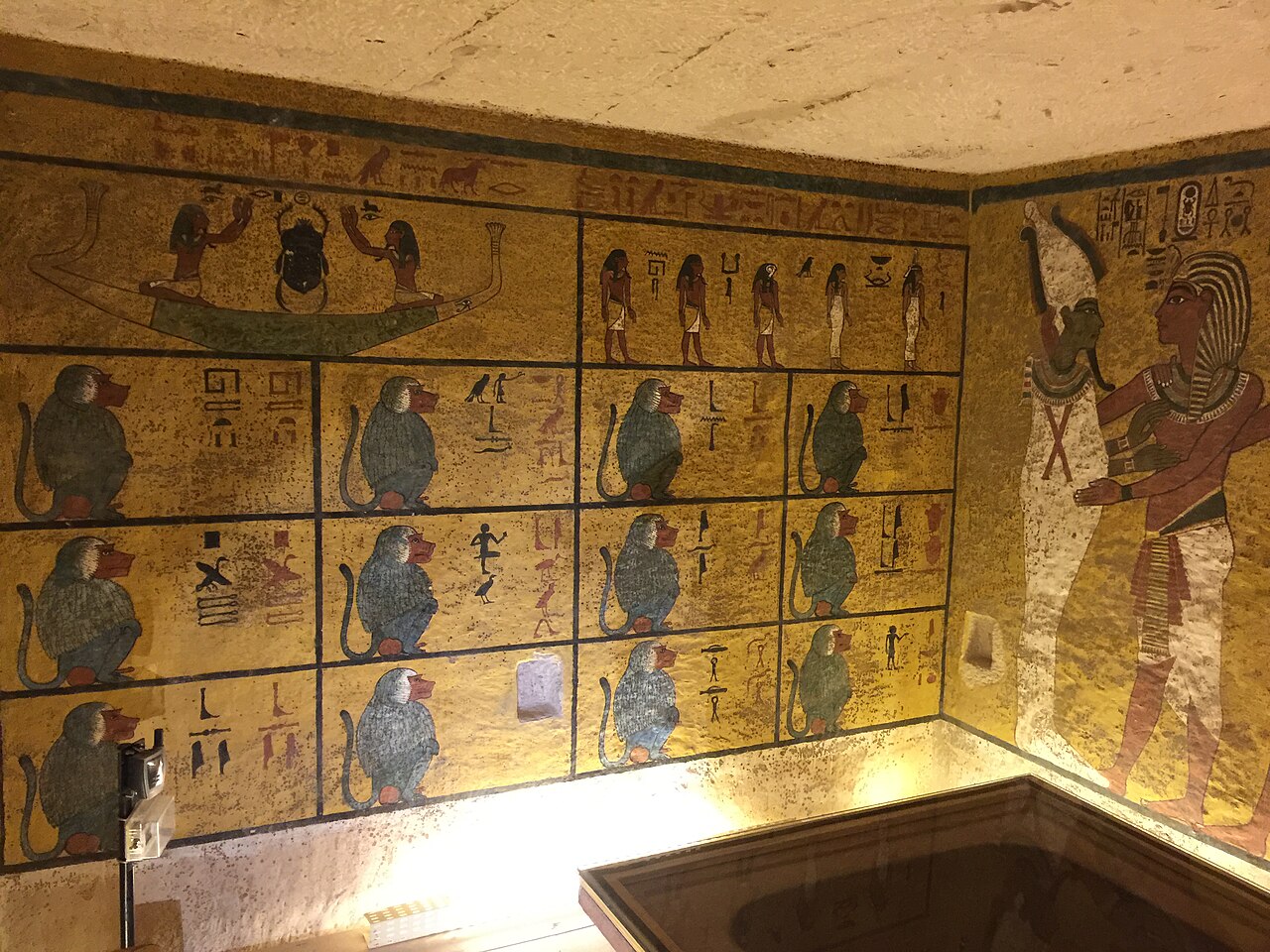
Tomb of Tutankhamun
14th century BCE
 Photograph
Primary source
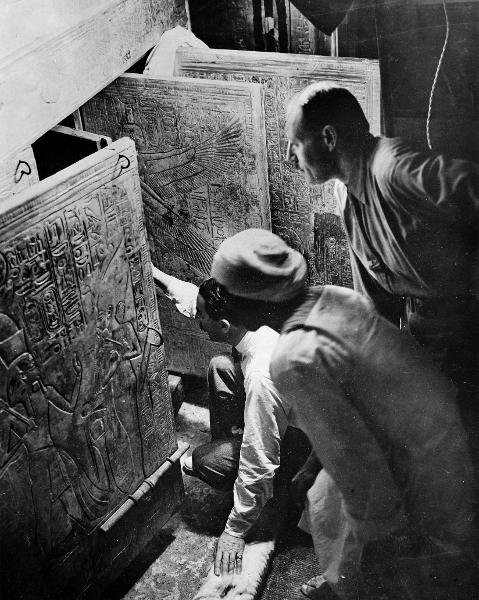
Opening the Doors of the Fourth Shrine in Tutankhamun's Tomb
Harry Burton · 1920s
 Document
Primary source
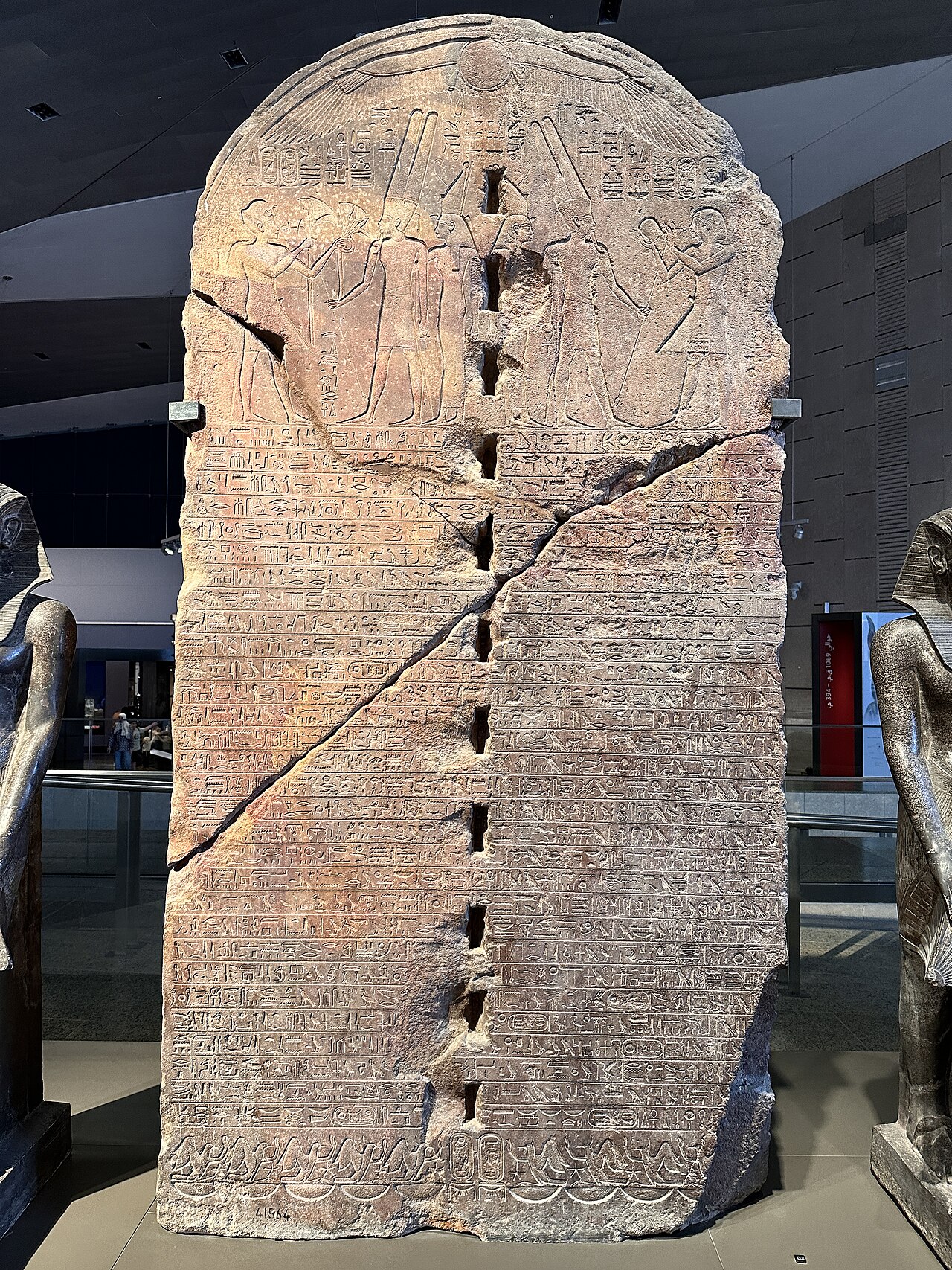
Restoration Stela
Tutankhamun · c. 1326 BCE
Ready when you are
Start chatting with Tutankhamun now.
20 messages free · No credit card · Available in 50+ languages.