


Secondary sourceBook
Locke's doctrine of human knowledge compared with Leibniz's critique
Gustav Hartenstein
A German-language academic study comparing Locke's theory of knowledge with Leibniz's criticisms of it.
A scholarly comparison of Locke's theory of knowledge with Leibniz's critique of it.

About this source
What it is
This is a scholarly book by Gustav Hartenstein (1808-1890) comparing John Locke's theory of knowledge with the critique made of it by the philosopher Gottfried Wilhelm Leibniz. It is written in German.
Why it matters
This study shows how Locke's ideas about where human knowledge and concepts come from became central to a major philosophical debate, especially after Immanuel Kant highlighted the contrast between thinkers like Locke, who believed knowledge comes from experience, and Leibniz, who argued some ideas are innate. It demonstrates Locke's lasting influence across European philosophy, not just in England.
Look closer
- Why might a German scholar in the 19th century still be writing about a debate between two 17th-century philosophers?
- What does comparing Locke and Leibniz reveal about two very different ways of thinking about knowledge?
- Why do you think this book groups Locke and Leibniz with ancient thinkers like Aristotle and Plato?
This book is part of the curated material that grounds the AI version of John Locke on Humy.ai — when students ask about related events, the AI can quote it and cite it.
More John Locke sources
Meet the AI John Locke →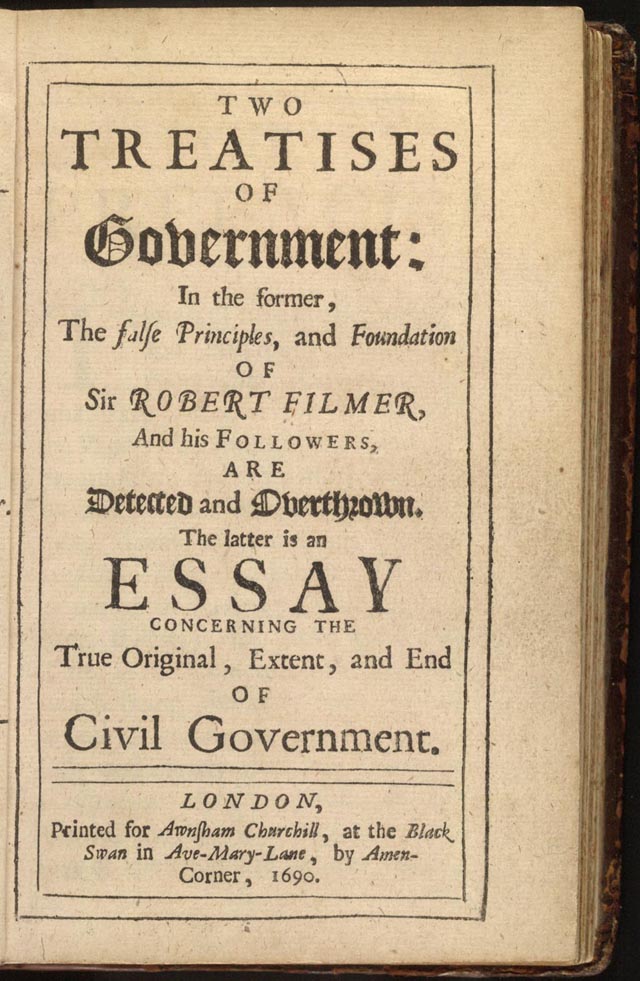 Book
Primary source
Two Treatises of Government
John Locke · 1689 (dated 1690)
 Book
Primary source
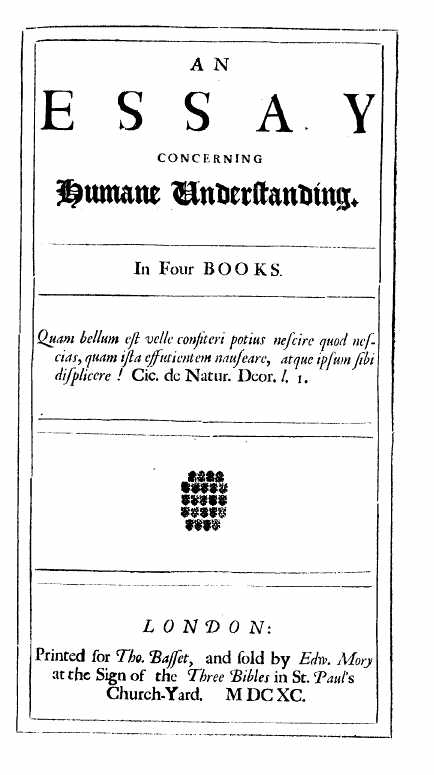
An Essay Concerning Human Understanding
John Locke · 1689 (dated 1690)
 Painting
Secondary source
John Locke, Mezzotint after Godfrey Kneller
Godfrey Kneller
 Letter
Primary source
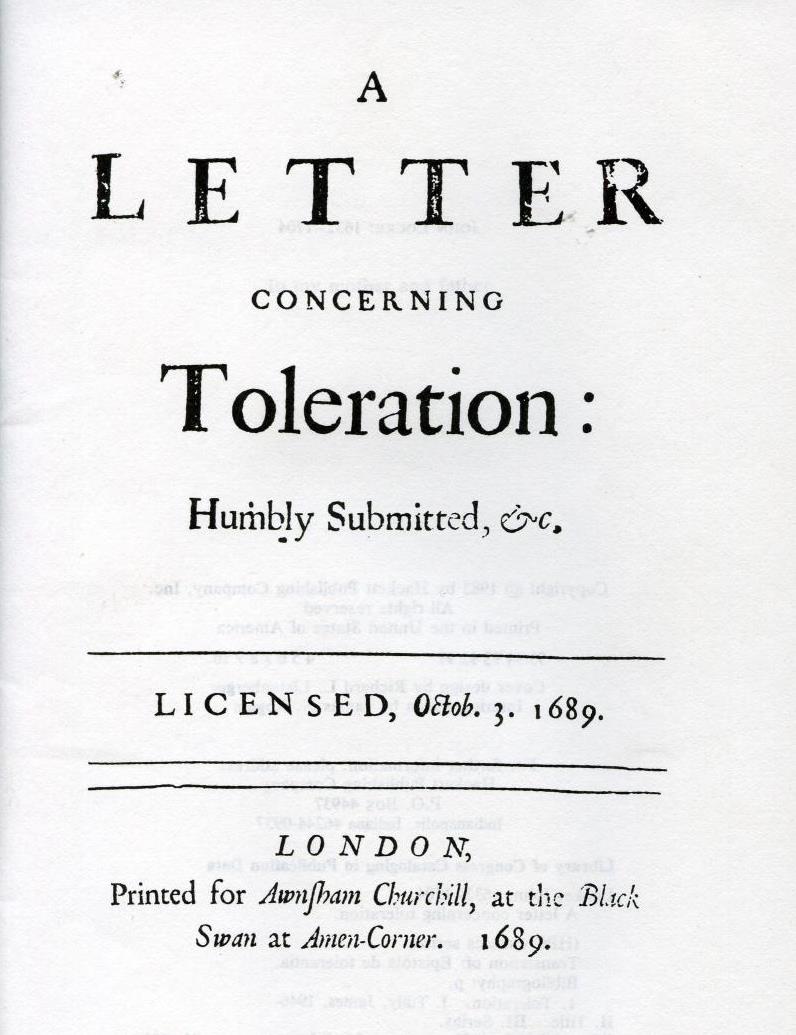
A Letter Concerning Toleration
John Locke · written 1685-1686, published 1689
 Painting
Secondary source
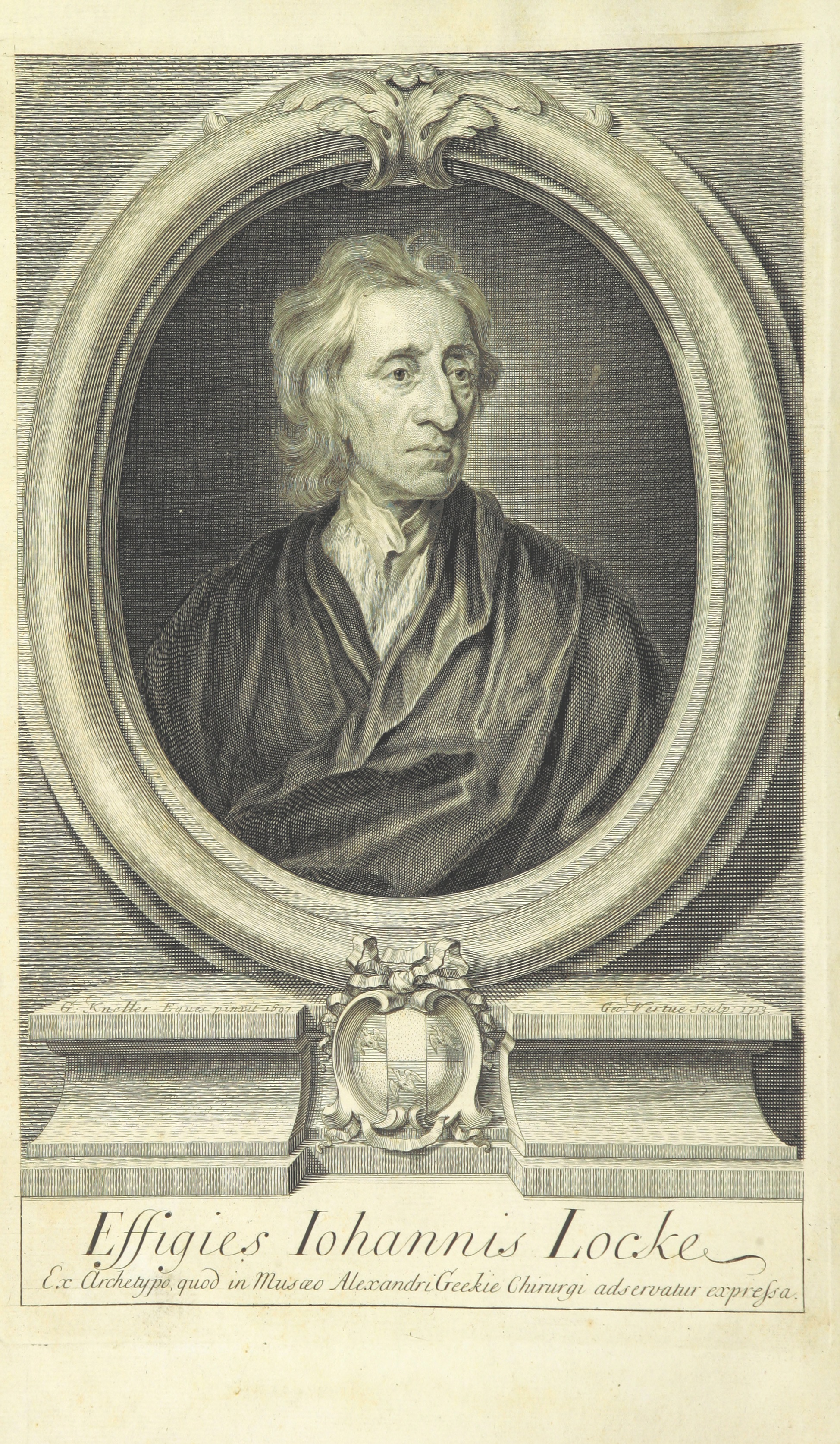
Portrait of John Locke, frontispiece to Works
George Vertue, after Sir Godfrey Kneller · 1722
Ready when you are
Start chatting with John Locke now.
20 messages free · No credit card · Available in 50+ languages.