


Secondary sourceBookearly 20th century
Locke's Theory of Knowledge and Its Historical Relations
James Gibson · early 20th century
An early twentieth-century academic study of John Locke's theory of knowledge and its place in the history of philosophy.
A detailed academic study analysing Locke's theory of knowledge and its place in philosophical history.

About this source
What it is
This book by James Gibson is a detailed study of Locke's theory of knowledge, examining the main problem of his 'Essay' — the nature and extent of human knowledge — and its historical relations to other philosophy.
Why it matters
The book treats Locke's ideas about knowledge, ideas and the sciences in detail, showing how his terms and arguments were understood and debated by later scholars. It reflects the ongoing academic interest in Locke's contribution to philosophy centuries after his death.
Look closer
- Why might the 'extent of human knowledge' be considered the Essay's main problem?
- How does breaking the book into numbered sections change the way we read Locke's ideas?
- What questions does a detailed academic study like this not answer about Locke the person?
This book is part of the curated material that grounds the AI version of John Locke on Humy.ai — when students ask about related events, the AI can quote it and cite it.
More John Locke sources
Meet the AI John Locke →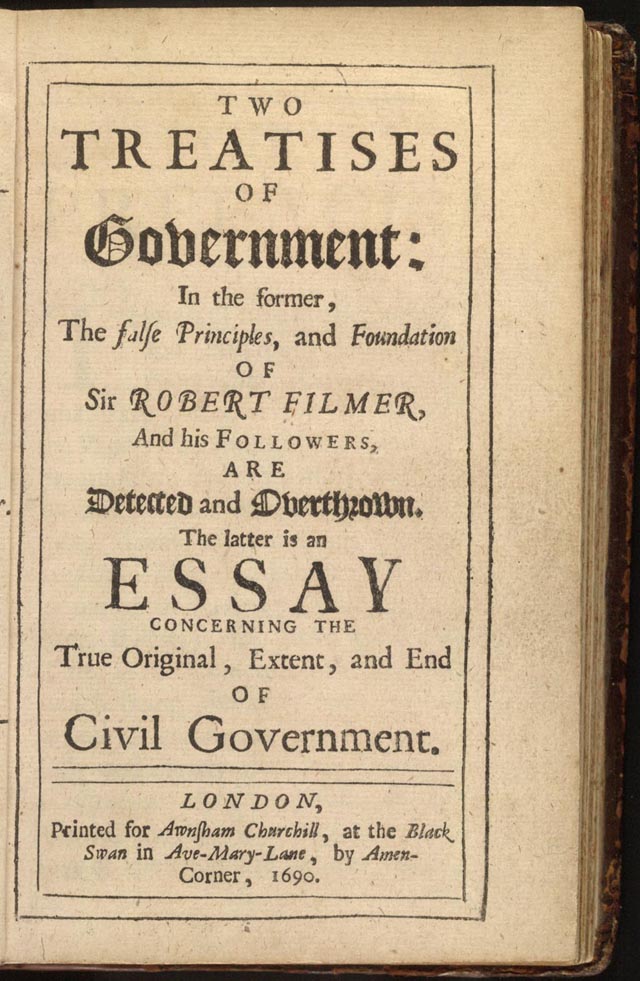 Book
Primary source
Two Treatises of Government
John Locke · 1689 (dated 1690)
 Book
Primary source
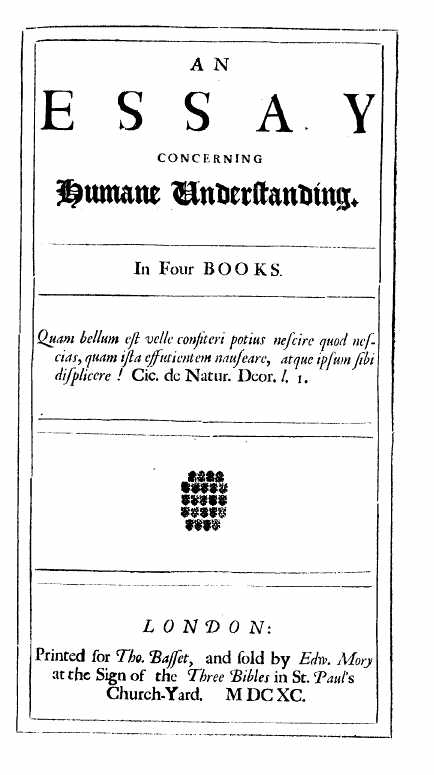
An Essay Concerning Human Understanding
John Locke · 1689 (dated 1690)
 Painting
Secondary source
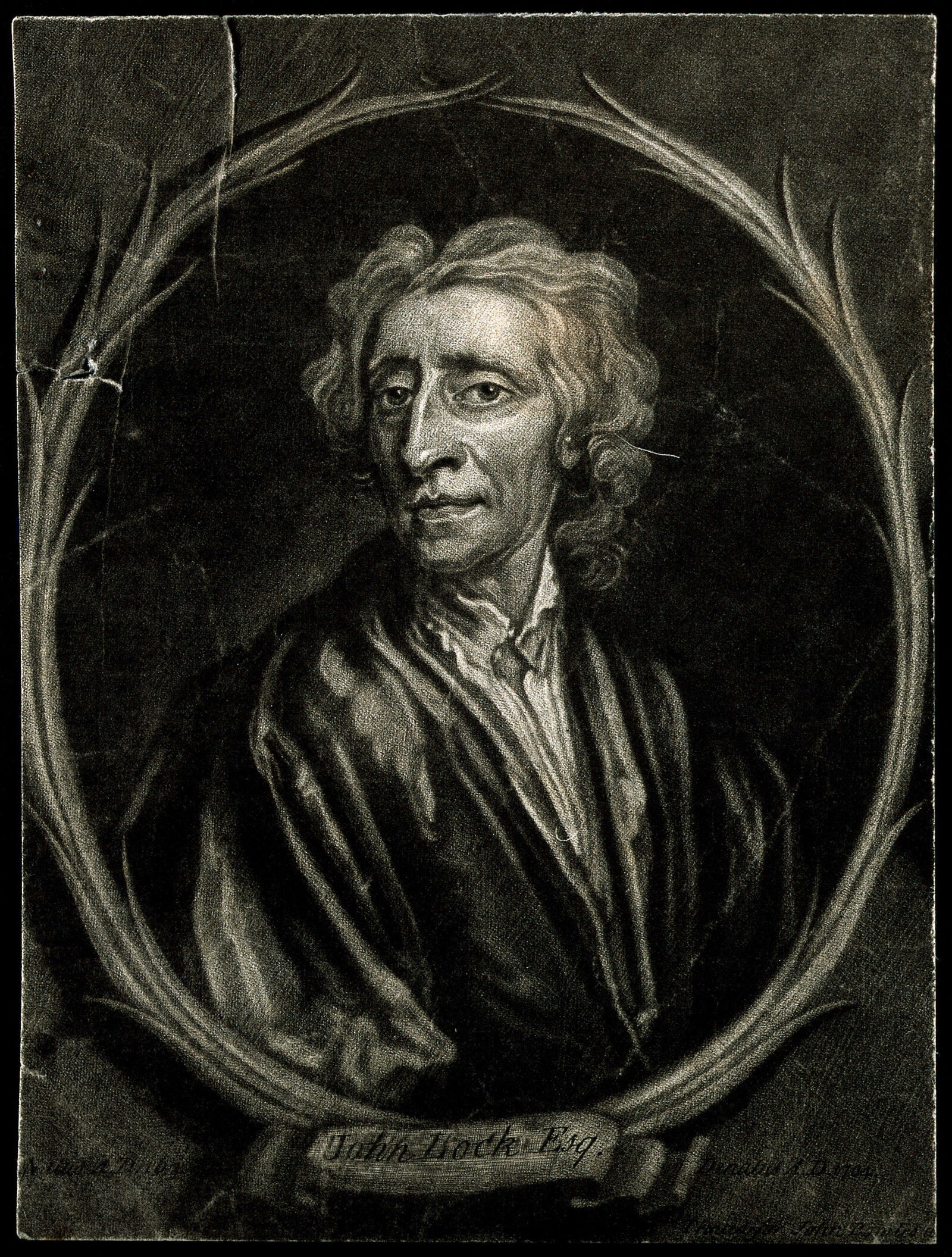
John Locke, Mezzotint after Godfrey Kneller
Godfrey Kneller
 Letter
Primary source
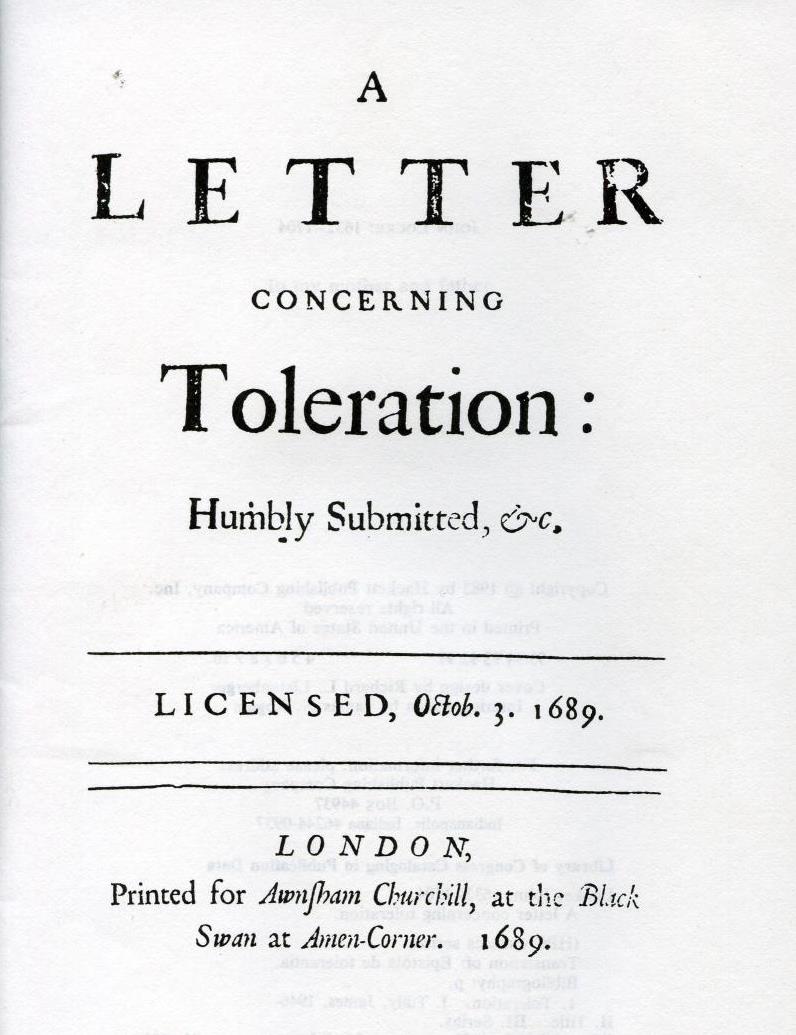
A Letter Concerning Toleration
John Locke · written 1685-1686, published 1689
 Painting
Secondary source
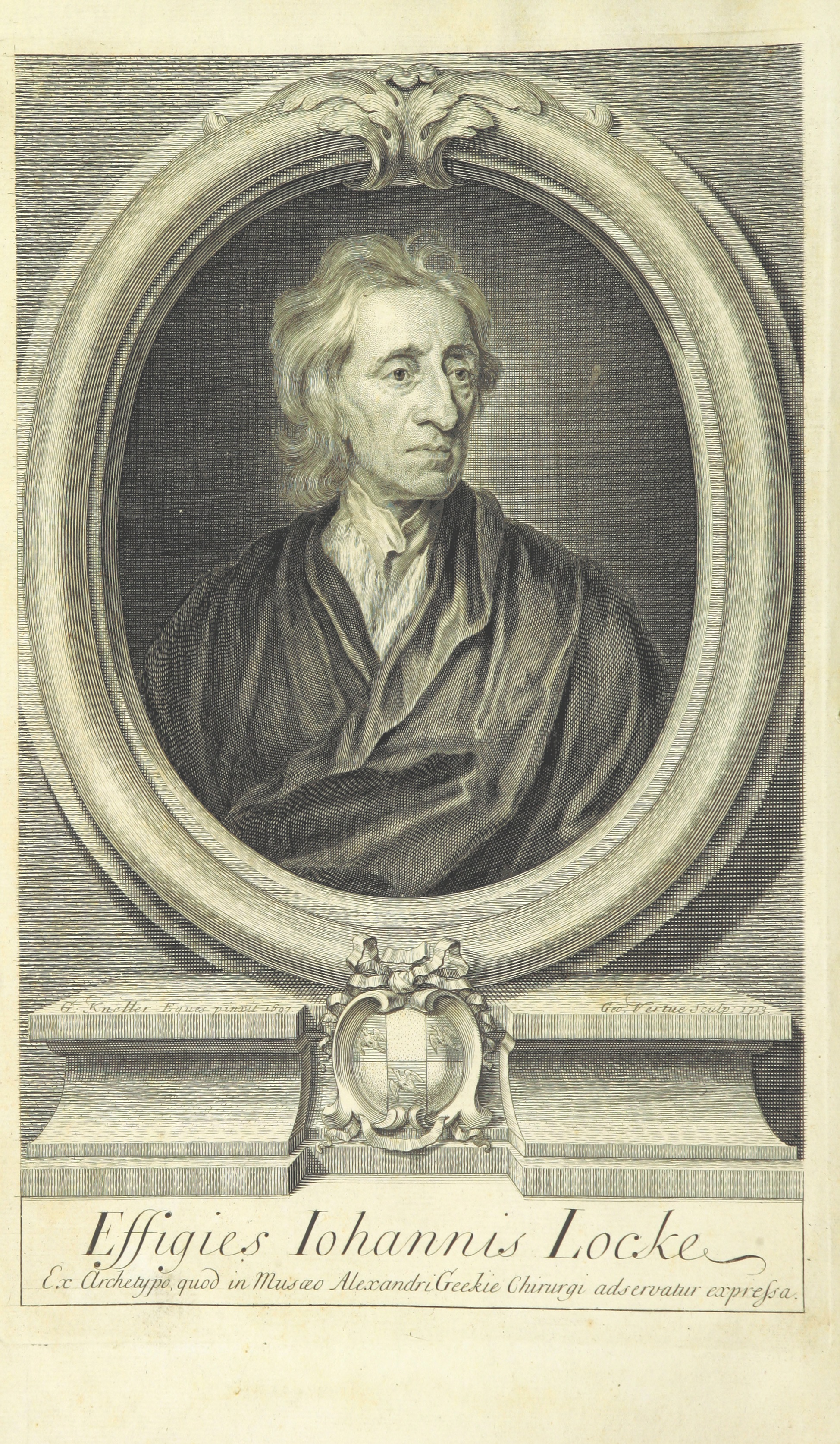
Portrait of John Locke, frontispiece to Works
George Vertue, after Sir Godfrey Kneller · 1722
Ready when you are
Start chatting with John Locke now.
20 messages free · No credit card · Available in 50+ languages.