


Primary sourcePainting1815-1823
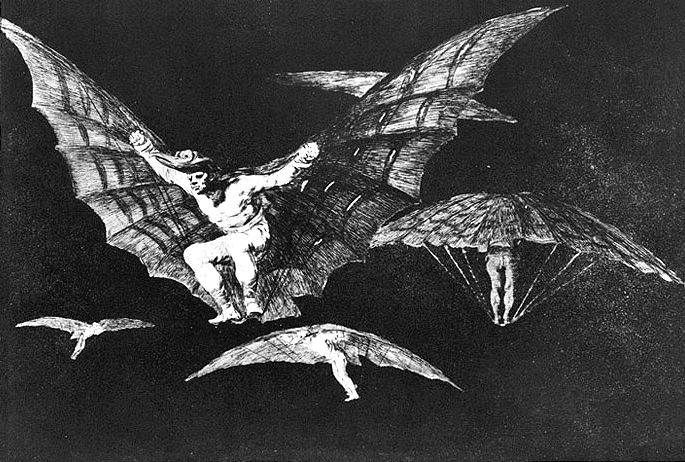
Los disparates
Francisco Goya · 1815-1823
Goya's last and most mysterious print series, created during the repressive years of Ferdinand VII's rule.
Goya created this private, unpublished series near the end of his life, reflecting his darkest and most personal imagination.
About this source
What it is
Los disparates (also called Proverbios or Sueños) is a series of prints in etching and aquatint created by Francisco Goya between 1815 and 1823, while he lived near Manzanares at the Quinta del Sordo. The series was not published during his lifetime and only became public in 1864, long after his death.
Why it matters
The prints show strange, dreamlike and irrational scenes that scholars connect to political anxieties, Spanish proverbs and carnival traditions. Goya made them during the oppressive rule of Ferdinand VII, when the Inquisition had been restored and open criticism was dangerous — which may explain why he never published them. They show an older Goya turning inward to private, puzzling imagery rather than public statements.
Look closer
- What makes these images feel dreamlike or irrational rather than realistic?
- Why might Goya have chosen not to publish these prints during his lifetime?
- How might political fear shape what an artist chooses to keep hidden?
This painting is part of the curated material that grounds the AI version of Francisco Goya on Humy.ai — when students ask about related events, the AI can quote it and cite it.
More Francisco Goya sources
Meet the AI Francisco Goya →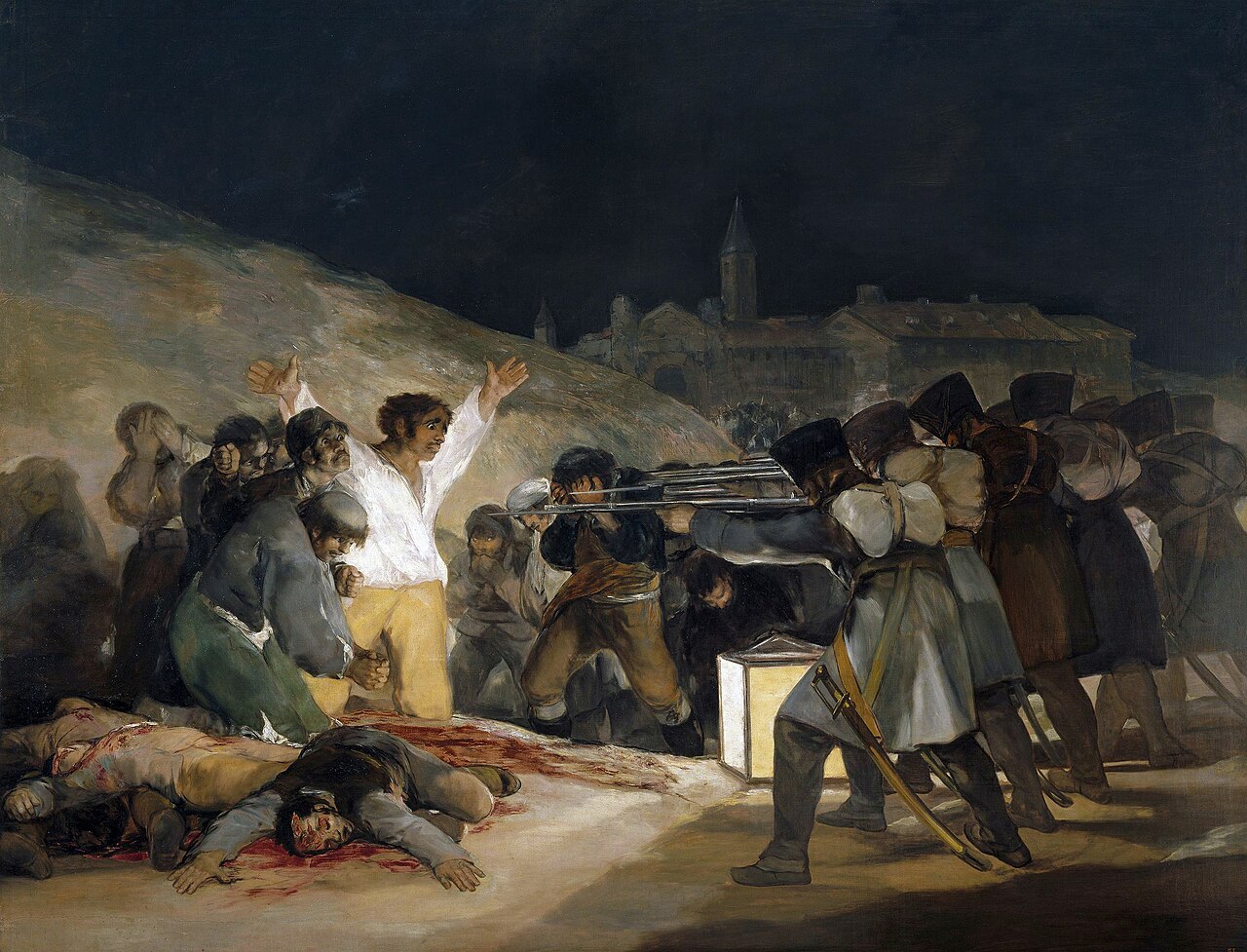 Painting
Secondary source
The Third of May 1808
Francisco Goya · 1814
 Painting
Primary source
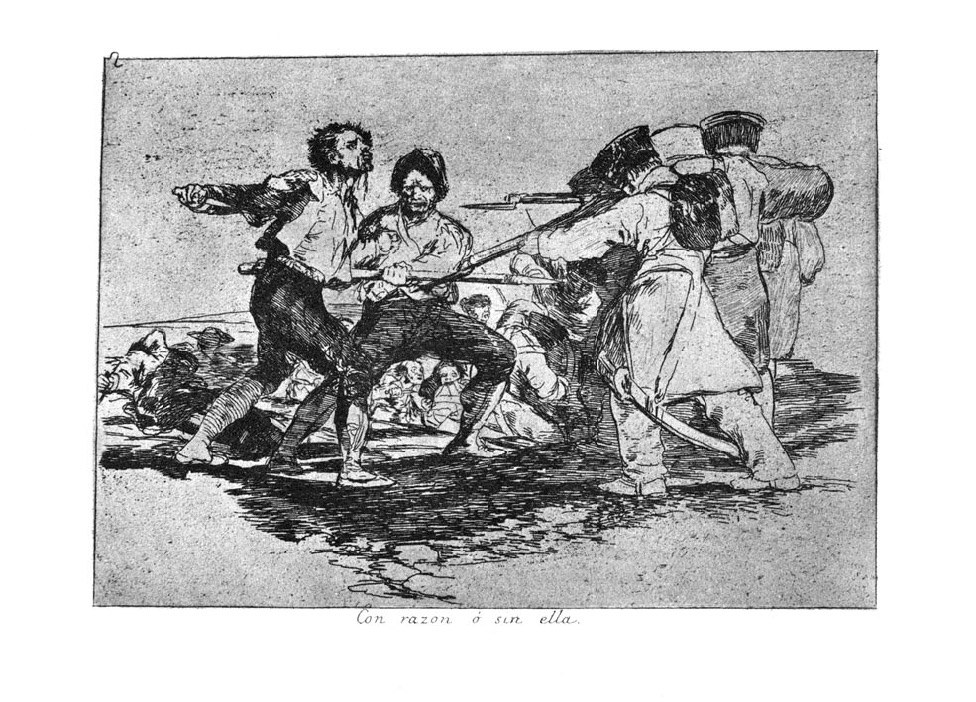
The Disasters of War
Francisco Goya · 1810-1820
 Painting
Primary source
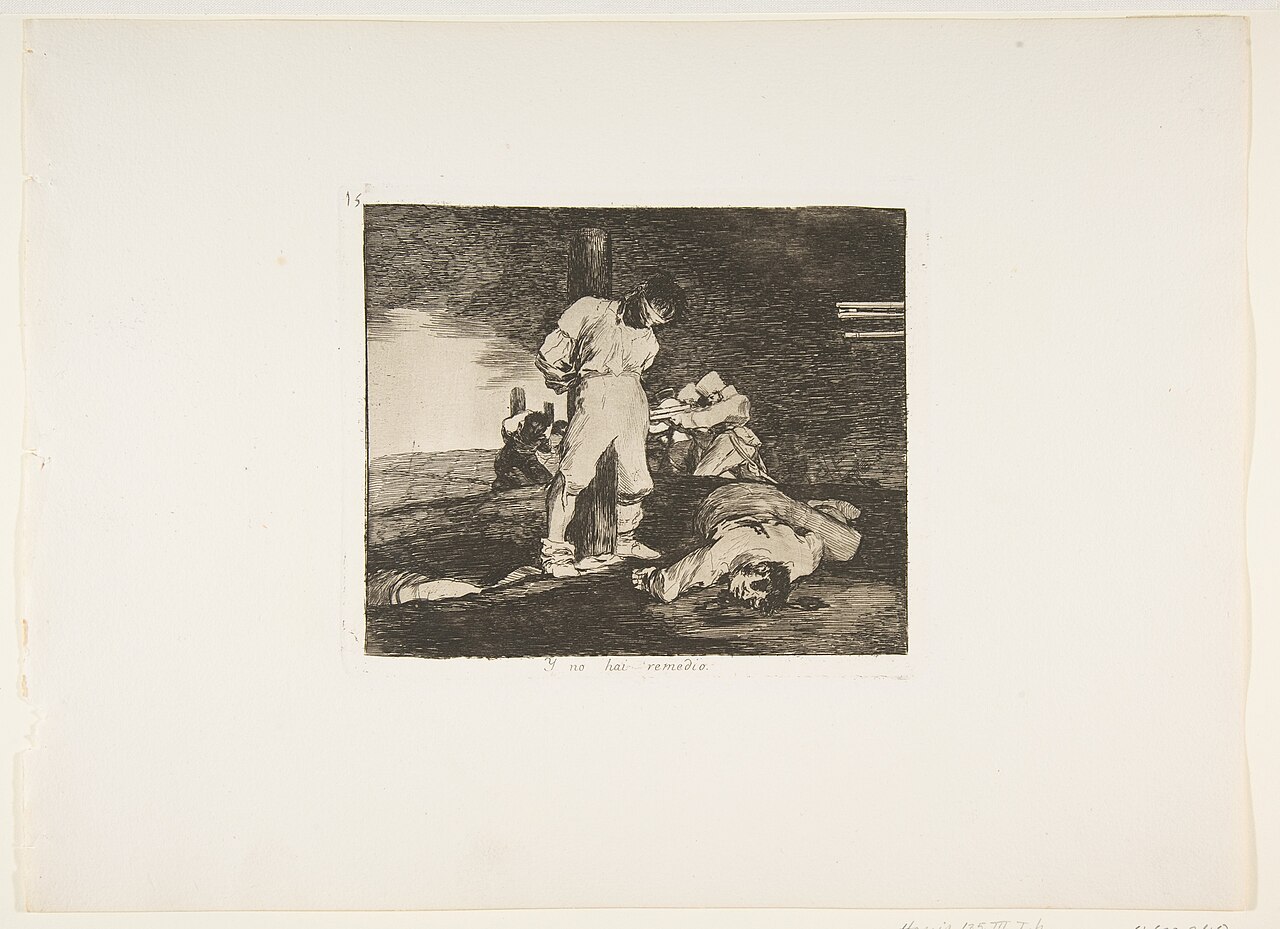
Y no hai remedio
Francisco de Goya · c. 1810-1814 (published 1863)
 Painting
Primary source
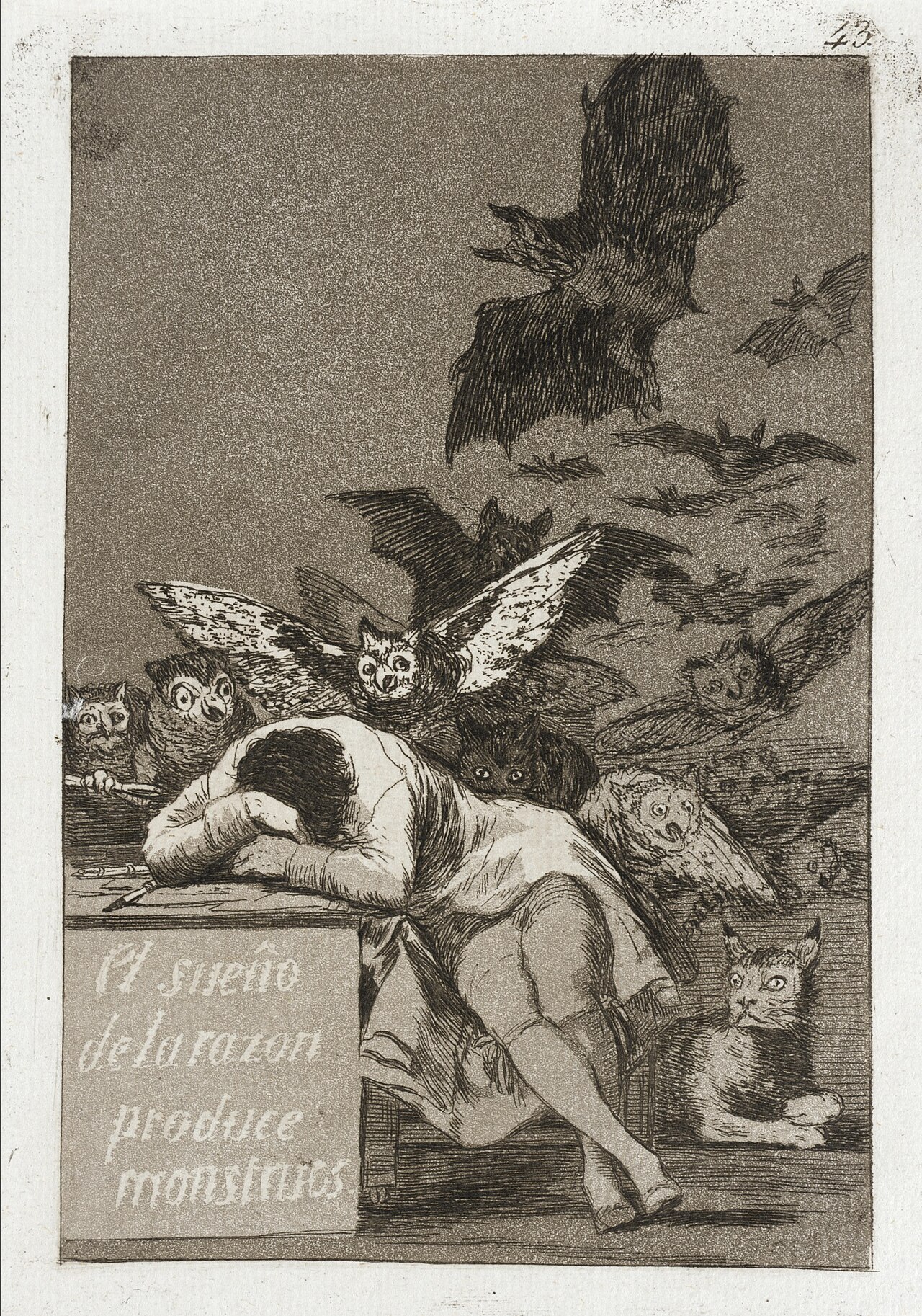
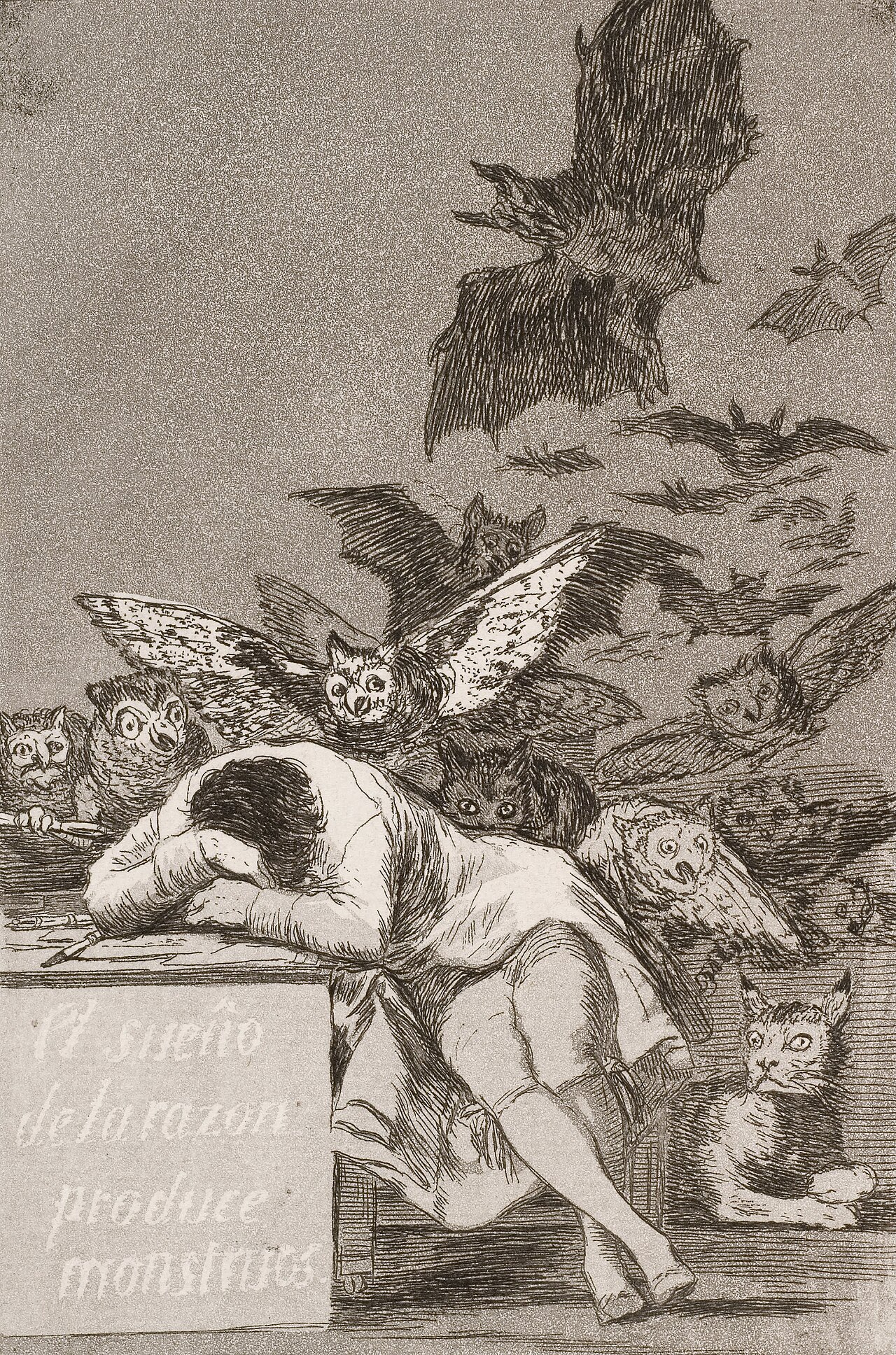
Caprichos
Francisco Goya · 1799 (created 1797-1798)
 Painting
Primary source
The Sleep of Reason Produces Monsters
Francisco Goya · 1797-1799
Ready when you are
Start chatting with Francisco Goya now.
20 messages free · No credit card · Available in 50+ languages.