


Primary sourceArtifact
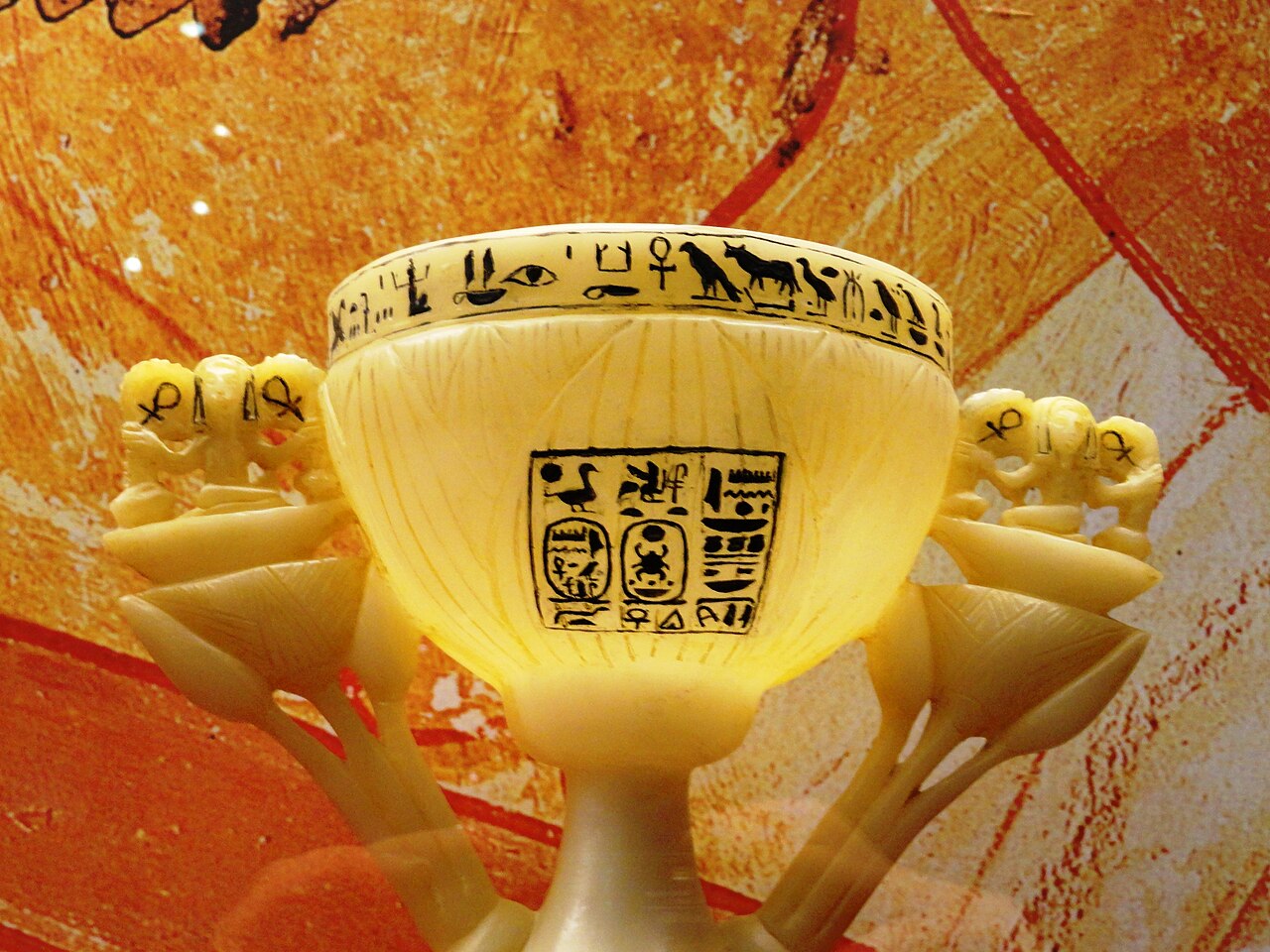
Lotus Chalice
An alabaster cup shaped like a lotus flower, found near the entrance of Tutankhamun's tomb and inscribed with his royal titles.
This chalice, inscribed with Tutankhamun's names and a wish for eternal life, was found in his tomb and belonged to him.
About this source
What it is
Carved from a single piece of alabaster, this cup takes the shape of a white lotus flower, with handles shaped like lotus buds and the god Heh supporting symbols of eternity. It was found by Howard Carter just inside the entrance of Tutankhamun's tomb, KV62, in the Valley of the Kings, and is now in Egypt's Egyptian Museum collection (moved to the Grand Egyptian Museum).
Why it matters
Carter called it the "Wishing Cup" because its inscriptions, translated for him by Alan Gardiner, wish the king millions of years of life. The lotus shape connects to Egyptian myth about the sun god's birth, linking Tutankhamun's name to rebirth and eternal life. It shows how everyday royal objects carried religious meaning.
Look closer
- What symbols can you find in the carving, and what might they mean?
- Why would a drinking cup carry a wish for eternal life?
- What does the find-spot, just inside the tomb, suggest about how it was used or placed?
This artifact is part of the curated material that grounds the AI version of Tutankhamun on Humy.ai — when students ask about related events, the AI can quote it and cite it.
More Tutankhamun sources
Meet the AI Tutankhamun →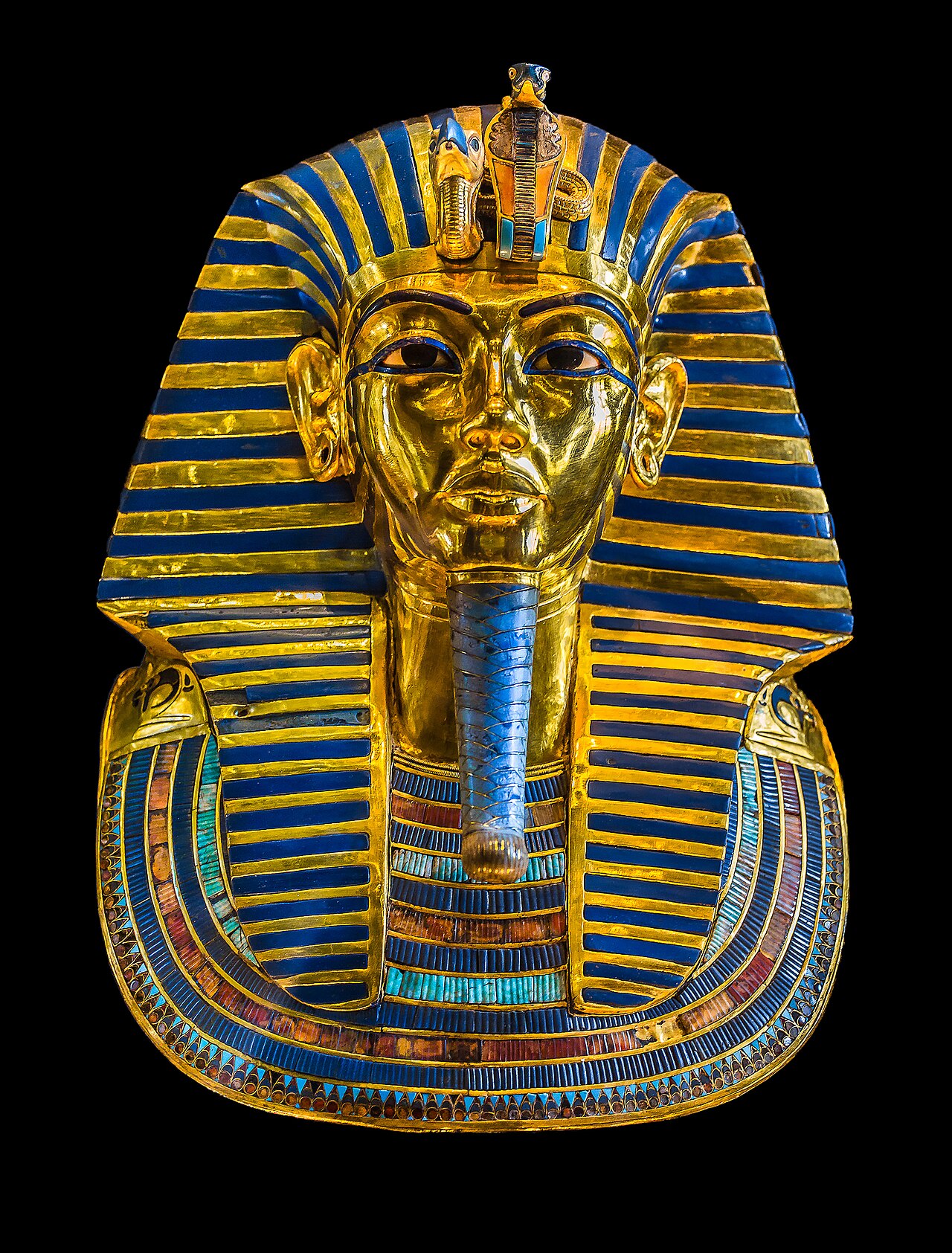 Artifact
Primary source
Mask of Tutankhamun
c. 1333 BCE
 Photograph
Primary source
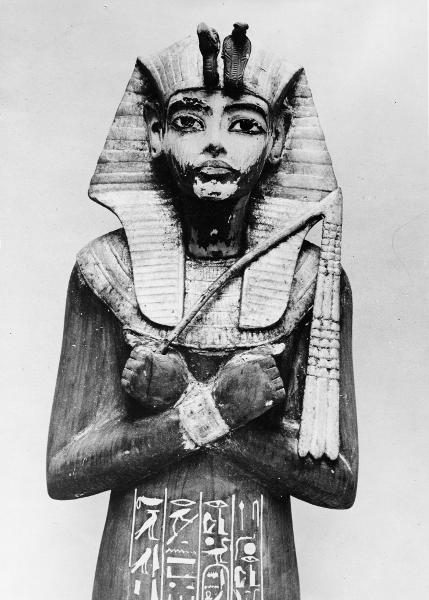
Photograph of Tutankhamun's Shawabti Figure
Harry Burton · 1920s
 Artifact
Primary source
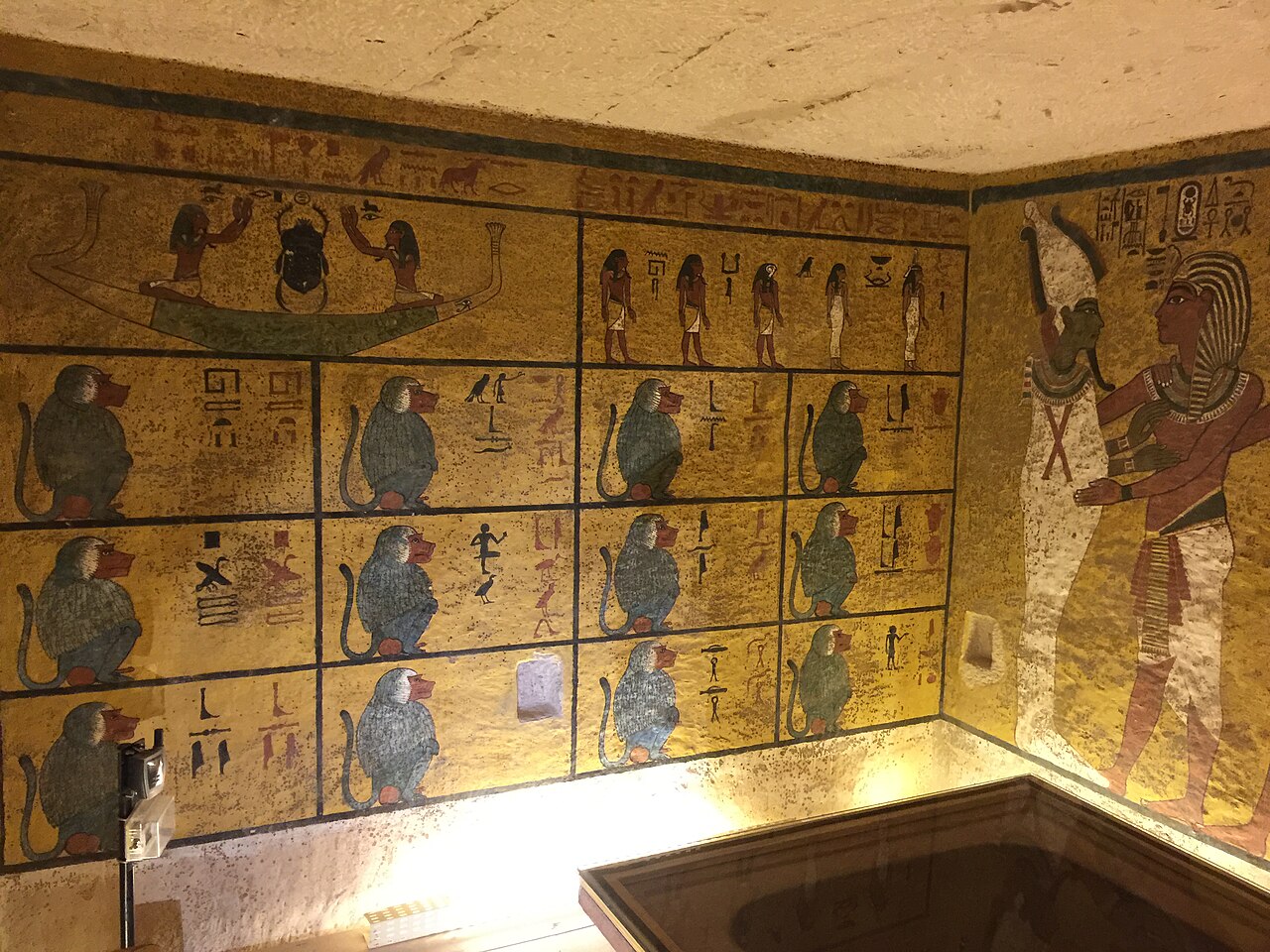
Tomb of Tutankhamun
14th century BCE
 Photograph
Primary source
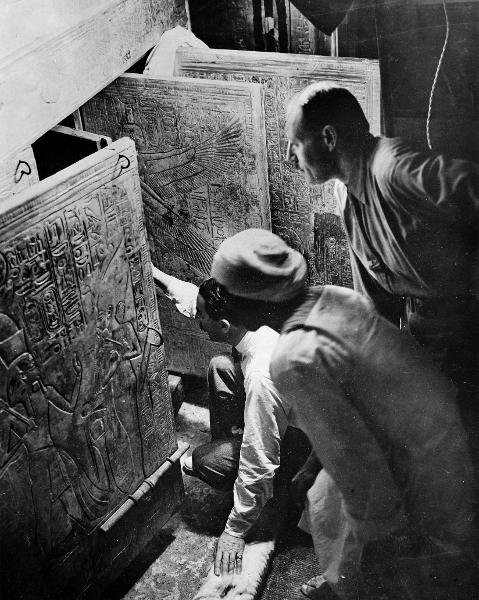
Opening the Doors of the Fourth Shrine in Tutankhamun's Tomb
Harry Burton · 1920s
 Document
Primary source
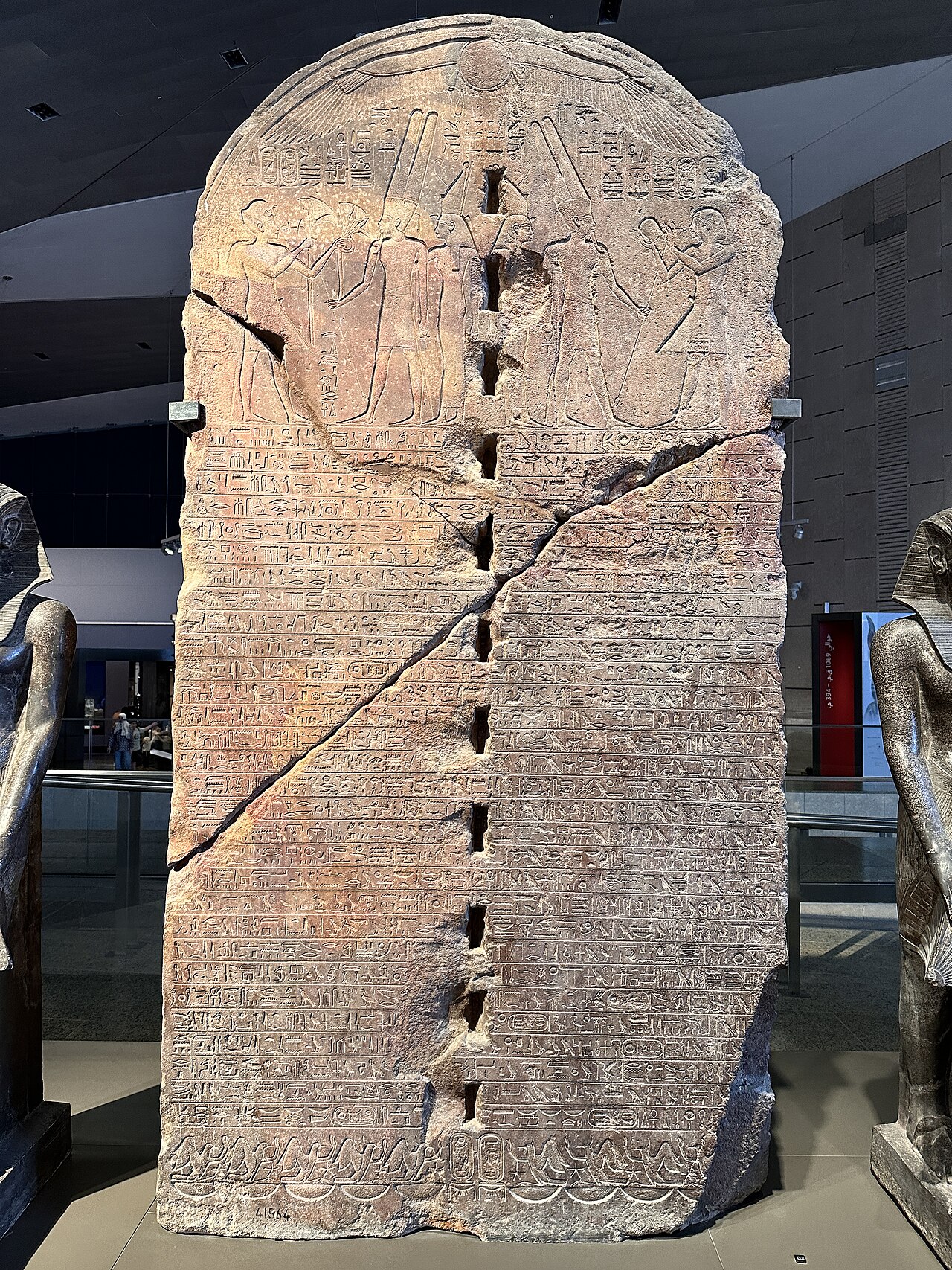
Restoration Stela
Tutankhamun · c. 1326 BCE
Ready when you are
Start chatting with Tutankhamun now.
20 messages free · No credit card · Available in 50+ languages.