


Secondary sourceArtifact17th century
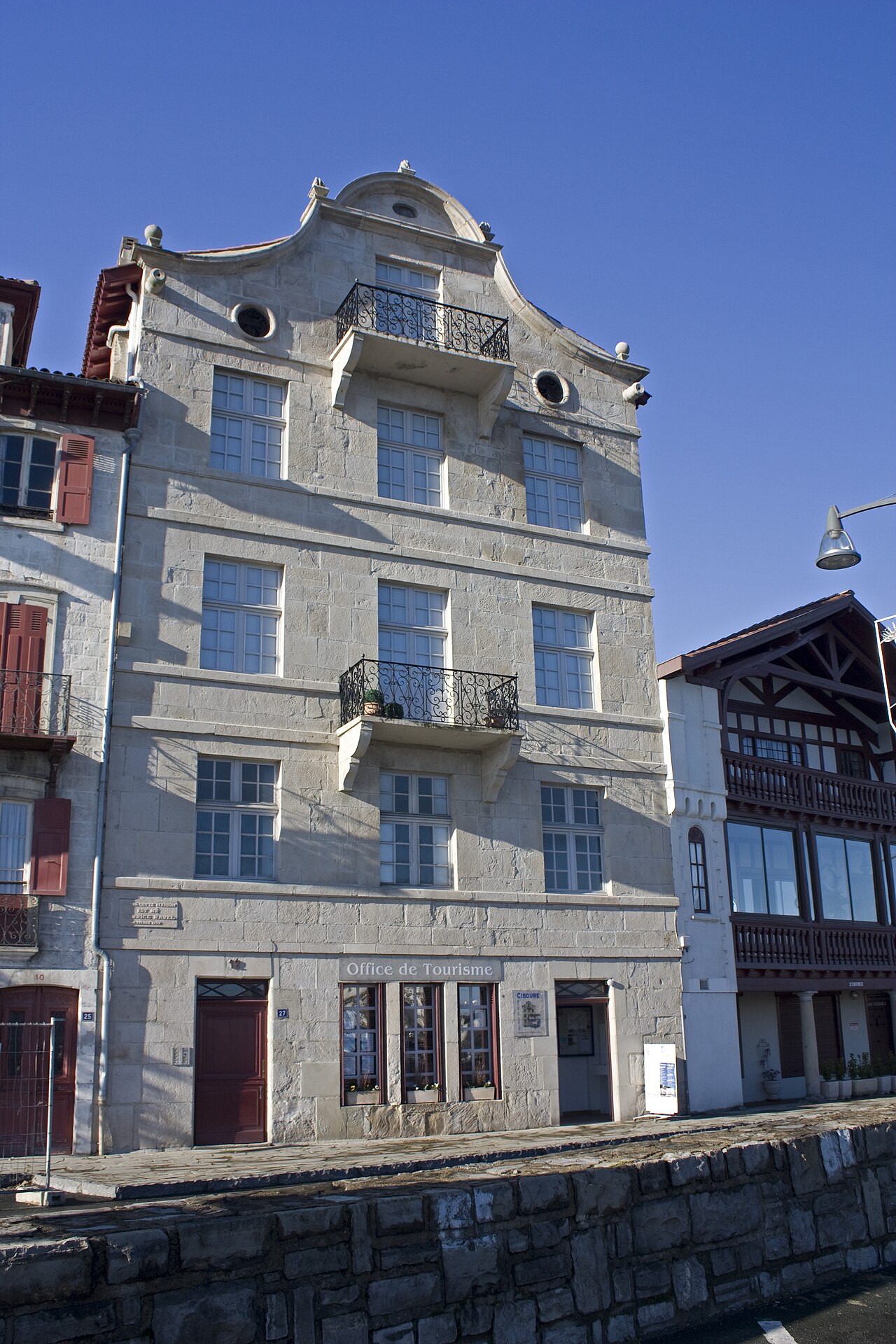
Maison natale de Maurice Ravel, Ciboure
17th century
The 17th-century house in Ciboure, France, where Maurice Ravel was born, tied to his Basque maternal heritage.
This is Ravel's birthplace, linked to the Basque and Spanish heritage that influenced his music.
Free Humy account · No credit card · 124,282 sources to read
About this source
What it is
This is the birth house of Maurice Ravel, a stone building on the quay at Ciboure, a town in the Basque region of France. The building dates from the 17th century and is also known as the Mazarin House or San Estebania.
Why it matters
Ravel's mother came from this Basque and Spanish-influenced region, and this heritage shaped the Spanish and Basque rhythms and colours found throughout his music. The house connects the composer to a specific place and culture that fed directly into his art.
Look closer
- What does the style of the building tell you about the kind of town Ravel was born into?
- Why might a composer's birthplace matter to people studying his music today?
- How might growing up near the Spanish border have shaped the sounds Ravel later put into his compositions?
This artifact is part of the curated material that grounds the AI version of Maurice Ravel on Humy.ai — when students ask about related events, the AI can quote it and cite it.
More Maurice Ravel sources
Browse all 50 →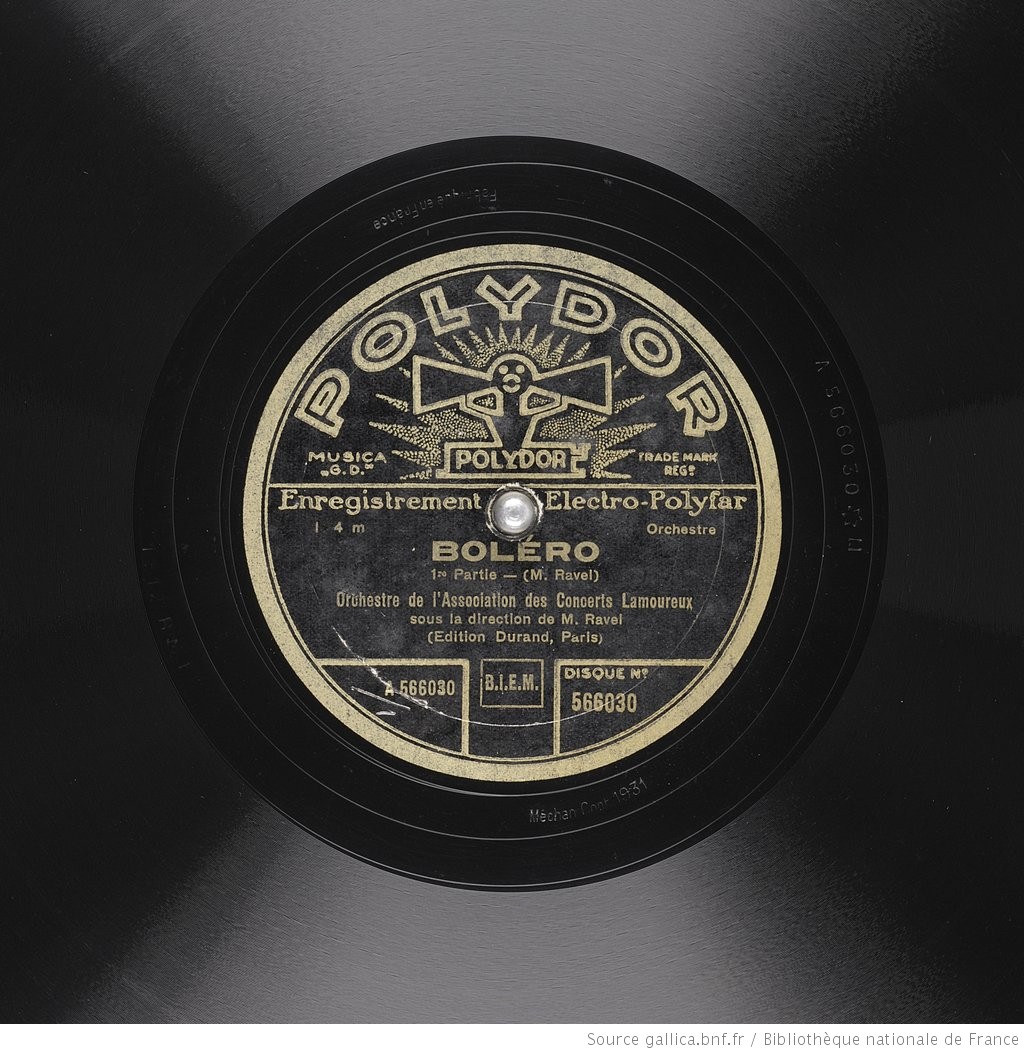 Document
Primary source
Boléro
Maurice Ravel · 1928
 Photograph
Primary source
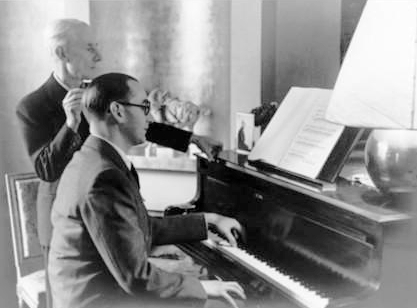
Piano Concerto for the Left Hand
Maurice Ravel · 1930
 Document
Primary source
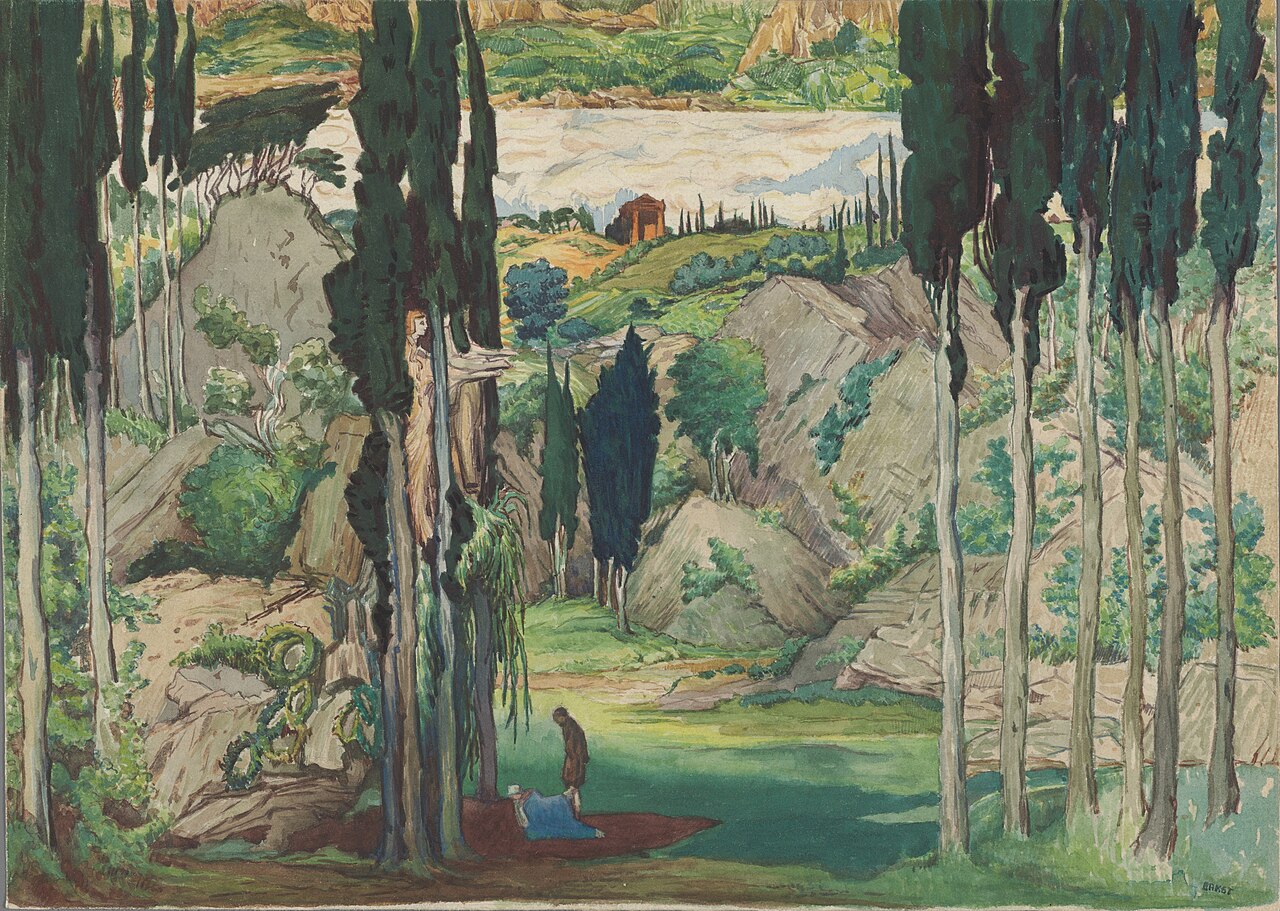
Daphnis et Chloé
Maurice Ravel · 1906–1912
 Document
Primary source
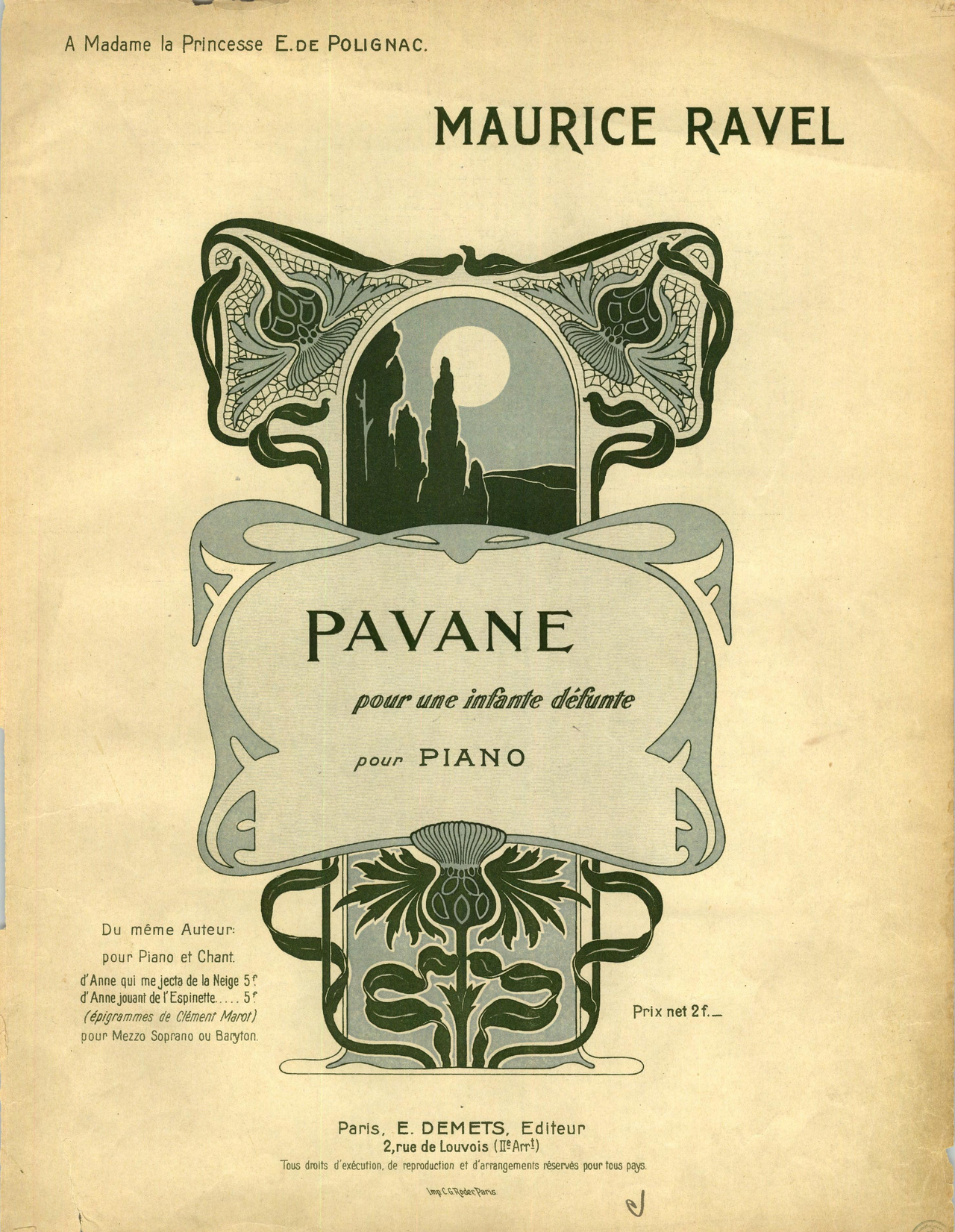
Pavane pour une infante défunte
Maurice Ravel · 1899
Free account
Read every Maurice Ravel source
Sign up free →
Ready when you are
Start chatting with Maurice Ravel now.
20 messages free · No credit card · Available in 50+ languages.