


Primary sourcePhotograph1930
Piano Concerto for the Left Hand
Maurice Ravel · 1930
A concerto Ravel wrote for pianist Paul Wittgenstein, who lost his right arm in the First World War.
Ravel composed this concerto, responding to the war injury of the pianist who commissioned it.
About this source
What it is
The Piano Concerto for the Left Hand in D major was composed by Maurice Ravel between 1929 and 1930. It was commissioned by the Austrian pianist Paul Wittgenstein, who had lost his right arm fighting in the First World War.
Why it matters
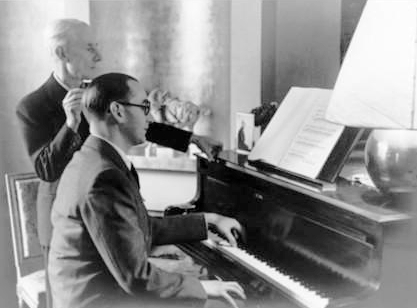
The piece shows how Ravel adapted his craft to a severe physical constraint, writing music for one hand that sounds as full as music for two. It also reveals the tensions between composer and performer: Wittgenstein first played the work with changes Ravel had not approved, causing a bitter dispute before the two men reconciled. The attached photograph shows Ravel with pianist Jacques Février, who gave the French premiere, at the keyboard in Paris.
Look closer
- Why might a composer choose to write for only one hand instead of avoiding the challenge?
- What does the disagreement between Ravel and Wittgenstein tell us about who controls a piece of music once it is performed?
- What does the photograph show about how music was shared and rehearsed before recordings were common?
This photograph is part of the curated material that grounds the AI version of Maurice Ravel on Humy.ai — when students ask about related events, the AI can quote it and cite it.
More Maurice Ravel sources
Browse all 50 →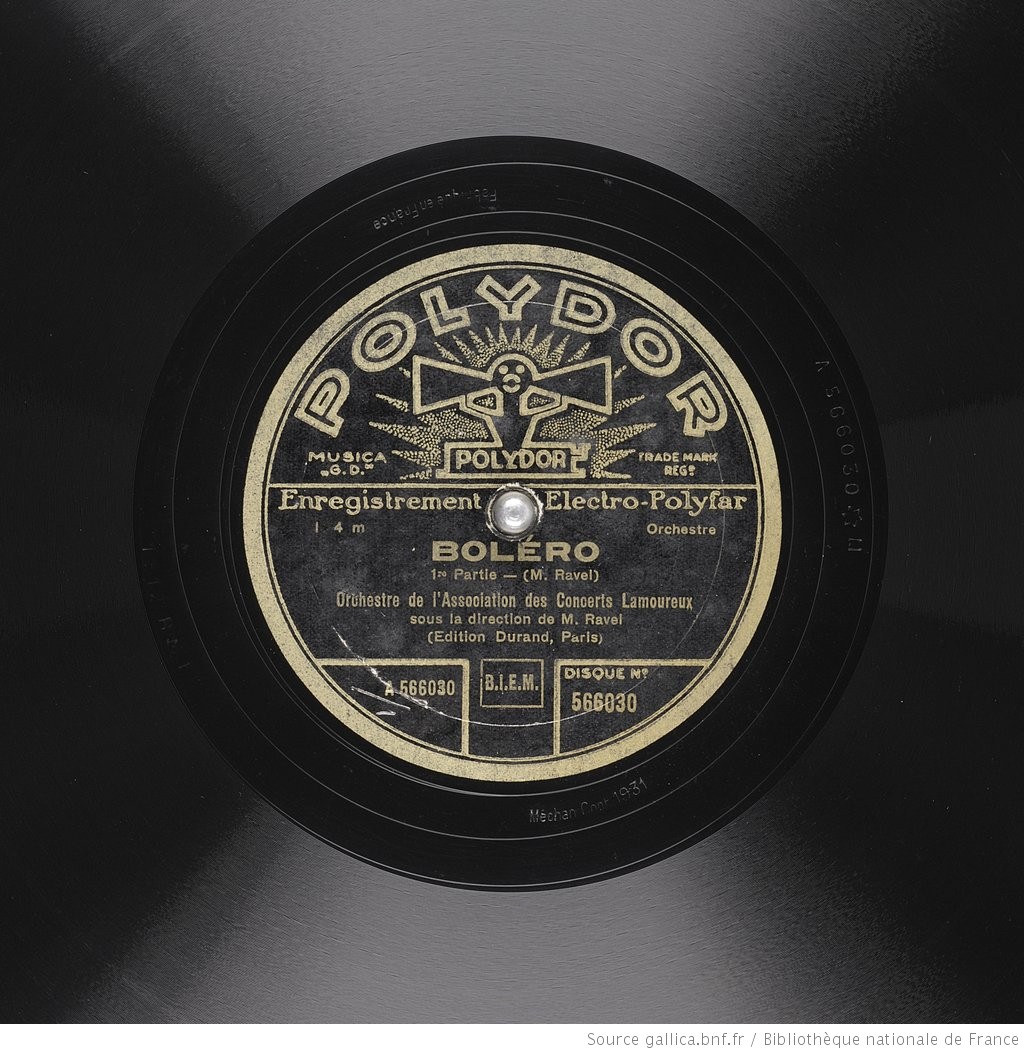 Document
Primary source
Boléro
Maurice Ravel · 1928
 Artifact
Secondary source
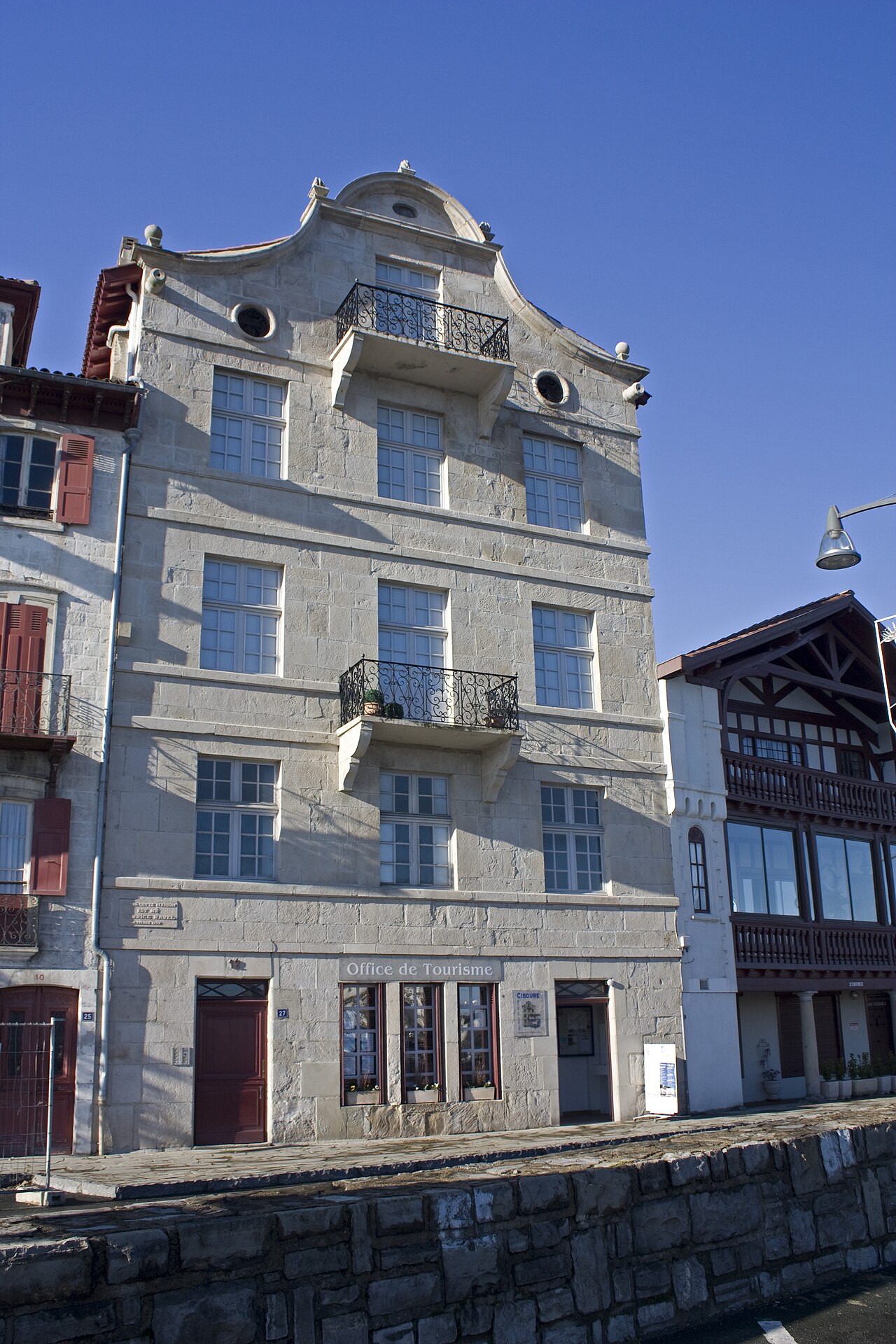
Maison natale de Maurice Ravel, Ciboure
17th century
 Document
Primary source
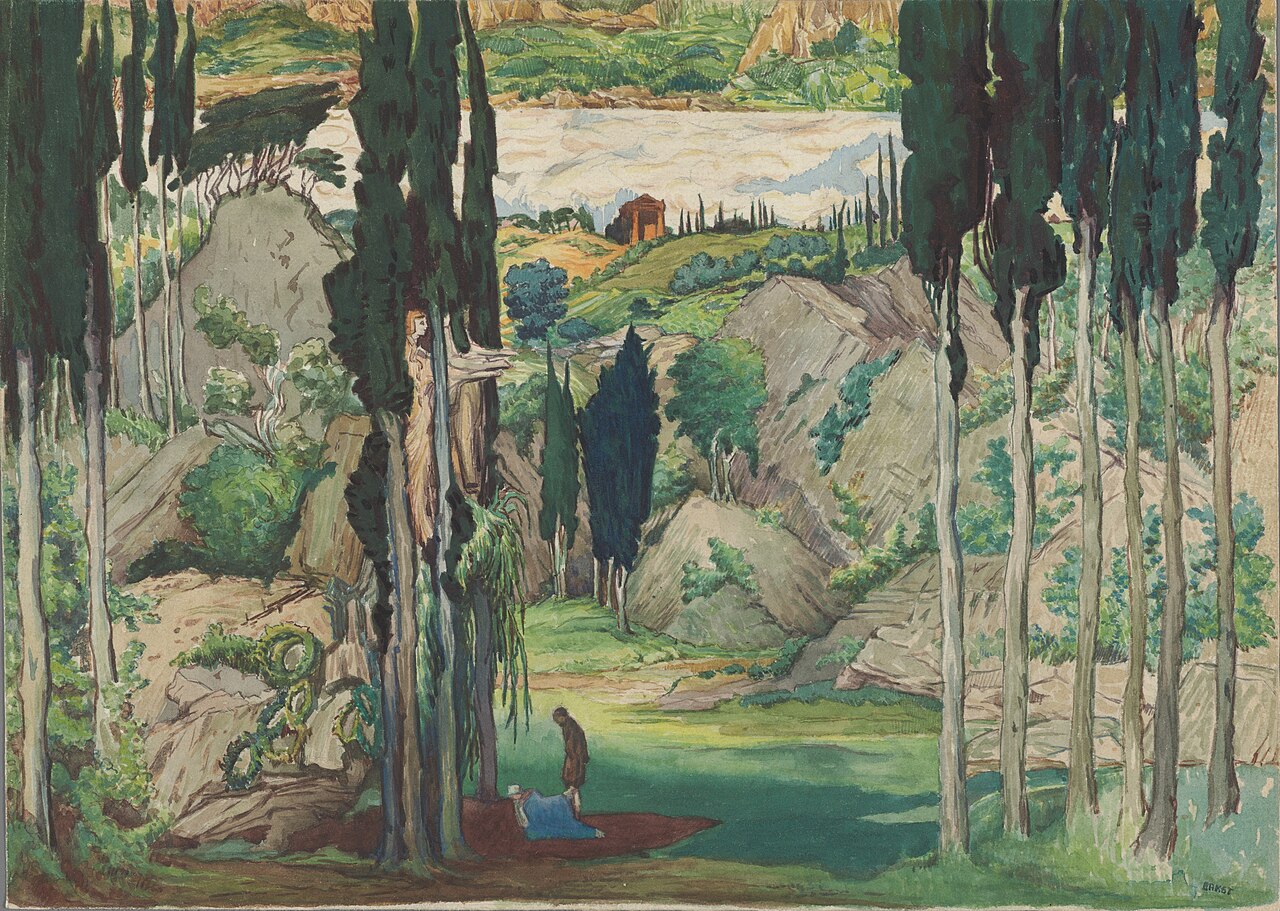
Daphnis et Chloé
Maurice Ravel · 1906–1912
 Document
Primary source
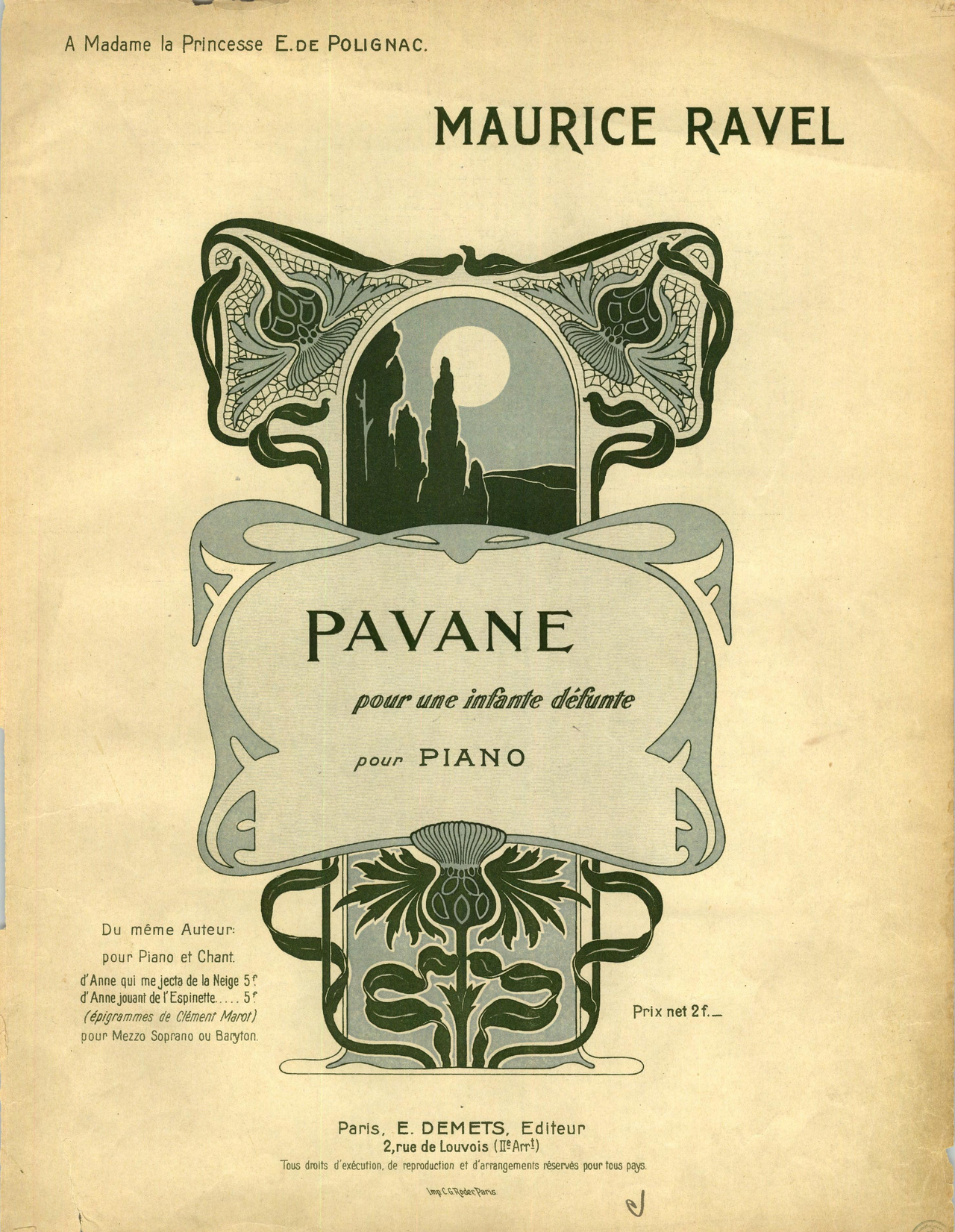
Pavane pour une infante défunte
Maurice Ravel · 1899
Free account
Read every Maurice Ravel source
Sign up free →
Ready when you are
Start chatting with Maurice Ravel now.
20 messages free · No credit card · Available in 50+ languages.