


Primary sourceDocumentc. 257 BCE
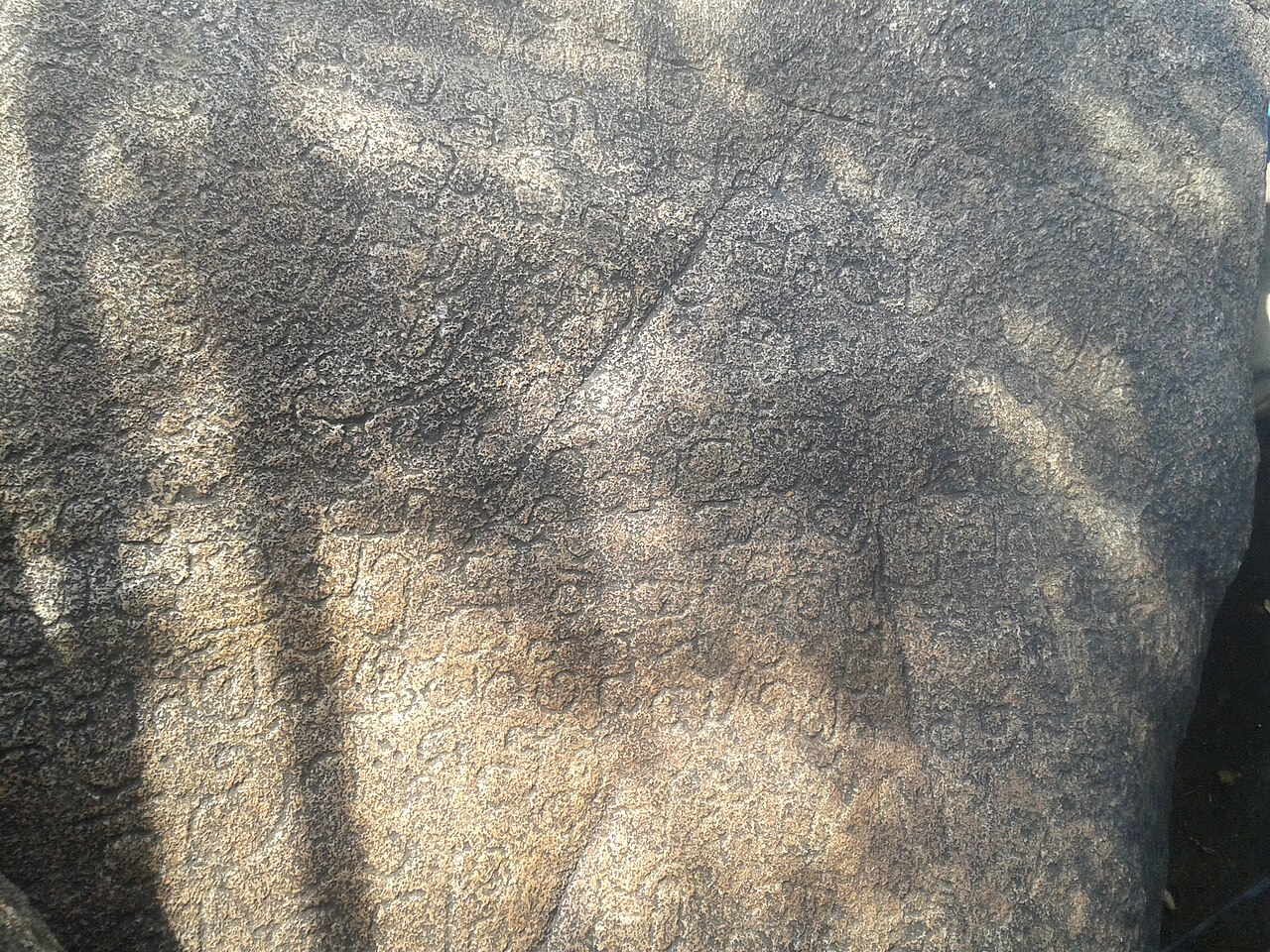
Major Rock Edicts
Ashoka · c. 257 BCE
A set of 14 rock inscriptions in which Ashoka describes his beliefs and rule, including his remorse over the Kalinga War.
These are Ashoka's own inscribed words, describing his wars, remorse, and the moral rule he wished to establish.
Free Humy account · No credit card · 120,912 sources to read
About this source
What it is
The Major Rock Edicts are 14 inscriptions carved into rock faces at several sites across India, issued in the name of a ruler called "Devanampriya Priyadasi" who is generally identified with the Mauryan emperor Ashoka. They were made around the mid-200s BCE and are among the earliest dated rock inscriptions by any Indian monarch. Different edicts survive at different sites in India.
Why it matters
These texts are the main evidence for Ashoka's turn toward dhamma (moral conduct) after the bloody conquest of Kalinga, and they show him addressing not only his own officials but also neighbouring rulers, including the Greek king Antiochus II. They give historians rare first-hand words from an ancient Indian emperor, rather than later legend.
Look closer
- Why might a ruler choose to carve his beliefs into rock instead of writing them on paper or cloth?
- What does the edict about killing animals suggest about how Ashoka wanted to be seen by his people?
- Whose voice is missing from a ruler's own account of a war he started?
This document is part of the curated material that grounds the AI version of Ashoka the Great on Humy.ai — when students ask about related events, the AI can quote it and cite it.
More Ashoka the Great sources
Browse all 98 →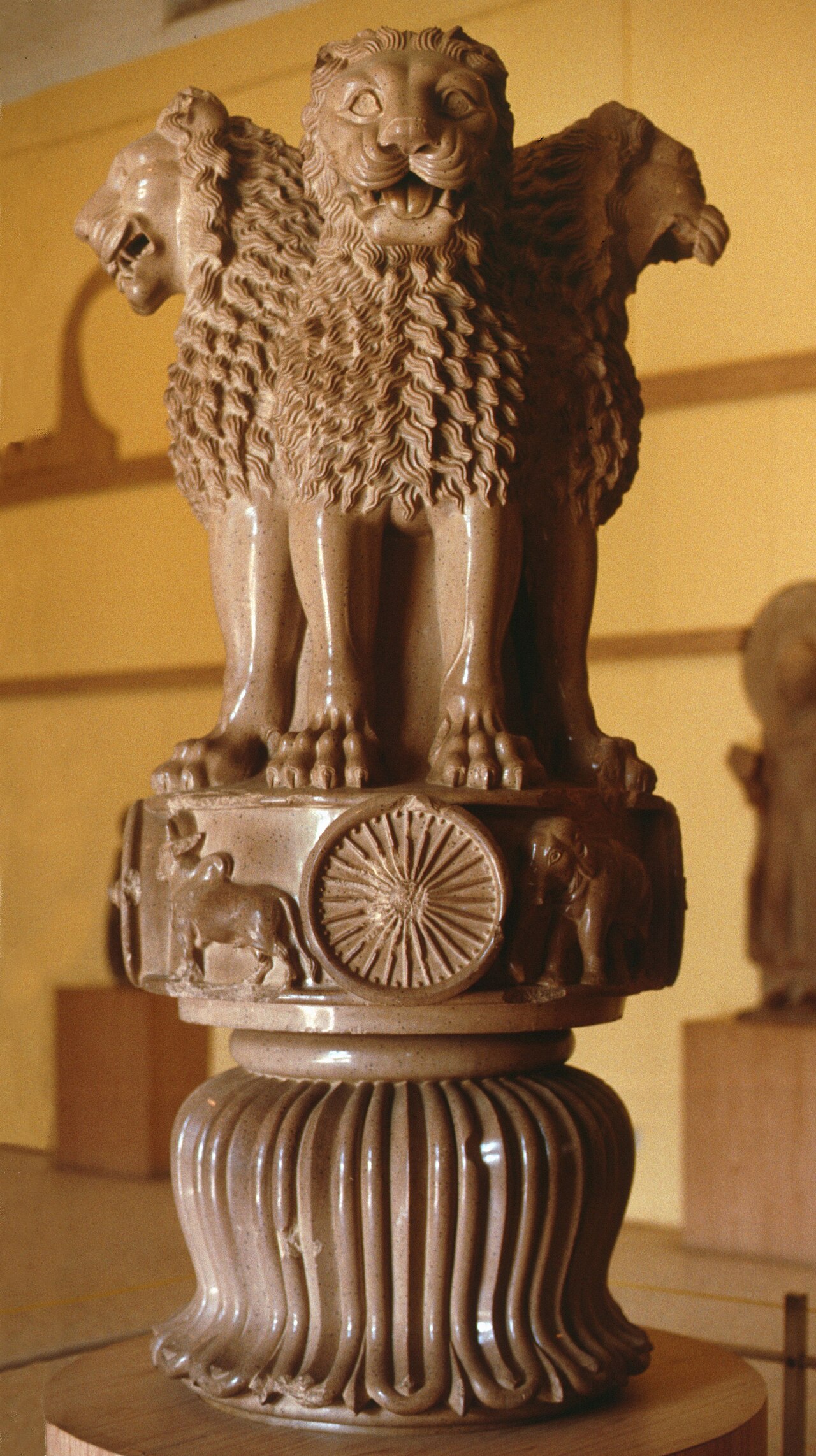 Sculpture
Secondary source
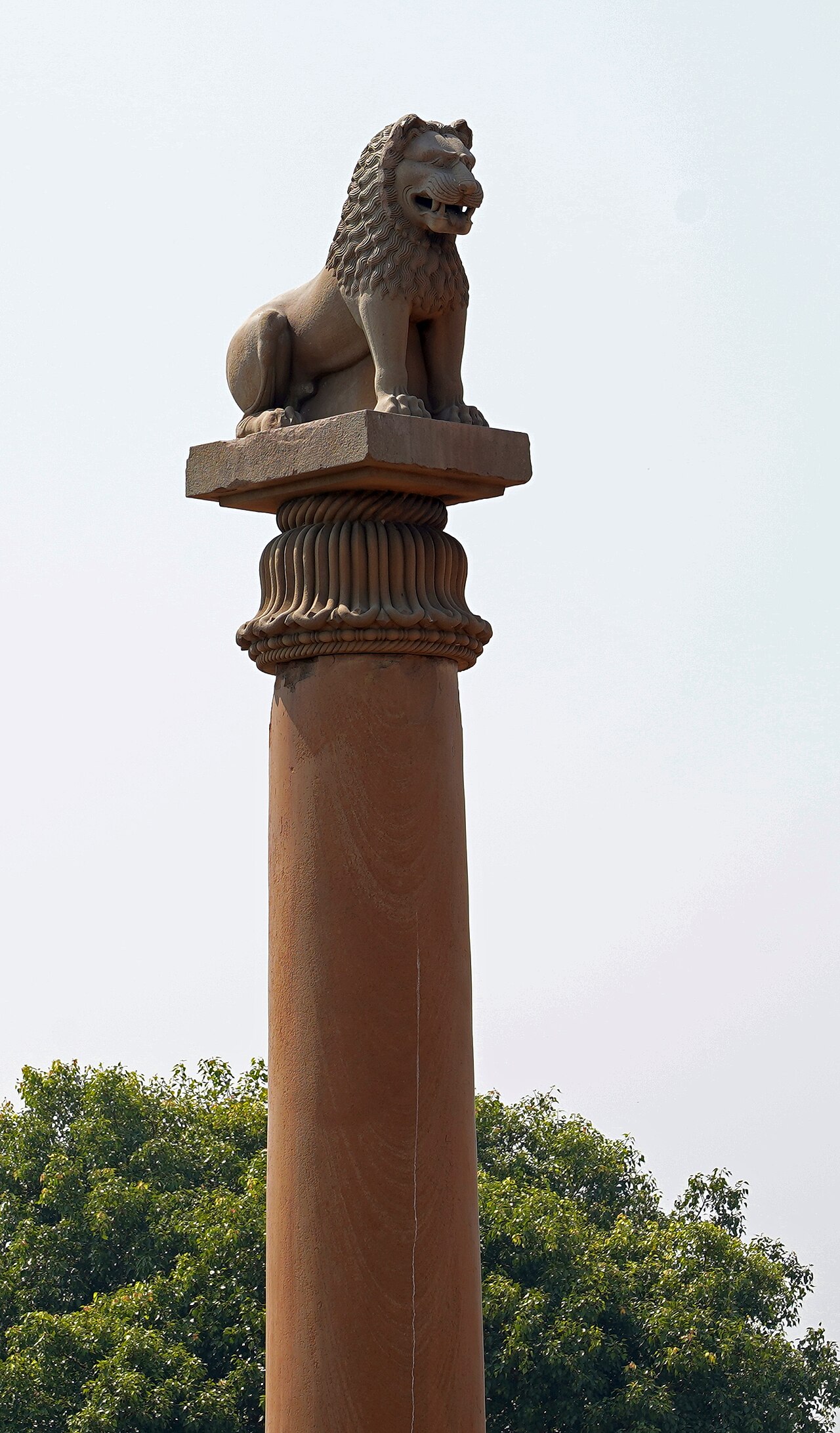
Lion Capital of Ashoka
Commissioned by Ashoka · c. 250 BCE
 Artifact
Secondary source
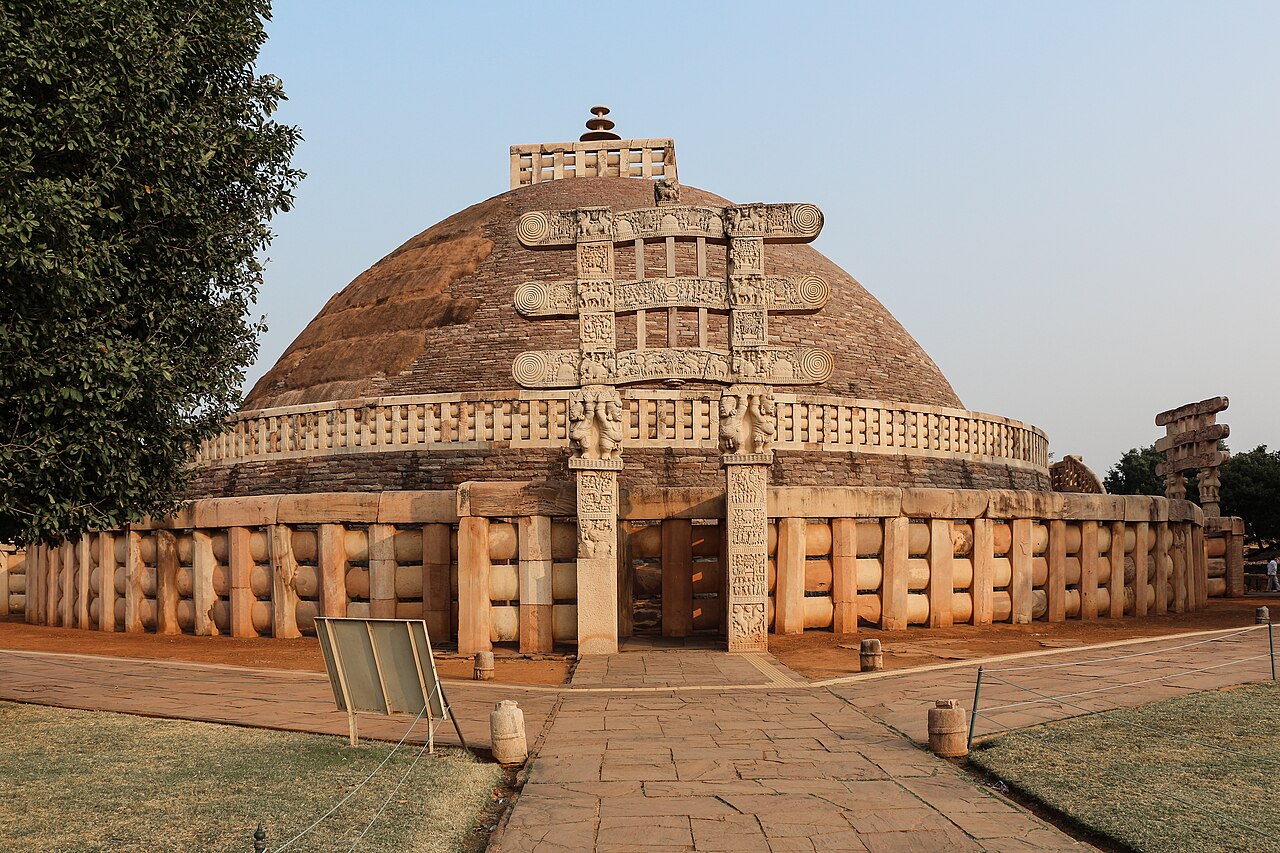
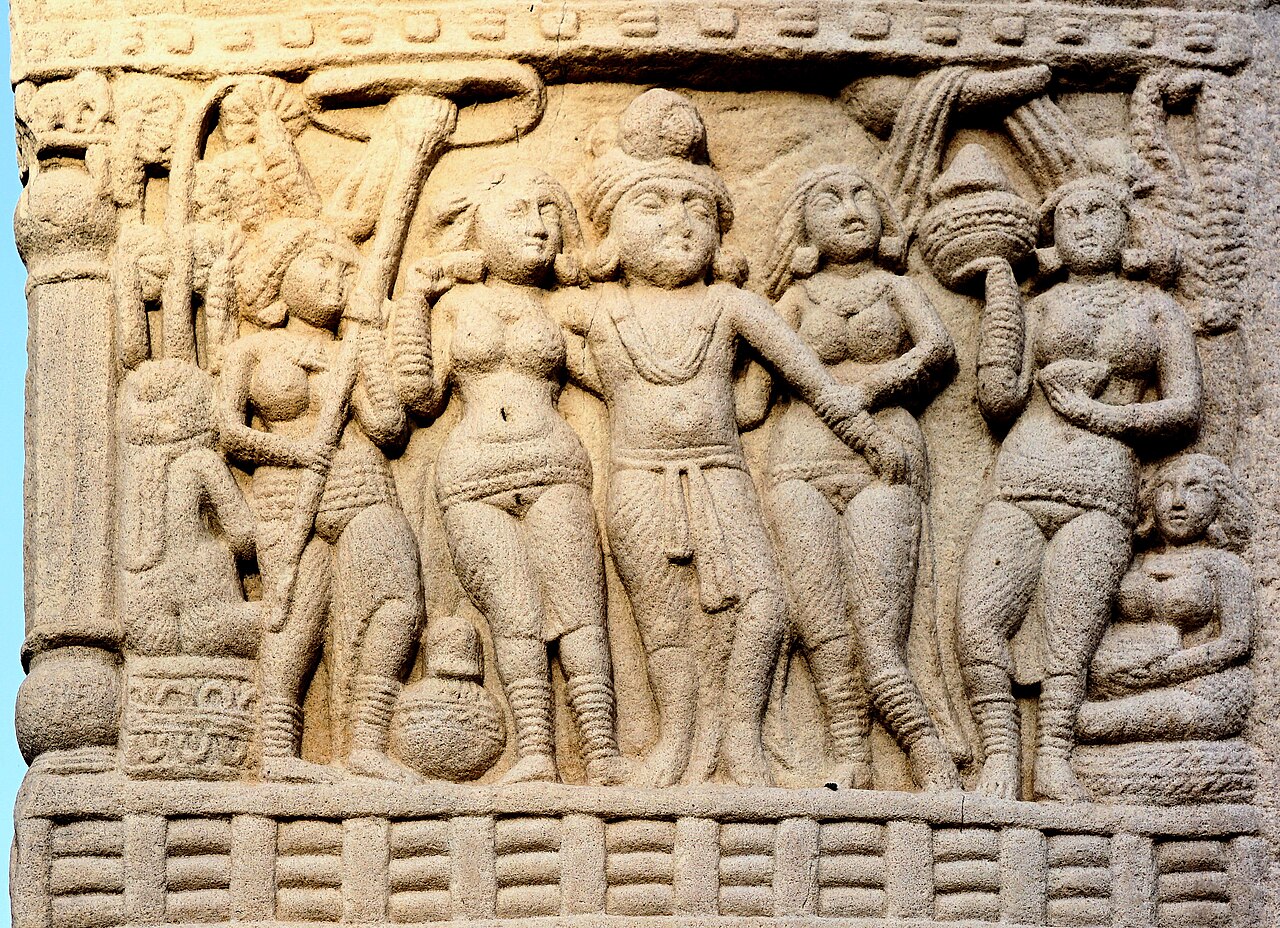
Sanchi Stupa
Commissioned by Ashoka · 3rd century BCE onward
 Document
Primary source
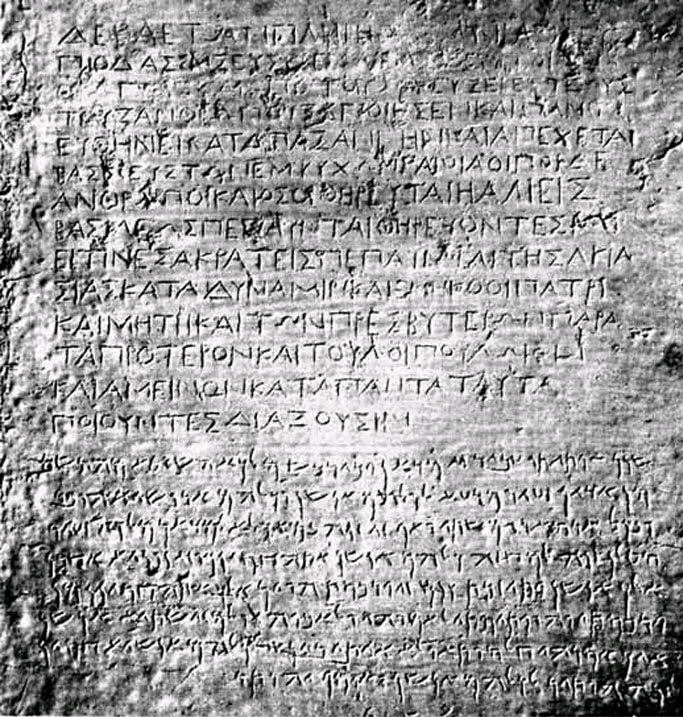
Kandahar Bilingual Rock Inscription
Ashoka · c. 260 BCE
 Document
Secondary source
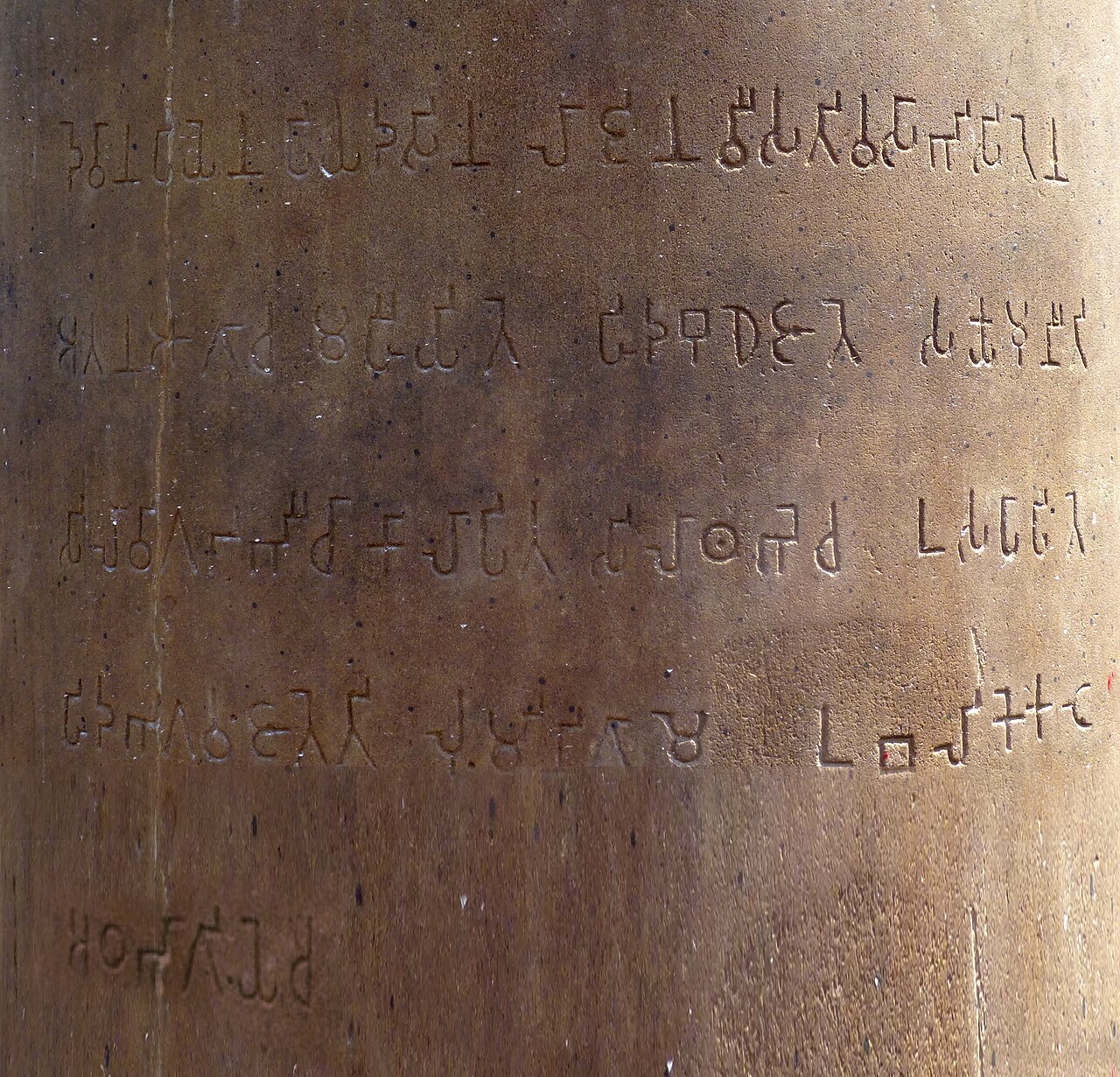
Lumbini Pillar Inscription
Ashoka · c. 249 BCE
Free account
Read every Ashoka the Great source
Sign up free →
Ready when you are
Start chatting with Ashoka the Great now.
20 messages free · No credit card · Available in 50+ languages.