


Secondary sourceDocumentc. 249 BCE
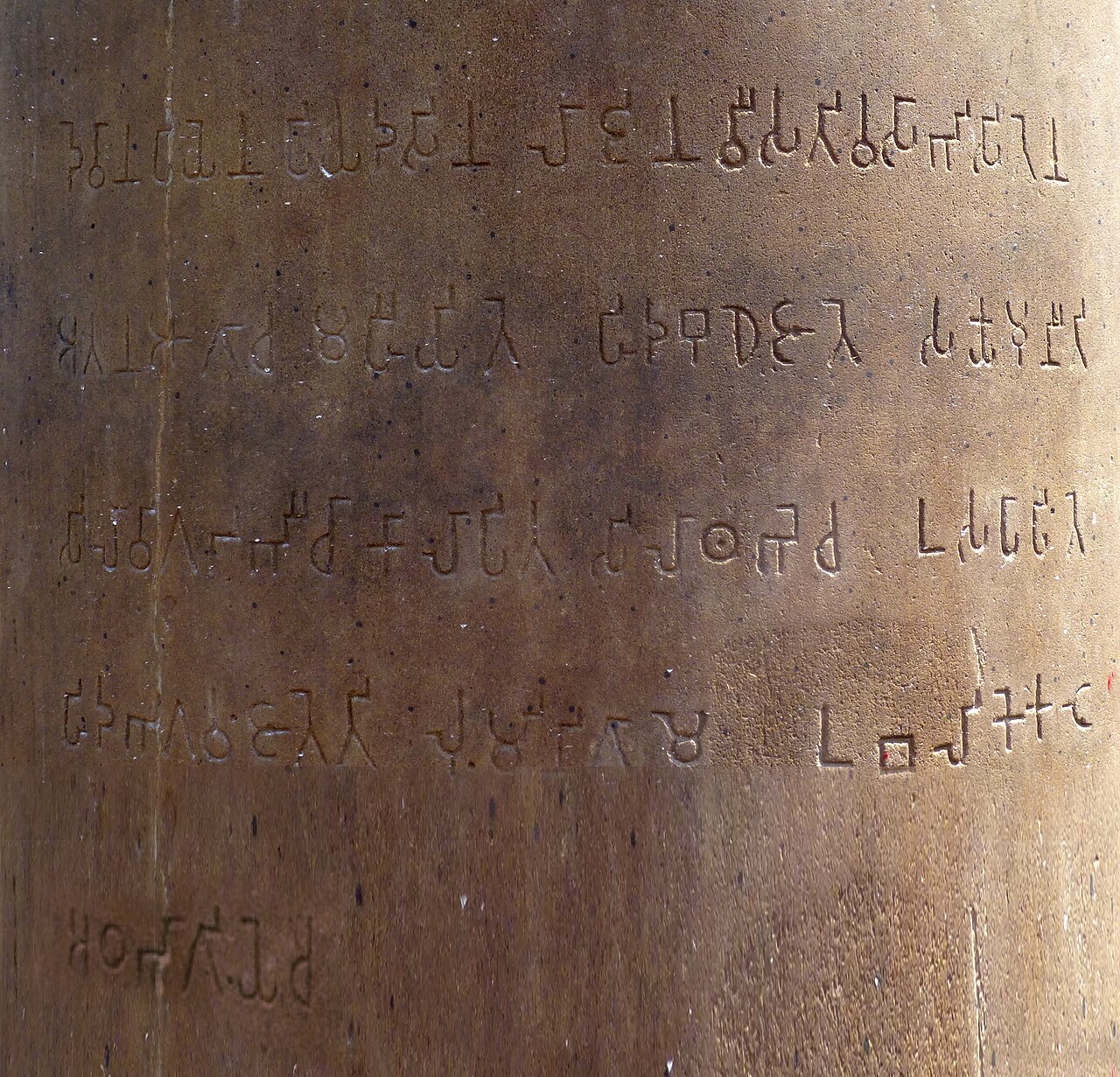
Lumbini Pillar Inscription
Ashoka · c. 249 BCE
An inscription set up by Emperor Ashoka marking the spot where the Buddha was said to have been born, the earliest physical evidence for his life.
This inscription, set up by Ashoka, is the earliest physical evidence identifying the Buddha's birthplace.
About this source
What it is
This inscription, written in Brahmi script, was placed on a pillar at Lumbini, Nepal, by the Mauryan emperor Ashoka around 249 BCE. It records his visit to the place and identifies it as the birthplace of the Buddha. The pillar was rediscovered in December 1896, buried underground beneath later additions.
Why it matters
This is the earliest physical evidence locating the Buddha's life to a real place, set up roughly two centuries after Ashoka says the Buddha was born there. It shows how Ashoka, a powerful later ruler who converted to Buddhism, used inscriptions and monuments to mark and promote sites connected to the Buddha's life.
Look closer
- Why would a later emperor want to mark the birthplace of a religious teacher who had died long before?
- What problems come from relying on evidence created centuries after the events it describes?
- How does archaeological discovery, centuries later, shape what we think we know about the Buddha?
This document is part of the curated material that grounds the AI version of Buddha on Humy.ai — when students ask about related events, the AI can quote it and cite it.
More Buddha sources
Meet the AI Buddha →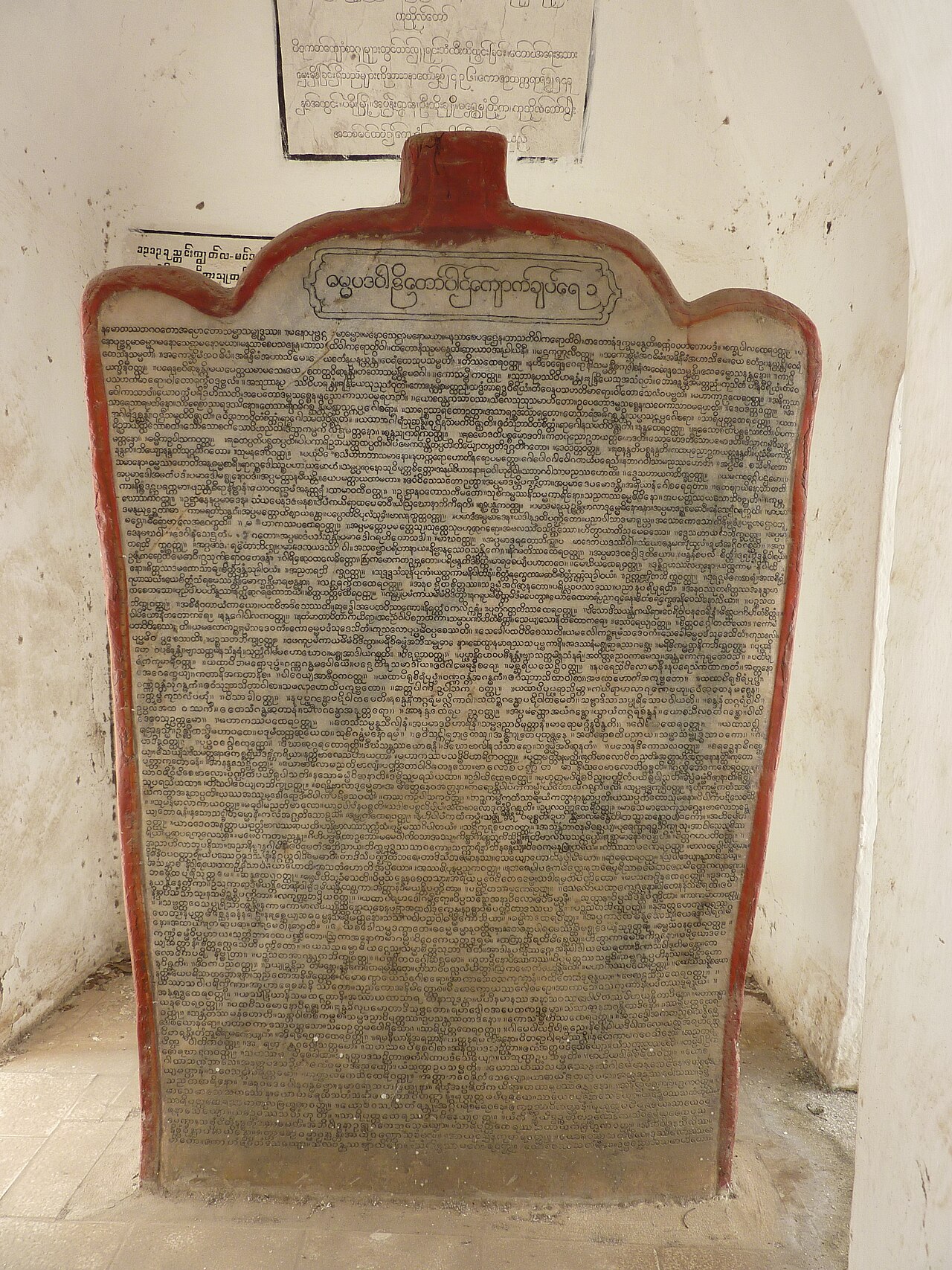 Book
Secondary source
Dhammapada
Attributed to the Buddha · c. 3rd century BCE compilation
 Painting
Secondary source
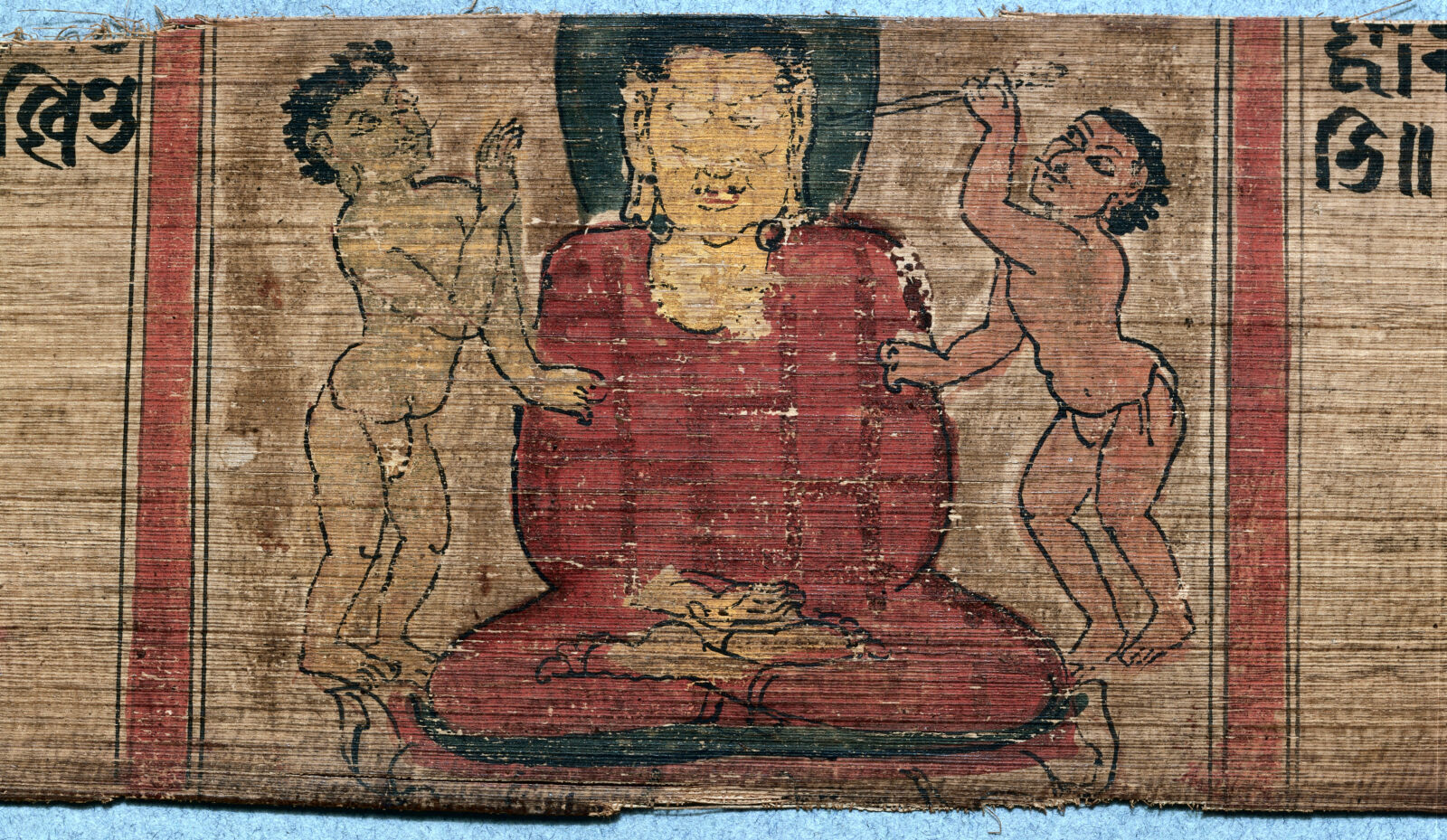
Buddha in Dhyana, Perfection of Wisdom Sutra Manuscript
1074
 Sculpture
Secondary source
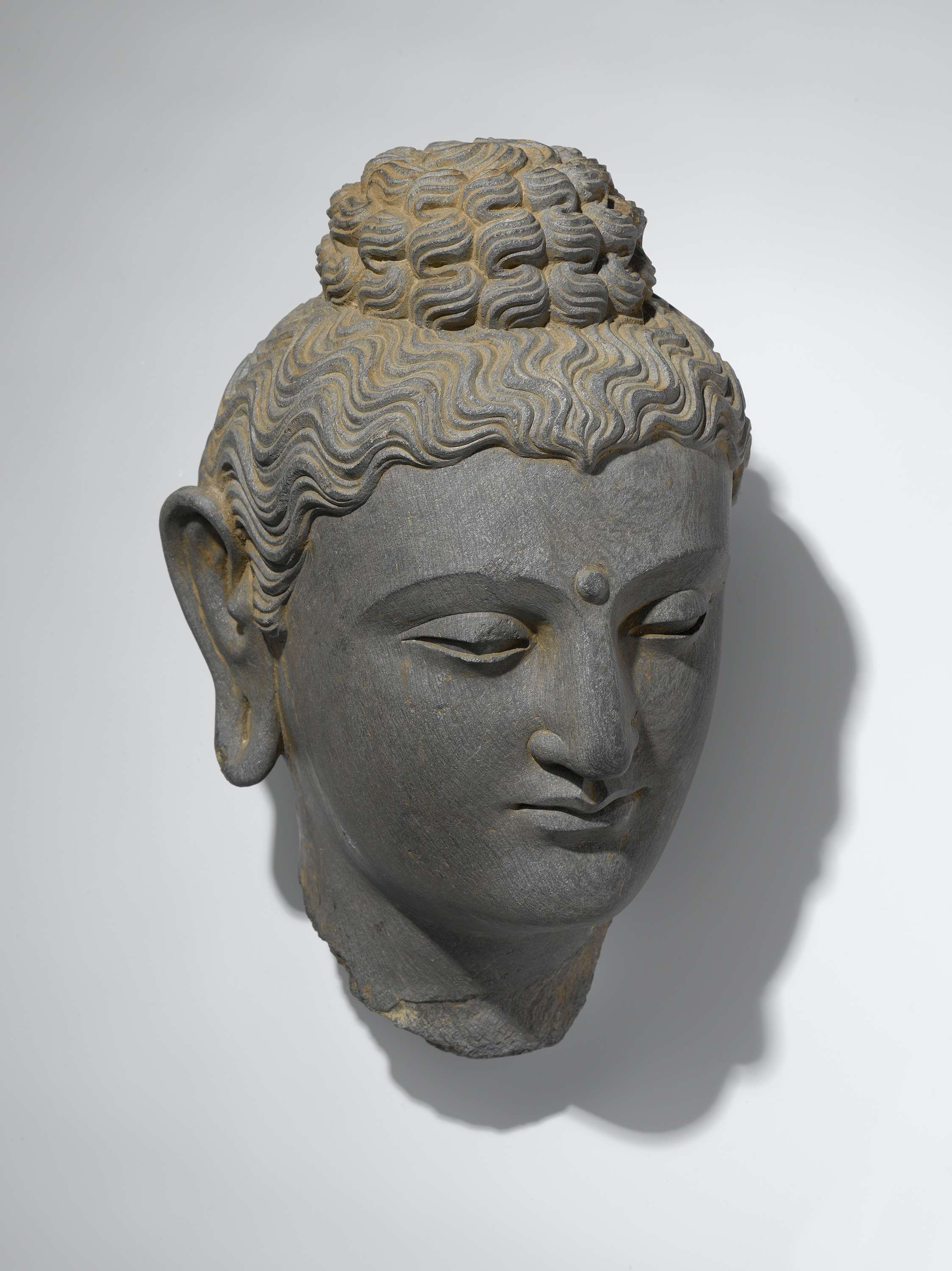
Head of the Buddha, Gandhara style
 Book
Secondary source
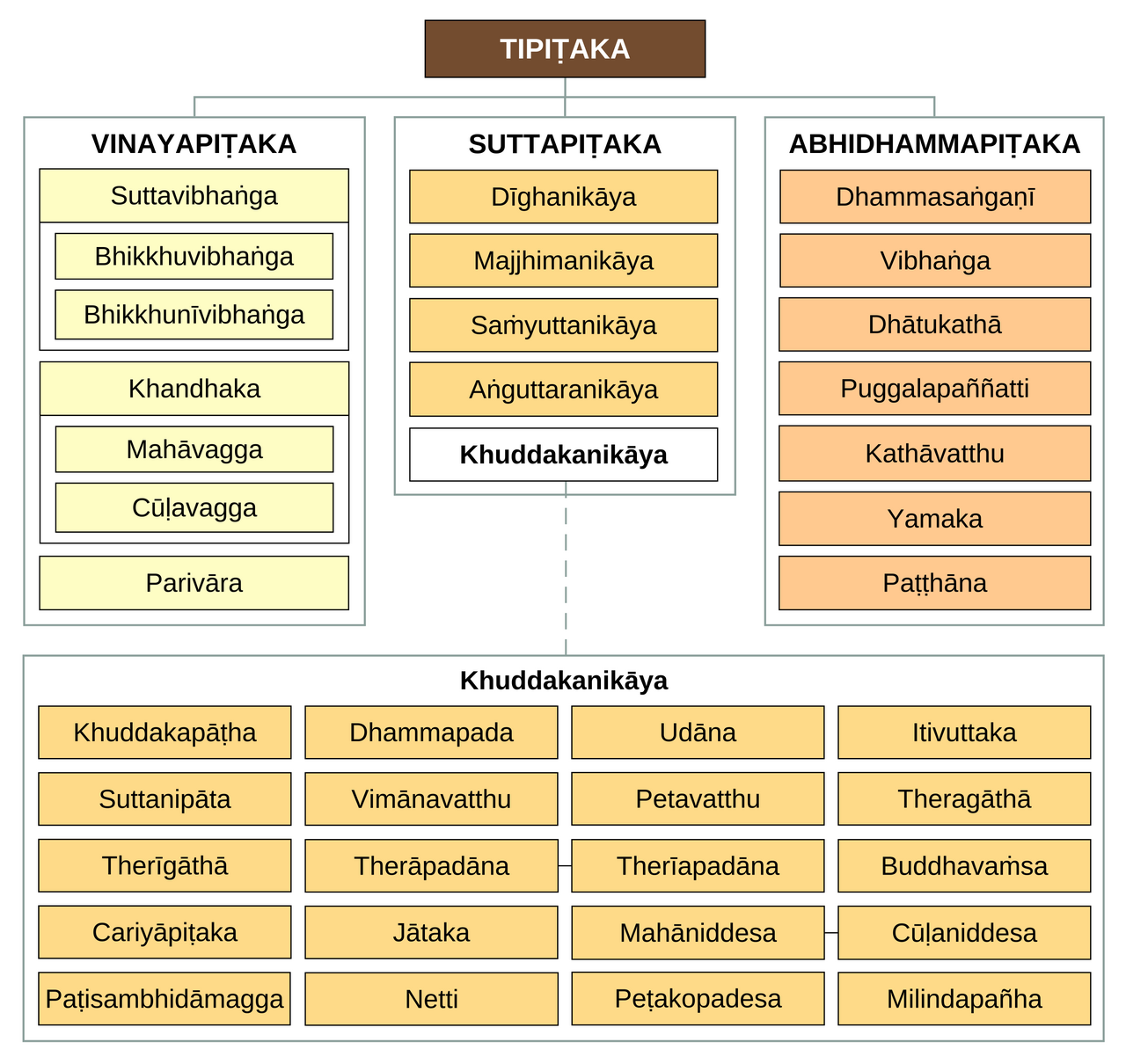
Pali Canon (Tipitaka)
Early Buddhist sangha · oral from 5th century BCE; written c. 29 BCE
 Document
Secondary source
Life of the Buddha
19th century
Ready when you are
Start chatting with Buddha now.
20 messages free · No credit card · Available in 50+ languages.