


Secondary sourceArtifact3rd century BCE onward
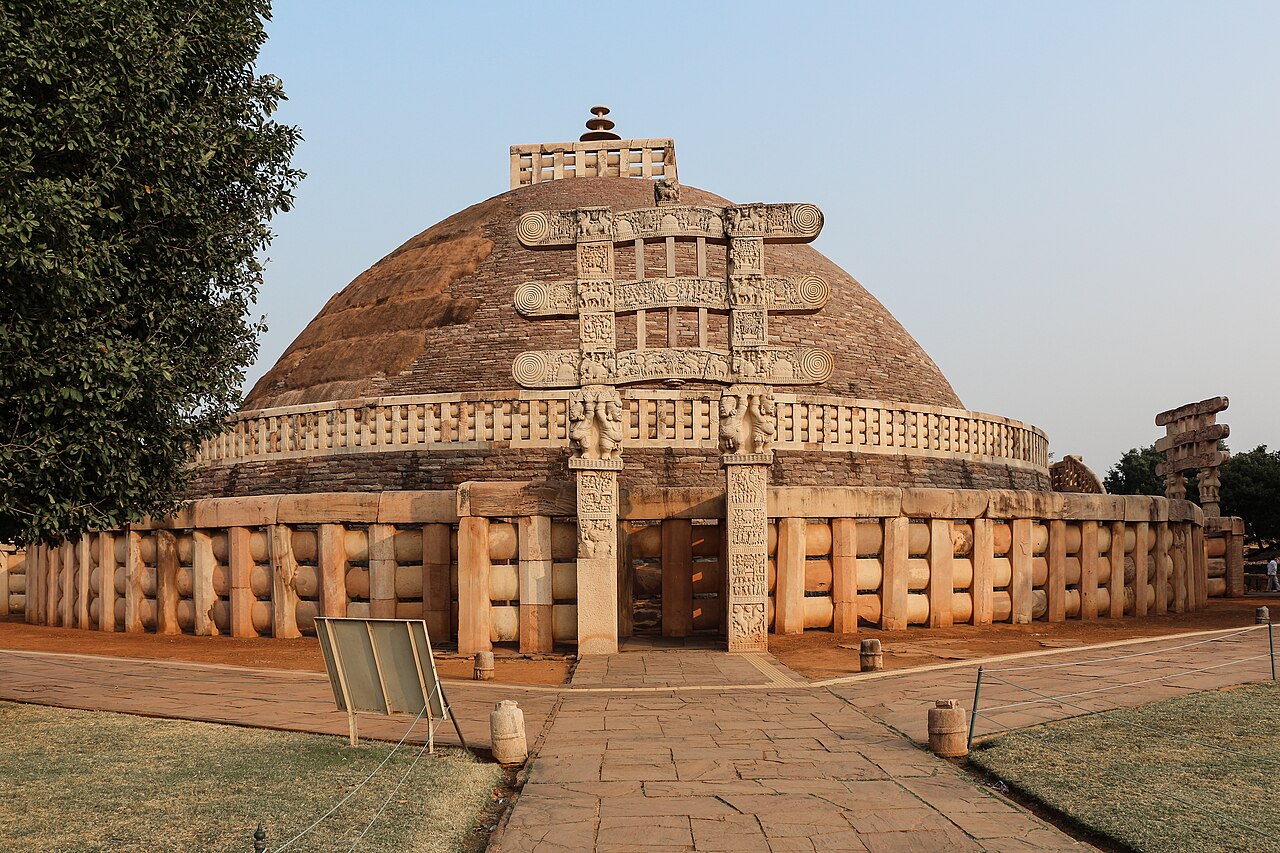
Sanchi Stupa
Commissioned by Ashoka · 3rd century BCE onward
A Buddhist monument built over relics of the Buddha, whose carved gateways show his life through symbols rather than his image.
This monument, built over relics of the Buddha, narrates his life through symbols rather than direct images.
About this source
What it is
Sanchi is a Buddhist complex in Madhya Pradesh, India, centred on the Great Stupa, originally built by the Mauryan emperor Ashoka in the 3rd century BCE over relics of the Buddha. Later, in the 1st century BCE, carved gateways and a railing were added around the structure. The site remained in use for centuries afterward.
Why it matters
Sanchi shows how the Buddha's life and teaching were represented before images of him as a person became common: he appears instead as symbols like a tree, a wheel, footprints, or an empty throne. Built and expanded under Ashoka and later rulers, the site reveals how later generations honoured and retold the Buddha's story in stone.
Look closer
- Why might early Buddhist art avoid showing the Buddha's face or body directly?
- What do the chosen symbols (a tree, a wheel, footprints) suggest about how the Buddha was remembered?
- How does a monument built centuries after someone's life shape the story people tell about them?
This artifact is part of the curated material that grounds the AI version of Buddha on Humy.ai — when students ask about related events, the AI can quote it and cite it.
More Buddha sources
Meet the AI Buddha →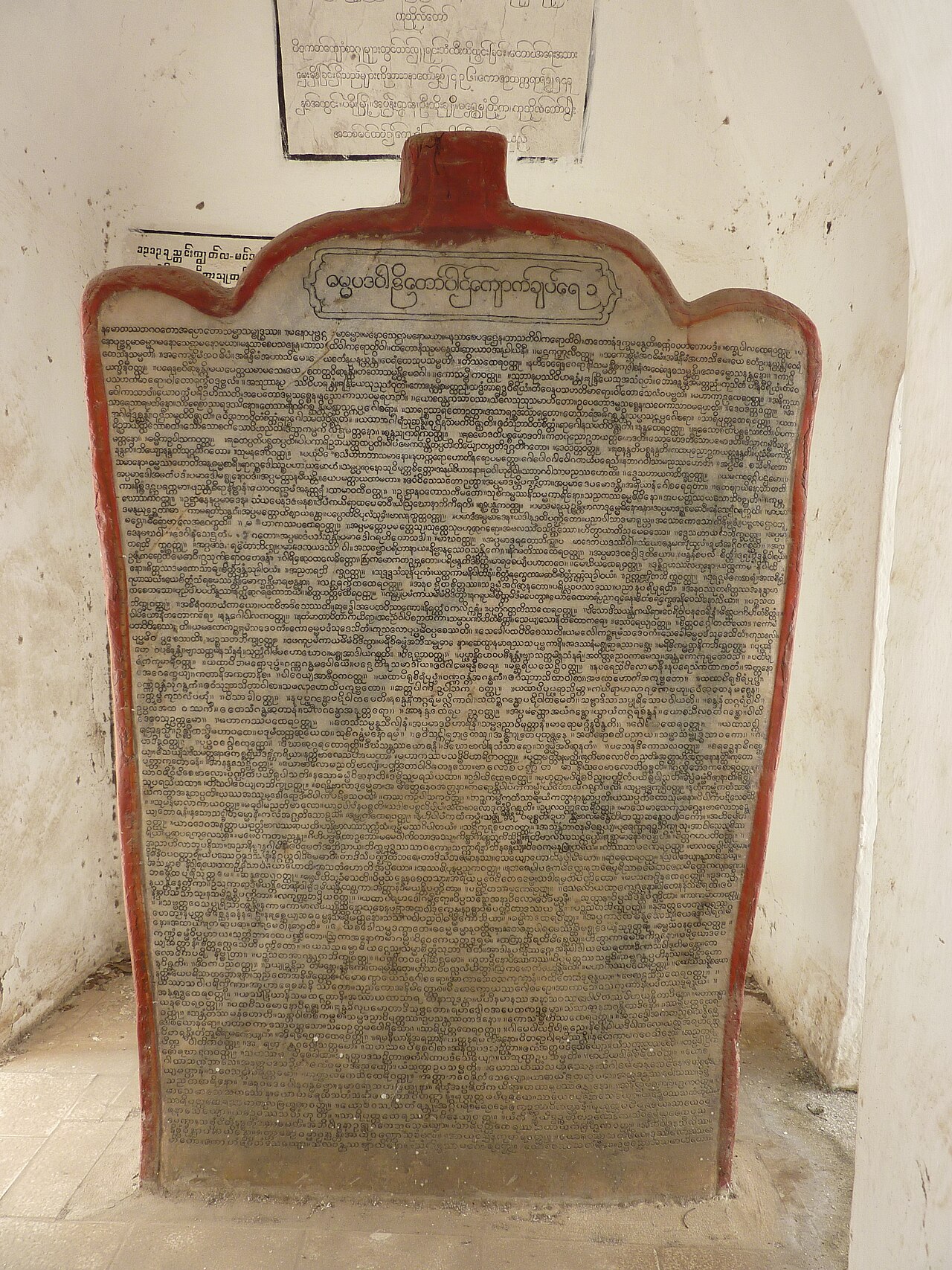 Book
Secondary source
Dhammapada
Attributed to the Buddha · c. 3rd century BCE compilation
 Painting
Secondary source
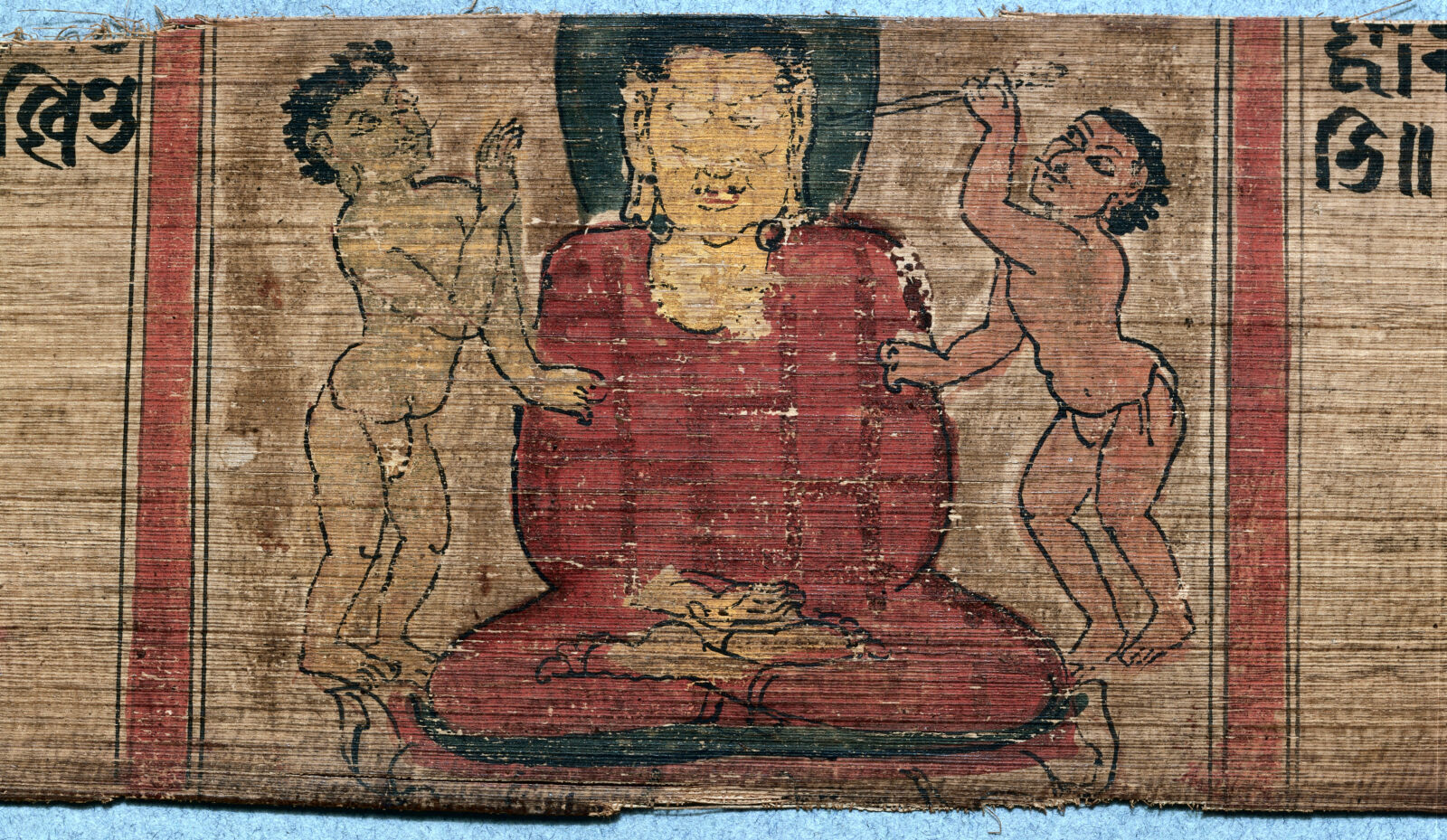
Buddha in Dhyana, Perfection of Wisdom Sutra Manuscript
1074
 Sculpture
Secondary source
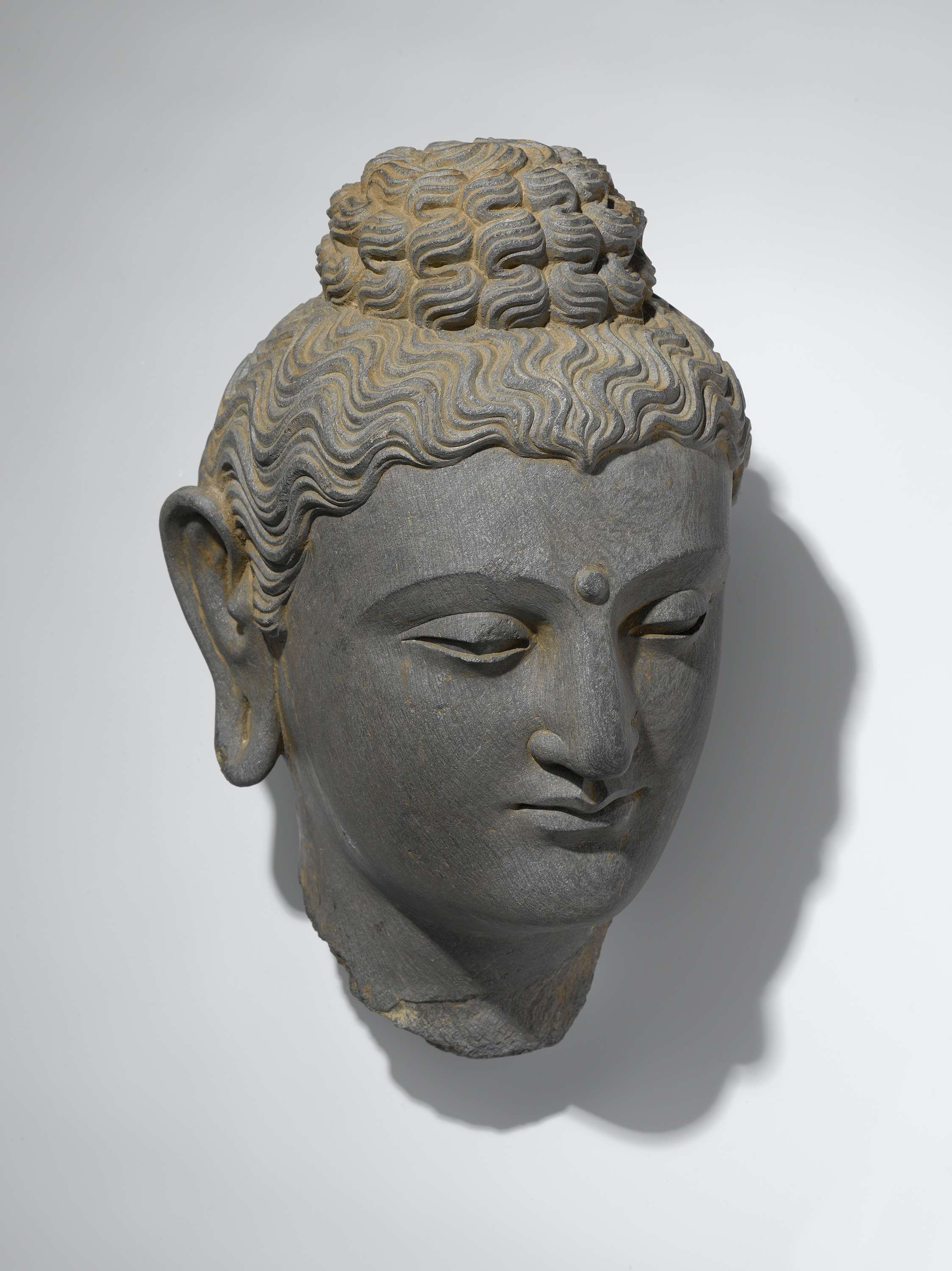
Head of the Buddha, Gandhara style
 Book
Secondary source
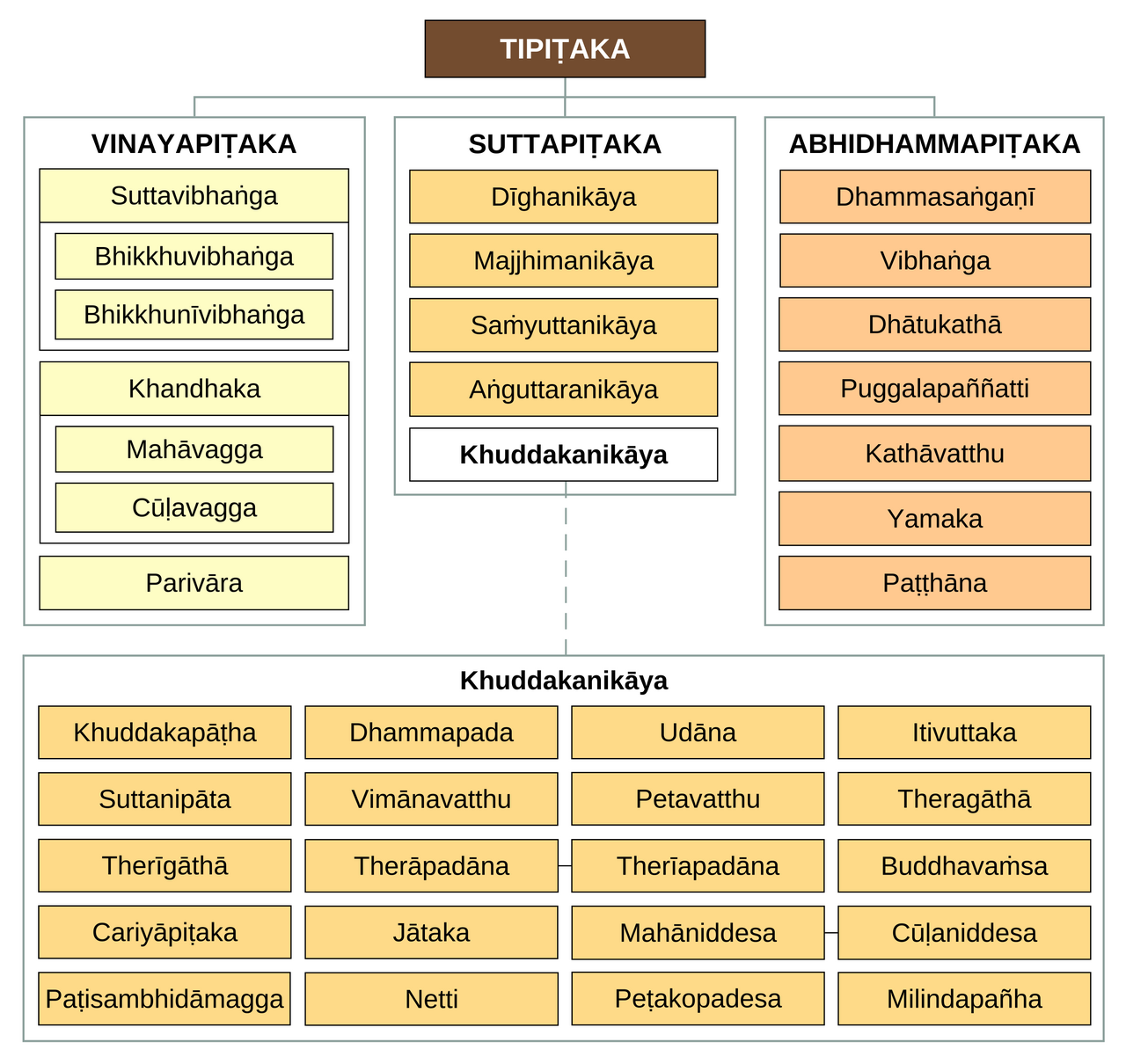
Pali Canon (Tipitaka)
Early Buddhist sangha · oral from 5th century BCE; written c. 29 BCE
 Document
Secondary source
Life of the Buddha
19th century
Ready when you are
Start chatting with Buddha now.
20 messages free · No credit card · Available in 50+ languages.