


Primary sourceSculpturec. 1330 BCE
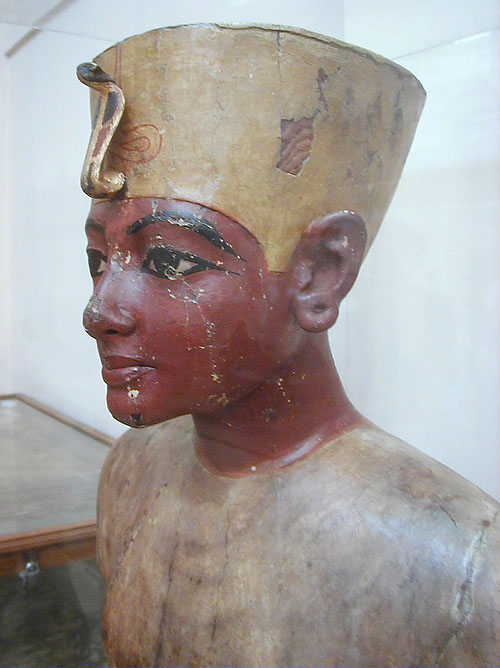
Mannequin Bust of Tutankhamun
c. 1330 BCE
A painted wooden bust of Tutankhamun from his tomb, possibly used as a stand for displaying his clothing or jewellery.
This bust, found in his tomb, depicts Tutankhamun himself and may have been used to display his own clothing or jewellery.
About this source
What it is
This painted wooden bust was found among the objects in Tutankhamun's tomb and depicts the young king wearing the royal nemes headcloth with a gold uraeus cobra at the brow. It dates to around the 14th century BCE and is now held at the Egyptian Museum in Cairo.
Why it matters
The bust may have served a practical purpose, acting as a mannequin on which the king's garments or jewellery were fitted or displayed. It gives a sense of the royal image makers wanted to project and the personal items that surrounded Tutankhamun even in death.
Look closer
- Why might a king need a mannequin bust among his burial goods?
- What does the careful painting of the face suggest about how the king wanted to be remembered?
- What might be missing from this object that would help us know more about how it was actually used?
This sculpture is part of the curated material that grounds the AI version of Tutankhamun on Humy.ai — when students ask about related events, the AI can quote it and cite it.
More Tutankhamun sources
Meet the AI Tutankhamun →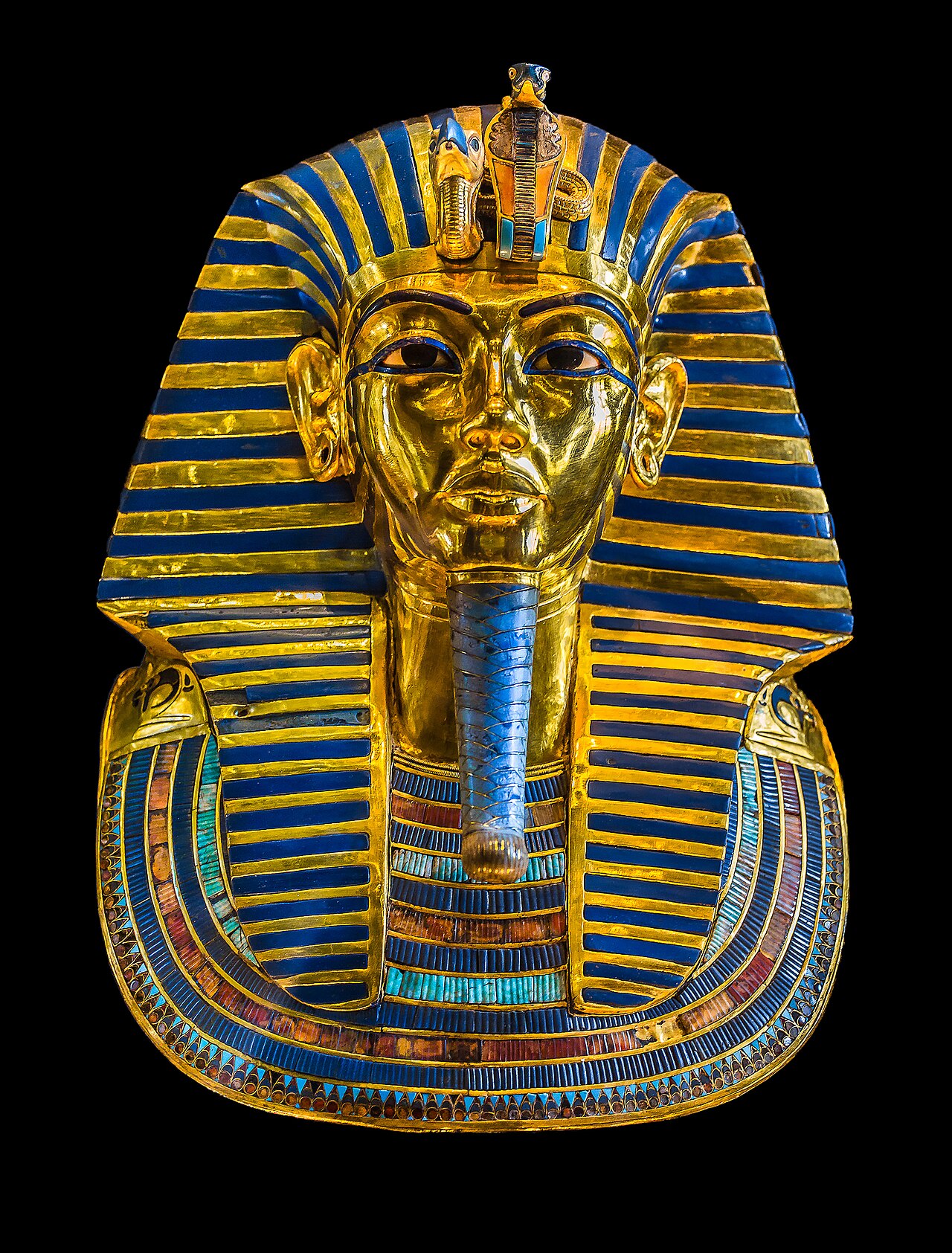 Artifact
Primary source
Mask of Tutankhamun
c. 1333 BCE
 Photograph
Primary source
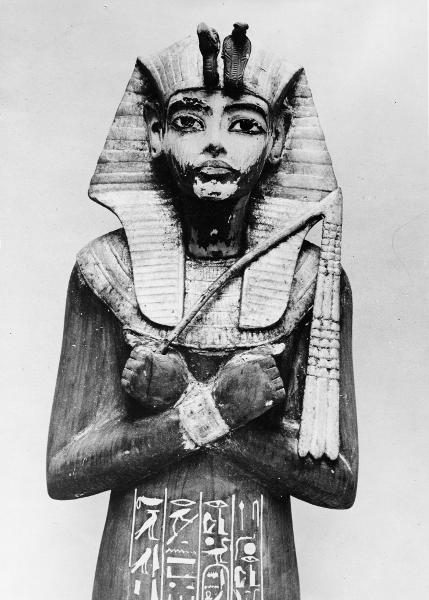
Photograph of Tutankhamun's Shawabti Figure
Harry Burton · 1920s
 Artifact
Primary source
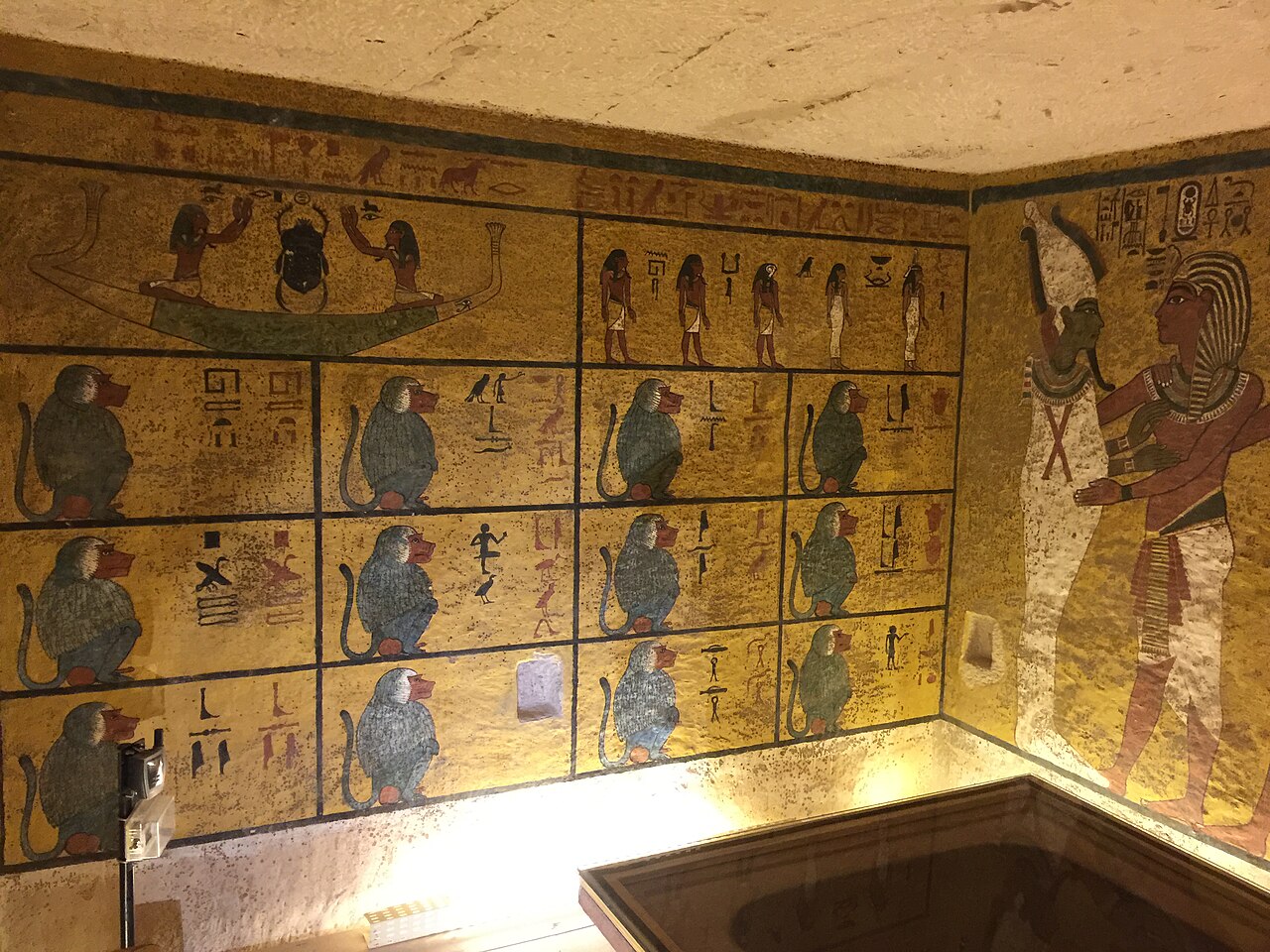
Tomb of Tutankhamun
14th century BCE
 Photograph
Primary source
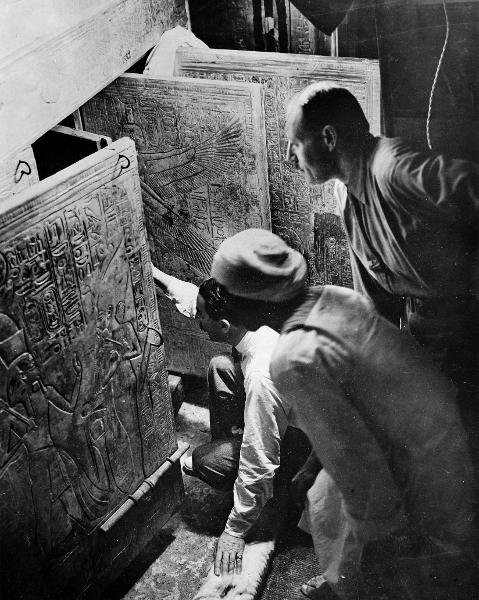
Opening the Doors of the Fourth Shrine in Tutankhamun's Tomb
Harry Burton · 1920s
 Document
Primary source
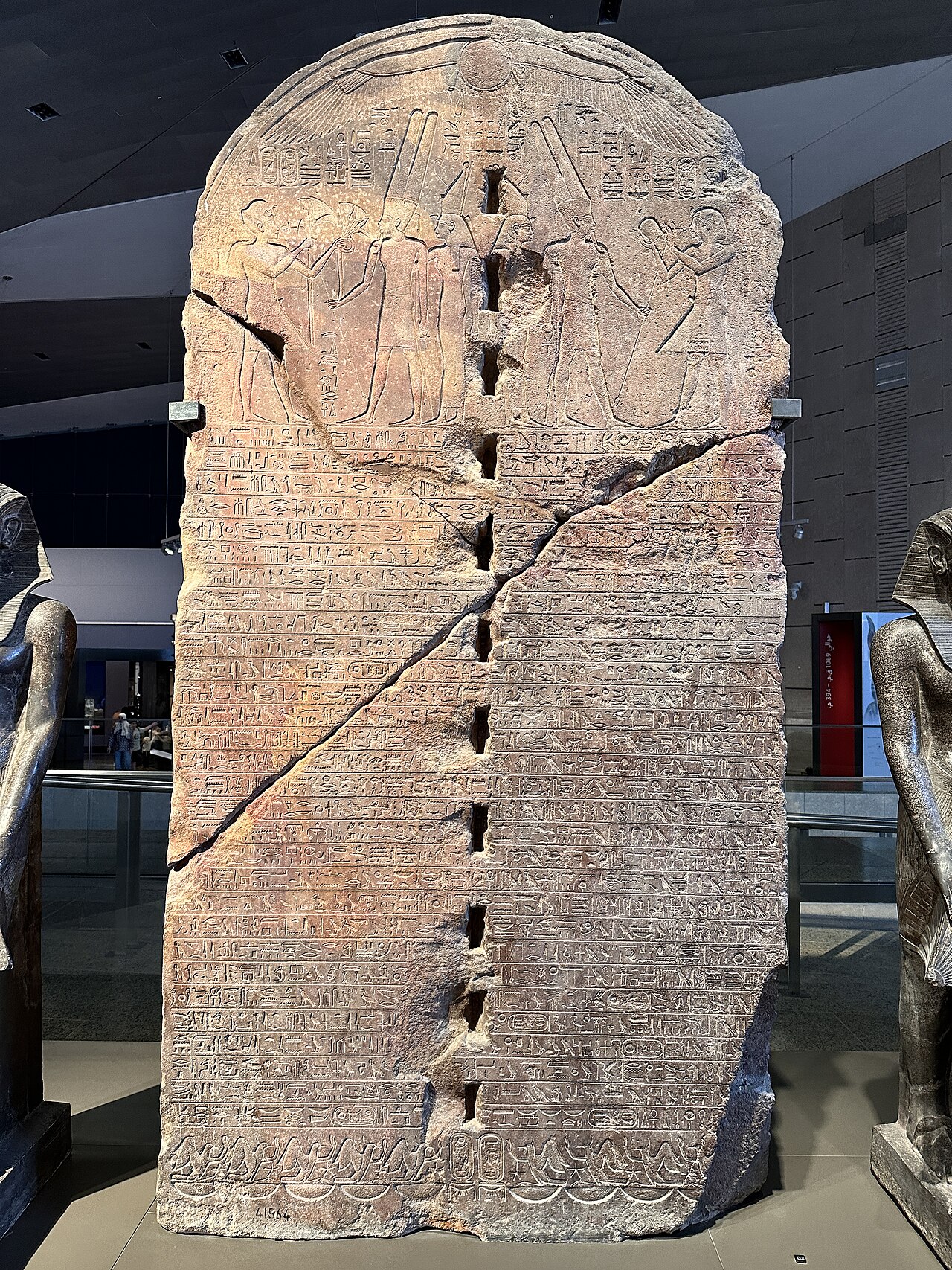
Restoration Stela
Tutankhamun · c. 1326 BCE
Ready when you are
Start chatting with Tutankhamun now.
20 messages free · No credit card · Available in 50+ languages.