


Primary sourceSculpture1787
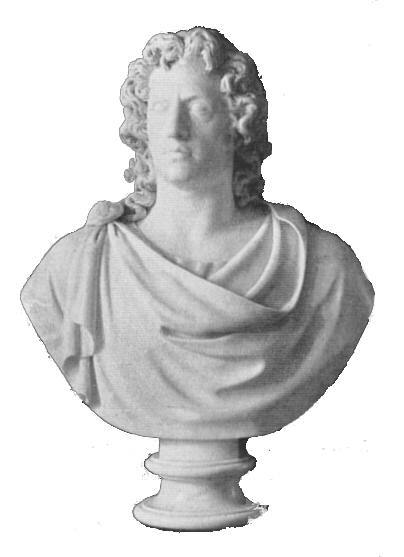
Marble bust of Goethe by Alexander Trippel
Alexander Trippel · 1787
A marble bust of Goethe made from life in Rome in 1787 by the sculptor Alexander Trippel, which Goethe himself approved of.
A bust of Goethe made from life, which he personally approved as an accurate likeness of himself.
About this source
What it is
This marble bust of Johann Wolfgang von Goethe was made in 1787 in Rome by the sculptor Alexander Trippel. A copy is held at the Landesbibliothek in Weimar. The photograph here shows the white marble bust, depicting a man with curly, shoulder-length hair wearing a draped cloak, set on a pedestal.
Why it matters
Because Goethe sat for this bust in person and said he was satisfied with the result, it is considered an accurate likeness of him during his lifetime. Goethe himself remarked that he had no objection to later generations believing this is what he looked like, showing how much he trusted the sculptor's work.
Look closer
- What details in the sculpture—hair, clothing, expression—do you think the artist chose to emphasize, and why?
- Why might Goethe's own approval of a portrait matter to later viewers?
- What might a sculpture show about a person that a painting or photograph cannot?
This sculpture is part of the curated material that grounds the AI version of Johann Wolfgang von Goethe on Humy.ai — when students ask about related events, the AI can quote it and cite it.
More Johann Wolfgang von Goethe sources
Meet the AI Johann Wolfgang von Goethe →Primary source
Faust
Johann Wolfgang von Goethe · drafted 1770s-1831
 Painting
Primary source
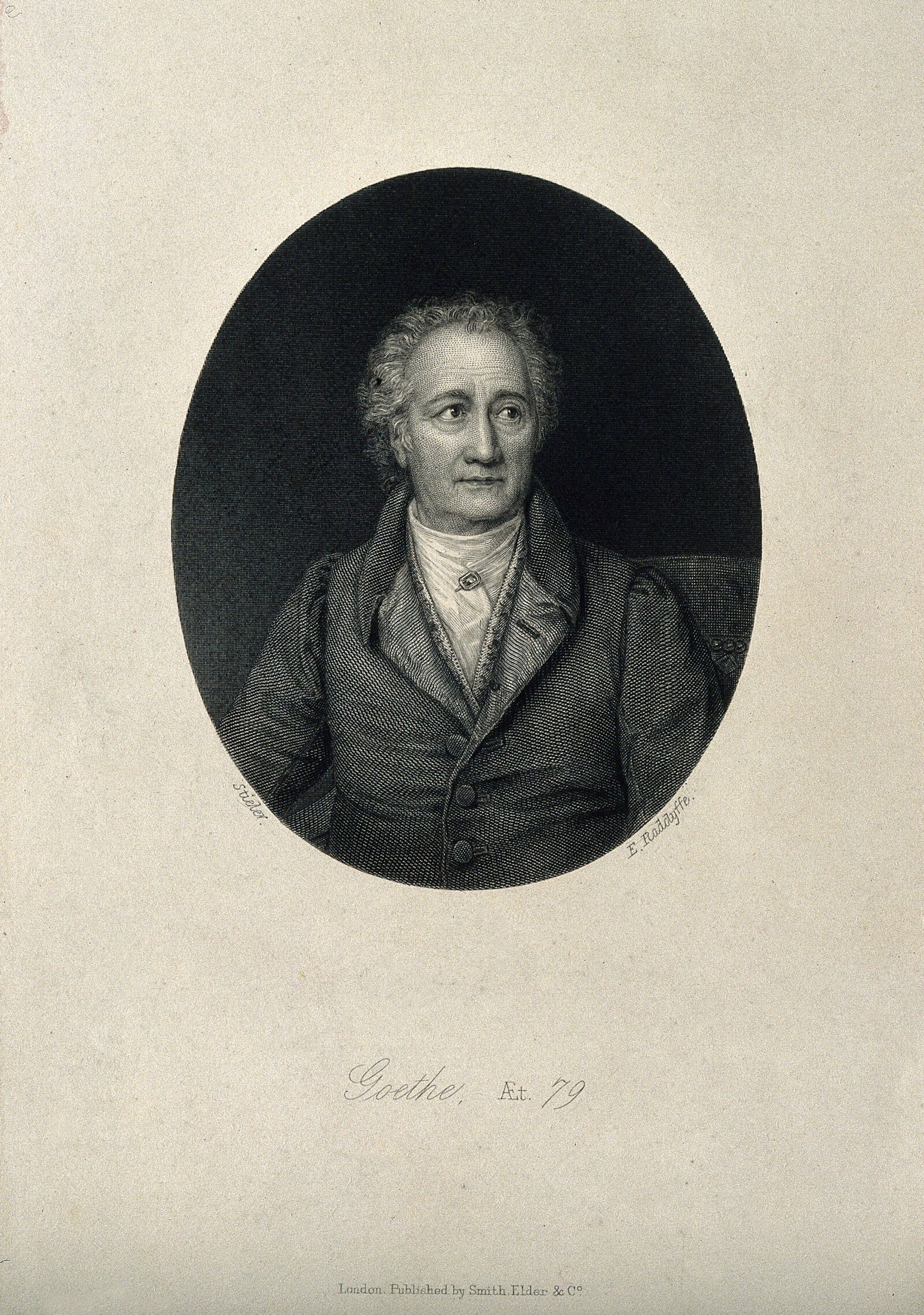
Goethe Line Engraving by Radclyffe after Stieler
E. Radclyffe after J. K. Stieler · 1828
 Book
Primary source
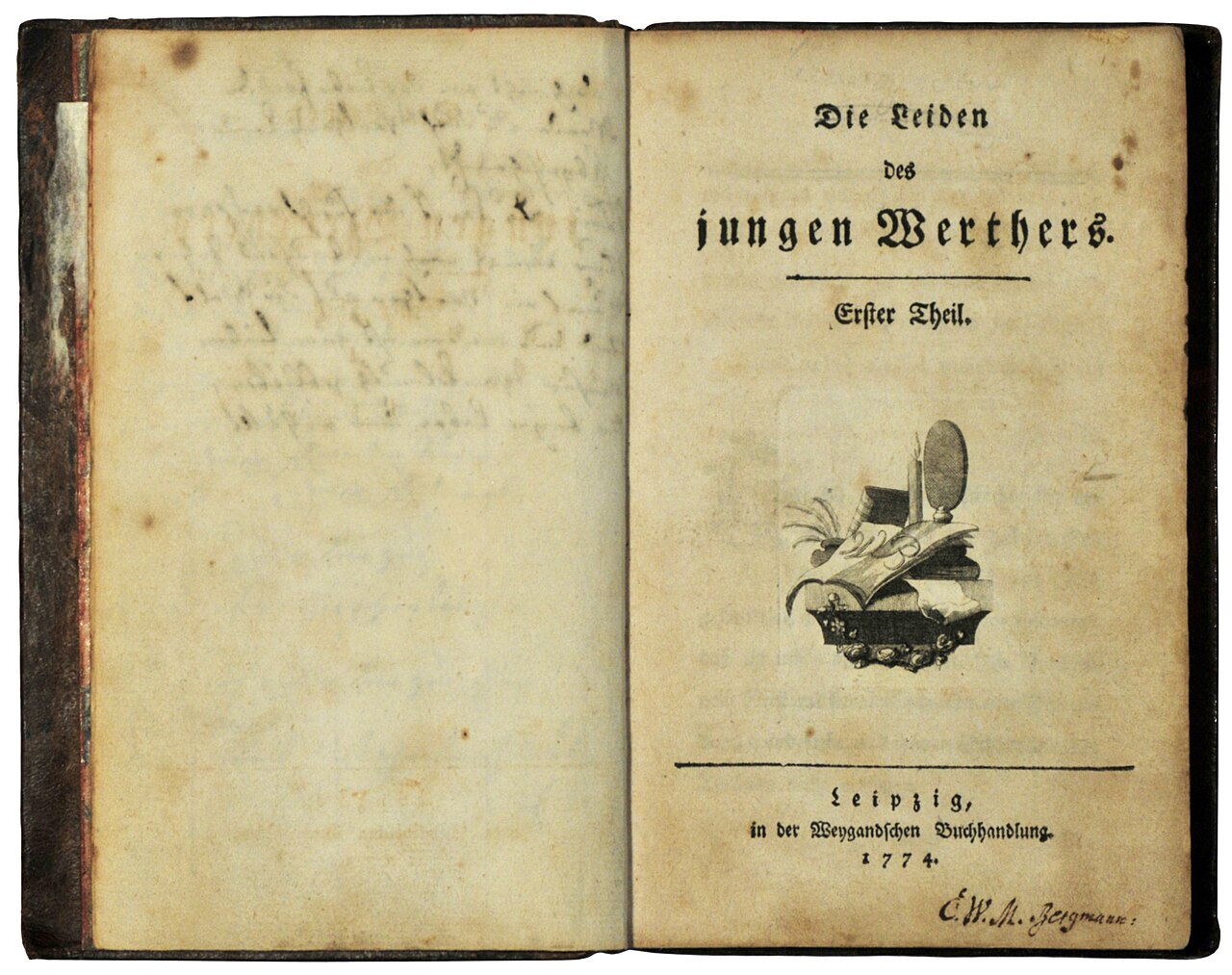
The Sorrows of Young Werther
Johann Wolfgang von Goethe · 1774
 Painting
Primary source
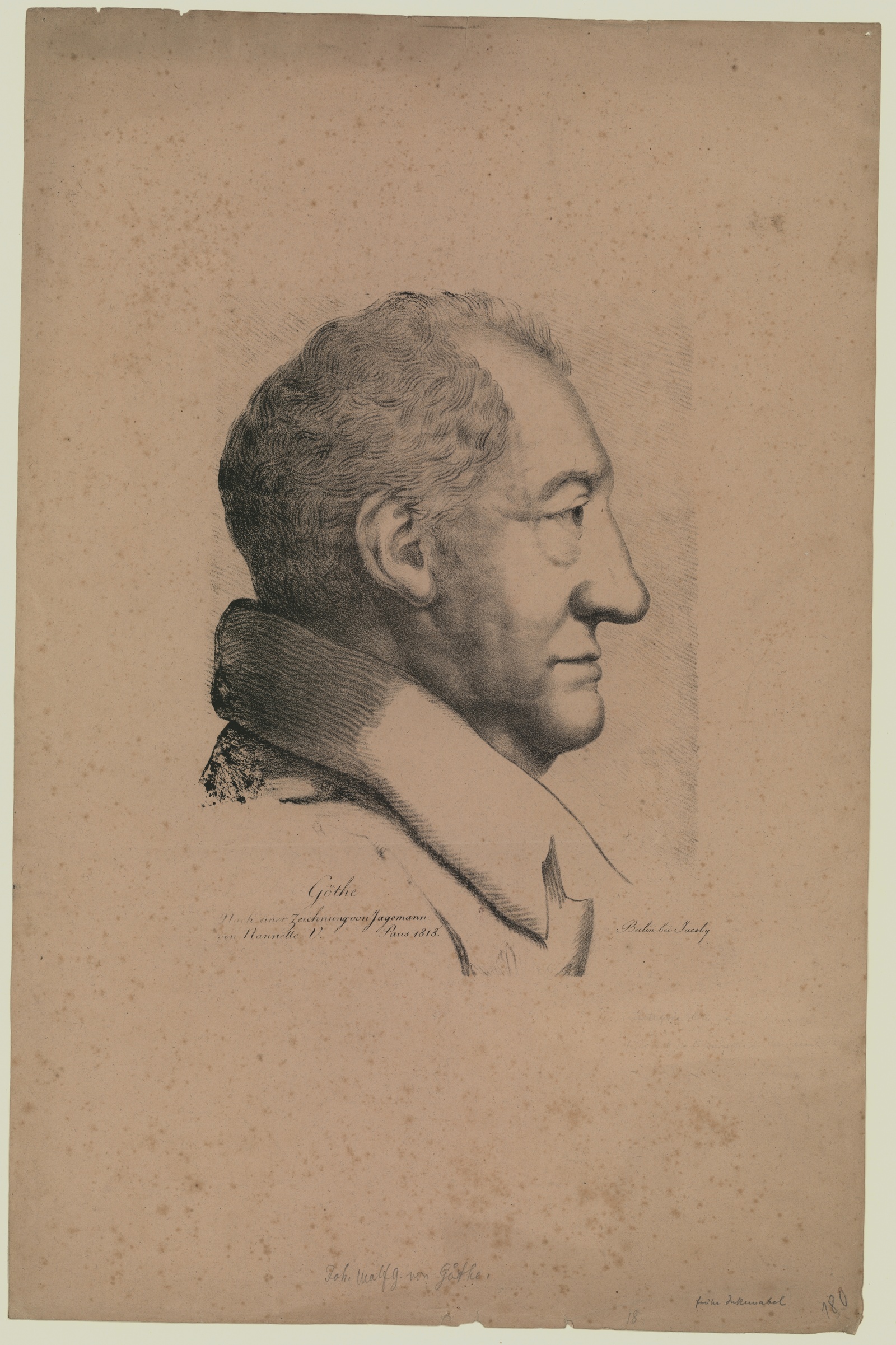
Lithograph Portrait of Goethe by Jagemann and Nanette
F. Jagemann and Nanette · c. 1818
Primary source
Der Erlkönig
Johann Wolfgang von Goethe · 1782
Ready when you are
Start chatting with Johann Wolfgang von Goethe now.
20 messages free · No credit card · Available in 50+ languages.