


Secondary sourceSculpture1730-1731
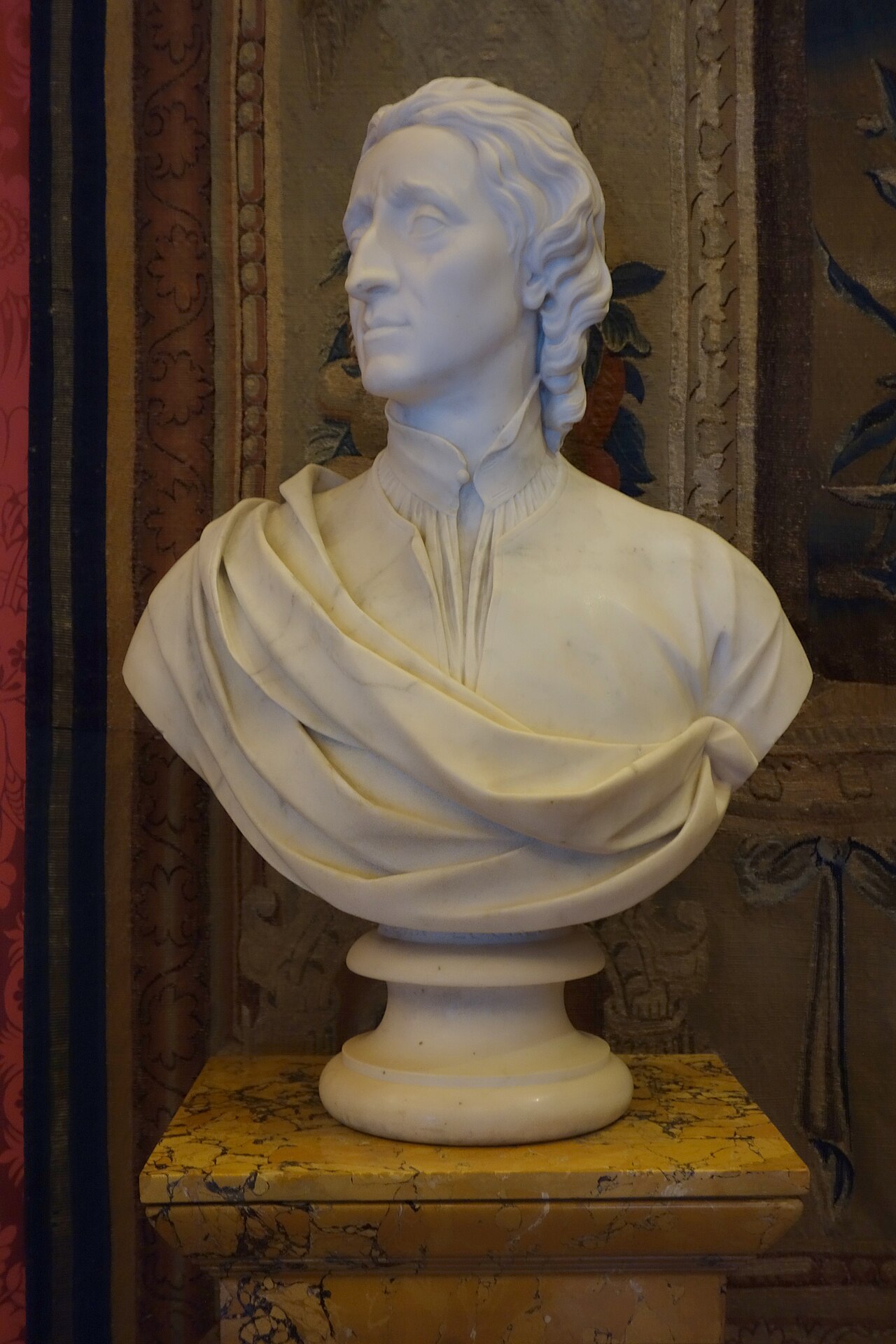
Marble Bust of John Locke by Giovanni Battista Guelfi
Giovanni Battista Guelfi · 1730-1731
A marble bust sculpture of John Locke made decades after his death, now displayed at Kensington Palace.
A posthumous marble bust honouring Locke's legacy, displayed in a royal palace.
About this source
What it is
This is a marble bust of John Locke created by the sculptor Giovanni Battista Guelfi around 1730-1731, roughly a generation after Locke died. It is displayed today at Kensington Palace in London.
Why it matters
Sculpted busts of famous thinkers were often commissioned to honour their intellectual legacy and displayed in grand homes or palaces. Its placement at Kensington Palace shows that Locke's ideas and reputation were valued by people connected to the royal court long after his death.
Look closer
- What details of hair, dress, and pose does the sculptor use to make Locke look dignified?
- Why might a royal palace choose to display a bust of a philosopher?
- Since the sculptor never met Locke, what sources might he have used to create this likeness?
This sculpture is part of the curated material that grounds the AI version of John Locke on Humy.ai — when students ask about related events, the AI can quote it and cite it.
More John Locke sources
Meet the AI John Locke →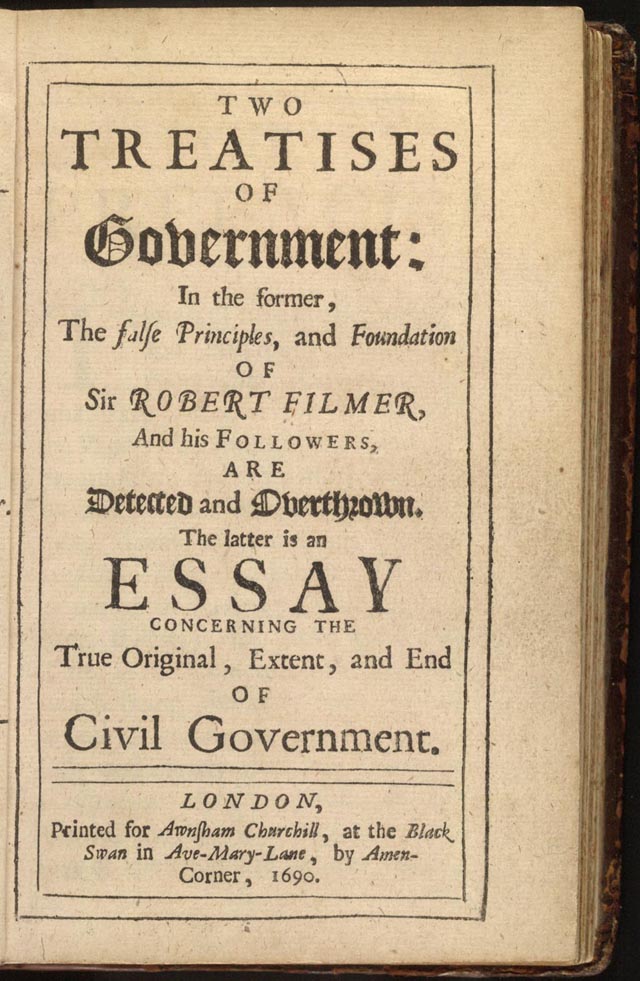 Book
Primary source
Two Treatises of Government
John Locke · 1689 (dated 1690)
 Book
Primary source
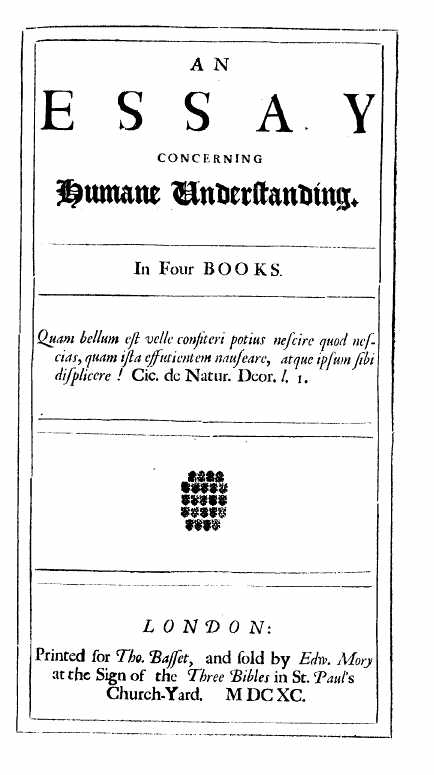
An Essay Concerning Human Understanding
John Locke · 1689 (dated 1690)
 Painting
Secondary source
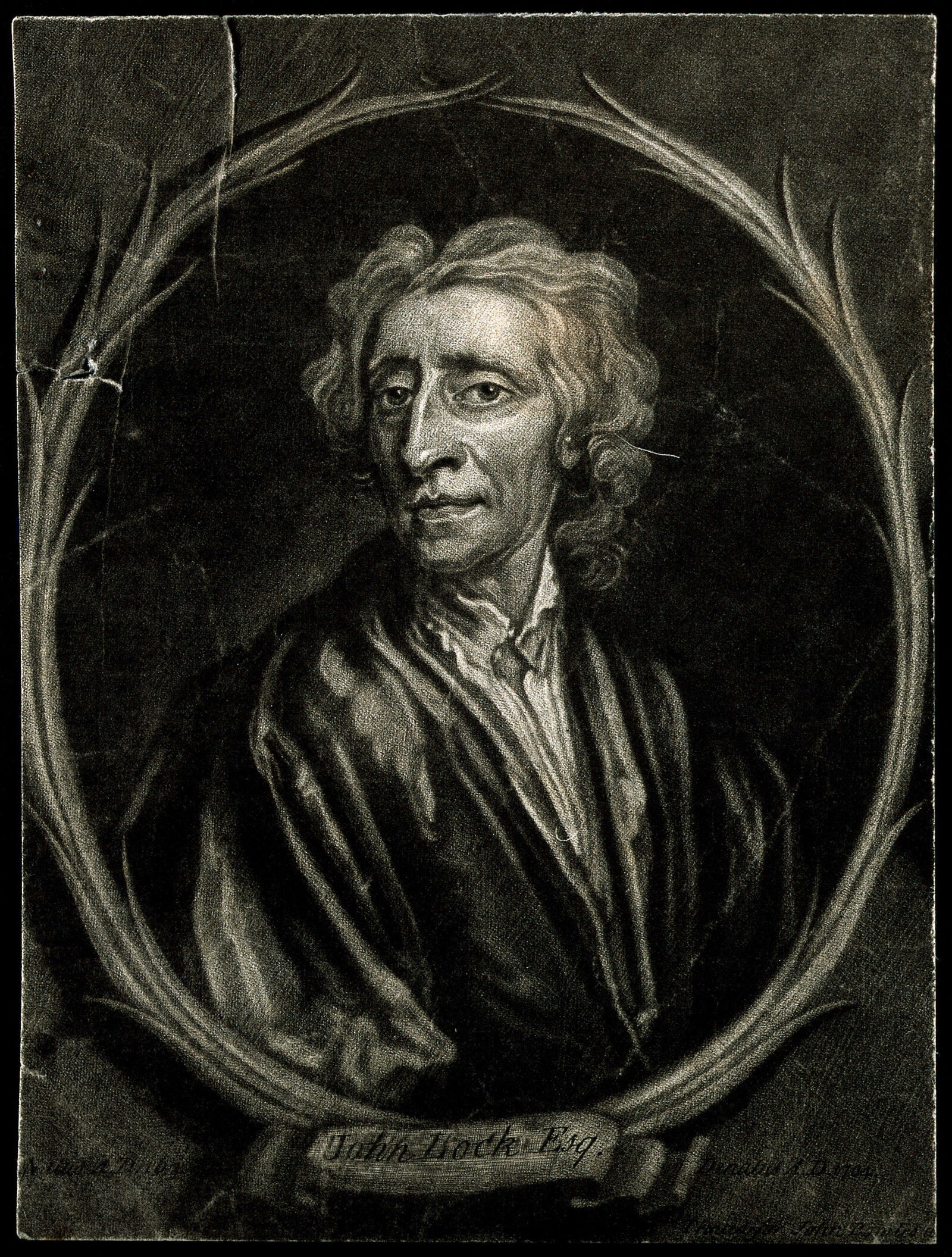
John Locke, Mezzotint after Godfrey Kneller
Godfrey Kneller
 Letter
Primary source
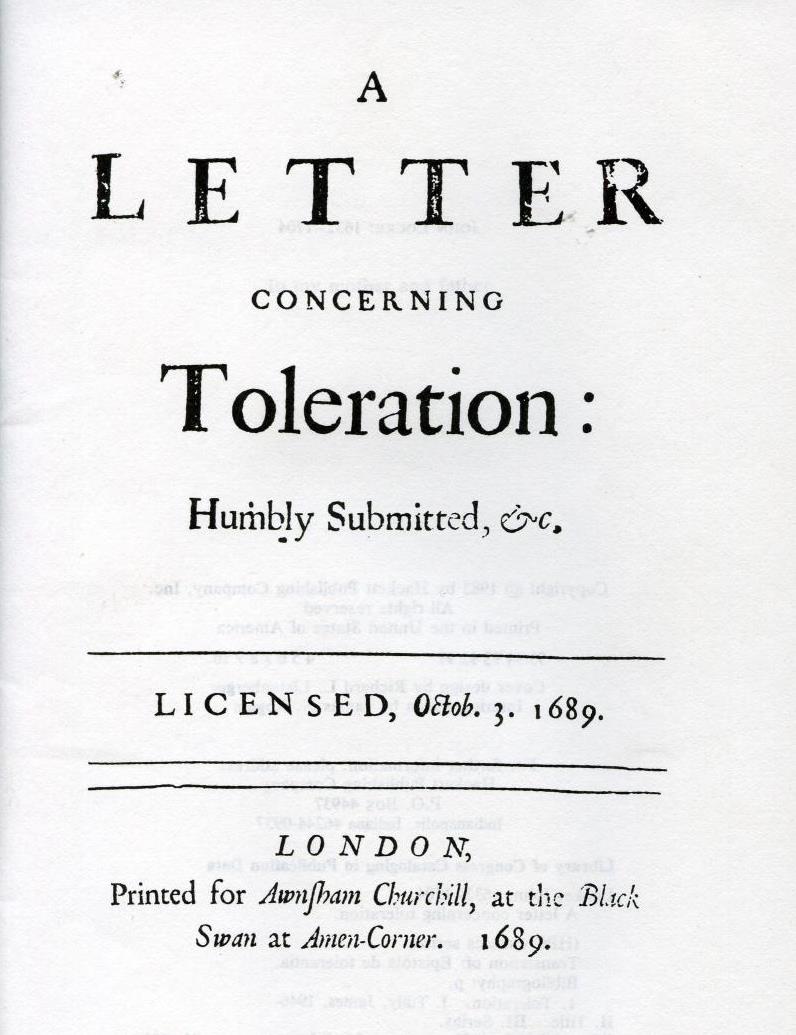
A Letter Concerning Toleration
John Locke · written 1685-1686, published 1689
 Painting
Secondary source
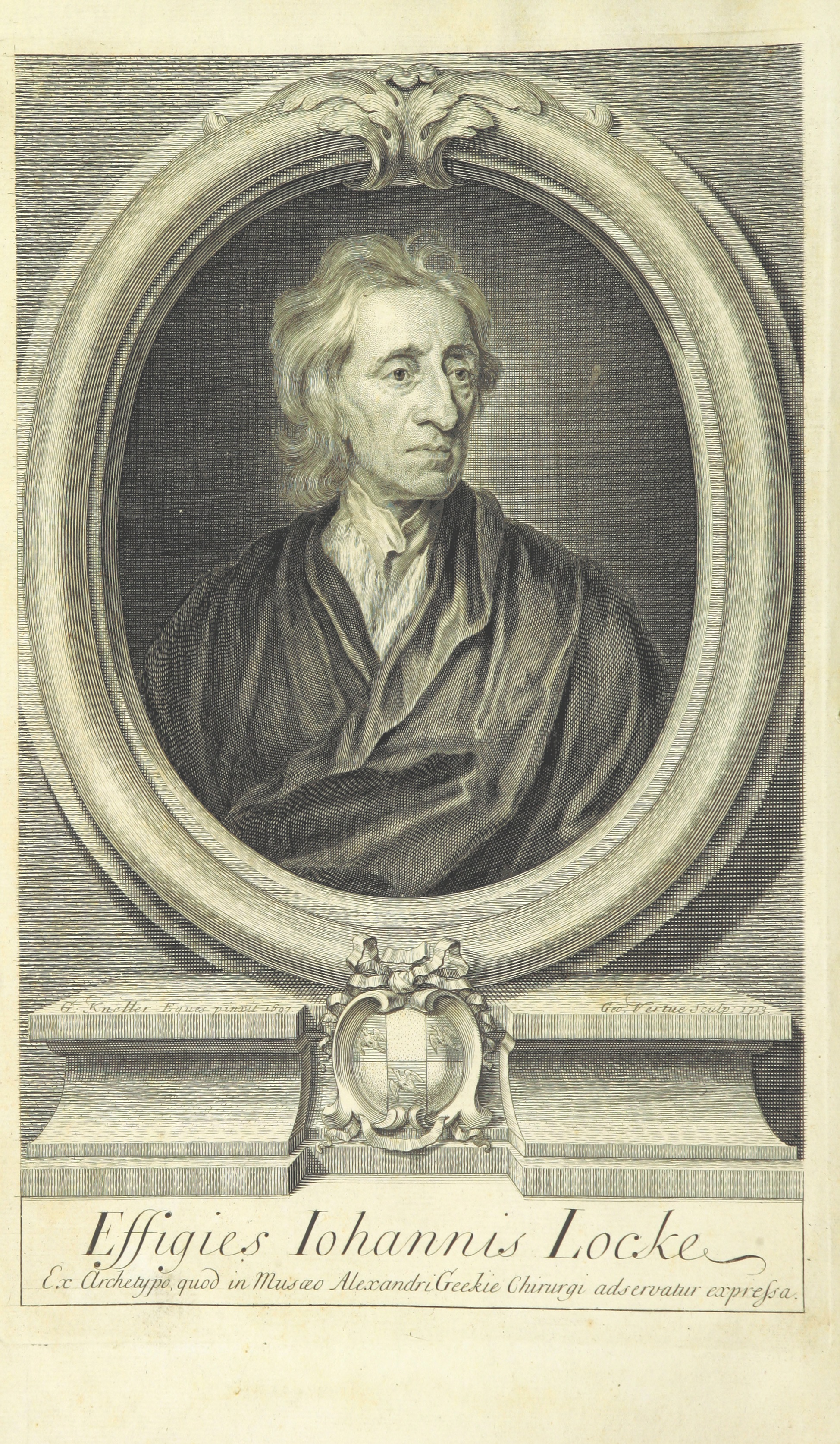
Portrait of John Locke, frontispiece to Works
George Vertue, after Sir Godfrey Kneller · 1722
Ready when you are
Start chatting with John Locke now.
20 messages free · No credit card · Available in 50+ languages.