


Secondary sourceBook4th century BC
Menexenus
Plato · 4th century BC
Plato's dialogue, in which Socrates claims Pericles' famous funeral oration was actually composed by Aspasia, parodying Athenian funeral speeches.
Plato wrote this parody of a funeral oration in which Socrates claims to recite a speech learned from Aspasia, who taught Pericles.
About this source
What it is
The Menexenus is a Socratic dialogue written by Plato, featuring Socrates and a young man named Menexenus. Most of the text is a long funeral oration that Socrates claims to have learned from Aspasia, a companion of Pericles, who Socrates says had also taught Pericles his famous oratory. The speech imitates the style of a funeral oration like the one Pericles gave, as recorded by Thucydides.
Why it matters
This dialogue offers a skeptical, even mocking look at Athenian funeral oratory and at Pericles' reputation as a great speaker, suggesting his words may have owed much to Aspasia. It is one of very few surviving sources on this type of Athenian public speech, even though it pokes fun at the genre.
Look closer
- Why might Plato have chosen to credit a woman, Aspasia, with composing a famous man's speech?
- How does parody differ from a straightforward historical record, and why might that matter here?
- What does this dialogue suggest about how Athenians viewed political rhetoric?
This book is part of the curated material that grounds the AI version of Plato and Pericles on Humy.ai — when students ask about related events, the AI can quote it and cite it.
More Plato sources
Meet the AI Plato →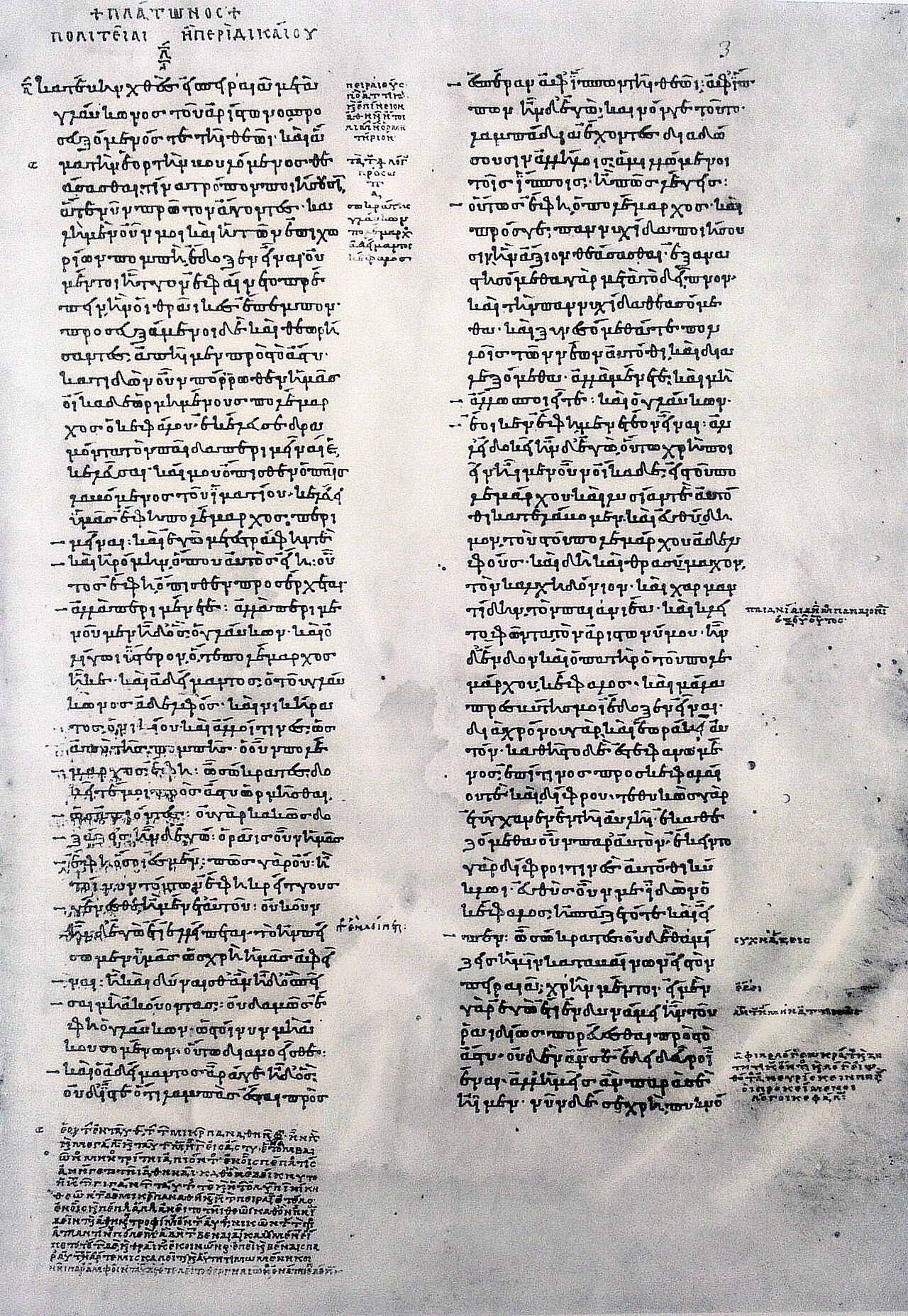 Book
Secondary source
The Republic
Plato · c. 375 BC
 Book
Primary source
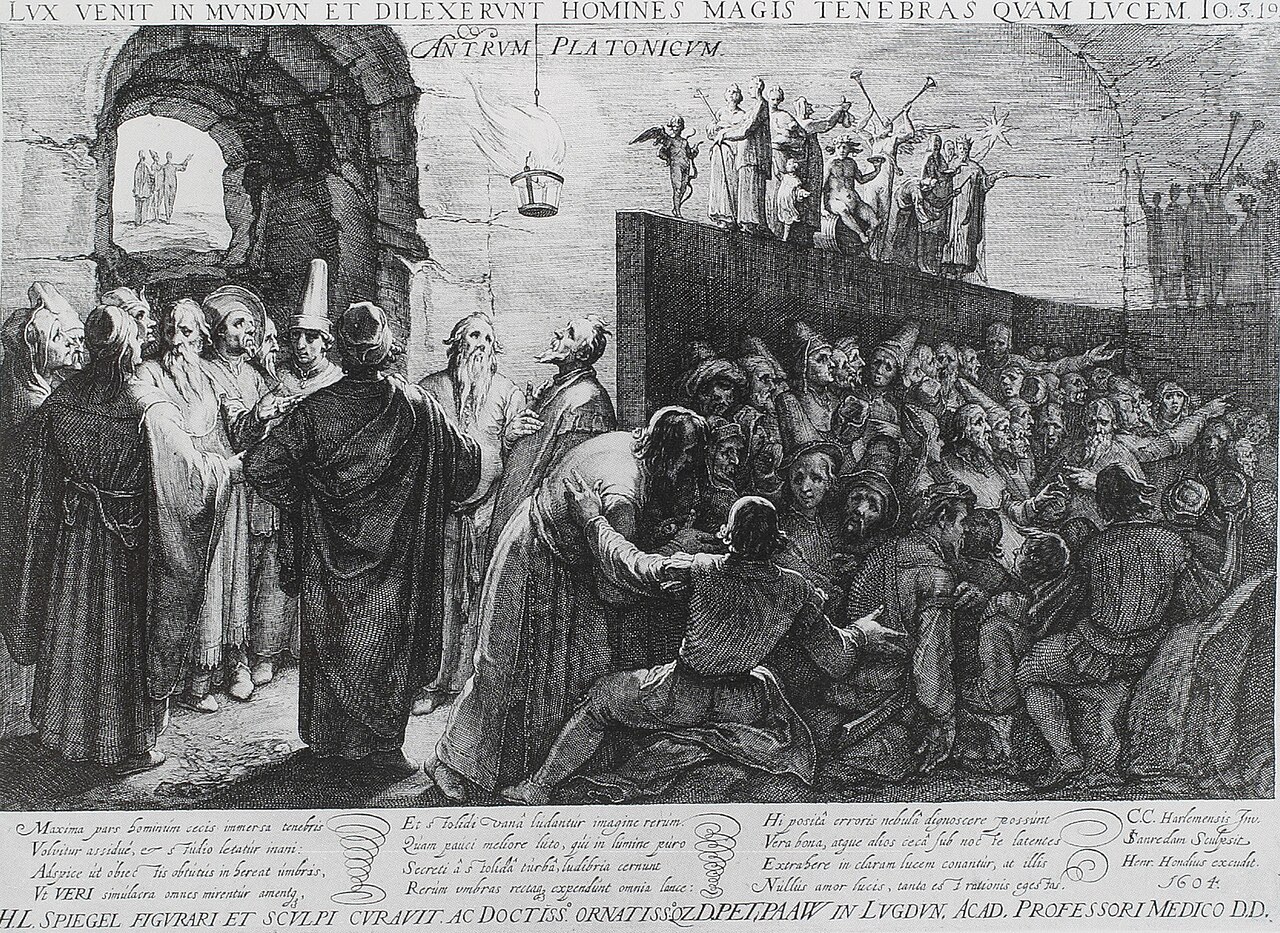
Allegory of the Cave
Plato · c. 400 BC
Secondary source
Apology
Plato · c. 395 BC
 Sculpture
Secondary source
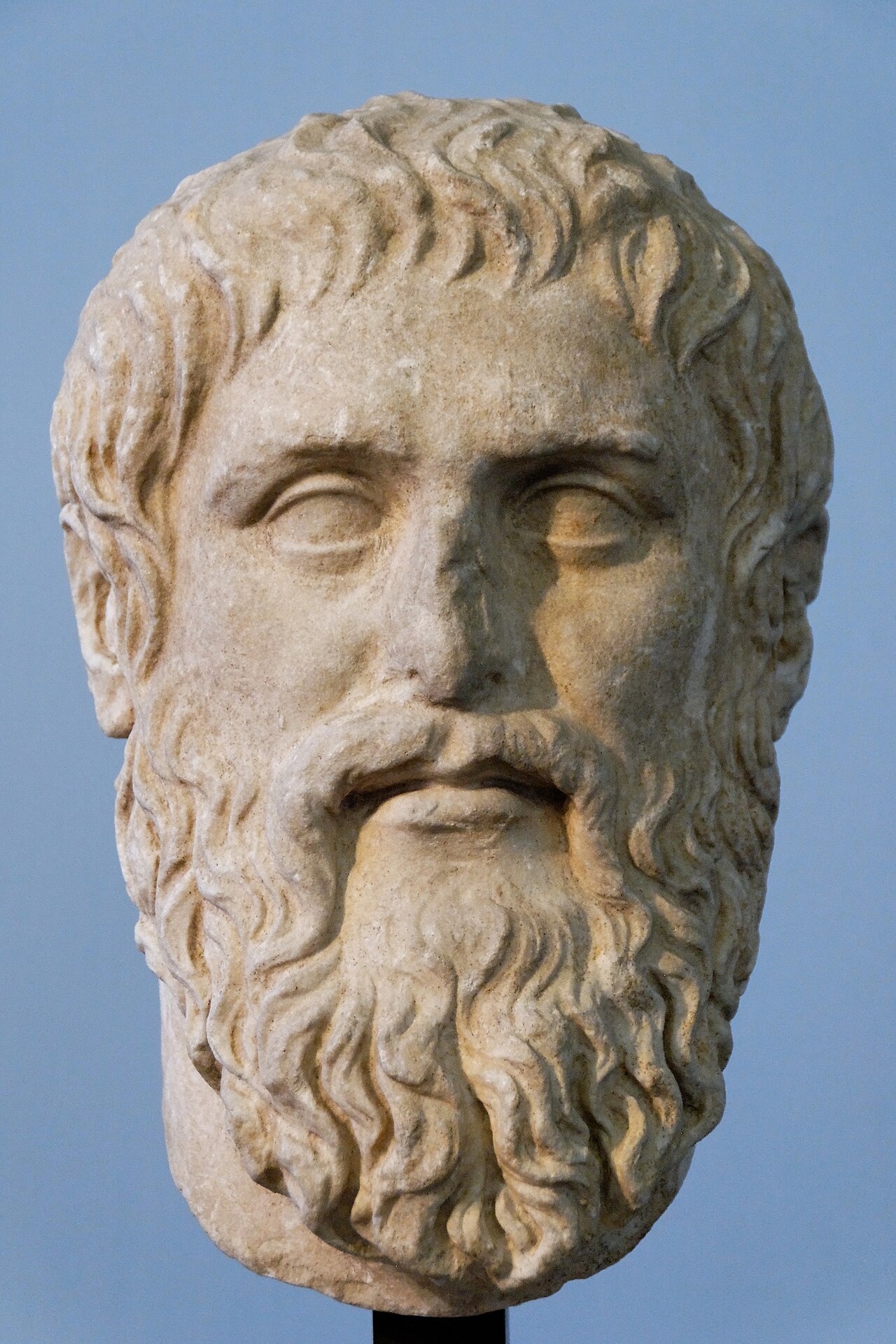
Portrait of Plato
Silanion (original type) · ca. 370 BC (original type); this copy Roman era
 Book
Secondary source
Phaedo
Plato · c. 360 BC
Ready when you are
Start chatting with Plato now.
20 messages free · No credit card · Available in 50+ languages.